

















Financial literacy helps bookish individuals apply their analytical skills to real-world situations. Just like analyzing a complex narrative, understanding financial concepts can enhance critical thinking and problem-solving abilities. It also enables them to navigate the often overwhelming world of loans, credit, and investments, ensuring they can secure their financial future while pursuing their passions. By mastering financial literacy, bookish people can transform their love for learning into practical strategies that empower them to achieve their dreams.
Connection Between Being Bookish and Being Financially Savvy
The connection between being bookish and having financial skills lies in the shared emphasis on critical thinking, analysis and a strong desire for knowledge. Bookish individuals often excel at dissecting complex texts and ideas, which translates well into understanding financial concepts such as interest rates and budgeting. Just as they analyze a novel or a piece of research, they can apply the same analytical skills to financial statements and market trends, making informed decisions about their finances.
This analytical mindset allows bookish people to approach financial decisions with creativity and innovation. They can think outside the box when it comes to finding solutions to budgeting issues or investment opportunities, much like they would when coming up with theories or interpretations in literature. This passion for learning can encourage all bookish people to not only enhance their financial literacy, but also inspires them to take control of their financial future.

Additionally, bookish people are usually adept at conducting research, a skill that can be invaluable when it comes to personal finance. They can explore various investment options, understand the implications of debt, and look into resources, books, and articles to gain a deeper understanding of financial literacy. This ability to seek out and synthesize information enables them to navigate the often-complex world of finances with greater ease.
The problem-solving mindset that bookish individuals develop through their academic pursuits can be applied to financial challenges. Just as they tackle problems within literature or academic subjects, they can approach issues like managing debt or planning for retirement with the same analytical thinking. Their passion for continuous learning also plays a crucial role, as financial literacy is an ongoing journey that requires staying updated on trends and best practices. Ultimately, the skills and traits that define bookish individuals — such as analysis, research, and a love for learning — are directly beneficial in mastering financial literacy, allowing them to manage their finances wisely while pursuing their bookish interests.
Empowerment Through Knowledge
Empowerment through knowledge, especially in the context of financial literacy, means that when bookish people equip themselves with financial knowledge, they gain the ability to make informed decisions that significantly impact their lives. This empowerment comes from understanding various financial concepts, such as budgeting, investing, and credit management. When individuals know how money works, they can take charge of their financial situations rather than feeling overwhelmed or stressed because of their finances.
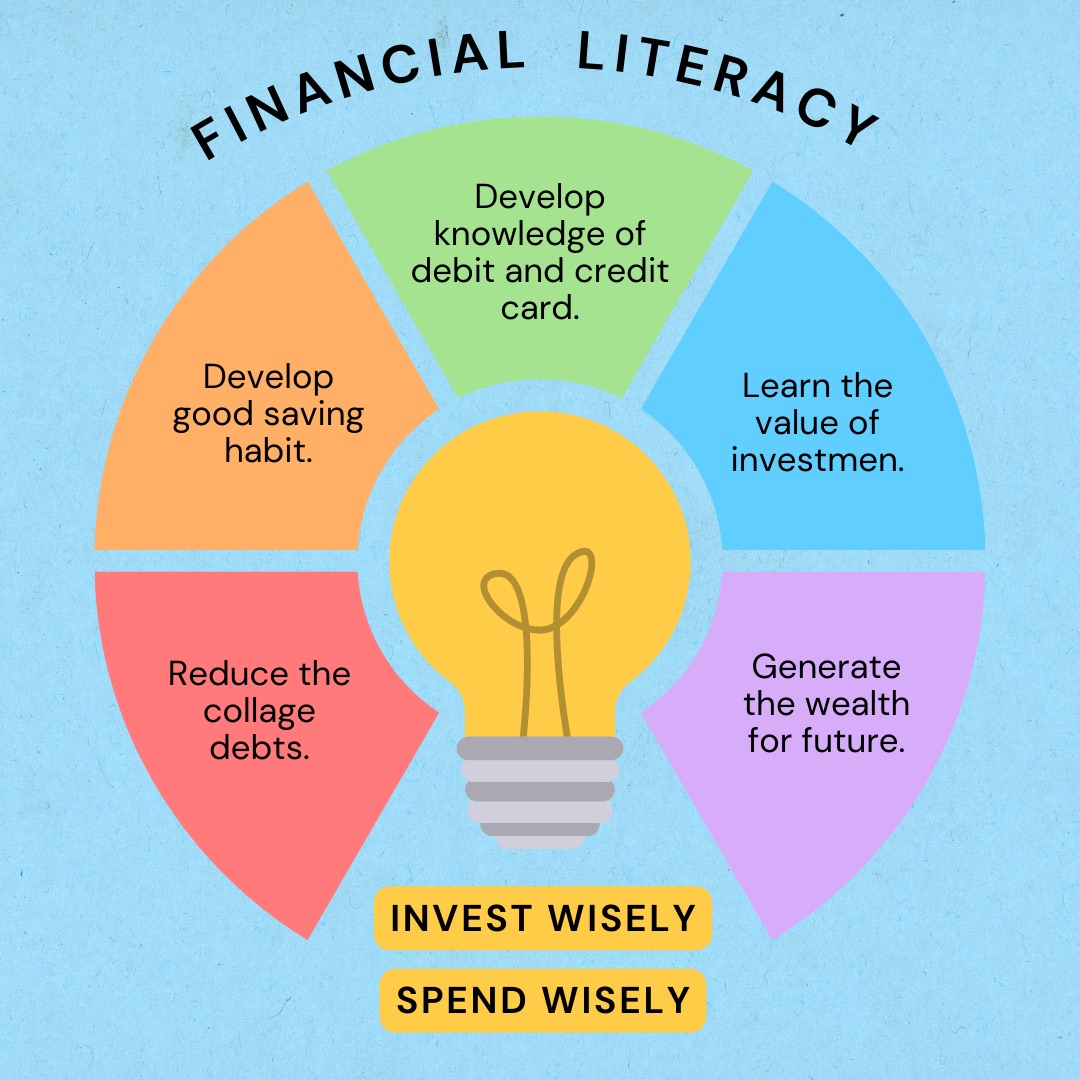
Being knowledgeable about finances can motivate people to prioritize saving and investing, leading to greater financial security in the long run. Similarly, understanding how to create a budget allows individuals to track their spending and identify areas where they can cut costs, ultimately leading to more savings and better financial health.
Financial literacy boosts confidence. When bookish individuals understand their finances, they can engage in conversations about money without feeling intimidated. This confidence can translate into better negotiation skills, whether for a salary increase or when making significant purchases. Ultimately, empowerment through knowledge means that individuals are not just passive observers of their financial lives; they become active participants who can shape their financial future.
Securing a Financial Future
Securing a financial future is all about making informed decisions today that will lead to financial stability and growth in the long run. One of the key aspects of this is creating a solid financial plan. This involves setting clear financial goals, whether short-term, like saving for a vacation, or long-term, such as retirement savings. By having specific goals in mind, individuals can tailor their saving and investing strategies to meet those objectives.
Another important factor is understanding the importance of saving and investing. Regularly setting aside a portion of income into savings accounts or investment vehicles like stocks or bonds can help build wealth over time. The earlier someone starts investing, the more they can benefit from compound interest, which allows their money to grow exponentially.

It is also crucial to manage debt wisely. Understanding how to use credit responsibly and knowing when to avoid debt can prevent financial strain. This includes paying off high-interest debts first and avoiding unnecessary loans, which can hinder financial progress.
Lastly, having an emergency fund is essential for securing a financial future. This fund acts as a safety net in case of unexpected expenses, such as medical emergencies or job loss, ensuring that individuals can navigate tough times without derailing their financial plans. By focusing on these strategies, people are more secure financial future for themselves and their families.
Financial Literacy Books for Bookworms
If you are a bookworm ready to take control of your finances and expand your financial knowledge, diving into financial literacy books is a great way to start. These books not only provide practical advice on managing money, but also reshape your mindset around finances.
Rich Dad Poor Dad by Robert Kiyosaki
Rich Dad Poor Dad by Robert Kiyosaki is a great beginner book for those dipping their toes in understanding finances as it presents complex concepts in a relatable and engaging way. The book contrasts the mindsets and financial strategies of two father figures; the author’s biological fathert, or the poor dad, and his best friend’s father, the rich dad.

Through their differing philosophies on money and investing, the book emphasizes the importance of financial education and different ways of thinking about wealth. It encourages readers to focus on building assets, understanding the value of financial independence, and recognizing the difference between assets and liabilities.
This storytelling approach makes it easier for readers to grasp the nuances of financial literacy while being entertained, making it a great beginner book for those looking to improve their knowledge.
The Total Money Makeover by Dave Ramsey
The Total Money Makeover by Dave Ramsey is the next-best read for individuals eager to learn about finances as it provides a very thorough, step-by-step plan for achieving financial stability and wealth. Ramsey focuses on the importance of getting out of debt first, which is a crucial foundation for building wealth.
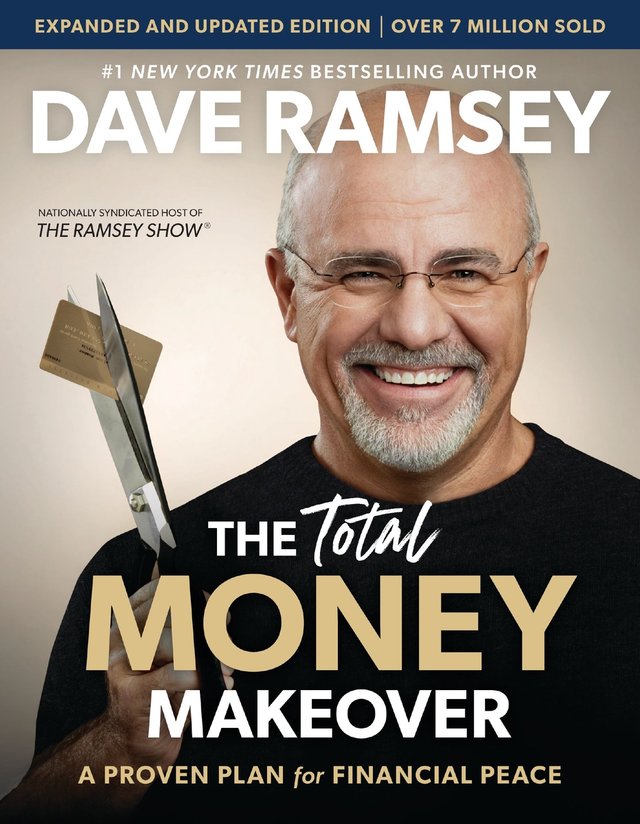
The book outlines a series of steps that guide readers through creating a budget as simply as possible. Some of the key goals Ramsey highlights include debt management, creating emergency funds, and eventually learning how to invest properly.
Ramsey also shares real-life successes stories that inspire and motivate readers to take action in their own lives. By focusing on practical advice and personal accountability, The Total Money Makeover helps readers understand the process of managing money and achieving financial freedom and confidence, making it an excellent resource.
Your Money or Your Life by Vicki Robin and Joe Dominguez
This book is an excellent choice for those who may need an extra kick of motivation to truly begin to rethink their relationship with money and how it impacts their lives. It focuses on the idea that money is not just about numbers and budgets, but also about the life energy we exchange for it.

The authors argue that many individuals have an unhealthy relationship with money, often equating it with status, security or self-worth. This mindset can lead to stress and a sense of being trapped in a cycle of earning and spending.
The book encourages readers to reflect on their values and what truly brings them joy and fulfillment. By tracking spending and understanding where their money goes, individuals can identify patterns and habits that may not align with their true priorities. This process encourages a greater awareness of how much time and effort is exchanged for money and helps people make more intentional choices about how they spend both their time and money.
In essence, financial literacy complements academic pursuits by providing essential life skills that contribute to overall well-being and independence. It’s an important tool that can ensure that love for learning translates into a stable and fulfilling life beyond the pages of a book.
To check out more of the Bookstr teams recommendations, click here
To discover more reasons as to why financial literacy is important, click here