









After the season of fears and frights, November is not just the month for overeating with loved ones, it’s the month of recognizing the brilliance and unique elaboration of Picture Books! Both authors and illustrators join together on these projects to tell stories not only in the mind, but brought to life on the page with pallets and styles so vibrant and real, Pixar could not have done better.
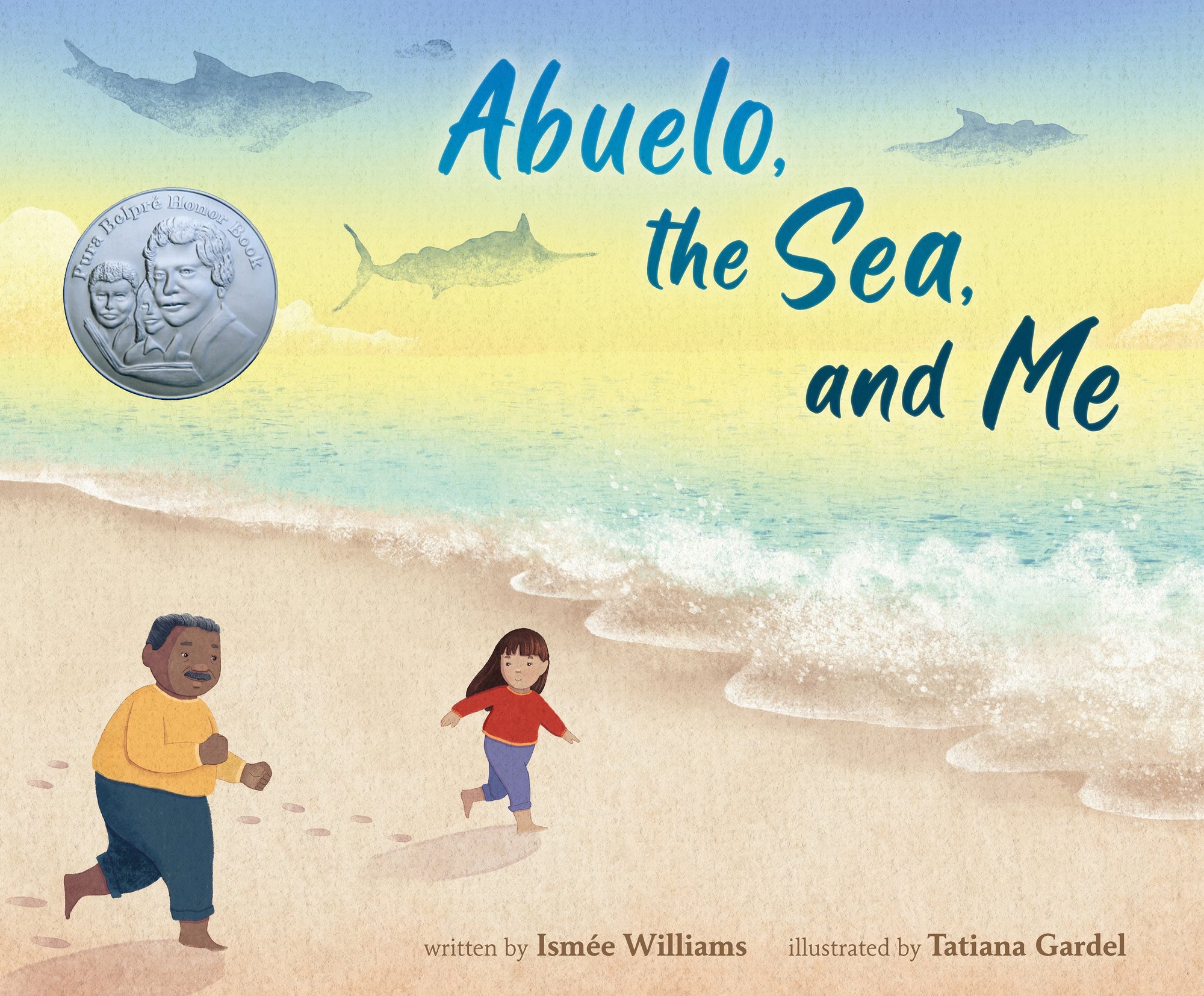
Born in 2010 by author and storyteller Dianne de Las Casas, November Picture Book Month was established to promote the importance of picture books in the ever-growing landscape of literature. Each November, many essays and articles are published promoting hundreds of authors and illustrators who have claimed the landscape of picture books as their domain, and we are lucky enough to have one of those authors here with us today! We had the pleasure of asking Ismee Williams a few questions about her 2024 picture book, Abuelo, the Sea, and Me, illustrated beautifully by Tatiana Gardel.
About Ismée Williams
Ismée Williams is an award-winning author of books about multicultural characters that pack an emotional punch. Ismée’s work includes young adult novels Water in May, This Train Is Being Held, and Pura Belpré honor picture book, Abuelo, the Sea, and Me. Ismée is also an editor and contributor of the YA anthology, Boundless: Twenty Voices Celebrating Multicultural and Multiracial Identities. Ismée has been an invited speaker at The Virginia Festival of the Book, The Miami Book Fair, The NYC Teen Author Festival, The Southern Kentucky Book Festival, The Texas Book Festival, and The Bronx Book Festival, among others. Ismée is a co-founder of the Latinx Kidlit Book Festival as well as a pediatric cardiologist in New York City, where she lives with her family. She is the daughter of a Cuban immigrant and grew up listening to her abuelo’s bedtime stories.
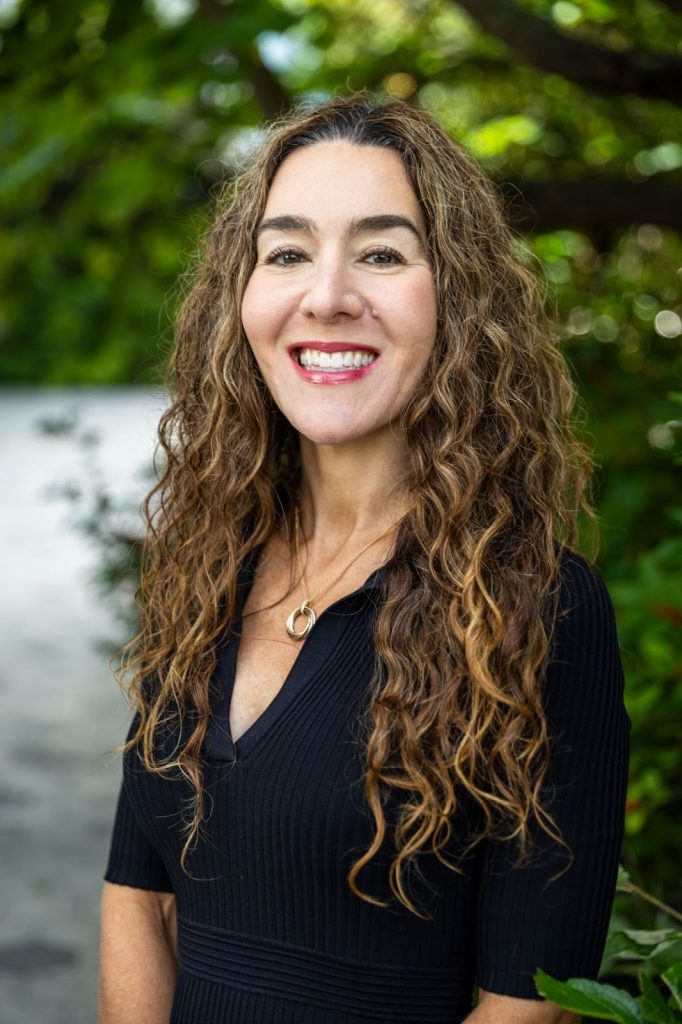
You can follow her on Instagram, Twitter, Facebook, and TikTok, and keep updated on all her projects on her website IsmeeWilliams.com.
Thanks for joining us, Ismée! Let’s get started.
For those who might not be familiar with this book, please introduce them to the story and explain its meaning to you.
I wrote Abuelo, the Sea, and Me as a tribute to my own grandfather, who fled Cuba with his family when my mother was a little girl. He was a physician himself, an obstetrician, as well as a writer of poetry and political journalism. It was his writing that got him in trouble with the government.
Abuelo and I were very close when I was little. Whenever we visited, he would tell me bedtime stories, but we rarely spoke of his homeland. I think it was painful for him. With this book, I wanted to capture the special relationship that exists between a child and a family member from another generation. Specifically, I wanted to explore that moment when the child realizes that their loved one is more than simply Grandpa and was an adult with a fully realized life before the child was born.
Abuelo, the Sea, and Me is about a little girl who visits the beach with her grandfather across the four seasons. At each visit, she learns a little bit more about Abuelo’s own childhood. It is my hope that this story serves as an inspiration to others and helps other children initiate conversations with their loved ones, asking about their own childhoods. Even if the child’s grandparent was born and raised in the same town where the child now lives, that grandparent experienced a very different childhood from their grandchild. It is these stories that connect us, and we can always learn from the experiences of those who came before us.
You’ve said that this book takes inspiration from your own experiences listening to your grandfather’s stories on the beach. What kind of attributes or characteristics about your abuelo were important for you to put into this version of him?
The grandfather in my story is a fictionalized version of my own abuelo. But I wanted to be sure to capture that intense love, care, and interest that grandparents feel for their grandchildren. I also wanted to show how my own abuelo captivated me with his stories, sparking my imagination – all while teaching me valuable skills and life lessons.
What do you hope can be passed on through this story that your abuelo instilled in you as a child?
To respect and be in awe of nature. To be curious and ask questions. To be empathetic – to put yourself in the shoes of someone else and imagine what they might be thinking or feeling. As a physician, this is an incredibly important skill and one that I use daily with my patients. Being able to understand someone else’s perspective, and why they might have that perspective, is important for all young people to learn, especially in this modern era where it feels like dialogue, tolerance, and understanding are harder and harder to come by.
,center>
You’ve said that your abuelo didn’t talk much about where he was from because it might have been too painful to discuss. In your research for this book, was there anything about his life in Cuba you wish you could have asked him?
There is so much I wish I could ask him! He passed away when I was only twelve. And he was the youngest of eleven children! I wish I knew more about his childhood, about his relationships with his siblings. There are many stories that I’ve heard from family, some of which sound too fantastical to be real–like the whole city of Havana used to sleep in the park after earthquakes because they were afraid to sleep in their homes. I have no idea if this really happened, but I can imagine a great picture book coming out of it!
In this story, you jump between all four seasons to show that no matter how cold or hot it was, this was where the best memories were with your abuelo. What was your favorite time of year to go to the beach and spend the day with your abuelo? Did his stories ever change depending on the weather, especially when it was snowing, since, as it says in the book, he did not see much snow?
I always loved spending time with my abuelo, but summers were especially fun as he would run on the beach with me and act like a little kid. He did tend to get a little quieter in winter when we had to bundle from the cold–and neither of us could move very fast! I remember this wild fake fur hat he used to wear. I don’t remember him playing in the snow. I think he was content to watch me from inside, as he didn’t like the cold!
What was the process of writing this story like? What kinds of emotions and memories came up during certain parts?
So many emotions! For the winter scene, I remembered my mother telling me that her father, my abuelo, would take her to the Malecon in the car to watch the hurricanes come, and they would drive through water that was flooding the streets, which we all know now is very dangerous. Of course, they had to sneak out as my grandmother forbade it. It made Abuelo seem like such a daredevil and a bit of a trickster.
Both you and your illustrator have important experiences with your abuelos. What was it like to collaborate on this project? How did it change and evolve through each stage?
I am so in awe of Tatiana! The beauty and creativity of her images are more than I could have hoped for! We actually didn’t meet or speak until after the book was completed. All queries were negotiated through our editor, which is a beautiful way to make a book, as Tatiana was able to layer her own story with her own memories of her grandfather onto my words and create something larger than our two individual stories. Together, we are greater than the sum of our parts. We are friends now, though, and have had fun doing events and book visits together.
Abuelo, the Sea, and Me by Ismee Williams tells the important story about a young girl making a connection with her grandfather by listening to the stories of his life back in Cuba. Abuelo has come to know the sea as his last connection to the place he holds closest to his heart. Immigrants like Abuelo have escaped more poverty and suffering than one could imagine. Williams does a breathtaking job of making a powerful connection between the importance of knowing where we come from and the wisdom and experience that comes from listening to the stories and lessons of our elders.
Want more author interviews? Check out our Author’s Corner.
You can pick up Abuelo, the Sea, and Me, and similar books on our Bookshop here.