





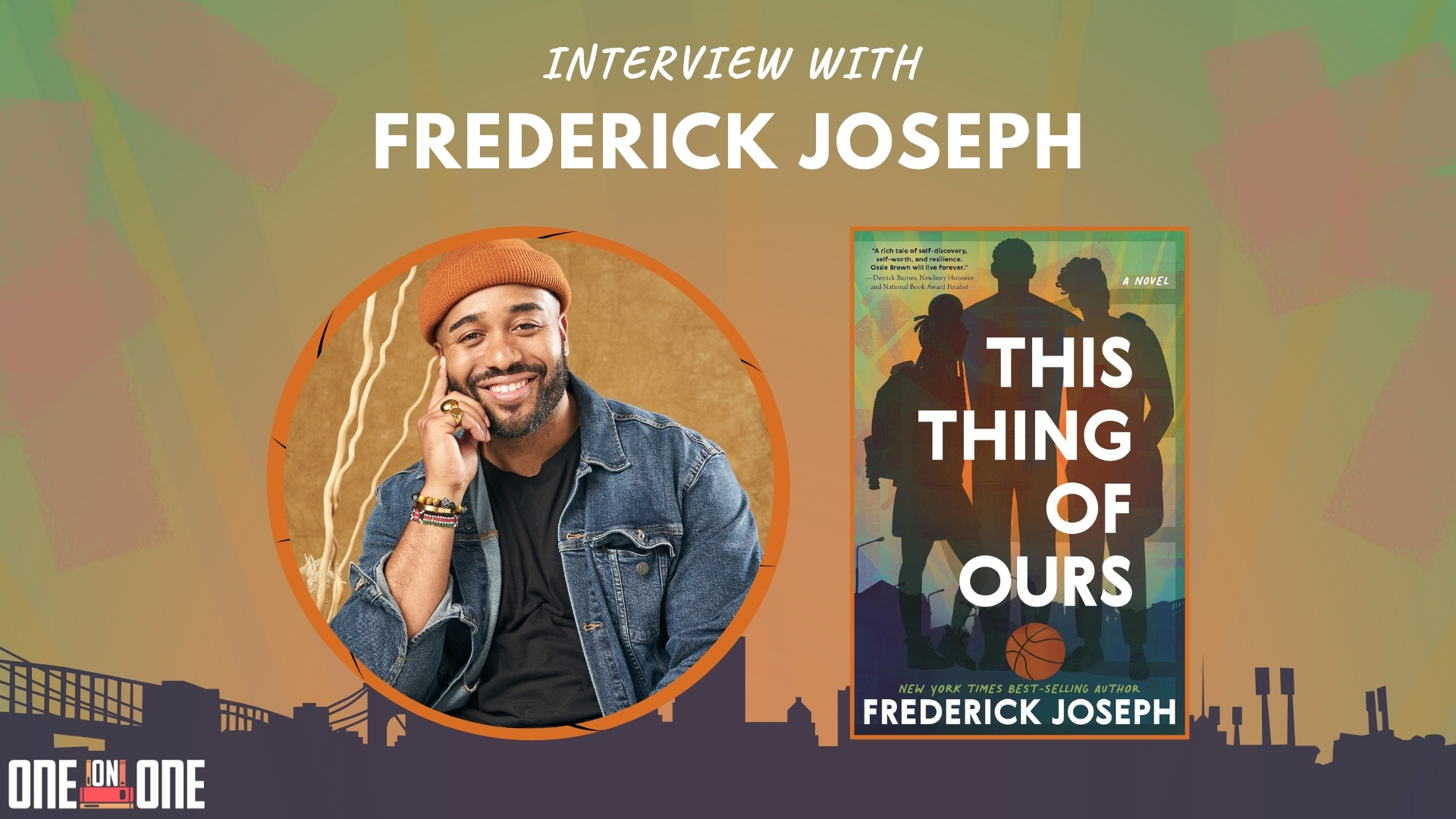
Given recent events in U.S. and global politics, it can feel like the cultural divide between groups has never been greater, more fraught, or more perilous. And without fail, the populations that suffer most acutely from this tension are the ones most marginalized, including young people of color. In Frederick Joseph’s new YA novel, This Thing of Ours, protagonist Ossie is navigating this divide while simultaneously dealing with family tensions and the normal challenges of adolescence. We recently had the chance to sit down with Frederick and talk about his YA fiction debut, diverse perspectives in education, and how young people can create an impact in their communities.
About Frederick Joseph
Frederick Joseph is a Yonkers, New York–raised three-time New York Times and USA Today best-selling author. His books include the poetry collection We Alive, Beloved, the nonfiction works Patriarchy Blues, The Black Friend, and Better Than We Found It (co-written with Porsche Joseph), the picture book Black Panther, Wakanda Forever: The Courage to Dream, illustrated by Nikkolas Smith; and his recent bestselling, Kirkus, Publisher’s Weekly, and BookPage starred reviewed YA novel, This Thing of Ours.
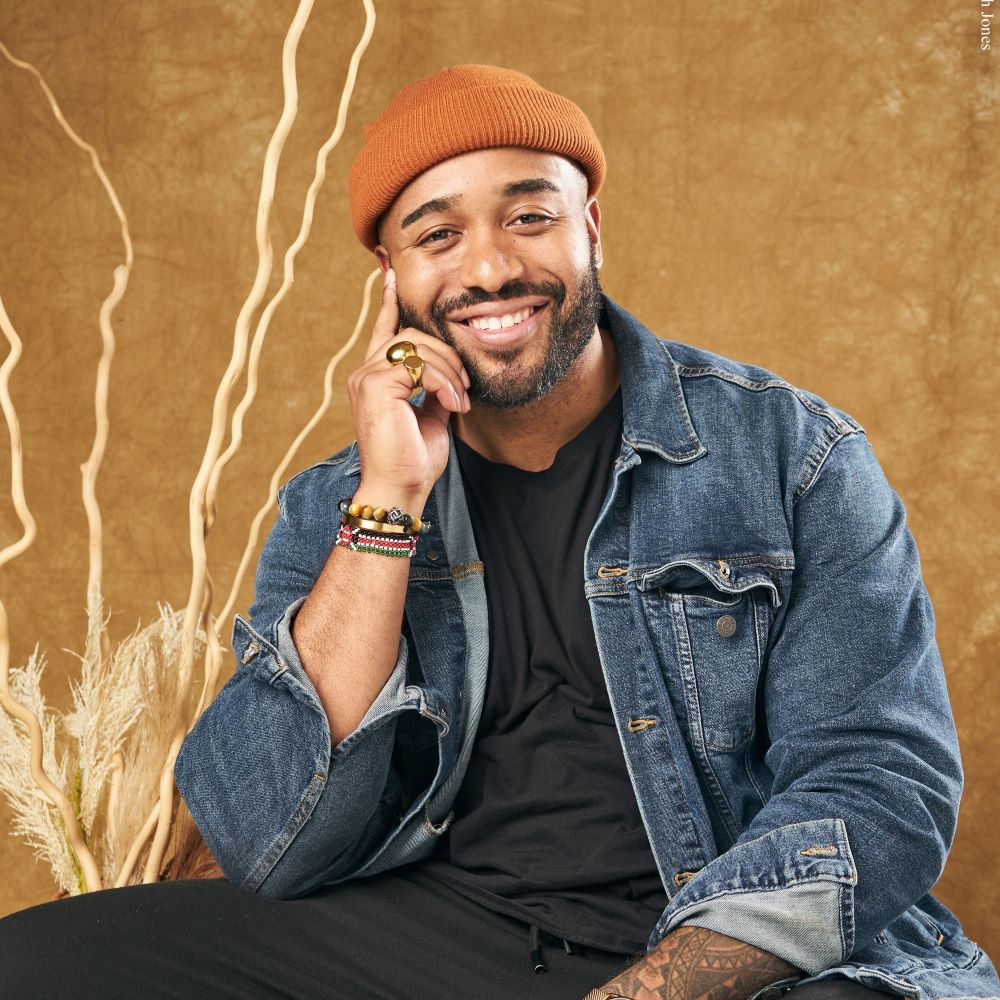
He was recognized with a 2021 International Literacy Association Young Adult Book Award, was named to the 2019 Forbes 30 Under 30 list for marketing and advertising, and is an activist, philanthropist, and poet. Frederick Joseph was also honored with a 2023 Malcolm X and Dr. Betty Shabazz Vanguard Award and the 2018 Bob Clampett Humanitarian Award, and he was selected for the 2018 The Root 100, a list of the most influential African Americans.
Thank you so much for joining us, Frederick. Let’s get started.
Can you give our readers a brief introduction to Ossie and what he is dealing with at the start of the novel?
Ossie Brown is a talented basketball player from Yonkers whose life turns upside down when a severe knee injury suddenly ends his career. At the start of the novel, he’s dealing with the shock of losing basketball, figuring out who he is beyond the game, and finding his voice in new ways he never expected.
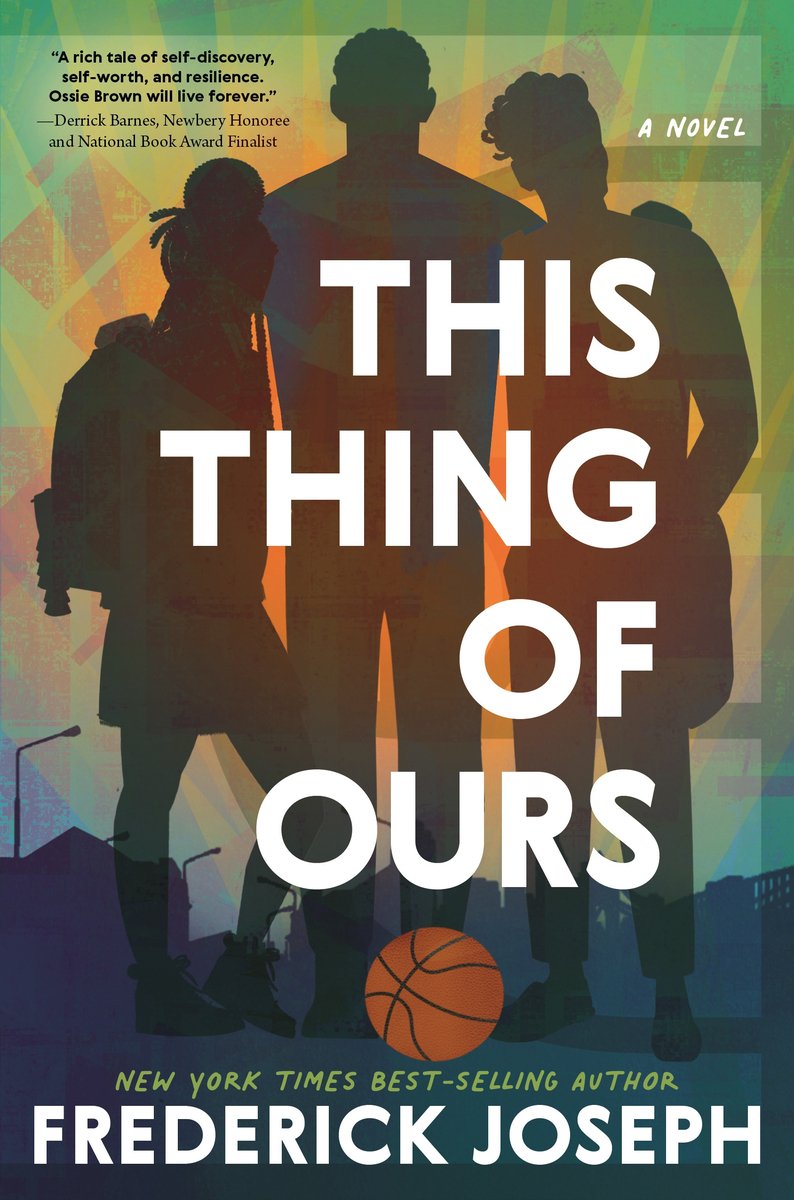
This is your first YA novel; congratulations! What inspired Ossie’s story, and what drove you to write it as a fictional narrative aimed at a young adult audience?
I appreciate that. Ossie’s story emerged from observing how the identities of young Black men are often tethered to their physical talents, especially in athletics, and how devastating the loss of that singular identity can be. Fiction gave me the space to delve deeply into those complexities and speak directly to young adults, who frequently experience profound shifts in identity and perception during their formative years.
While Ossie’s classmates valued him highly when he was a basketball star, the end of his athletic career and his transition to writer and activist put him at odds with the primarily White student body. Do you see this as a reflection of how White culture views — and treats — people of color in industries like sports and entertainment?
Definitely. The shift in Ossie’s standing among his peers vividly illustrates how society commodifies and disposes of Black and Brown individuals, particularly in sports and entertainment. He is celebrated when his physical abilities serve their purpose, but swiftly marginalized when his talent is no longer exploitable. It mirrors a broader cultural pathology in how we value human lives.

This Thing of Ours highlights the notion that classroom materials and lessons that include diverse perspectives are too “woke,” a phrase frequently appropriated by conservative ideologies to suggest that dominant — White, cis, male, etc. — identities are being disenfranchised by inclusive representation. What is your response to this notion?
The notion that including diverse perspectives in education is too “woke” is fundamentally dishonest and intentionally reductive. The resistance to honest history and inclusive curricula is rooted in the preservation of power dynamics that privilege certain identities. Genuine education is about truth, accountability, and understanding that history, identity, and culture are deeply interconnected.
YA books that tackle issues of race, class, and discrimination, like This Thing of Ours, are already being taken off school and library bookshelves across the country due to their “divisive” content. Do you worry that your book may meet a similar reception? If so, how can readers fight against it?
Of course, there is a genuine concern about censorship. Books like mine, which address race, class, and the realities of systemic inequality, often threaten those who prefer comfortable narratives over challenging truths. Readers must actively defend access to diverse narratives, advocate within their communities, engage in local politics, and support educators and librarians fighting against censorship.
Why do you think it is so important for young people of marginalized identities to have access to authentic, affirming, and empowering representation in the media they consume?
Authentic representation matters because marginalized young people must see their realities acknowledged, validated, and celebrated. They deserve media that speaks truthfully to their experiences, providing not just affirmation but pathways toward empowerment and agency. It helps dismantle harmful stereotypes and ensures young people feel seen and heard.
In addition to being an author, you are known for your philanthropic, humanitarian, and advocacy work. For young adults hoping to follow in your footsteps, what is one piece of advice you would give?
My advice is to approach advocacy and philanthropy with humility and a commitment to ongoing learning. Understand that real change is slow, complicated, and deeply collaborative. Centering community voices, listening actively, and staying grounded in empathy are crucial to creating meaningful impact.
Lastly, in honor of This Thing of Ours and the wise words of Ossie’s Grandma Alice, what are some of the special bonds you’ve made that have most impacted your life?
The bonds I’ve formed with people who’ve challenged, inspired, and stood beside me during difficult times have shaped me profoundly. Relationships with family, mentors, and community activists. People who showed me the power of collective strength, resilience, and vulnerability have been my most meaningful influences.
A huge thank you to Frederick for taking the time to share his work and insights with us! Be sure to find him online at FrederickJoseph.com and follow him on Instagram, Facebook, and TikTok. And, of course, don’t forget to check out This Thing of Ours and add it to your reading list!
To check out more of our exclusive talks with authors, check out our entire One-on-One Interview series!
To see all of our favorite YA reads, check out our Bookshop bookshelf, Adventures Beyond Pages: A Young Adult Journey.