











Trigger Warning: The mention of homophobia may be triggering for some readers. Please exercise personal care when reading.
Coming out to your family can be a life-changing experience. It can lead to a sense of freedom that comes with being accepted for who you are, but it can also come with backlash that forms from conditional love. Literature is a great tool to use when dealing with the realities of our relationships with one another because watching characters go through similar experiences can help us process our situations through a third-party lens. To give queer readers comfort and understanding for their family dynamics, here are some fiction and nonfiction recommendations on LGBTQ+ families and their different connections with one another.
Fiction
Fiction gives authors a creative outlet to explore hard topics like family dynamics for queer people who have complicated relationships with their loved ones. To give readers a story that lets them escape their realities while also helping them deal with what they’re going through, let’s take a look at three fiction novels exploring LGBTQ+ family dynamics.
The Lesbiana’s Guide to Catholic School by Sonora Reyes
Yamilet doesn’t want to be known as the only Mexican at her new Catholic school, but at least it keeps people from suspecting that she’s gay.
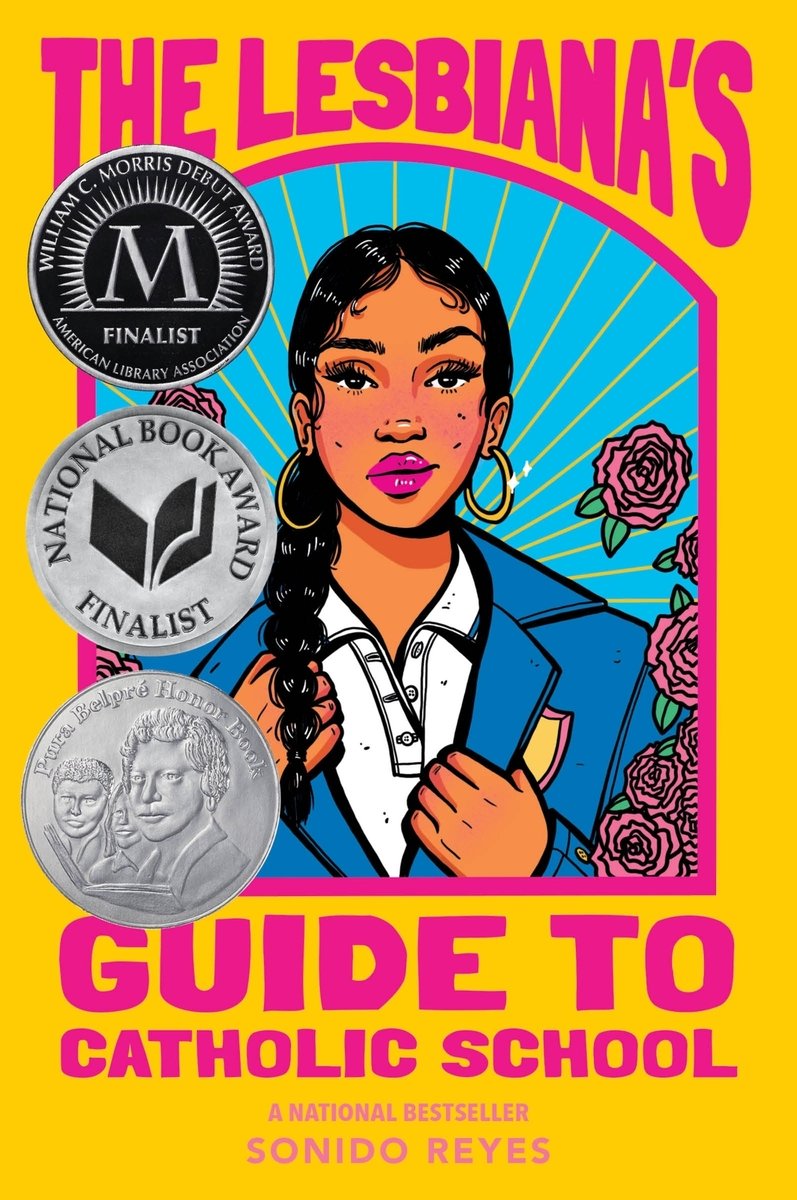
After a messy outing at her last school, Yami’s only priorities are keeping her brother out of trouble, making her mom proud, and not falling for any more women. But when Bo, the only openly queer girl at school, becomes one of Yami’s closest friends, she can’t help but feel worried about history repeating itself. She worries about what it will do to her at school and home because she doesn’t know how her family will take it. Reyes’ writing is funny and vulnerable, with an honest look into coming out and the acceptance and rejection it takes to find your group of people. Their characters feel deeply about one another and give teenagers an outlet to understand that rejection has nothing to do with them as a person, and the people who genuinely support us are the only people who matter.
Last Night at the Telegraph Club by Malinda Lo
The moment seventeen-year-old Lily Hu walked under the neon lights of the Telegraph Club with Kathleen Miller, her life was never the same.
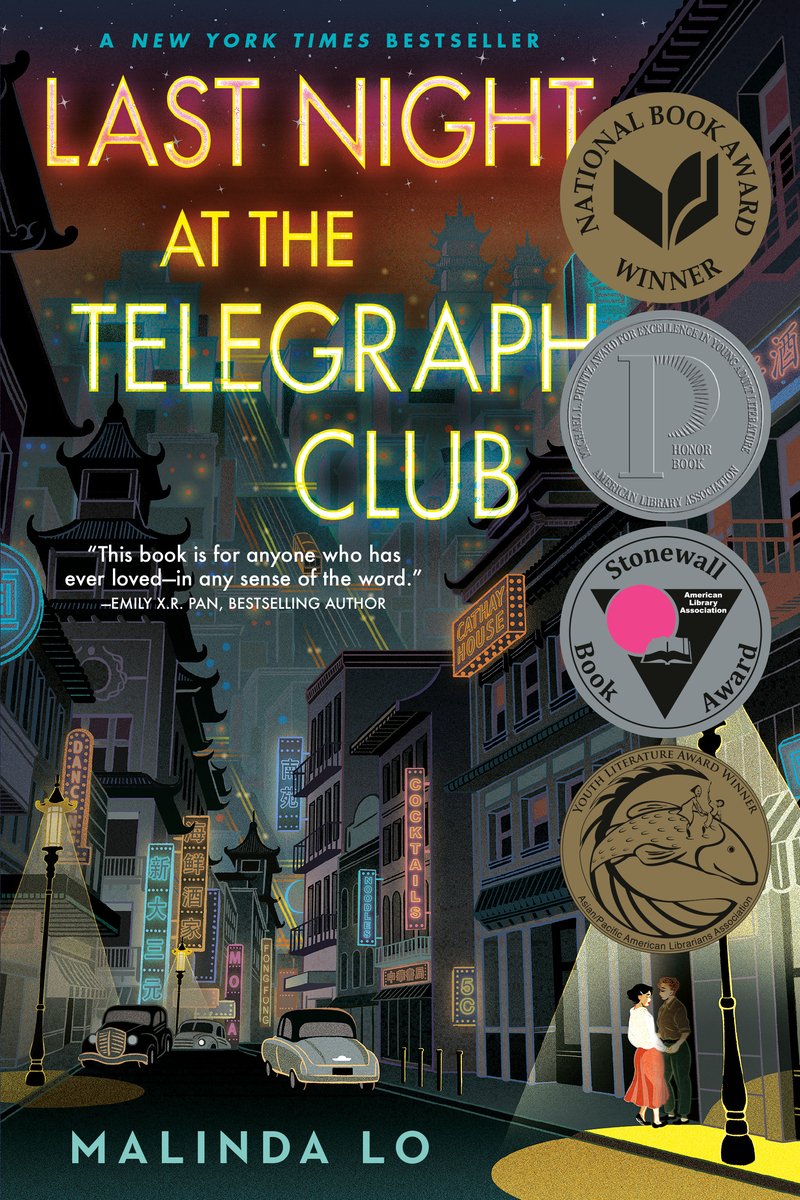
In 1954, America was not a safe place for two girls to fall in love. Living in Chinatown during the Red Scare, Lily faced many societal dangers as a Chinese American, falling in love with another girl. When Lily and Kathleen walk through the lesbian bar, the Telegraph Club, her perspective and connections change to bring lots of confusing and complicated emotions for Hu. With the threats of deportation towards her father and the risks she takes with Kathleeen to make their relationship public, this story gives readers a beautiful story on reputation, conformity, and how far we would go for the people we love. Lo’s story is heart-wrenching and true to the times, giving us a captivating tale that mirrors those of the other lesbians who lived in the shadows during the 1950s.
Simon vs. the Homo Sapiens Agenda by Becky Albertalli
Seventeen-year-old Simon is not ready to come out, but when an email falls into the wrong high schooler’s hands, he must do everything he can to keep his secret under wraps.
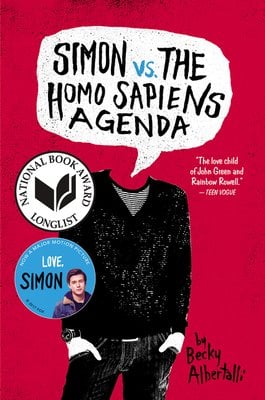
To take back his narrative, Simon comes out of his comfort zone to come out to the people he loves, hoping they will accept him for who he is. With a close-knit group of friends, a loving family, a mystery crush, and a guy who won’t leave him alone, Simon realizes who he can trust in the complicated life that is his senior year. Albertalli’s writing is fun and emotional for all readers who have experienced the joys and terrors of coming out. Her book was made into a movie, Love, Simon, in 2018, and a spin-off TV show in the same universe called Love, Victor. A few of her earlier works are also in the same universe to dive into other characters mentioned in her novels giving readers a variety of queer experiences to work with.
Nonfiction
Hearing other people’s stories with their families can help us come to terms with our own. Navigating change can be hard, but these authors give us a personal look into their lives to give readers a sense of direction. To give readers a perspective into other families and how they have taken on the LGBTQ+ narrative, let’s take a look at three nonfiction novels exploring LGBTQ+ family dynamics.
Mama’s Boy: A Story from Our Americas by Dustin Lance Black
LGBTQ+ activist Dustin Lance Black tells his story of helping overturn California’s Proposition 8 on anti-gay marriage after growing up in a conservative Mormon household.
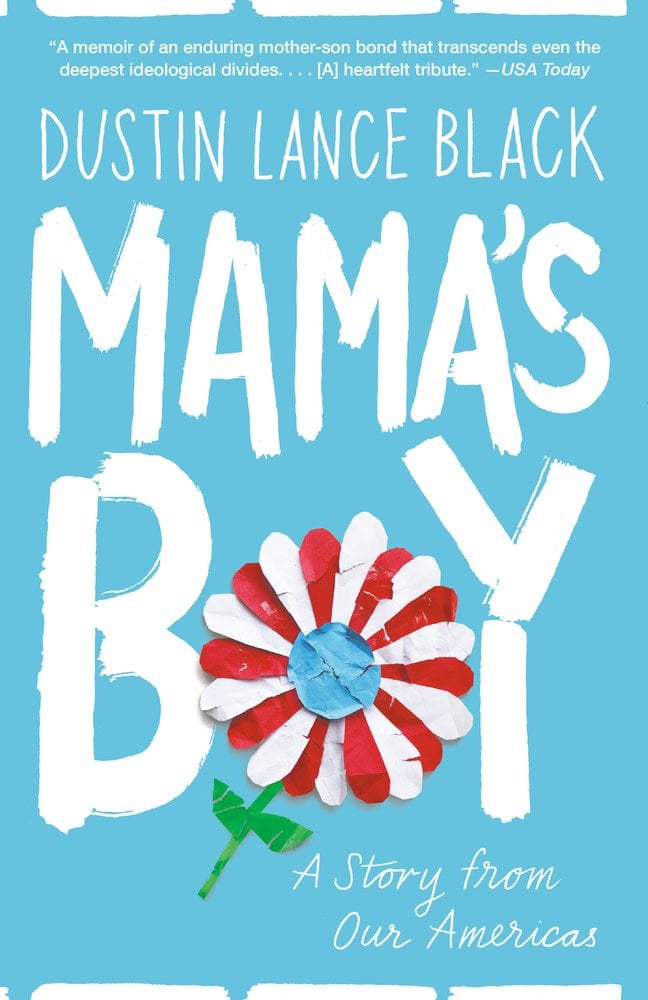
Lance’s mother, Anne, was told she would never have children. After defying the odds and having three boys while also escaping the abuse and violence in two marriages, she found herself at odds when Lance began to create his path. After deciding to study the arts instead of going on his Mormon mission, Anne became terrified for his future and found his sexuality to be a sinful choice. Dividing the house, this book highlights the work, dedication, and love put into stopping the division to remain a family. This story goes higher than politics, as readers go inside a family home with its complicated dynamics and show us the foundation it was built on to help them maintain their family ties.
Families We Keep by Rin Reczek
Taking a look at LGBTQ+ adults and their parents, Reczek takes a look at the ties we have with our parents and the complicated relationship that comes with deciding whether we need to cut ties with them.
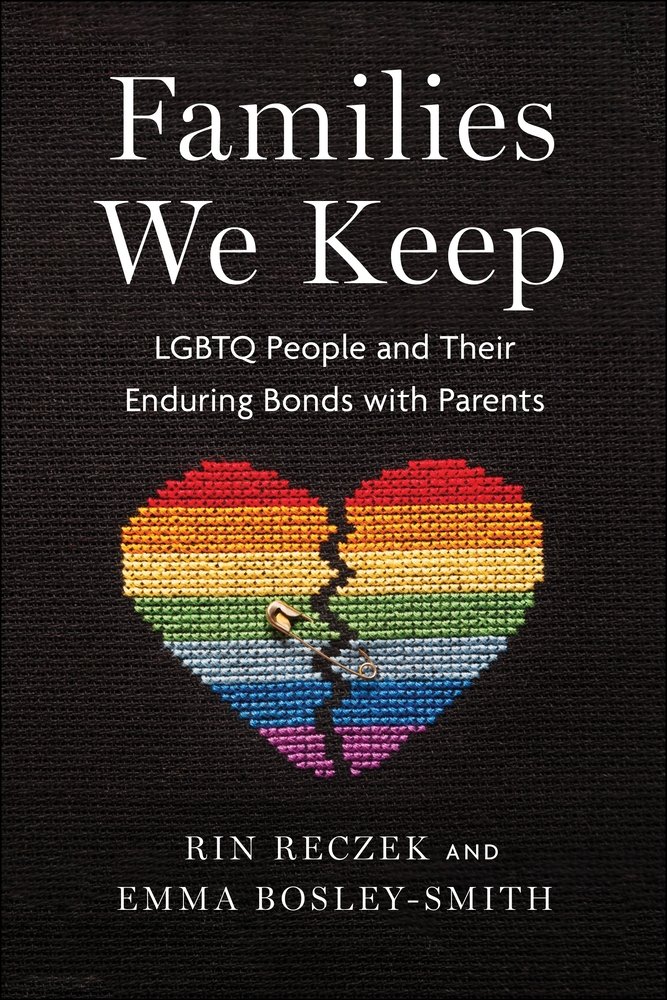
After interviewing over seventy-five LGBTQ+ people and their parents, this book examines the complicated relationship that can come with being queer and why many people choose to stay with their families even if they don’t accept them. Speaking of the ideas of inevitable connections, toxic relationships, intergenerational ties, and found families, Reczek can give readers an understanding of why we desire to keep our family bonds. The outcome of these connections in queer people’s lives continue to find acceptance and rejection in different forms. Challenging the notion that we must maintain familial relationships at all costs, this book gives us a perspective on acknowledging the toxicity that can be created in family dynamics and realizing that our authentic selves deserve to be cherished by those who will love us unconditionally.
Found in Transition: A Mother’s Evolution during Her Child’s Gender Change by Paria Hassouri M.D.
From the personal life of Paria Hassouri comes an exploratory story on a mother raising a trans child and all the love it takes to support a transition.
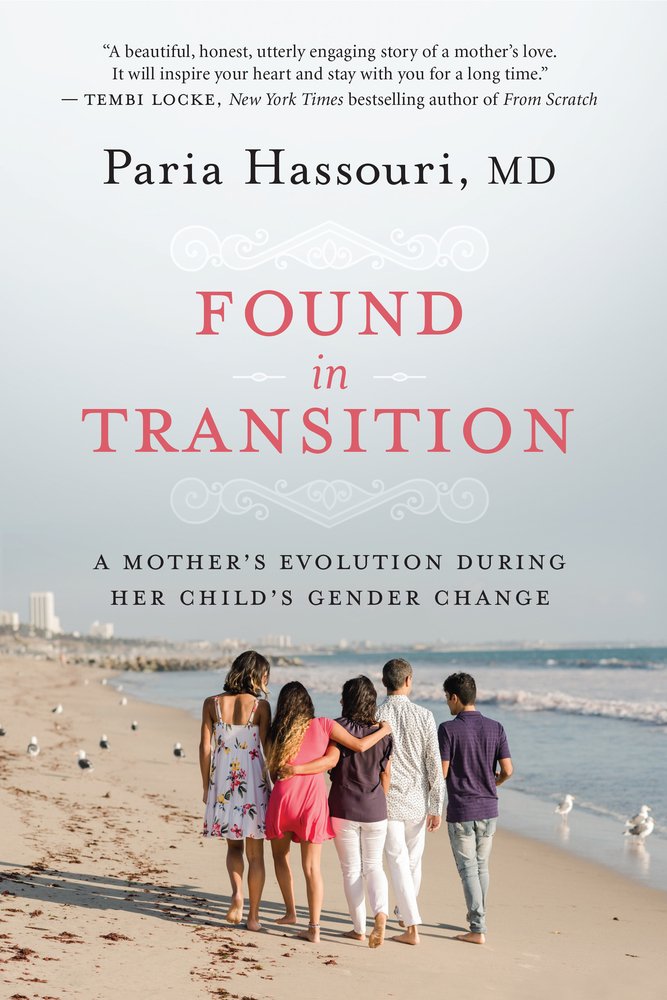
Parenting a transgender teen, Paria navigates the complexities of raising a fourteen-year-old daughter after growing up as an Iranian-American immigrant in a white neighborhood. She finds her capacity to evolve as a parent as she goes through her emotions of anger, denial, grief, and acceptance to ensure her daughter lives the life she deserves. Her exploration into her acceptance, but also her insecurities, gives readers a personal insight into the realities of raising a trans kid in a society that tries to erase their identities. Her work is filled with self-discovery, identity, and the value of rejecting conformity to give families a portrait of what it means to love one another.
Queer people deserve to have strong support systems to help them as they continue to figure out who they are and what they want. Family can be an essential part of our narratives, but it’s also important to remember that if your blood family won’t accept you, a found family will. Family takes all kinds of different shapes and sizes, but a true family will love you for who you are and the person you want to become. Hopefully, these books can give queer people and outlet to feel seen and give them the perspective they were looking for.
For more LGBTQ+ book recommendations, click here.
Looking for more book recommendations with LGBTQ+ voices? Check out our Hooray for Representation – LGBTQ Voices bookshelf on Bookshop.org.