

















American Indian authors offer far more than compelling plots — they open doors to histories, identities, and cultural traditions that have long been underrepresented in mainstream literature. Their stories preserve ancestral knowledge and community while challenging readers to confront uncomfortable truths from history that linger today. These books reclaim space in a landscape that has historically silenced Indigenous narratives and invite readers to listen, learn, and honor Indigenous storytelling.
Trigger Warning: This article discusses the legacy of violence among Indigenous peoples, including colonialism, genocide, and more, which may be triggering for some readers. Please exercise personal care when reading.
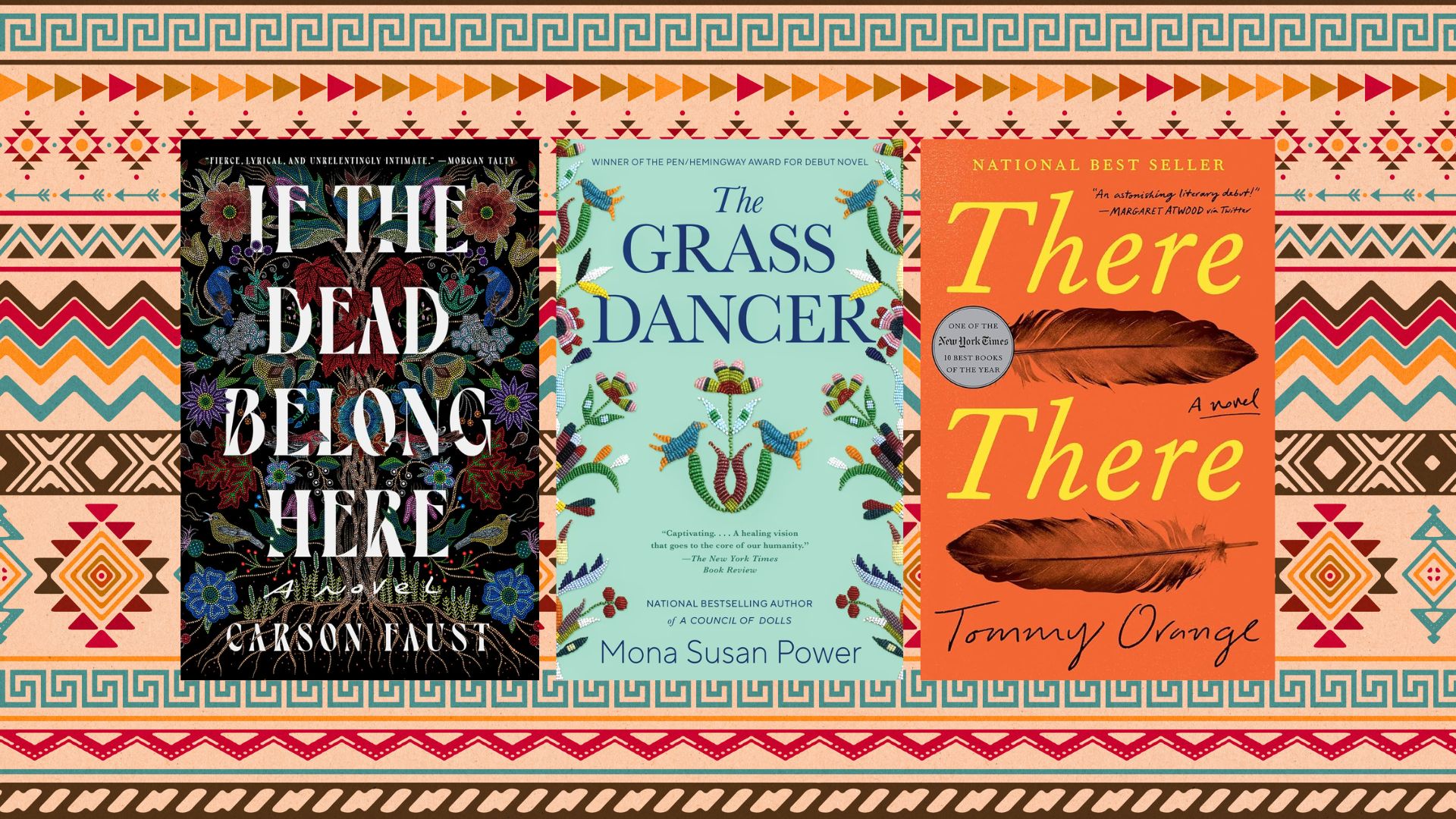
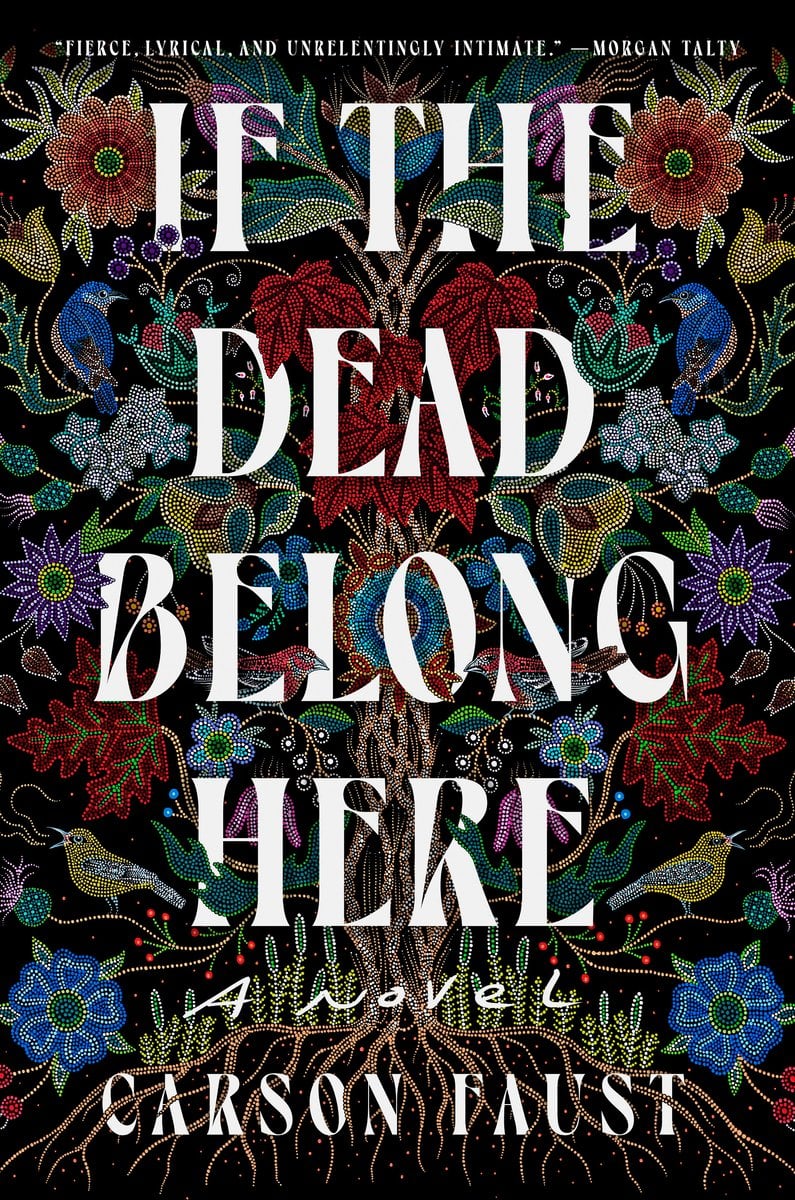
If the Dead Belong Here by Carson Faust
Six-year-old Laurel Taylor disappears without a trace, shattering her family’s already fragile state. Her older sister, Nadine, begins to experience haunting visions and nightmares, and becomes convinced that Laurel’s disappearance is tied to long-buried family secrets and ancestral trauma. Guided by elders, the family delves into Indigenous folklore, generational wounds, and the supernatural in an attempt to find Laurel and heal what has been broken. This novel weaves a multigenerational saga — exploring how the past echoes into the present and the ways in which healing may demand more than straightforward closure.
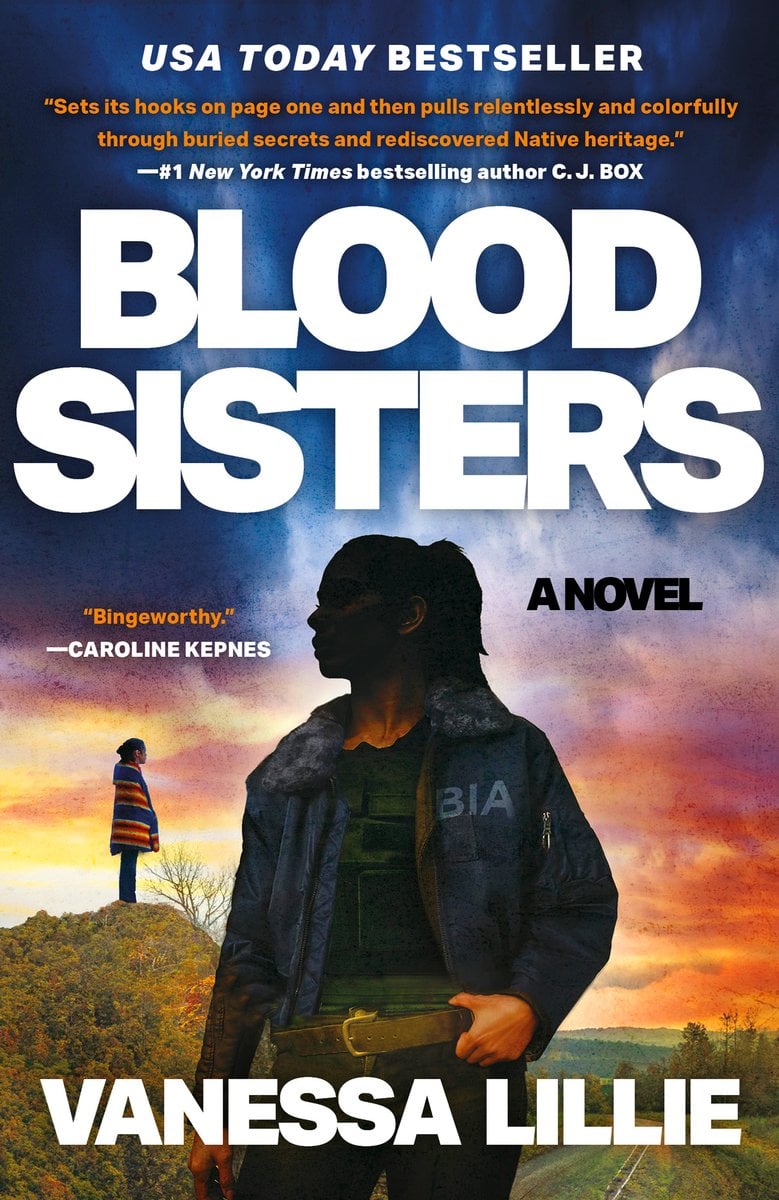
Blood Sisters by Vanessa Lillie
Syd Walker is a Cherokee archaeologist working for the Bureau of Indian Affairs in Rhode Island, forced back to her Oklahoma hometown when a skull is found on BIA land and her sister, Emma Lou, goes missing. As she investigates, she confronts a violent past she left behind — one where her best friend was killed and she narrowly escaped — and uncovers a decades-long string of disappearances of Indigenous women. Tensions emerge between land-rights issues, environmental harm, and the long-neglected crisis of missing and murdered Indigenous women.
The Grass Dancer by Mona Susan Power
Set on a Sioux reservation, this novel interweaves multiple generations of American Indian lives, showing how tradition, memory, and spirit persist in daily existence. The story opens in 1981 with a tragic car accident that sets in motion a chain of loss and healing, then moves backwards in time to reveal the roots of trauma, love, and cultural change. Rich with spiritual encounters, ghostly presences, and ancestral voices, The Grass Dancer blends the real and the sacred to show how the past impacts the living.

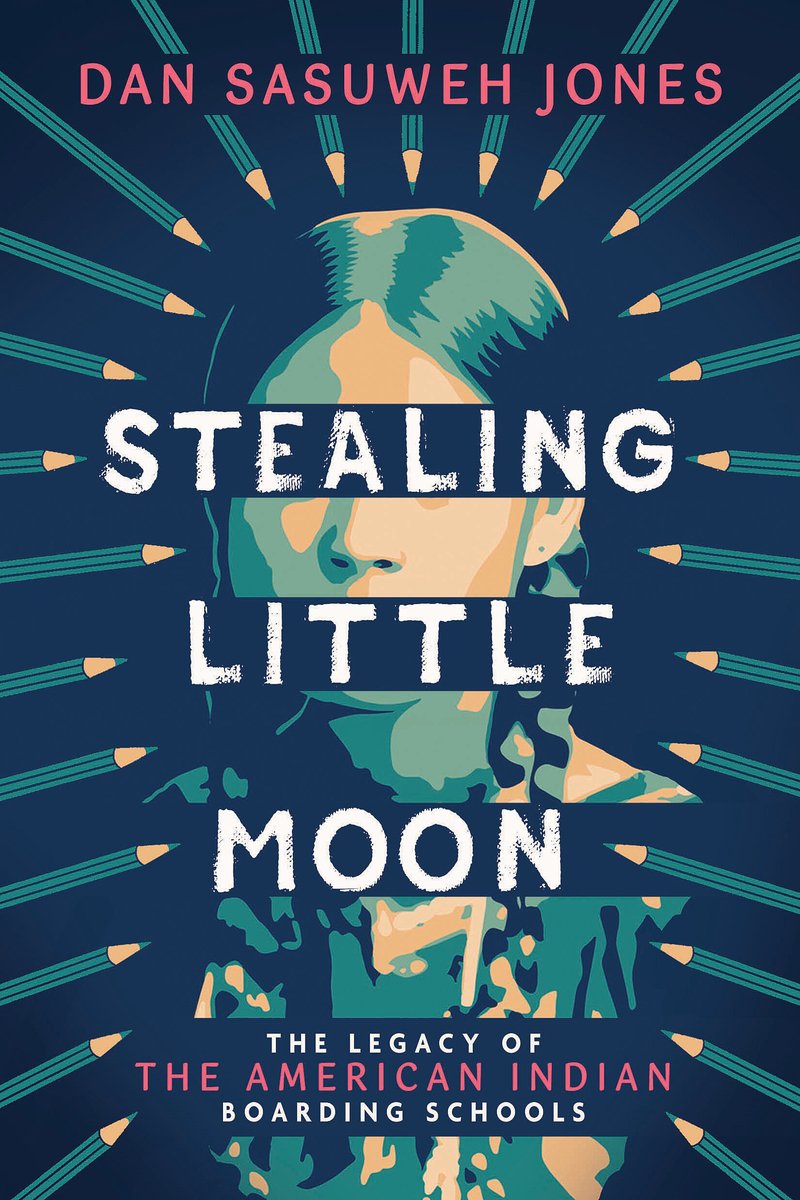
Stealing Little Moon: The Legacy of the American Indian Boarding Schools by Dan SaSuWeh Jones
In 1885, four-year-old Little Moon There Are No Stars Tonight was forcibly taken from her family by federal agents and sent to the Chilocco Indian Agricultural School in Oklahoma. Dan SaSuWeh Jones takes us through four generations of his family’s experience at Chilocco, from his grandmother Little Moon’s arrival through the decades of assimilation efforts, tying this personal history to the broader story of American Indian residential schools. Stealing Little Moon explores how Indigenous children were stripped of their language, customs, and identities, while also showing their resilience, strength, and the enduring spirit of community. The book is part family memoir and part historical reckoning, with a powerful look at how government policy attempted cultural erasure and how that legacy continues to shape lives.
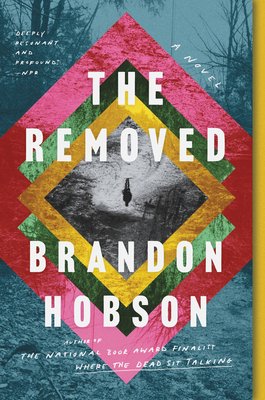
The Removed by Brandon Hobson
This literary fiction novel traces the lives of the Echota family of the Cherokee Nation, still reeling 15 years after their son Ray-Ray was killed in a police shooting. The matriarch, Maria, struggles with her husband Ernest’s advancing Alzheimer’s, while their daughter, Sonja, drifts into emotional isolation and their son, Edgar, battles addiction and alienation. As the anniversary of Ray-Ray’s death and the family’s annual bonfire converge with the Trail of Tears remembrance, ancestral and spiritual voices begin to intertwine with the living world, challenging the boundary between present grief and historical trauma.
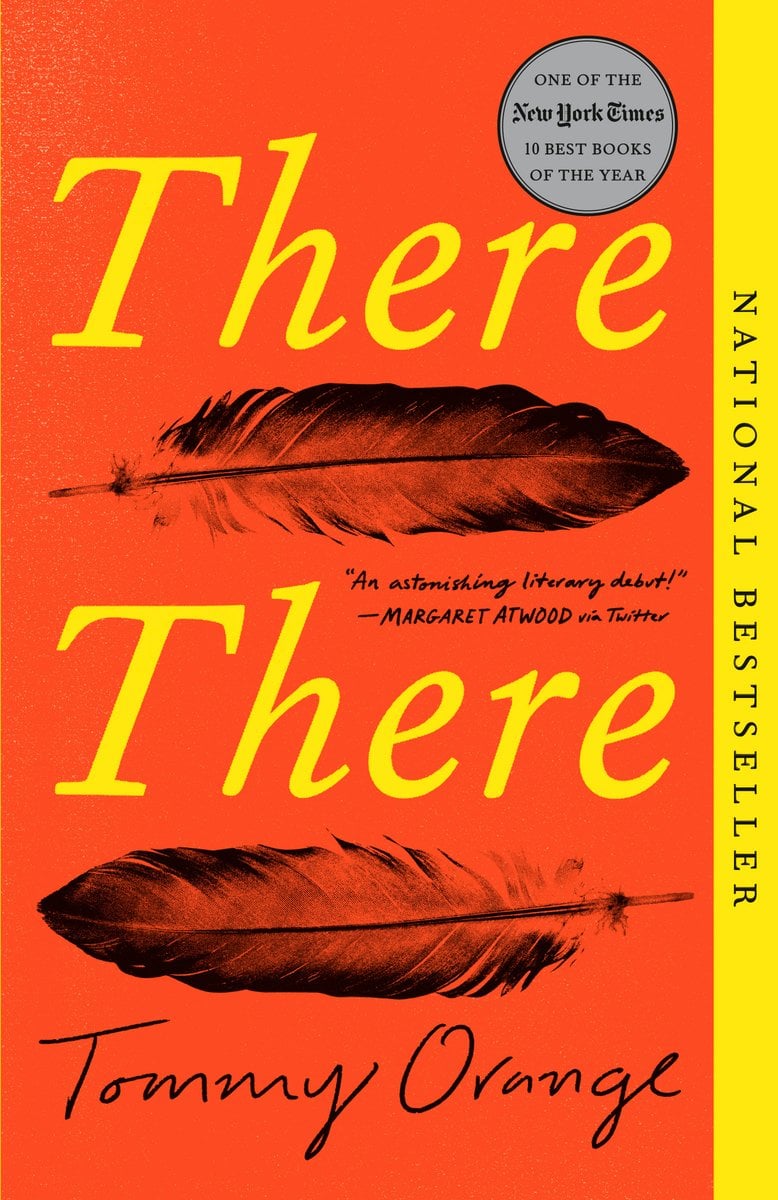
There There by Tommy Orange
Twelve American Indian characters in Oakland, California — many of them urban and disconnected from ancestral land — are converging on the “Big Oakland Powwow.” Each character’s past, family story, trauma, and hopes weave together. Fourteen-year-old Orvil Red Feather prepares to dance for the first time, while Jacquie Red Feather strives to rebuild her sobriety, and Dene Oxendene seeks to make a documentary about Native lives.
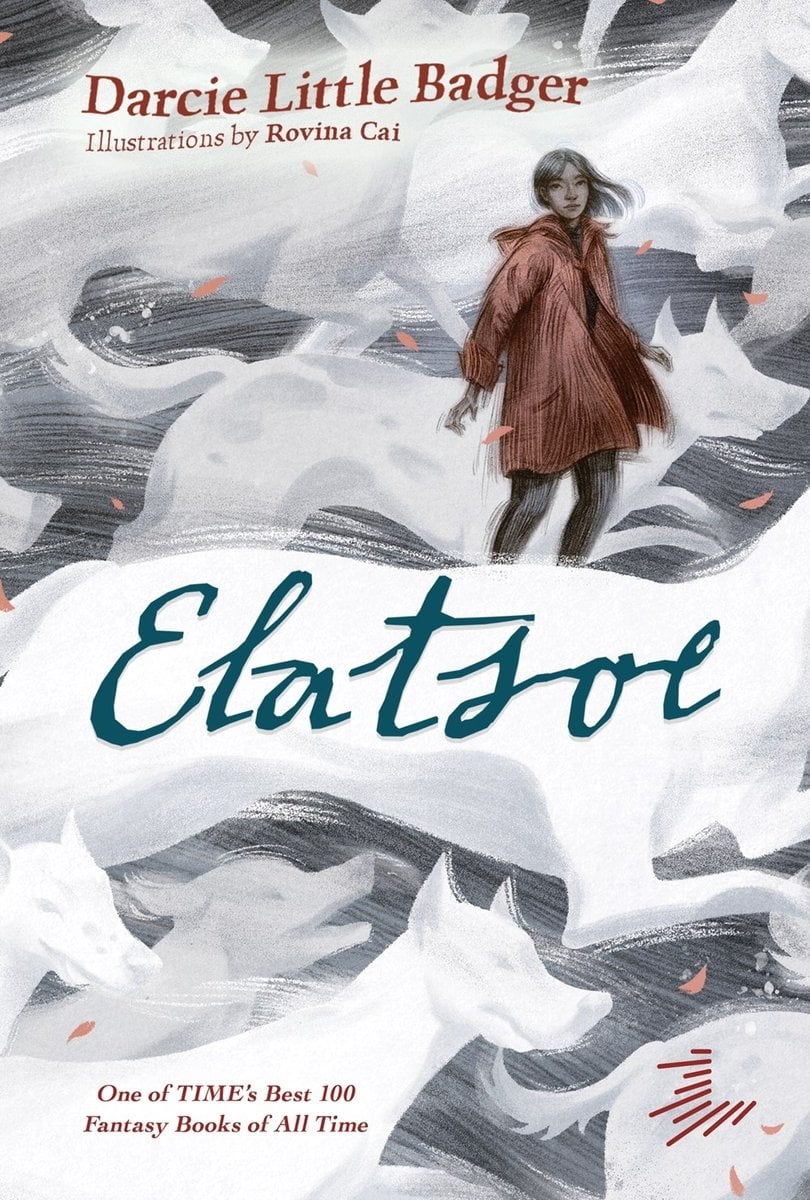
Elatsoe by Darcie Little Badger, Illustrations by Rovina Cai
Seventeen-year-old Ellie is a Lipan Apache teen in a modern-day America where magic, ghosts, and supernatural beings exist. When her beloved cousin, Trevor, dies in what appears to be an accident, his ghost visits her and reveals that he was murdered. With the help of her ghost dog, Kirby, her best friend, Jay, and the wisdom of her ancestor, Six-Great, she uncovers dark secrets in the seemingly perfect town of Willowbee, Texas. Along the way, she draws on her family’s ancestral powers of ghost-calling, confronts vampires and underworld threats, and asserts her place in her legacy.
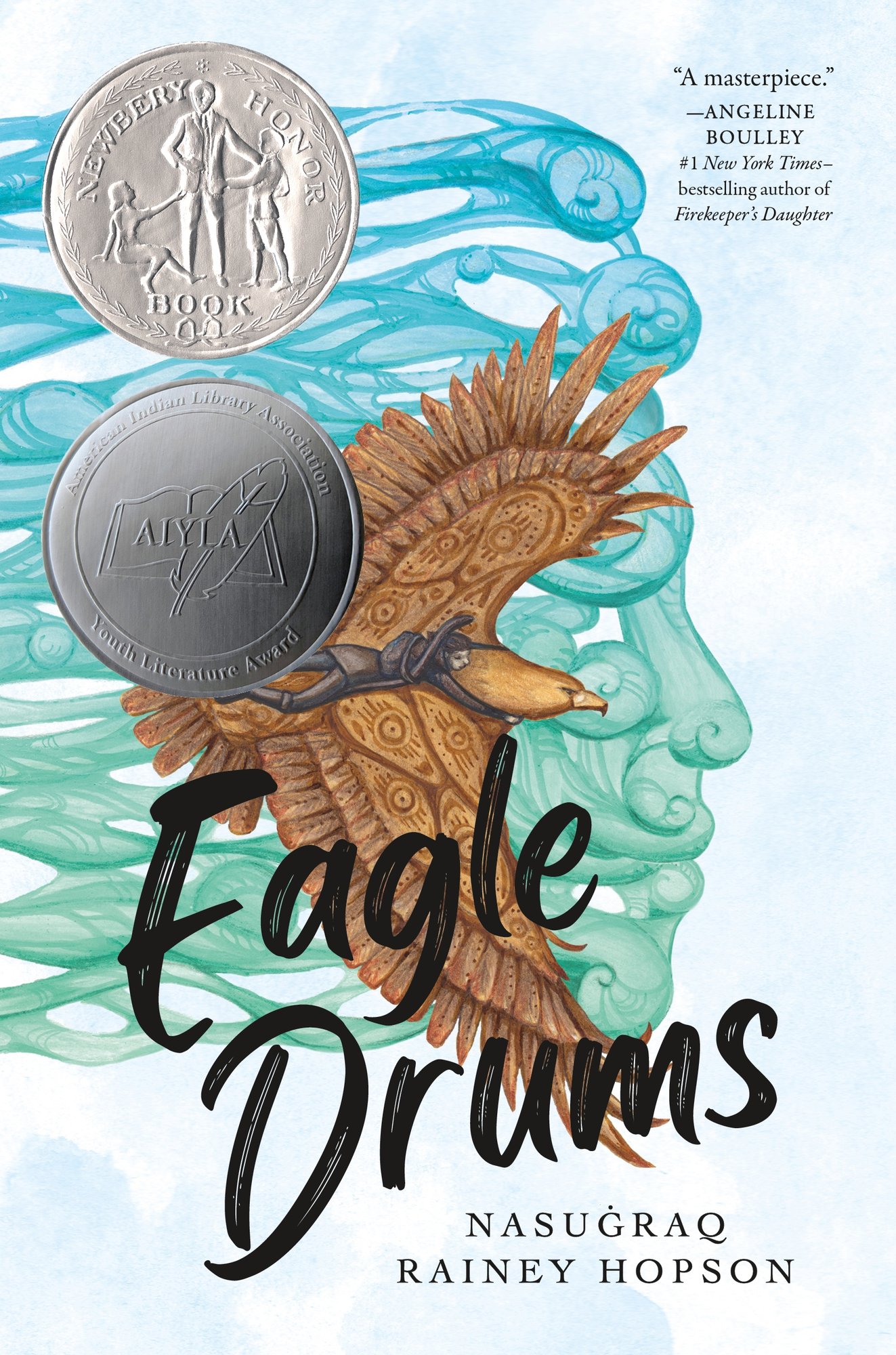
Eagle Drums by Nasugraq Rainey Hopson
Set in the Arctic among the Iñupiaq people, this story follows young hunter Piŋa, who must climb the same mountain where his two older brothers died to collect obsidian for his family. At the top, he’s confronted by the eagle god Savik, who gives him a stark choice: Either follow him or die like his brothers. What follows is a harrowing journey into the realm of the eagle gods, where Piŋa learns about music, dance, song, community, respect for nature, and his place within his people’s traditions.
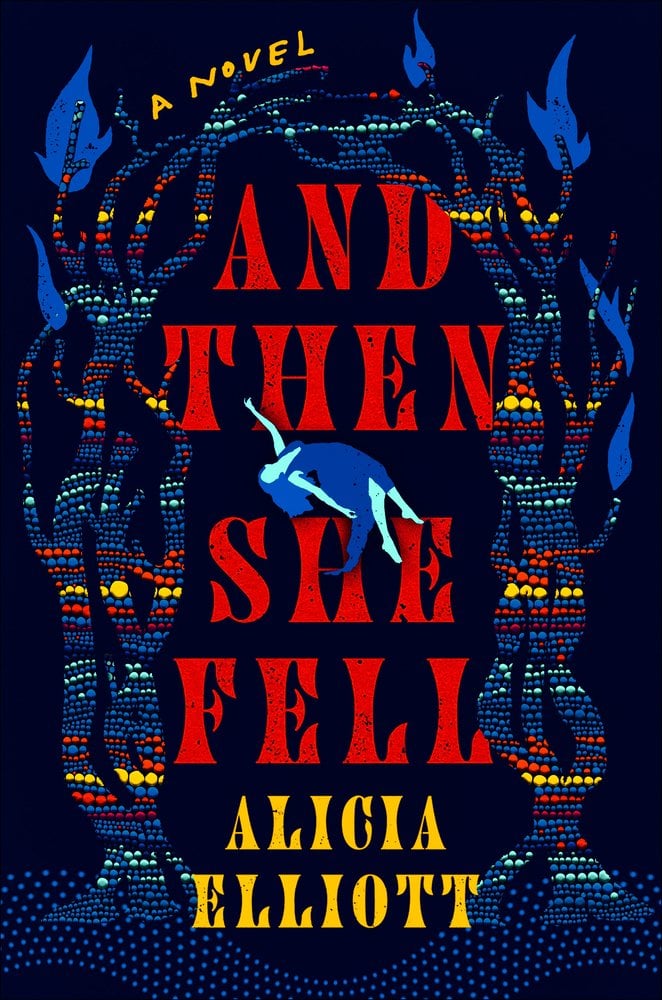
And Then She Fell by Alicia Elliott
Alice Dostator, a young Mohawk woman, has recently moved with her White academic husband, Steve, and their newborn daughter, Dawn, to a posh Toronto neighborhood. Despite outward appearances, Alice struggles with postpartum depression, grief from her mother’s recent death, and a sense of isolation as the only Indigenous resident in her community. Her attempts to reconnect with her heritage through writing a modern retelling of the Haudenosaunee creation story are hindered by self-doubt and sleep deprivation. As her mental state deteriorates, she begins experiencing strange occurrences and questioning her reality, leading her to uncover unsettling truths about her surroundings and herself.
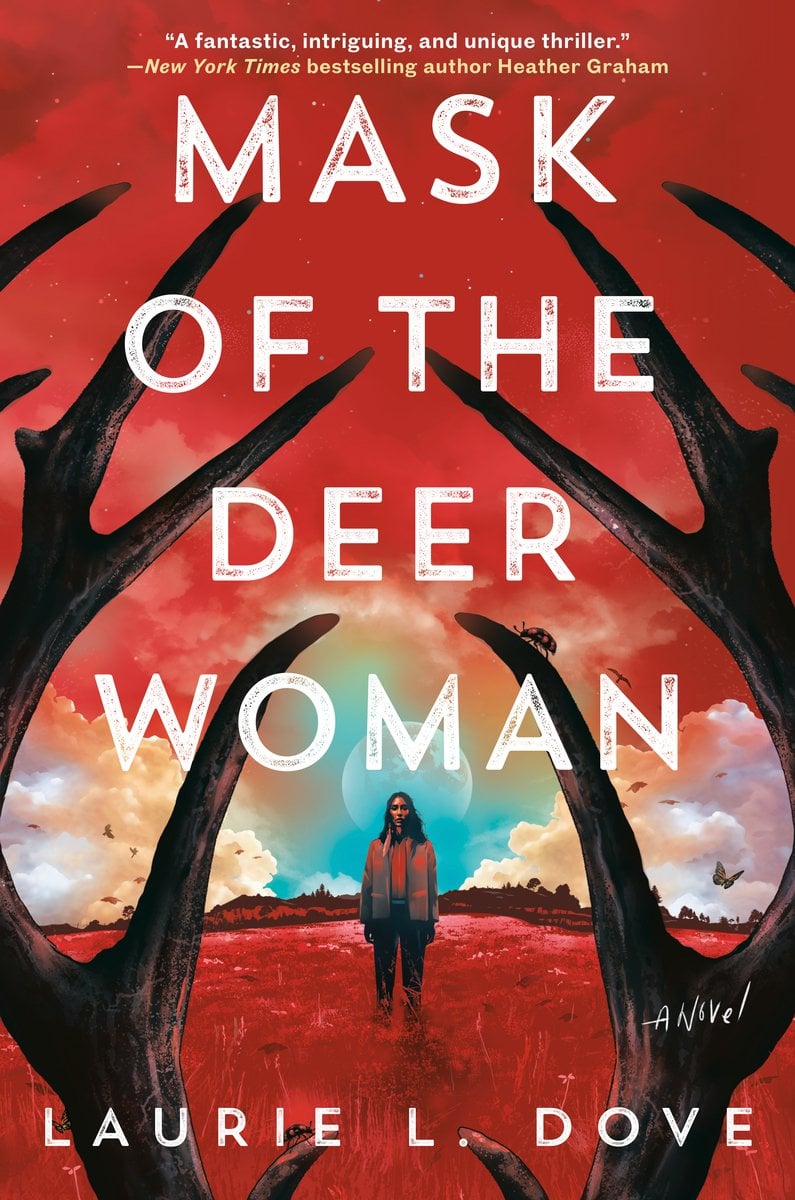
Mask of the Deer Woman by Laurie L. Dove
Carrie Starr, an ex-Chicago detective grieving the loss of her daughter, returns to her Indigenous roots and becomes the tribal marshal on her father’s reservation. When a local college student, Chenoa Cloud, goes missing, Carrie is drawn into an investigation that forces her to confront both her personal demons and the systemic issues affecting Indigenous communities. Guided by the spirit of Deer Woman — a protective figure in American Indian mythology — Carrie navigates a complex web of cultural expectations, trauma, and justice.
Exploring books by American Indian authors is not just an act of appreciation — it’s recognition and respect for voices that have often been sidelined. These works remind us that Indigenous storytelling is alive, evolving, and essential to understanding the broader history. By reading, supporting, and sharing these authors’ words, we help ensure that future generations grow up with a fuller picture of the world.
Check out our article on books that take you into American Indian mythology here.
Check out our bookshelf on Bookshop for more reading recommendations.
