


















One of the best aspects of each culture is its oral traditions. Storytelling is a huge part of culture, and it influences art, community, literature, lifestyle, and customs. The Indigenous people of Northern America have an extensive history that goes far beyond American civilization. Native American culture is deep-rooted in this land, but much of it has been forgotten.
However, we can explore and learn about Native American culture through their oral traditions. Fortunately, some legends, tales, and lores have withstood generations. Therefore, let’s get a glimpse of storytelling traditions from the Indigenous tribes of North America. Dive into the enchanting world of Native American mythology with these seven tribes!
Apache
The Apache Indigenous group resided throughout the Southwestern United States before Spanish colonization. Their domain covered east-central and southeastern Arizona, southeastern Colorado, southwestern and eastern New Mexico, western Texas, and northern Mexico. It is believed that they only reached the Southwest until 1100 CE, as they migrated from the western Canadian region.
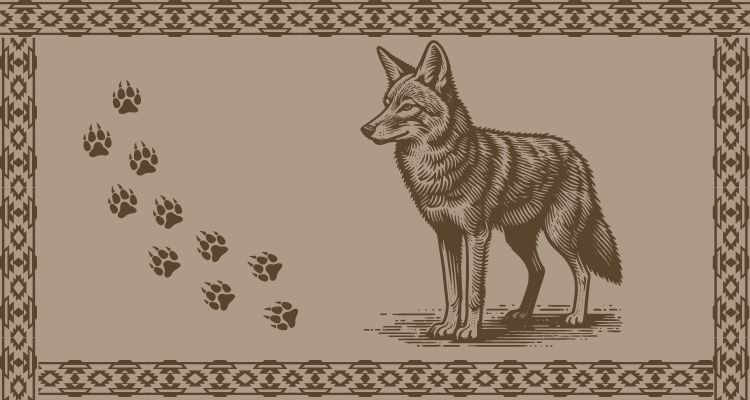
Legends and lore run deep in Apache culture. The Apache used mythology to imagine the unexplainable and teach lessons. For example, many legends feature the Coyote Figure. The Coyote Figure is a god who is a trickster. He is known for his cunning behavior and his ability to outsmart others. When he appears in legends, he represents chaos and change.
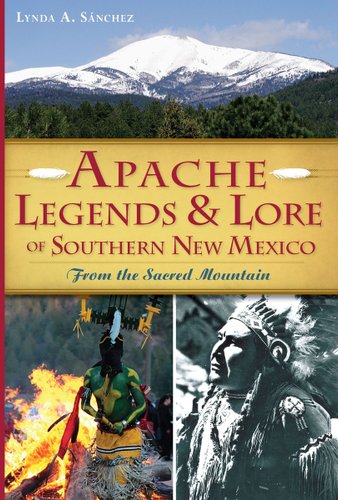
Read more about Apache mythology in Apache Legends & Lore of Southern New Mexico: From the Sacred Mountain by Lynda A. Sanchez. This book is filled with Apache stories of creation, coyotes, and historic battles. Sanchez compiled the legends from Percy Bigmouth, an oral historian. He learned these stories from his father, who witnessed the turbulent Apache Wars. Learn about the colorful tribal heritage and tradition of storytelling by diving into these pages.
Lenape
The Lenape Indigenous group inhabited regions throughout Northeastern Woodlands. The Lenape lived in present-day New York City, western Long Island, southern Hudson Valley, New Jersey, eastern Pennsylvania, and Delaware. They are also known as Lenni Lenape and the Delaware. They were named “the Delaware” by the Europeans who first came into contact with them in 1524.
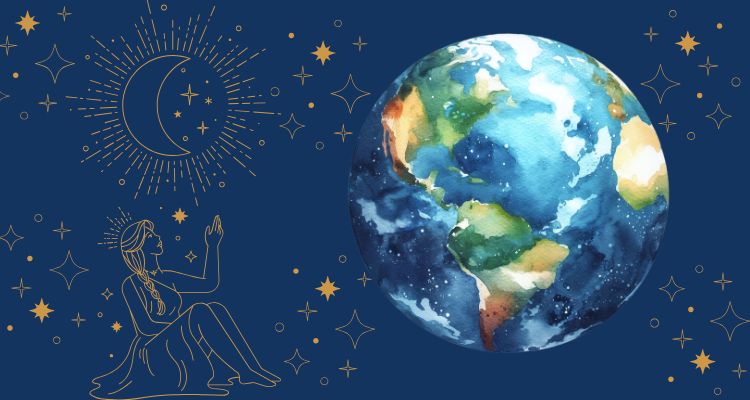
The Lenape had deep-rooted oral traditions that shaped their beliefs and culture. For example, they believed that Earth was created from a celestial realm. The legend describes a great flood that forced the Lenape to leave their home and migrate to Earth. However, the celestial realm was still inhabited by spirits and deities who controlled the weather and seasons.
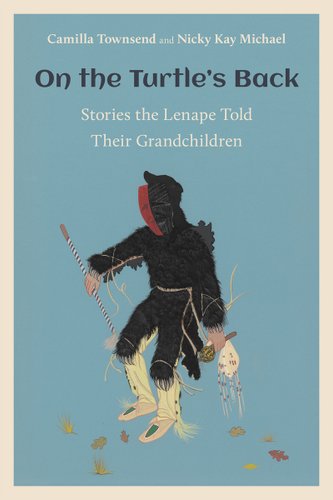
Read On the Turtle’s Back: Stories the Lenape Told Their Grandchildren by Camilla Townsend and Nicky Kay Michael to learn more about the Lenape. This book will teach you how they kept their culture alive as they journeyed westward. Since European colonization pushed them out of their ancestral homeland, storytelling became pivotal. Read these stories that were passed down for generations and dive into Lenape folklore with this book.
Inuit
The Inuit Indigenous group lives in the Arctic and subarctic regions. They reside in Greenland, Arctic Canada, northern and southwestern Alaska, and eastern Russia. The Inuit occupy the northernmost regions in the world, and their population is estimated to be over 180,000. The term “Eskimo” was once applied to the Inuit. However, Eskimo translates to ‘the eaters of raw flesh,’ and it was used with negative connotations. Therefore, it is considered offensive, and the term is no longer used to refer to the Inuit.
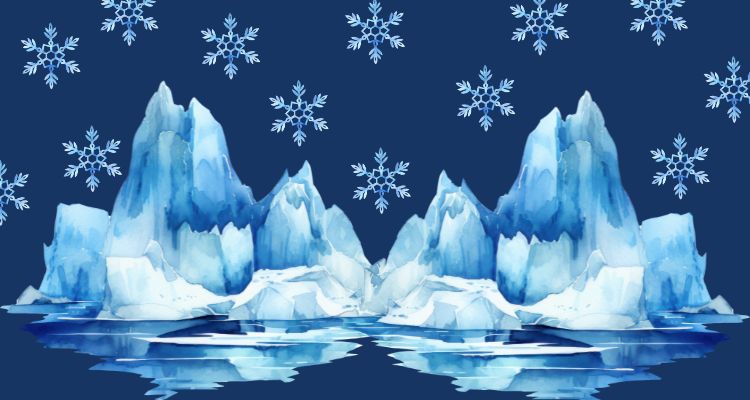
The Inuit have a vast variety of legends featuring mythical creatures that have been passed down for generations. For example, Qalupaliks are human-like creatures who live in the Arctic’s freezing waters. They have fins on their heads and limbs, hair that looks like seaweed, long claws, and webbed hands and feet. Qalupaliks hunt humans and have a preference for children.
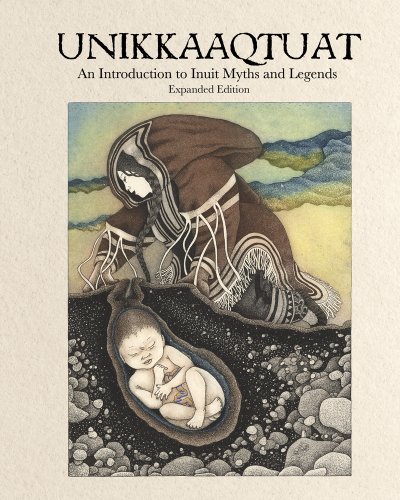
Find out more about Inuit legends in Unikkaaqtuat: An Introduction to Inuit Myths and Legends by Neil Christopher and Germaine Arnattaujuq. This book will introduce you to the historical and cultural oral traditions of the Inuit. Learn about the heritage that runs rampant throughout the Arctic!
Hopi
The Hopi Indigenous group is the westernmost group of Puebloans. They resided in present-day northeastern Arizona, on the edge of the Painted Desert. Their origin is unknown, but it is believed that Hopi descended from the Ancestral Pueblo. Despite Spanish colonization, the Hopi tribe persisted into the early 21st century.
Hopi culture is full of oral traditions, but each legend is different due to the various tribes. One legend that changes among regions is the story of creation. It is said that the Earth was created by the sun spirit who walked over an endless space. The Hopi worshiped the sun spirit, and women sought blessings from the spirit when giving birth.
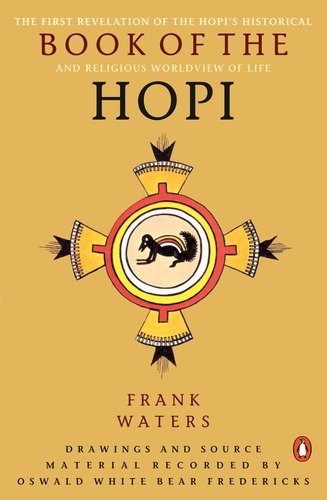
Discover the mysteries of Hopi mythology by reading The Book of the Hopi by Frank Waters. This book is the first written account of Hopi culture. They kept their traditions a secret for countless centuries, and anthropologists have struggled to understand them. However, this book is a collection of stories originating from thirty elders of the ancient Hopi tribe. You’ll learn about myths, legends, religious rituals, and ceremonies. Frank Waters has delivered the Hopi traditions that represent the rhythm of life.
Navajo
The Navajo Indigenous group is the second most populous group of Native Americans in the United States. The Navajo population is estimated to be 300,000. Their origins lie in migration from southwest Canada to the southwestern United States between 1100 and 1500 CE. They inhabited New Mexico, Arizona, and Utah.
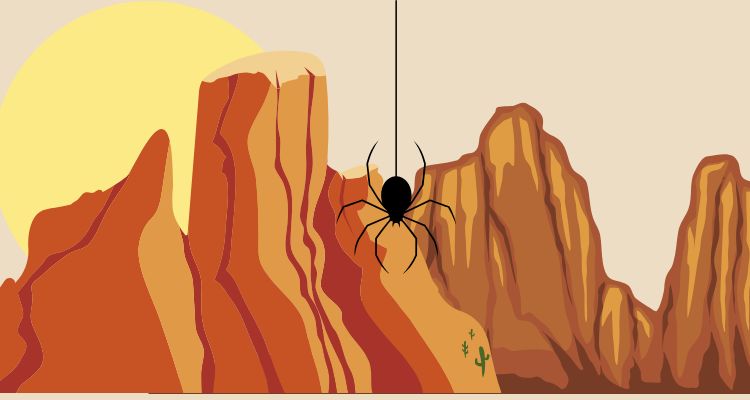
Navajo mythology is deep-rooted in their culture, as their beliefs are built upon tales and legends. One popular legend in Navajo mythology featured a woman who is half spider. It is believed that she possessed supernatural powers and protected the Navajo from giant monsters. This legend connects to the Spider Rock located in Arizona’s Canyon de Chelly National Park.
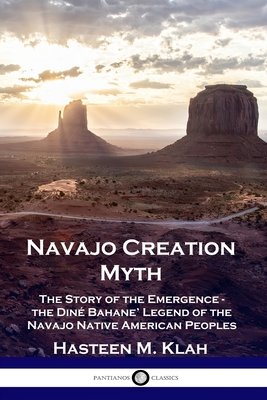
Read more tales from the Navajo in Navajo Creation Myth: The Story of the Emergence – the Dine Bahane Legend of the Navajo Native American Peoples by Hasteen M. Klah. This book focuses on the Navajo beliefs of planet Earth’s creation. Not only does this book feature the story of creation, but it also highlights Navajo songs, supernatural creatures, and the connection between nature and culture. Read this book to discover Navajo culture and the legends that influence it.
Yakama
The Yakama Indigenous group inhabits regions along the Columbia, Yakima, and Wenatchee rivers in the northwestern region of the United States. The Yakama reside in south-central Washington state. They were primarily salmon fishers before colonization. However, their involvement in fisheries and wildlife management continued in the early 21st century. There was an estimate of 11,000 individuals of Yakama ancestry in the early 21st century.
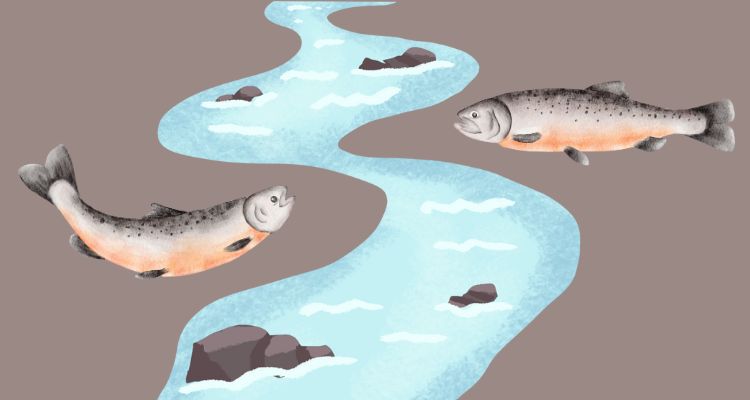
The Yakama have plenty of legends that are intertwined with nature. For example, the story of how salmon originated. They believed that The Creator planted salmon upon the rivers just for the Yakama. When The Creator did this, He also gave them sacred rules that must be followed. A salmon should never be placed on the ground with its head facing the water, and they must only take salmon when required.
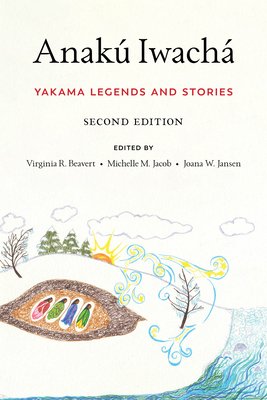
Check out more Yakama mythology in Anakú Iwachá: Yakama Legends and Stories by Virginia R. Beavert, Michelle M. Jacob, and Joana W. Jansen. This book features the stories that Yakama Tribal Elders shared to teach lessons, values, and customs to the younger Yakama generations. Learn about the world through the wise Yakama ancestors’ eyes!
Omaha
The Omaha Indigenous group did not reside in one specific place and were constantly on the move due to European colonization. Omaha originated from present-day Virginia, North Carolina, and South Carolina. However, they were forced to migrate westward and leave the Atlantic coast. At one point, they inhabited Missouri, Minnesota, South Dakota, Nebraska, and Oklahoma as they continued their journey westward.
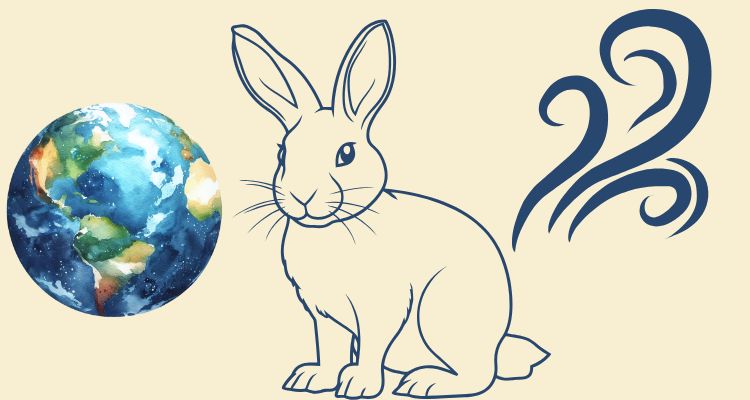
As the Omaha traveled throughout the land, storytelling became extremely valuable to them as they did not have to carry it on their backs. Therefore, they have an abundance of fascinating legends, such as the Little Hare. The Little Hare is a trickster and hero featured in many tales. Some believe that he was created by the Great Spirit to teach humankind the lessons they needed to survive. In other legends, the Little Hare was the grandson of the Earth and the son of the West Wind.
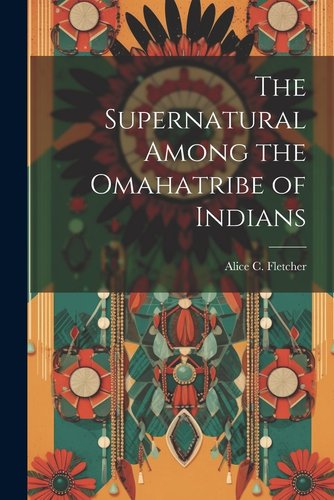
To read more Omaha storytelling traditions, check out The Supernatural Among the Omaha Tribe of Indians by Fletcher Alice Cunningham. This book gives you a glimpse into the Omaha tribe through their supernatural legends and beliefs. Learn more about them by diving into their social and cultural practices.
Now that you have these seven books make sure to continue your journey into Native American mythology. An entire world of captivating legends is waiting for you to discover them! Open the cover of one of these enticing books to take a deeper dive into the cultures of these seven Indigenous tribes!
Check out more Native American stories here.
Find these books and more books on Bookshop.org.
