

















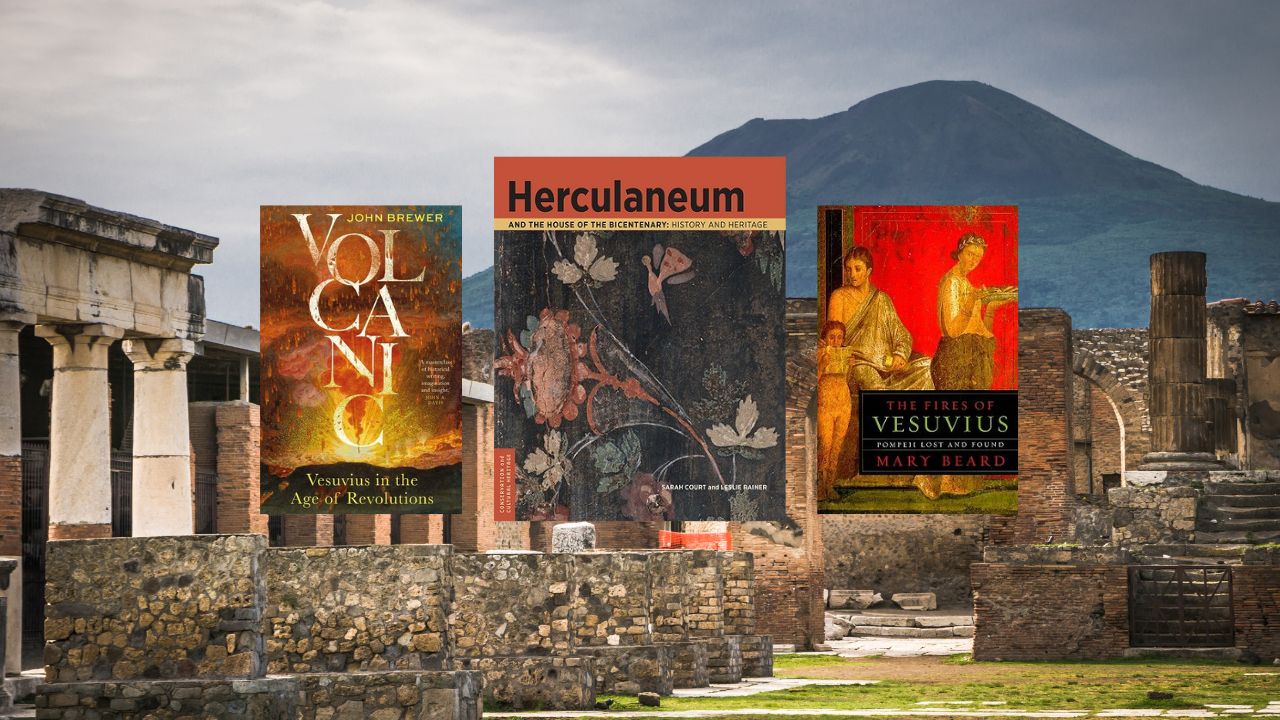
While AI is viewed as a threat to many in the writing and creative communities, the capabilities of the software are hard to ignore. This was recently demonstrated by a group of college students as they used the technology to uncover text from a damaged Herculaneum manuscript.
The Town of Herculaneum
Named for the Greek god, Hercules, Herculaneum is one of the lesser-known sister cities in the shadow of Mt. Vesuvius. Before the infamous 79 AD eruption, Herculaneum supported a population of 5,000 people and was a popular tourist spot for wealthy Romans due to its coastal location, clean air, and mild climate. It’s even believed that Julius Ceaser’s father-in-law owned a villa in the area.
Mount Vesuvius Erupts
On the afternoon of August 24th, 79 AD, Mount Vesuvius violently erupted, destroying the towns of Pompeii and Herculaneum. For the next 12 hours, ash and pumice rained down on the inhabitants before being overtaken by three large pyroclastic flows, burying the cities even more.
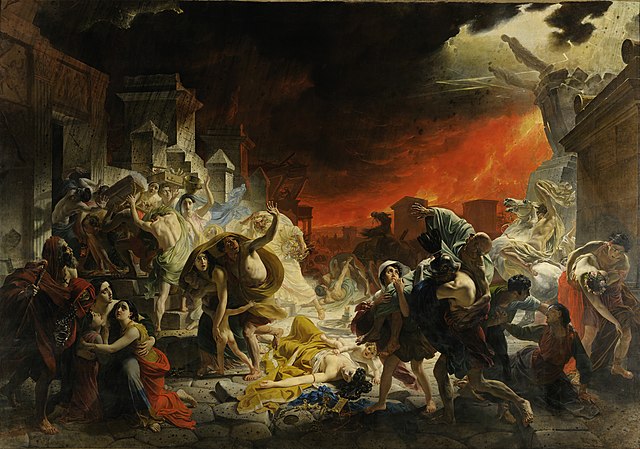
Herculaneum survived the intensity of the first few hours of eruption due to a westerly wind, but a fast-moving pyroclastic flow, estimated to have a temperature of 400 degrees, engulfed the city and asphyxiated all who remained. Combined, the town was buried under 82 feet (25 meters) of ash and mud.
While the deaths associated with the eruption were brutal, the bodies found at Pompeii presented modern audiences with a morbidly fascinating sight of the preserved outlines of the victims. However, due to the thick layer of rock preserving Herculaneum, the site has been harder to excavate. Instead, scholars have mostly been left with charred remains of Herculaneum scrolls, pottery, and mosaics, which were hard to decipher and translate.
The Challenge
In 2015, Dr. Brent Seales and his team at the University of Kentucky shared digital images of three papyrus fragments and two rolled-up scrolls that were discovered in Italy. Attempts to open the scrolls had led to further destruction, which meant an alternative method was needed. Thus, the Vesuvius Challenge was launched. The challenge offered a $700,000 grand prize to anyone who could decipher four passages of text.
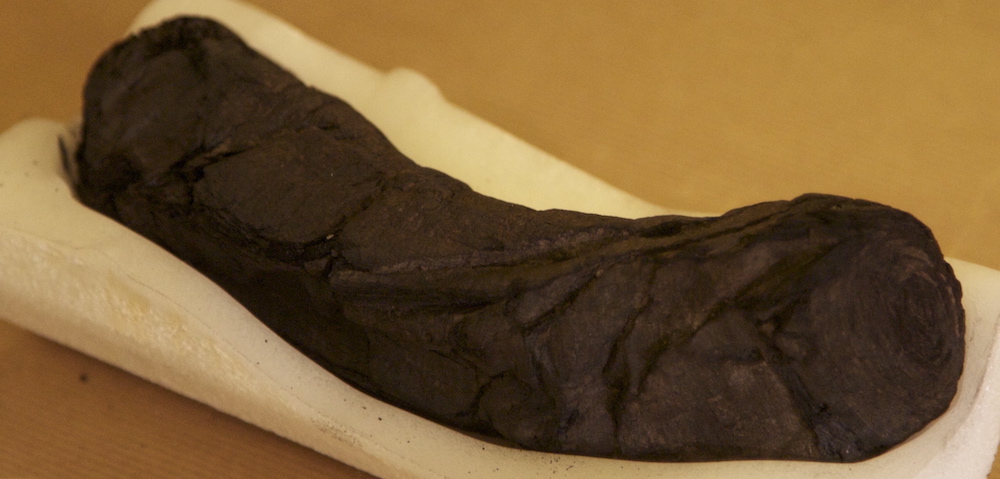
Just last week, it was announced that there were three winners. Students Luke Farritor from the U.S., Youssef Nadar from Egypt, and Julian Schilliger from Switzerland, managed to use AI to decipher 15 partial columns of text contained in one of the 2,000-year-old scrolls. The author of the scroll, possibly Epicurean philosopher Philodemus, wrote about music, food, life, and an unnamed adversary at whom he potentially tosses some shade.
The destruction of much of Herculaenum’s culture, as well as understanding the lives of the people who lived there, can be even harder to uncover (and we certainly want to know who Philodemus had it out for). So, keep reading three non-fiction books that help to provide a rounded view of Herculaneum, Pompeii, and Vesuvius.
Book Recommendations
Herculaneum and the House of the Bicentenary: History and Heritage by Leslie Rainer and Sarah Court
Published in 2020, this book provides one of the most updated views of Herculaneum’s pre-eruption history.
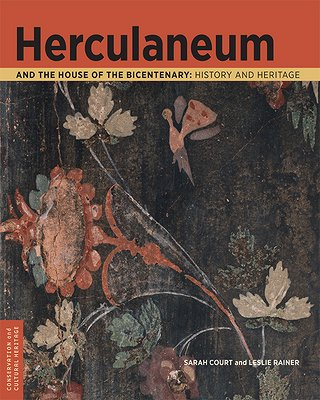
Rainer and Court give readers a vivid portrayal of life in Herculaneum. The novel’s opening chapters recount the town during antiquity, its rediscovery in the eighteenth century, and subsequent excavations. The remaining chapters provide a “tour” of the town, with a focus on the House of the Bicentenary, a grand and private residence that illuminates daily life in the ancient world.
The Fires of Vesuvius: Pompeii Lost and Found by Mary Beard
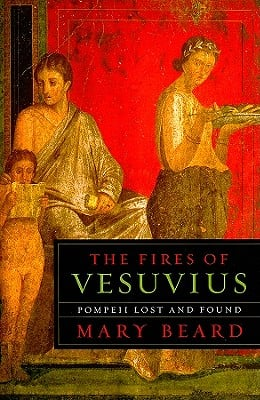
The history of Pompeii is intriguing, violent, and scattered. Author Mary Beard takes the pieces of information that are available and reassembles them into a cohesive narrative. She explores what Pompeii and Roman life itself was like, everything from food to sex in the town, to create a larger picture of Pompeii than its meager remains reveal.
Volcanic: Vesuvius in the Age of Revolutions by John Brewer
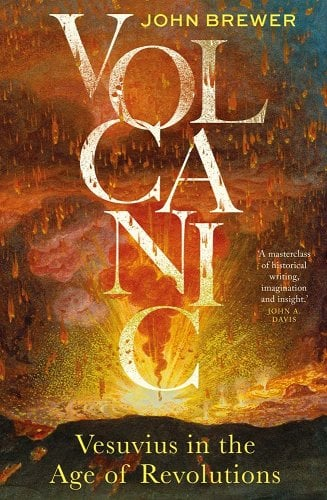
Brewer takes readers through the continual evolution of life around Vesuvius, with a particular focus on the Bay of Naples during the Romantic period. Brewer reveals how Vesuvius came to be the focal point of emotions, aspirations, and inquiry for the Romantic culture. From Swiss mercenaries to Scottish doctors, Vesuvius bubbled not only with lava but with the people whose passions, interests, and aims were as disparate as their origins.
Click here for more bookish news.
Click here to explore our Nonfiction shelf on Bookshop!
