












In this latest edition of Trivia, Bookstr is diving deep into Slavic Lore with Baba Yaga! Baba Yaga (BAH-BAH yah-GAH) is a mysterious anomaly in Slavic mythology. She is both a motherly figure in nature and a wicked villain who tricks and eats children. Baba Yaga cannot be pigeonholed into a strictly good or evil creature, which has made her the fascinating subject of numerous tales. Although Baba Yaga lore originated in Slavic regions, her legacy knows no bounds. Her influence can be found in modern literature, movies, and more.
Slavic Origins of Baba Yaga
Baba Yaga folklore origins can be traced back to Russia and neighboring Eastern Slavic regions. The earliest recorded mention of her was in 1755, as part of a discourse on Slavic folk figures in Mikhail V. Lomonosov’s book Russian Grammar. She is mentioned twice and is listed as one of the Slavic gods. However, her legacy may go back even further. Some 18th-century artists, like Russian writer Mikhail Chulkov, believed Baba Yaga may be the Slavic equivalent of Persephone, the Greek goddess of spring and the underworld. Like Persophone, Baba Yaga’s domain is cyclical. Both entities foreshadow beginnings and endings such as winter and spring or birth and death.
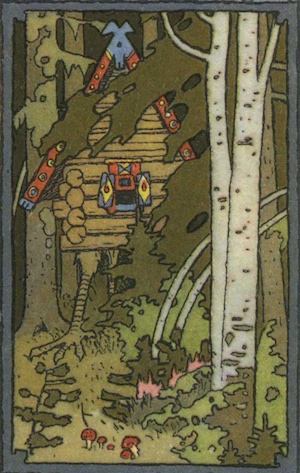
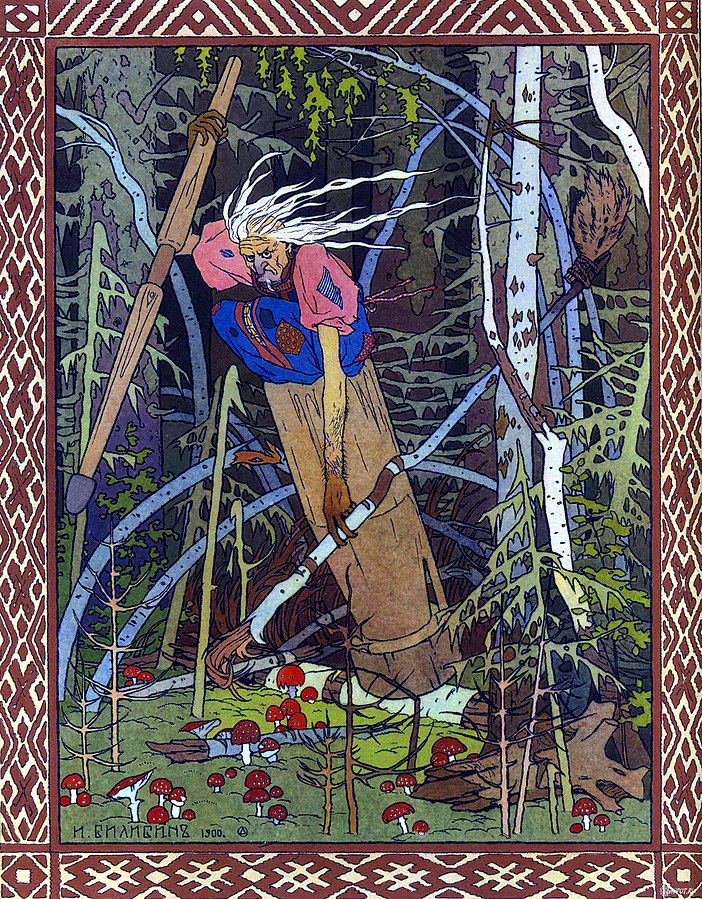
It is said that Baba Yaga lives in a chicken hut in the middle of the woods, thus earning her the moniker Witch of the Woods. This hut rotates, roams, and wills the front door away from visitors. That is, unless they speak the chant, “Little house, little house, turn your back to the forest, and turn your front to me” (or some variation thereof.) Baba Yaga’s choice of home echoes her connection to untamed, primal nature.
Inside her chicken hut is another essential facet to her identity: the stove. In some folklore, Baba Yaga kidnaps and eats children. In these renditions, her stove acts as a plot device in the narrative. Some children outsmart Baba Yaga and trap her in the stove, burning her alive, while others unfortunately succumb to the flames. The story of Baba Yaga, the Girl, and the Hedgehog is one such rendition. On her way to purchase turnips for her family, a little girl falls into Baba Yaga’s trap with a hedgehog. The two innocents must work together to fight for their freedom before Baba Yaga eats the little girl.
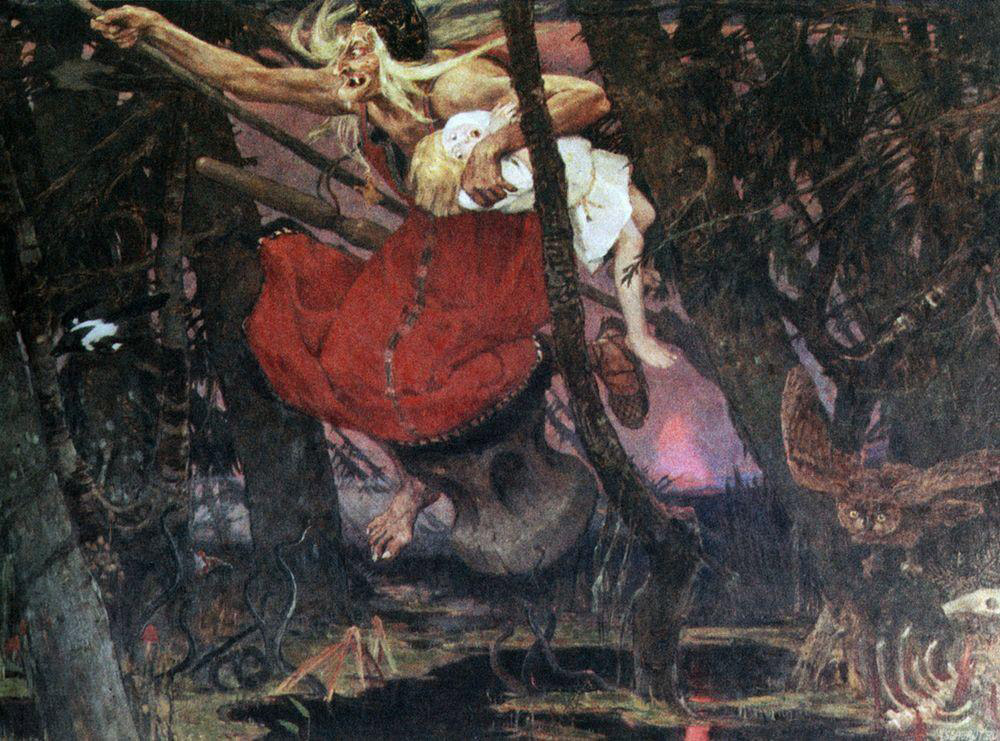
If Baba Yaga has a strange house, she has an even stranger mode of transportation. Instead of a traditional broomstick, Baba Yaga rides in the sky, sitting in a mortar and pestle. This choice, again, further connects Baba Yaga to nature because a mortar and pestle is often used to grind, mix, and mash ingredients, many of which were foraged from the woods. This intimate knowledge of how to combine the elements of nature also alludes to Baba Yaga’s connection to alchemy in its infancy. Alchemy’s origins are likely from ancient Egypt and Arabia, and the purpose of practicing was to manipulate elements of nature. This could be done by reducing substances to their base materials (gold, for example), or transforming the ingredients to create a potion or prompt the union of body and soul. Needless to say, the characteristics of Baba Yaga’s and alchemy’s origins are intimately connected.
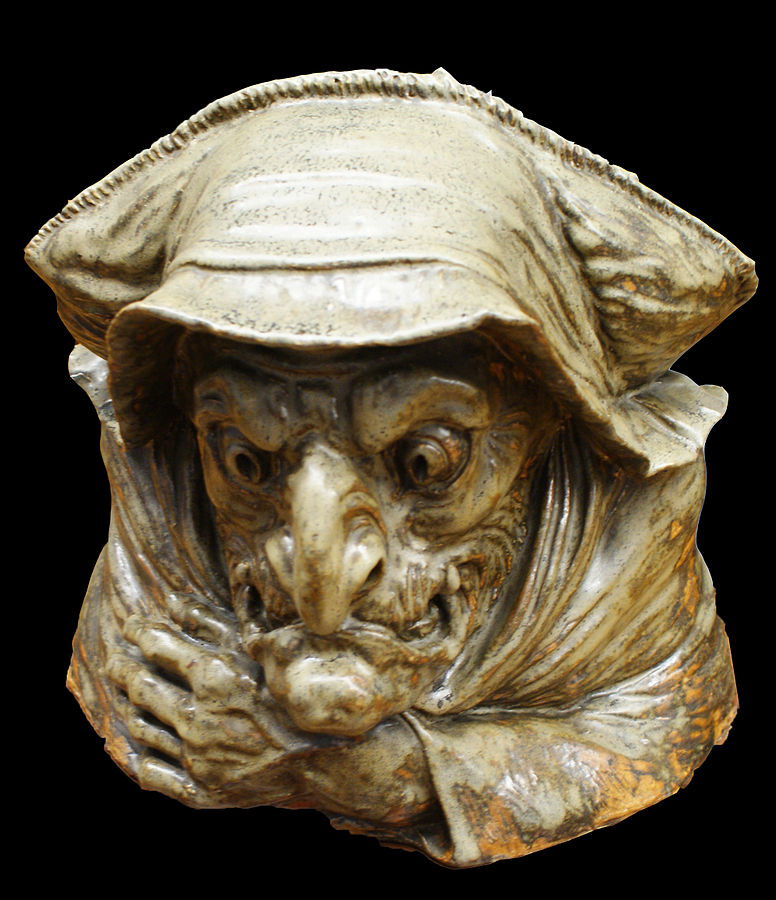
In all of her appearances, Baba Yaga is powerful yet often nurturing or a trickster, which gives us the rough nickname of “evil” or “wicked grandmother.” In some tales, she is the temptress or trickster in the protagonist’s quest, which makes the more literal translation to “grandmother snake” or “old woman snake,” further connecting her to the wicked side of nature. As if we need more evidence, Baba Yaga is also said to have iron teeth (yes, SJM fans, this matters!) that can chew through bones, a nose so long it touches the ceiling when she looks up, and long and lanky limbs that possibly resemble bones. The imagery of her bony frame conjures yet another epithet for Baba Yaga: “The Bony One.”
Popular Themes in Fairy Tales
Vasilisa
Most often, Baba Yaga’s purpose is to force the protagonist’s development and further the plot. Vasilisa the Beautiful is considered the Baba Yaga legend. Maybe not the first fairytale, including Baba Yaga, but the first one to feature her so prominently. One version of the tale, as told by Alexander Nikolayevich Afanasyev, has elements of traditional Cinderella tales but is so much more. The fairy tale gives a backstory concerning Vasilisa’s absent father, her magic doll gifted by her mother, and her wicked stepmother and stepsisters who make her do all the chores. One day, Vasilisa’s stepmother sends her to Baba Yaga on an errand, and when she arrives, Baba Yaga tasks her with more chores before granting her request. Fortunately, Vasilisa has her magic doll to help complete most of her work, including sorting millet seed by seed (sound familiar, SJM fans?). Once Vasilisa has accomplished her tasks, she learns a new skill that earns her a successful, happy marriage upon her return home.
In another version, more often referred to as Vasilisa the Brave, Baba Yaga plans to honor Vasilisa’s request for fire to bring back to her cruel family. However, the manner in which she is given fire is not specified, and Baba Yaga decides she is going to roast Vasilisa over the fire. In this version, Vasilisa tricks Baba Yaga, brings the fire back to her home, and burns her evil stepfamily. Of course, one of the chores before the roasting plot involves sewing, leading to a royal marriage and a happily ever after for Vasilisa.
Hansel and Gretel
This may ring a bell, for there’s another tale to tell… about Baba Yaga cooking children: none other than Hansel and Gretel. This fairy tale, made famous by the Brothers Grimm, follows a pair of siblings either sent into the woods or banished from their homes. While the details vary, ultimately, the wayward children stumble upon a wicked witch’s cottage and are to become her dinner. That is, until one child tricks the witch, pushing her into the fire (stove) and freeing the other.
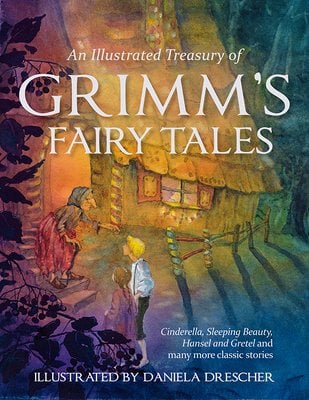
The tale does not specify a name for the elderly woman, but given her choice of residence, kitchen appliances, and dinner, there is a fair chance these two cannibals could be connected. Hansel and Gretel’s adventure takes them through a coming-of-age saga. They leave home, learn to be a little more self-sufficient, and re-enter the world with more experience, thanks to their encounter with the wicked woman in the woods. This journey into adulthood is reminiscent of Vasilisa’s and Cinderella’s journeys to maturity, reinforcing Baba Yaga’s association with self-discovery and growth.
Baba Yaga Then: A Lesson in Domesticity
At the dawn of the 17th century, perhaps earlier, Baba Yaga’s stories contained maturity themes (COA and marriage) that focused on the transitory period of the protagonist’s life. The MC, usually a young girl, enters the woods as one person and emerges as another if successful. Women were expected to blindly obey their father/husband due to the patriarchal social structures of the time. In both Vasilisa tales, Baba Yaga puts Vasilisa to work completing domestic chores such as sweeping or cooking. The ages of these heroes and heroines aren’t specified, but their youth and inexperience become evident in how they begin their wanderings into the woods.
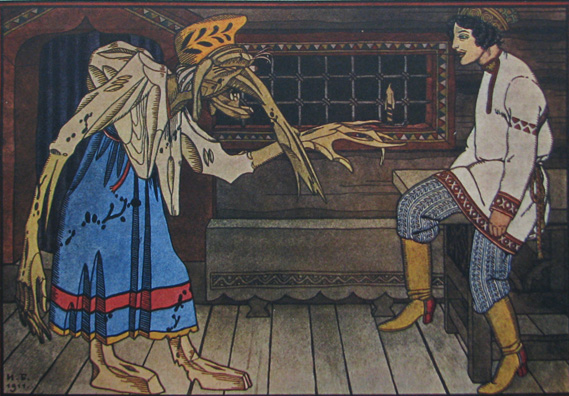
In the fairy tale spirit of innocence versus experience, Baba Yaga becomes a gatekeeper between the known and unknown as a harbinger of transformation. For most women of the time, this would include puberty and marriage, but this idea of change can be extended to male MCs like Hansel, who also change after his encounter with the witch in the woods. The cruelty of Baba Yaga’s preposterous tasks juxtaposed with the hope these young children have for the future mimics the discomfort of change as they mature. Growing up is utterly terrifying. Changes that may not be easily explained happen, and getting used to a metamorphosed body is uncomfortable before it alters yet again. Her difficult tasks are elements of raw nature, demonstrating the potential for beauty and destruction. Baba Yaga can provide or destroy, which, again, ties her to the duality that exists in humanity.
What Baba Yaga Represents Today
In recent decades, the “witch” has gained popularity in the media and has become a feminist icon. Baba Yaga, similarly, has also gained notoriety from this cultural shift: from (potentially) oppressive traditional roles to female independence and autonomy. She lives alone in the woods and is entirely self-reliant. She is isolated yet capable. Baba Yaga needs no one. This is something to be both feared and respected, especially in the earlier days of humanity when everyone benefitted from participating in a community. Even her home cannot be confined to a single location, again emphasizing Baba Yaga’s disconnection from civilization and desire for true freedom.
“She’s a reminder that freedom lies a little beyond the border of social norms, and that we can learn as much from the dark as the light”
Lindy Ryan, Black Spot Books founder
Through this feminist lens, it is possible that stories like Vasilisa the Beautiful include these challenges to prepare women for marriage. Baba Yaga’s tasks can often be connected to domestic competence, such as cooking or housekeeping. Back in the 16th century, marriages were not necessarily love matches; so, by completing these domestic tasks, Vasilisa shows off her wifely potential. This would help her family secure alliances and extend family networks and, therefore, resources. Recall in “Vasilisa the Beautiful,” it is her sewing skills, learned from Baba Yaga herself, that win her successful royal marriage.
Books Featuring Baba Yaga Lore
While Baba Yaga’s legacy influences many stories, the following books prominently feature Baba Yaga as a significant character.
Thistlefoot by GennaRose Nethercott
The Yaga siblings, Bellatine and Isaac, have been estranged since childhood, separated by America’s vast landscape and resentment amongst one other. But when they learn they are to receive an inheritance, the siblings agree to meet, only to discover that their bequest is a sentient house set upon chicken legs. Thistlefoot, as the house is called, has arrived from the Yaga siblings’ ancestral home outside Kyiv and did not arrive alone.
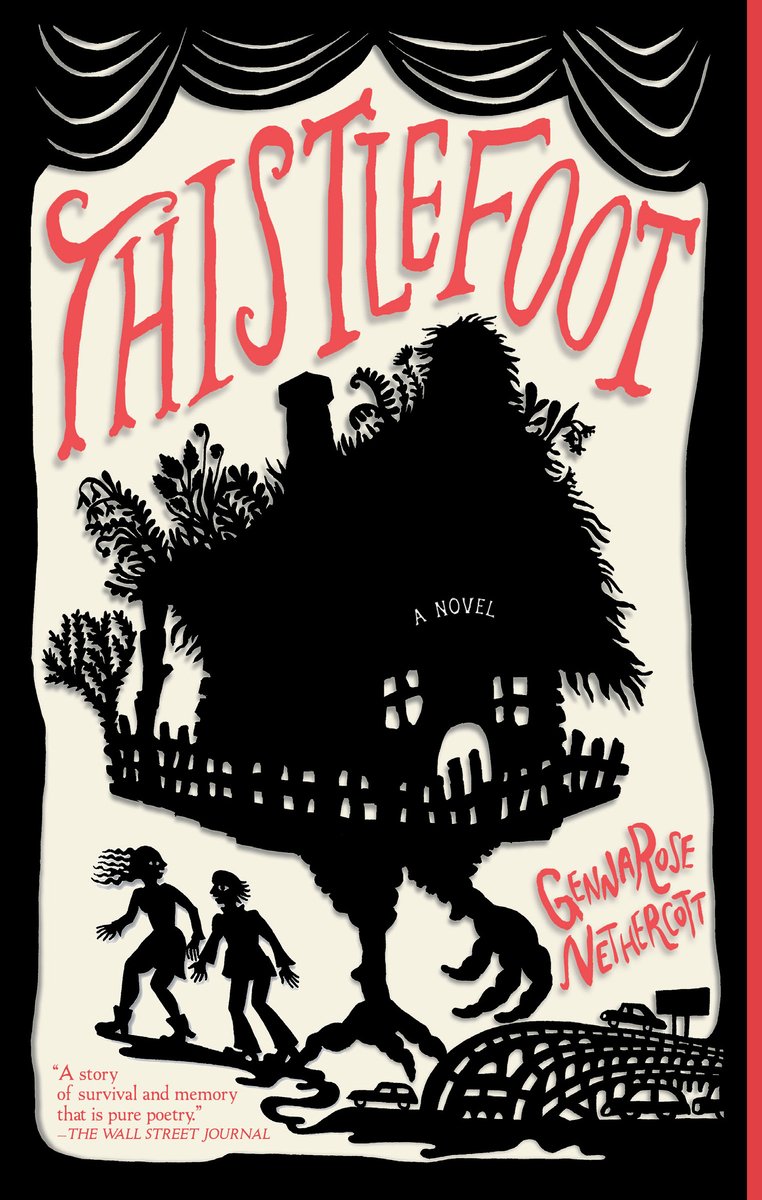
Longshadow Man, a sinister figure, has tracked the chicken house to America, bringing with him dark secrets from the past and damning memories that have been hidden in Isaac and Bellatine’s blood for generations. As the Yaga siblings embark with Thistlefoot on a cross-country tour of their family’s traveling theater show, the Longshadow Man follows in pursuit. Ultimately, time, magic, and legacy will collide to unravel the past and forge the future.
The Bear and the Nightingale by Katherine Arden
Winter lasts most of the year in the Russian wilderness, and on the long nights, Vasilisa (Vasya) and her siblings gather by the fire to listen to their nurse’s fairy tales. Above all, Vasya loves the story of the blue-eyed winter demon, Frost. Wise Russians fear him, and they honor the spirits that protect their homes and souls from evil. When Vasya’s widowed father brings home a fiercely devout wife from Moscow, Vasya’s new stepmother forbids her family from honoring their household spirits.
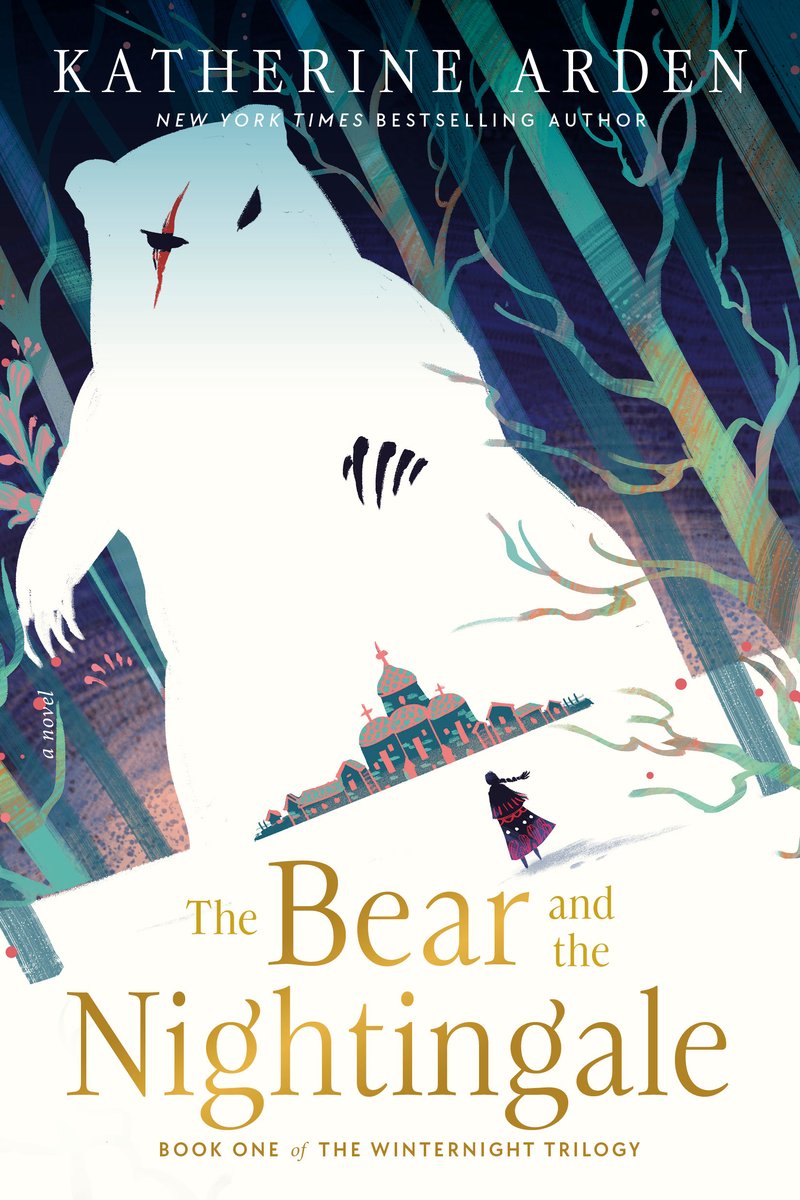
Now, Vasya fears what this may bring as misfortune begins to stalk the villagers. But Vasya’s stepmother is determined to remake the village to her liking and groom Vasya for marriage (or a convent). As the village’s defenses weaken, Vasilisa must call upon dangerous gifts she has long concealed to protect her family from a threat sprung to life from her nurse’s most frightening tales.
Vassa in the Night by Sarah Porter

When Vassa’s stepsister sends her out in the middle of the night to buy a lightbulb, of all things, she knows it could become a suicide mission. Easily. Babs Yagg, the cruel owner of the local convenience store, has a policy of beheading shoplifters ― and casual shoppers as well. But Vassa has a trick up her sleeve, a gift from her dead mother. Erg is a tough-talking wooden doll with an insatiable appetite and a talent for theft. Not to mention, he’s the wittiest magical doll Vassa has ever known. With Erg’s help, Vassa just might be able to break the witch’s curse and free her Brooklyn neighborhood.
Egg & Spoon by Gregory Maguire
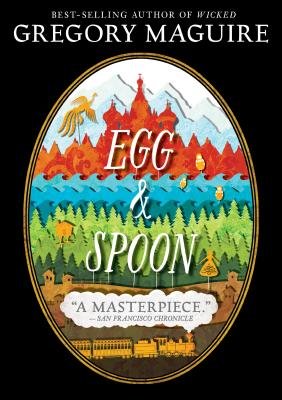
Elena Rudina lives in the poor Russian countryside, and they are all starving. There’s no food to be found anywhere. But then, a train on its way to visit the Tsar in Saint Petersburg arrives in the village, carrying a cornucopia of food, untold wealth, and a noble family. This noble family includes Ekaterina, a girl of Elena’s age. When the two girls’ lives collide, an adventure is set in motion, an escapade that includes mistaken identities, a monk, a tower, a prince, and, of course, Baba Yaga.
Summer in Orcus by T. Kingfisher
Summer is an ordinary eleven-year-old girl with an ordinary, over-protective single mother. She always does what she is told and has become very good at listening and consoling her mother. However, Summer finds the experience increasingly exhausting. She loves her mother and would never dream of running away. But then Summer starts to wonder deep down: what if it would be nice to escape for just a little while and do something adventurous?
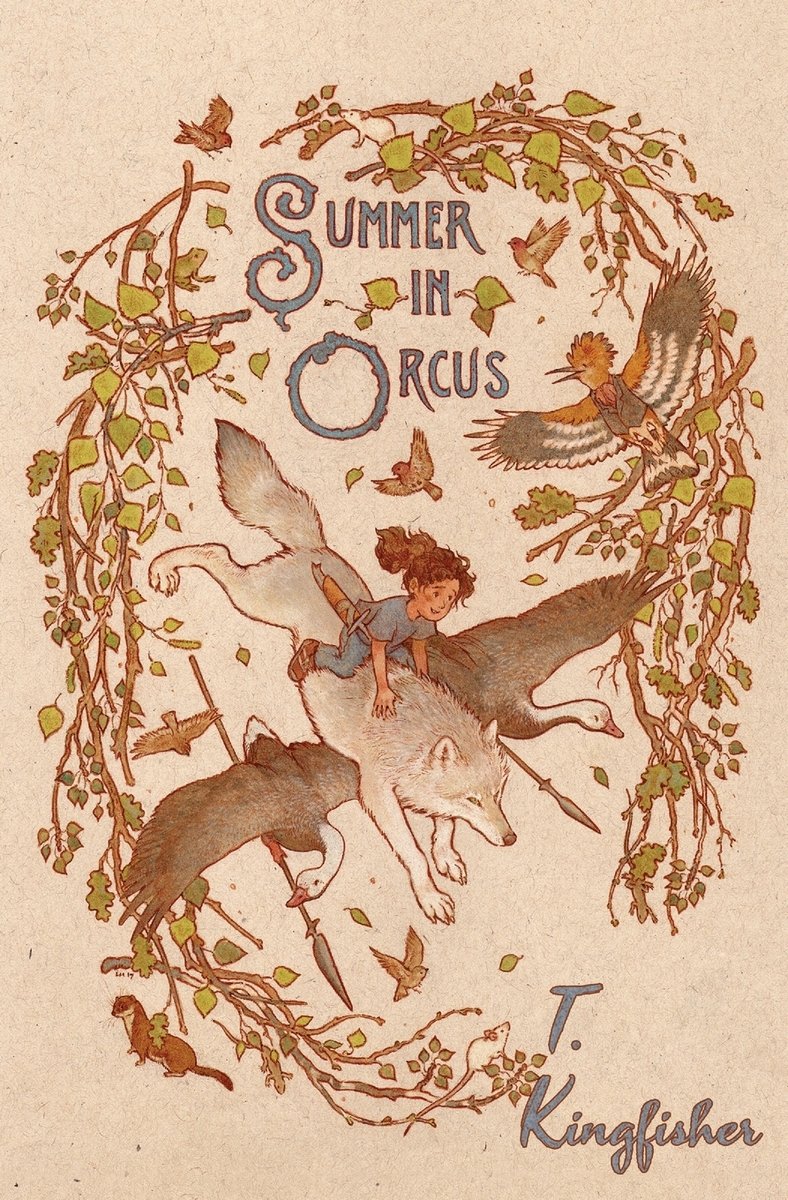
Along comes the crone, Baba Yaga, in her magical walking house, who spies Summer through the alley gate and offers to satisfy her heart’s desire. Summer has no idea what this might be, but with nothing more than a weasel in her pocket, she finds herself transported to the strange world of Orcus. Along the way, Summer just might figure out what she is looking for, save a wondrous thing, and realize that some of the talents that she takes for granted are indeed mighty useful.
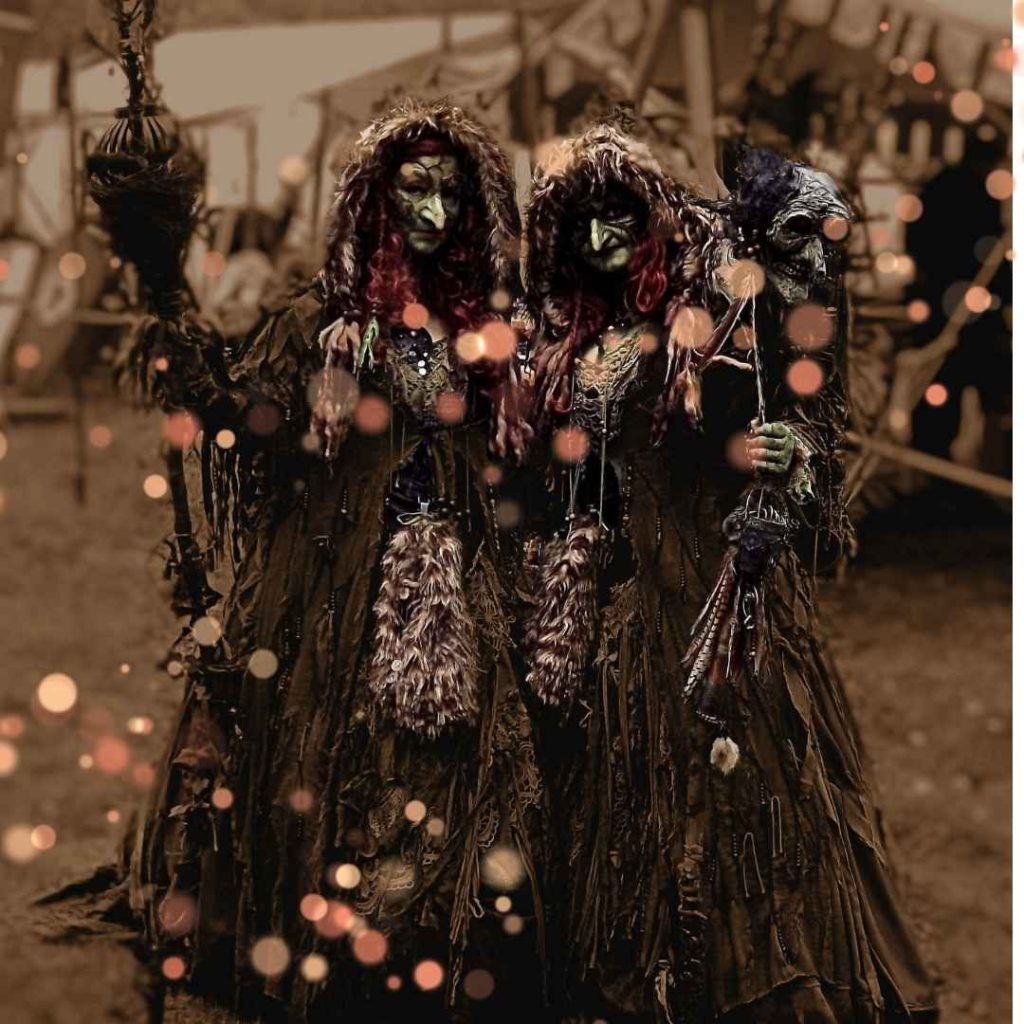
Baba Yaga’s influence knows no bounds. In addition to inspiring amazing authors, she also makes appearances in movies like Hell Boy, Spirited Away, and John Wick and continues to influence characters across genres and media alike. The duality of her character captures the history and scope of what it means to be a woman, from embracing the traditional roles of wife and mother to embracing the freedom and self-reliance of modern times. Her dark fairy tales also testify to the intense paradox of what nature and growth truly is–both benevolent and malevolent with the power to bestow and destroy. Baba Yaga, like nature, is a force to be feared and respected.
While Baba Yaga may not be the nurturing mother ready to swaddle a crying babe, her association with the social and domestic customs of the 16th century shows readers the ordeals children of that time endured. Learning to clean linens or preserve food properly can be challenging feats, and the perseverance that young heroes show despite Baba Yaga’s trickery is encouraging. Perhaps this determination in the face of despair is another factor in perpetuating Baba Yaga lore. Her trials force critical thinking, bravery, and creativity in order to succeed.
Need more folklore in your life? Check out these Monsters and Myths!
If you don’t have a copy of Thistlefoot, stop by the Bookstr Bookshop to get yours today.