



Join us and author, archaeologist, and immigrant Genoveva Dimova, in celebrating World Folklore Day. No, we’re not talking about Taylor Swift’s best album. We’re talking about the fairytales, myths, legends, and oral traditions that inspire and are inspired by cultures around the globe. On August 22, 1846, William G. Thorns published an article titled Atheneum, in which he mentioned the term “folklore” for the first time. Thus, every August 22, people worldwide celebrate the ways in which folklore connects us to our identities, pasts, presents, and futures. Genoveva’s debut novel was inspired greatly by Slavic folklore, so read on to get her insight into how she drew inspiration and how these folktales impacted her, both as an author and an archaeologist!
About Genoveva Dimova
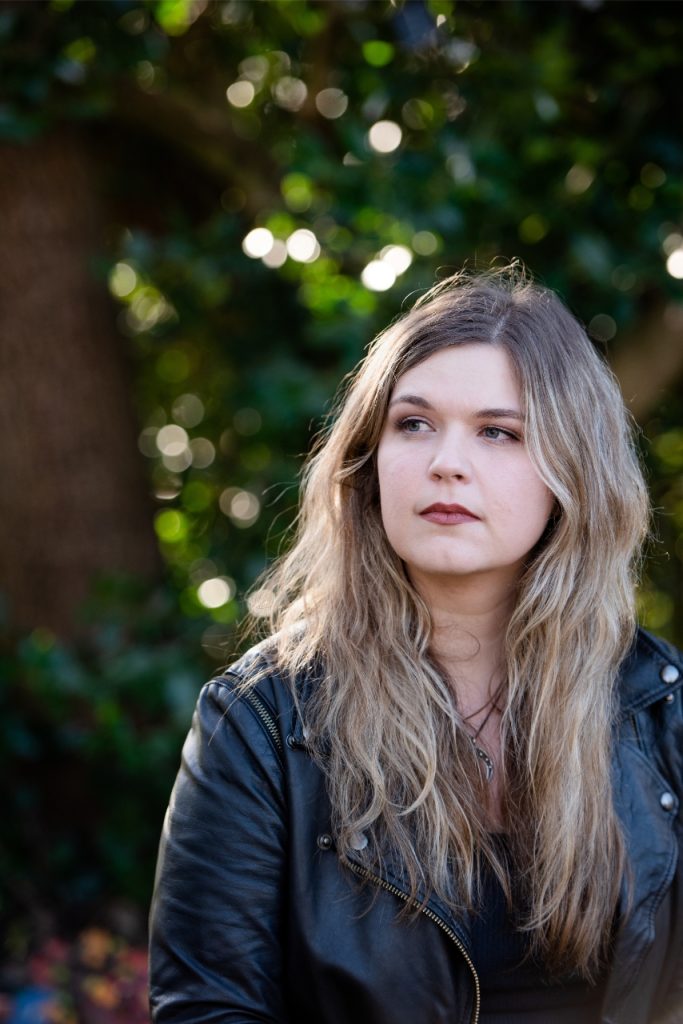
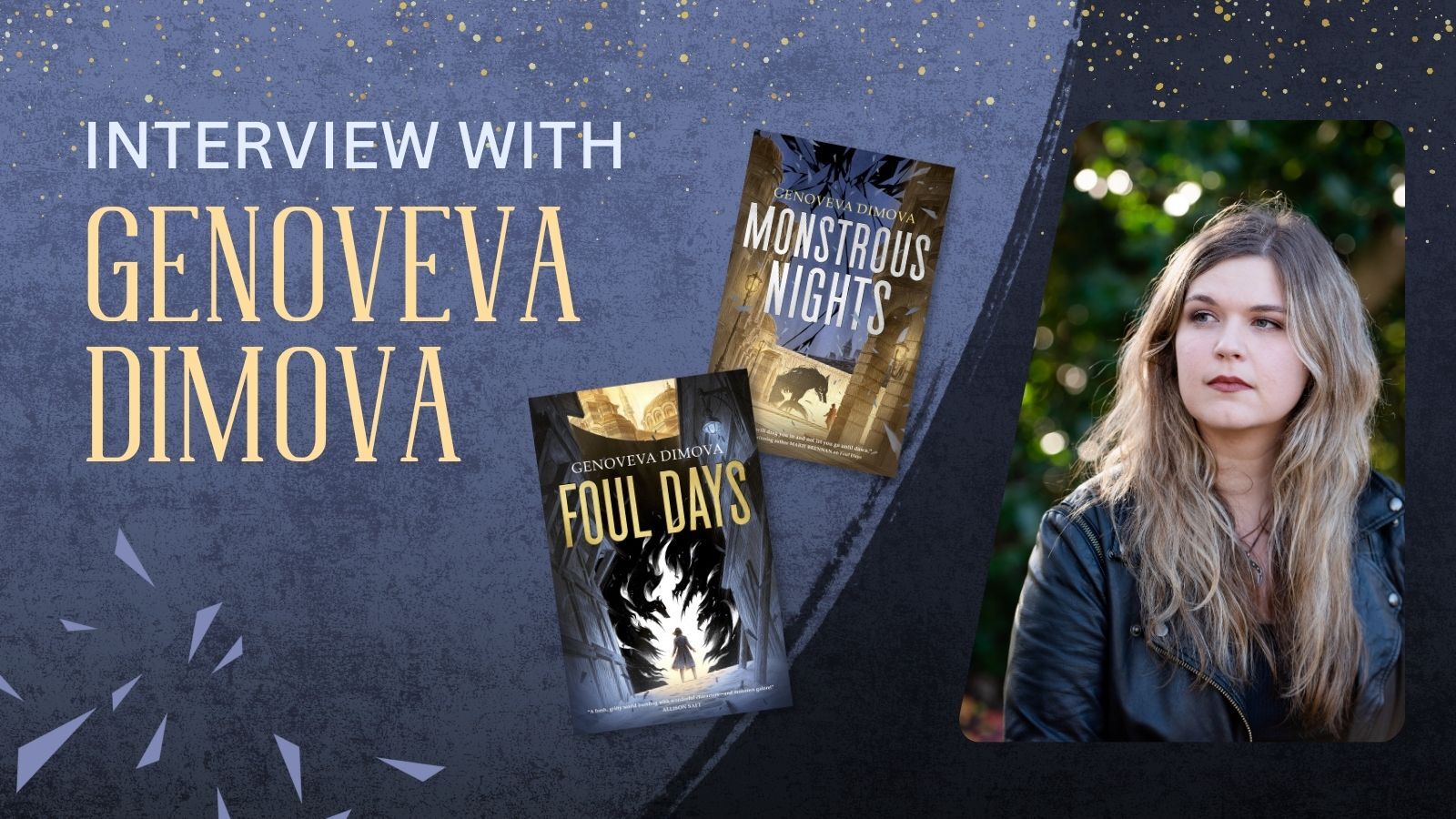
Genoveva Dimova is a Bulgarian fantasy author and archaeologist based in Scotland. Her debut novel inspired by Slavic folklore, Foul Days, came out in June 2024, with the sequel, Monstrous Nights to follow in October 2024. When she’s not writing, she likes to explore old ruins, climb even older hills, and listen to practically ancient rock music.
For any readers unfamiliar with it, can you give an elevator pitch for Foul Days?
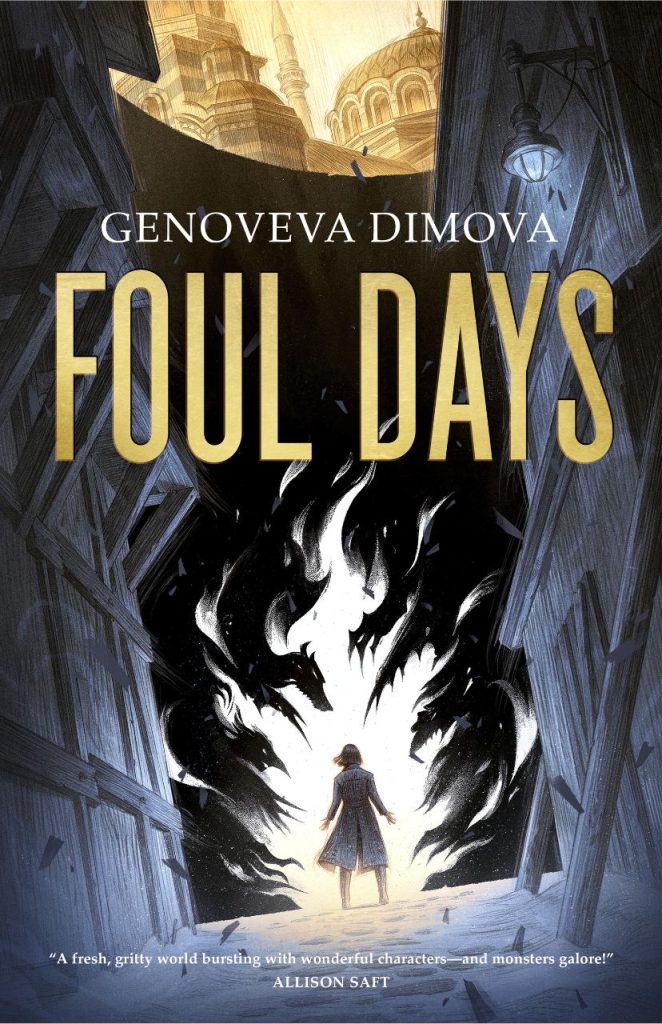
A witch trades her magic away to escape her monster-infested city and her monstrous ex — but it turns out he’s not that easy to shake off, and if she doesn’t get her magic back, she’ll have to not only recon with him but with a terrible illness that plagues magicless witches.
Can you tell us a bit about the folklore that inspired the world and the monsters of this duology? Were these stories that you grew up surrounded by?
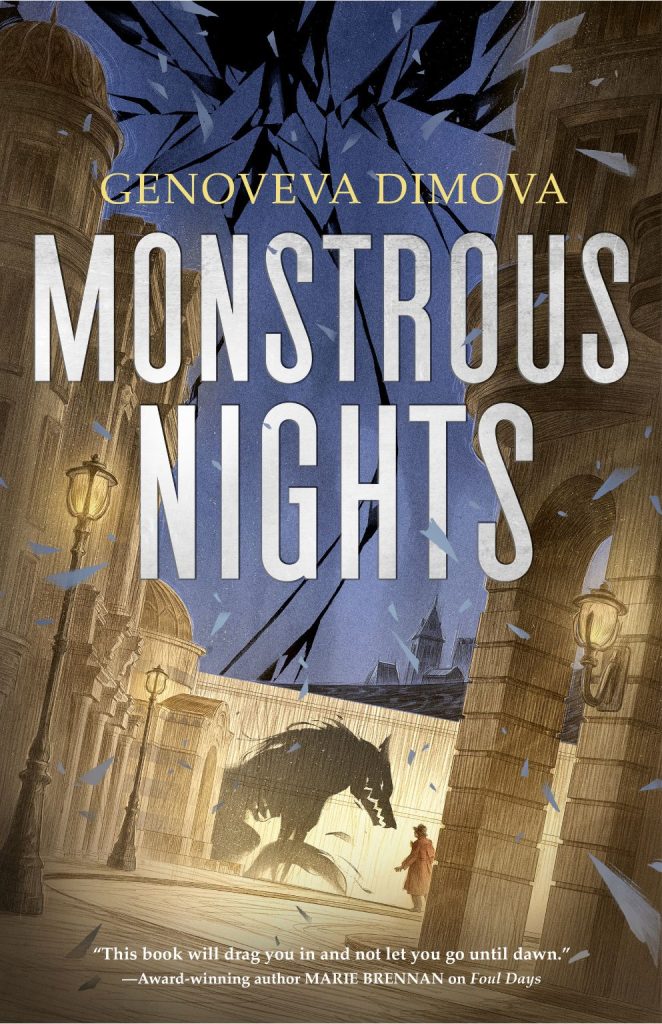
The duology is crammed full of all my favorite myths, legends, rituals, and beliefs from Bulgarian folklore — as well as all my favorite monsters! Readers familiar with Bulgarian folklore will catch quite a few references to the stories we grew up with woven through the narrative, from the Devil’s Bridge to the Golden Apple. Readers familiar with other Slavic folklore will similarly recognize some well-known elements, from the zmeys and rusalkas to Baba Yaga’s chicken-legged hut.
Is there one folktale from your childhood that stands out the most in your memory?
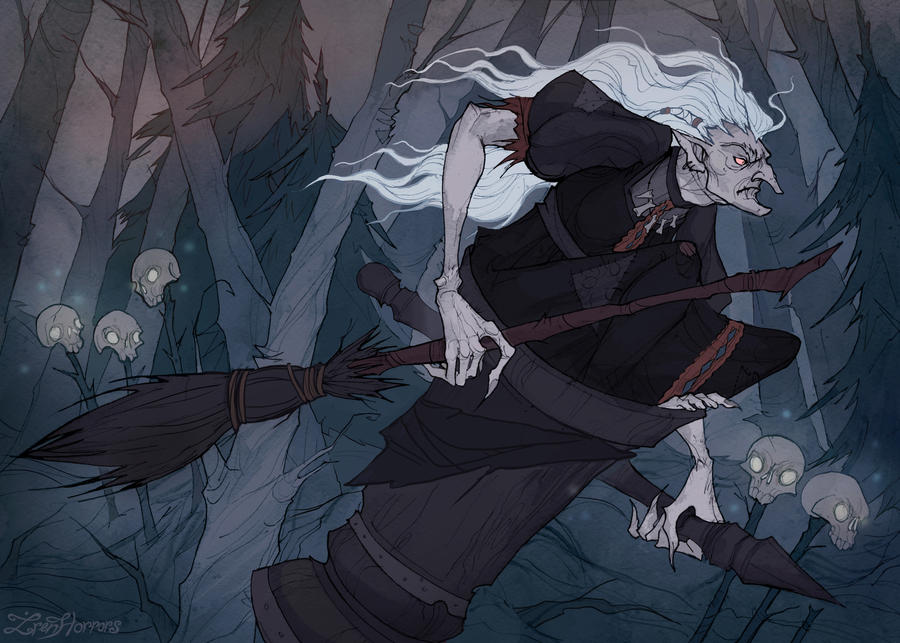
This is a famous one that most Bulgarians will recognize, and it’s retold in Foul Days. It’s the story of the Devil’s Bridge, and it goes like this:
Master Manol and his nine brothers were commissioned to build a bridge, and they worked hard on it every day. Except, every morning, when they returned to the building site, they’d see that whatever they’d managed to construct the previous day was destroyed. This was when they realized that the Devil had cursed the bridge. There was only one solution: they needed to embed the spirit of a young woman in the bridge to protect it. They came up with a fair way to choose their victim: they’d ask their wives to bring them breakfast the next morning, and the one who was to arrive first would be the one they’d embed in the bridge. Manol’s brothers couldn’t bear keeping the dark secret, and all warned their wives to come late. Manol, however, was too honorable and said nothing. The next morning, Manol’s wife arrived early, carrying their baby son in her arms. Upon seeing the brothers’ expressions, she immediately knew what was about to happen. She didn’t cry nor plead — all she did was to ask that when they embed her in the bridge, they leave one of her breasts out, so she can continue to feed her baby.
I find this story fascinating firstly because the magic in it is unusually gruesome, but also because of the moral we’re supposed to take from it — which seems to me as a woman, you have to sacrifice yourself for your husband’s job and for your children. This, to me, made it a good candidate for a story that can do with being rewritten and recast in a different light. Without giving too many spoilers, I’m just going to say that in Foul Days, it’s not a young woman who ends up embedded in a wall.
Do you have a favorite monster that features in Foul Days?
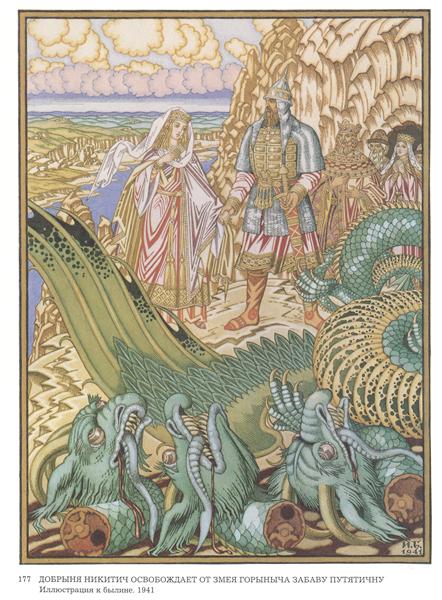
It has to be the zmey! Zmeys are shapeshifters, similar in appearance to dragons when they’re in their monster form — in their human form; they resemble handsome young men with golden hair and blue eyes. They’re known to take their human form to seduce young women and kidnap them, taking them away to their underground kingdom. A woman married to a zmey soon grows ill and dies, which is why they are believed to be a folkloric allegory for depression. The thing I find hilarious about this otherwise terrible monster is the way you can recognize them: if you suspect that your handsome golden-haired lover might be a zmey, check their armpits. In their human form, zmeys have tiny wings hidden there.
Throughout history, folktales have been used as allegories for dark experiences in life. An abusive relationship plays a prominent role in Foul Days. Did using monstrosity as a metaphor for abuse help you explore this difficult topic?
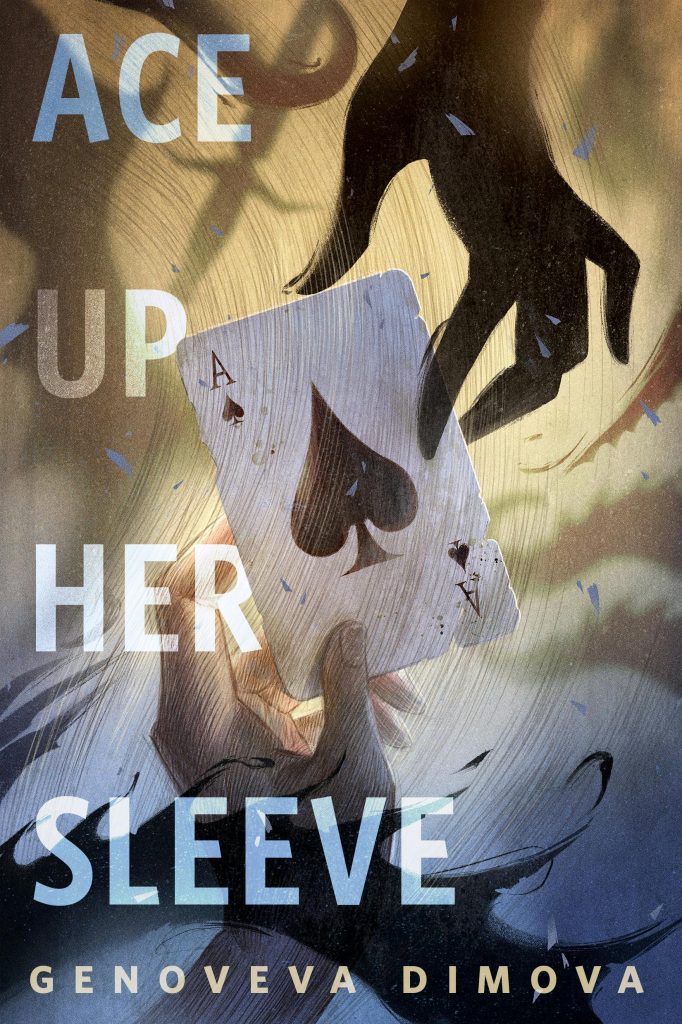
Definitely. I believe that this is one of the greatest strengths of speculative fiction: the fact that it allows us to explore difficult topics through a fantastical lens. In real life, there often is the temptation to try to explain away or even excuse abusive behavior — in Foul Days, I found it freeing to make the abuser a monster. He can’t be excused, and he can’t be redeemed. It’s in his nature to be terrible.
If you’re comfortable, can you share a bit about the importance of folklore in your life as an immigrant specifically?
I was honestly surprised by how much my Bulgarian identity started to matter to me once I found myself living in a foreign country. Prior to leaving Bulgaria, it didn’t feel quite as important to hold onto the little elements of my culture, like the right way we make a tomato salad or the story of the golden apple — on the contrary, I prided myself in the fact I listened to Western music, watched Western films, and spoke fluent English. Once I found myself abroad, however, keeping all aspects of my identity alive became very important to me: food, culture, and, yes, folklore. It was one of the things I loved sharing with foreign friends and, now, with readers.
Can you share a little bit about your career in archaeology so far and how it’s impacted you as an author? Has being an archeologist inspired you to incorporate folklore so heavily in your written works?
The thing that attracted me to archaeology was learning about how ordinary people lived — not kings and queens, but people with normal jobs, about whom no history books were written. The same thing is what attracts me to writing fantasy, exploring the lives of characters who don’t go on grand world-defining adventures but who try to get by, doing the best that they can in difficult circumstances.
My interest in folklore is definitely related to my experience as an archaeologist because folklore tends to be oral tales, which were shared freely — which again puts it in contrast to official, written history. I believe you can get to know a culture through its folklore. For example, the monsters from Bulgarian folklore are obviously inspired by deep-set fears that existed in traditional society, like what would happen if you don’t bury your dead correctly or what could happen to you if you go outside after dark in winter.
Could you please recommend a few folk-inspired novels that you personally love for our readers?
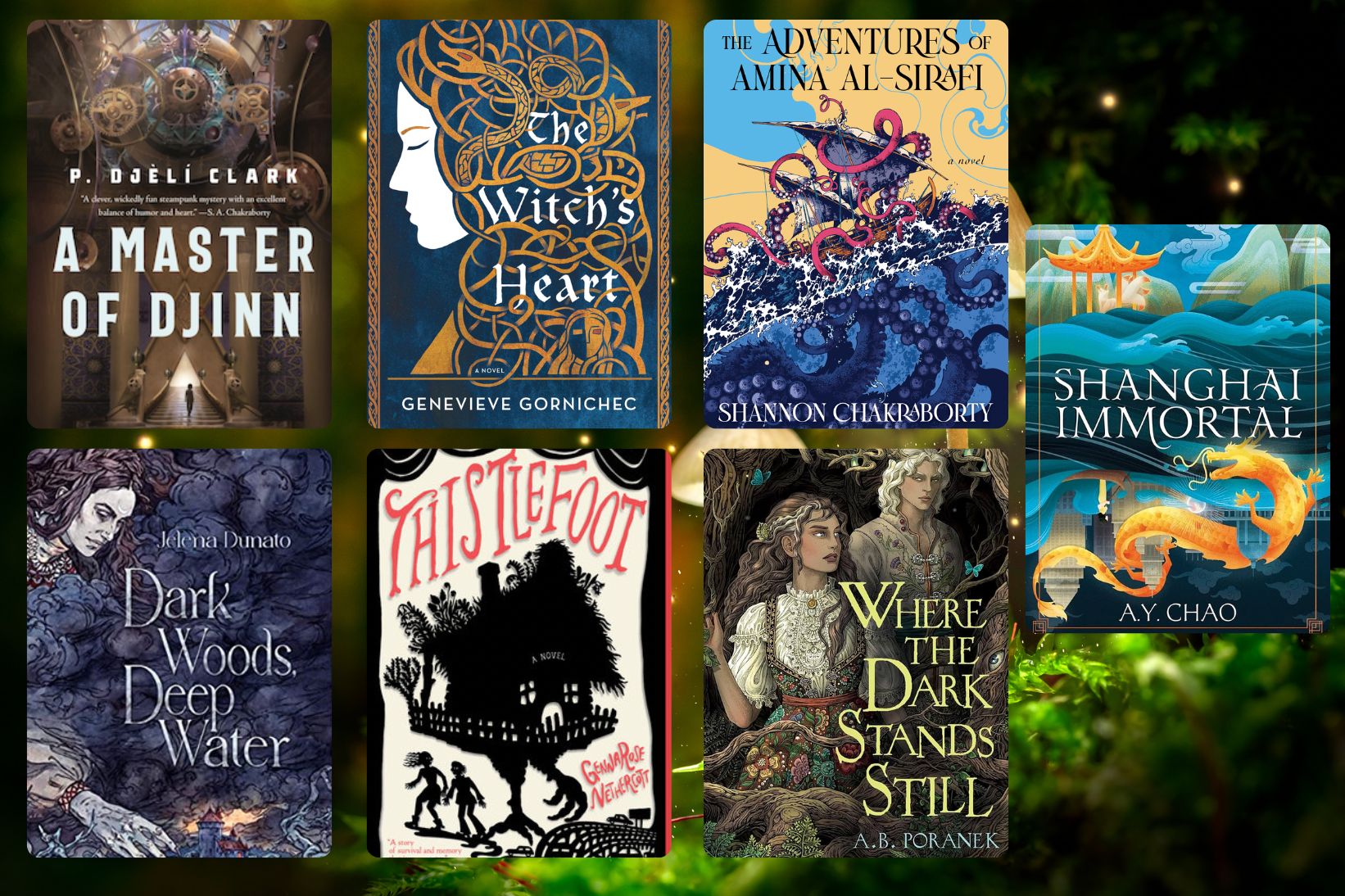
I love this question! I’ll try to keep myself to only seven:
- A Master of Djinn by P. Djèlí Clark, which is a murder mystery set in Cairo, with djinn.
- The Adventures of Amina al-Sirafi by Shannon Chakraborty, which is the story of a retired pirate who goes on one “last” adventure.
- Dark Woods, Deep Water by Jelena Dunato, which is a gothic horror fantasy in a setting inspired by the Eastern Adriatic.
- The Witch’s Heart by Genevieve Gornichec, which is a retelling of the story of the witch Angrboda from Norse myth.
- Shanghai Immortal by A.Y. Chao, a story starring, as per the book description, a “half-vampire, half-hulijing fox-spirit and all sasshole.”
- Thistlefoot by GennaRose Nethercott, which is the story of two siblings descended from Baba Yaga who inherit her hut—and all the problems that come with it.
- Where the Dark Stands Still by A.B. Poranek, which is sort of Uprooted meets Howl’s Moving Castle, if Howl was a forest spirit from Polish folklore.
To close out, can you touch on the importance of keeping folklore alive on the page and in everyday life, whether for you or in general?
I’ve always been fascinated by Bulgarian folklore with all its magic and monsters, and it meant so much to me that I could share this part of myself with readers. When I first decided I wanted to be an author, I attempted to come up with a story set in that standard Western European Medieval setting that was common in the genre back then — but it never felt right. It wasn’t until I started writing stories about zmeys, rusalkas, and upirs that something clicked. This story was Foul Days — my love letter to Bulgarian folklore.
At the same time, I believe there is danger in being too in love with folklore. It is, ultimately, a product of the past, and it carries biases with it that can become harmful if left unchallenged. One thing I noticed when I was researching Foul Days, for example, is how often folk stories are used to keep women in line — how often the “monsters” our heroes meet are described as dangerous, wild women who live alone in the forest or lurk on rocks in the sea. As someone who loves dangerous, wild women, I played this trope straight with my samodivas but I also subverted it with my witches. I believe folklore is important in keeping a culture alive, but at the same time, the stories we tell have to evolve with the times.
A huge thank you to Genoveva Dimova for sharing some of her magic and wisdom with us at Bookstr today. On World Folklore Day and every day, remember to honor the stories that you were raised with, but never stop looking toward brighter futures. Be sure to follow Genoveva on Instagram and add The Witch’s Compendium of Monsters on Goodreads. Sign up for her newsletter to stay up to date on her folkloric novels.
To read about Zoe Hana Mikuta and her Wonderland-inspired horror, click here.
To shop Foul Days and other fantastical reads, click here.