

















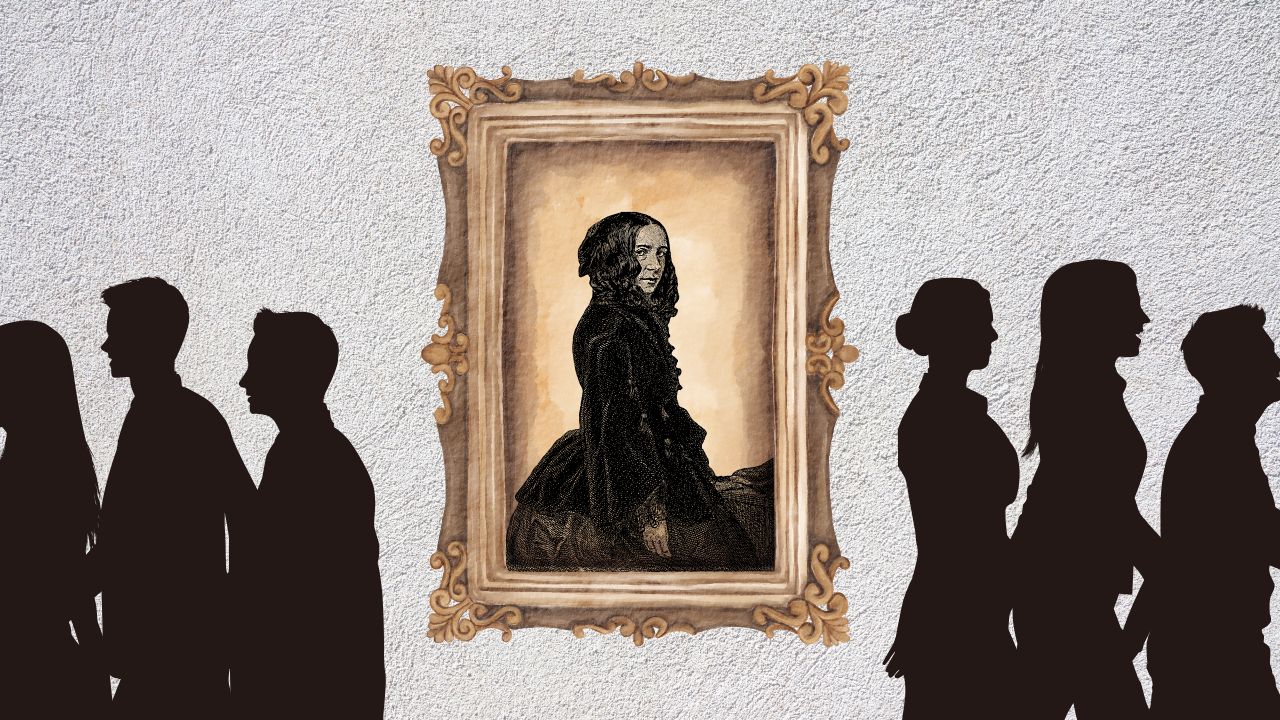
Elizabeth Barrett Browning was known well for her poetry and love letters as their themes of women in society, social justice, and love remained prevalent in her society and are still important today. Her influence not only reached her readers but also those of writers. Who was Barrett Browning and how did she make such an impact?
Who Was Elizabeth Barrett Browning?
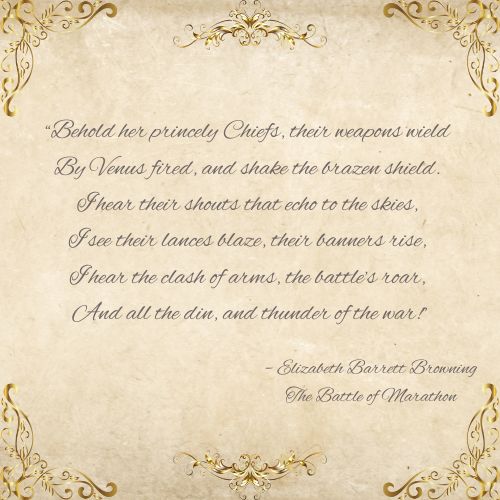
Barrett Browning was born on March 6, 1806, and until her death on June 29, 1861, she created a myriad of influential works that touched the lives of many around the world. She is praised for her bravery and independence as her wealthy upbringing helped her build her career in her early youth with her first piece, The Battle of Marathon.
At the age of 20, she showed the public her volume, An Essay on Mind, with Other Poems, and by the time she met her husband, she had published two volumes. The poets exchanged love letters, which also became part of her famous works, and as their writings grew, Browning would surpass her husband in their fame. With inspiration from the political events happening around her, Barrett Browning continued to write up until her death when she died in her husband’s arms.
Her Influence Throughout History
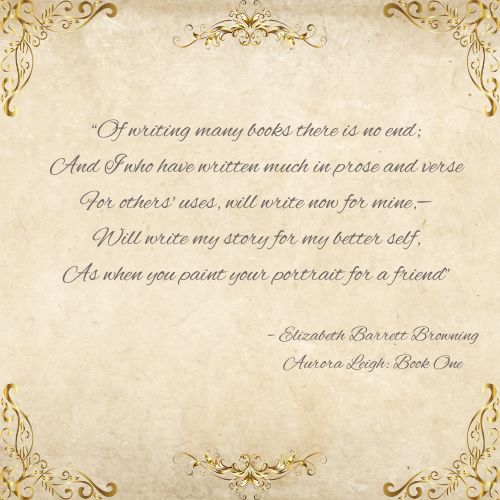
Her work reached the attention of the masses when it was written, and someone who took a special interest in her work was Emily Dickinson. It wasn’t until after her death that Barrett Browning’s writing began to influence Dickinson. Nevertheless, the two have been tied together in history as Dickinson marveled at Barrett Browning’s words. Dickinson’s writings compared to Barrett Browning’s show her admiration as she sought familiar writing styles, which can be seen in her work, with Aurora Leigh being one of her biggest inspirations. She even went as far as having a portrait of Barrett Browning in her bedroom in her honor.
Another author who took public notice of Barrett Browning’s work was Virginia Woolf, who wrote criticisms of Browning’s work to signify the testament of time and popularity to one’s work. She wrote of Barrett Browning and her writings to point out how drama and romance drive the public to suggest looking beyond those attributes when examining influential writings. Though her criticisms question Browning and her writings, it still leaves Browning in an influential position as her work is put on a pedestal to be examined by fans and critics alike. This pedestal leaves others to create their narratives and ideas to guide the influences of the masses in the creation of history.
Her Influence on Today’s Society
Although history has not highlighted the significance of Barrett Browning’s work to its fullest extent, her writings are still prevalent. Feminist criticism tends to focus on Aurora Leigh as her ideas on women’s independence and equality still hold as women are still in the battle for their rights and equality.
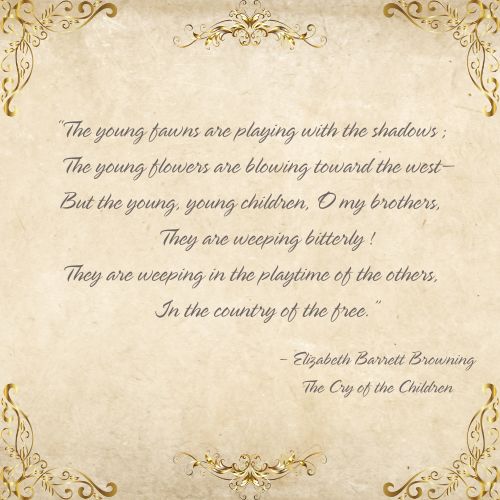
Along with her work fitting into our modern day, her writing is also important when we look into history and examine the political issues that have plagued humanity and the consequences that followed them. The Cry of the Children is one such work where she spoke on child labor and how this exploitation of capitalism creates a loss of childhood for the children involved.
Elizabeth Barrett Browning and her work will forever be remembered for its history course, as her outspoken poetry did its work to speak on the livelihood of women along with issues of war and forced labor. Her beautiful poetics in love with her husband hold their love in history with Barrett Browning’s outspoken thoughts on life and the world.
Want to find out more about Elizabeth Barrett Browning? Click here.
Find more poetry to read in our For the Love of Poetry bookshelf on Bookshop.org.
