

















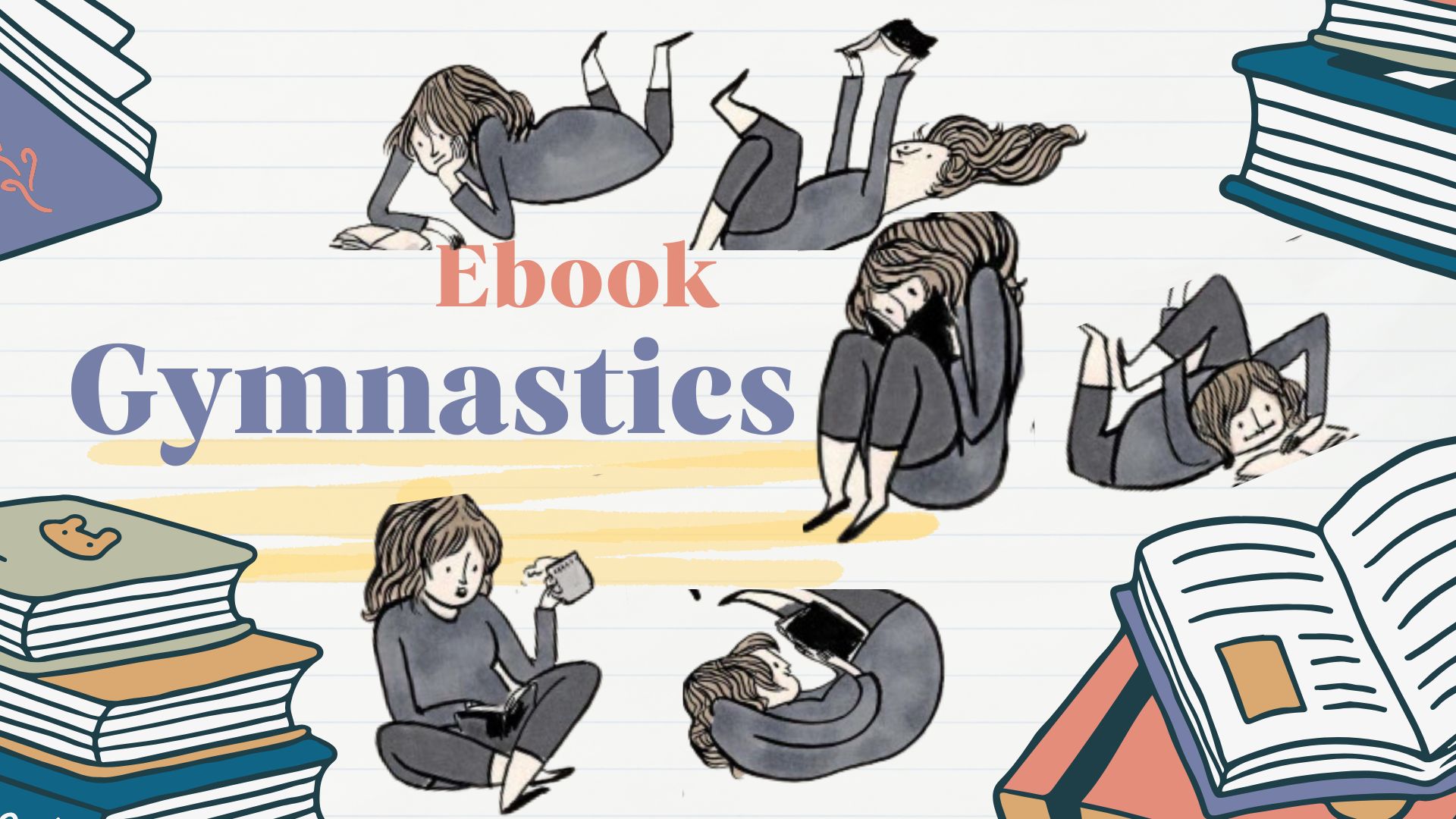
Reading is often seen as a pastime, a hobby to indulge in, a way to find solace. But as much as it is an exercise of the mind, it can also be an exercise of the body. You might be wondering, ‘What do you mean by that?’ Well, as you read on, you’ll discover the many ways in which getting lost in a book can take us on an unexpectedly “acrobatic” journey — both mentally and physically.
1. The Dead Bug
Let’s be honest — we’ve all, at some point, found ourselves in the classic dead bug pose. Lying on our backs, arms raised in the air, reaching to the sky with our favourite book in hand. Ah, what a time. But after a while, we find the joy slowly begin to weigh on us. Literally. The book becomes heavy, our arms grow weary, and all at once they come crashing down on us. Despite the common position of the dead bug, we can all admit it’s not exactly the most efficient pose to read, is it?
2. The Camel Pose
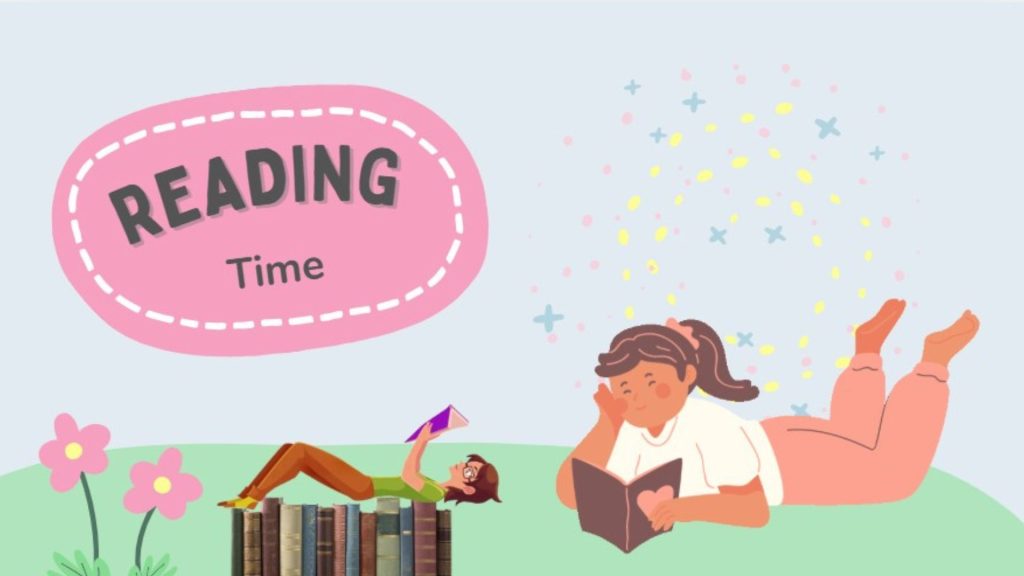
Then what’s the alternative, you may be asking? Flip it — the page and your body. If you’re fortunate enough to have a clear glass coffee table or another see-through surface, place your book underneath it. If you simply want to put the book on the ground, that works too. Then, put a pillow under your forehead on the table/surface and have your arms comfortably at your side, turning the page regularly.
Another tip is an improvement on the dead bug technique. Using the clear glass table, place the book on top face-down. Then lie underneath the table and read from below. Who knows; this may become your new reading style; just save it for inside the house!
3. The Restless Sleeper
We find that reading before bedtime is the most optimal period of relaxation. However, there lies the frustration of having to turn the page that breaks us out of that resting state. Our arms have to respond to the demands of flipping the next page. Why?
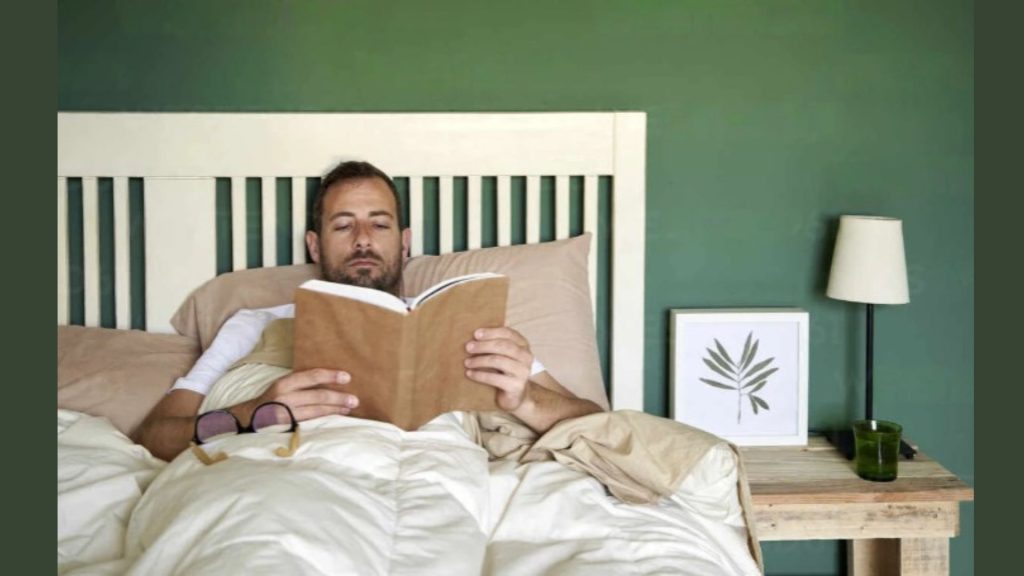
Here’s a suggestion; when lying in bed, place a pillow beneath your head and neck to avoid injury. Then grab another pillow, this time setting it across your chest. Select your desired book and rest it upon the pillow on your chest. Now your neck is happy, cozy, and avoiding strain, and there is minimal arm energy expended.
4. The Sphinx Pose
This one is brought from the cultural heritages of Ancient Egypt — well, not really, but it is inspired by it. The sphinx, graceful and majestic in form and position; yeah, not when see ourselves copying it. Lie down on your stomach and proceed to prop yourself up with your elbows into this pose.
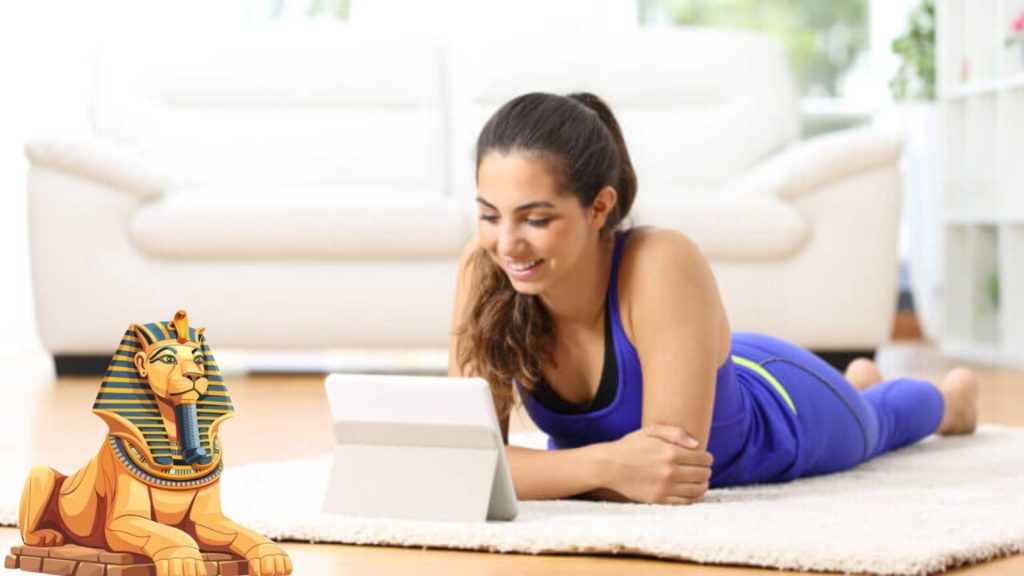
This can be taken a step further by extending your legs straight, and lifting your chest so that you’re in a cobra pose. Quite an advanced form, but hey if you ever needed a good stretch while reading…you can thank me later!
5. The Page Turner
Reading becomes a relaxing habit, a somewhat rhytmic movement, through our lips muttering the words or our fingers fondling the next page. But our bodies seem to move about in a way that we don’t recognize. We start off laying on our side, whether in bed or on some random floor — in our house, of course —with the book mimicking our lazy movements. We’re comfortable, a little tired, but cozy. Well, until the final few lines appear, those dreaded few sentences that make us realize we’ve hit the end of our page. Who’s going to turn the page for us? So, we devised an ingenious plan. If our arms can’t flip the page, why not move with it?
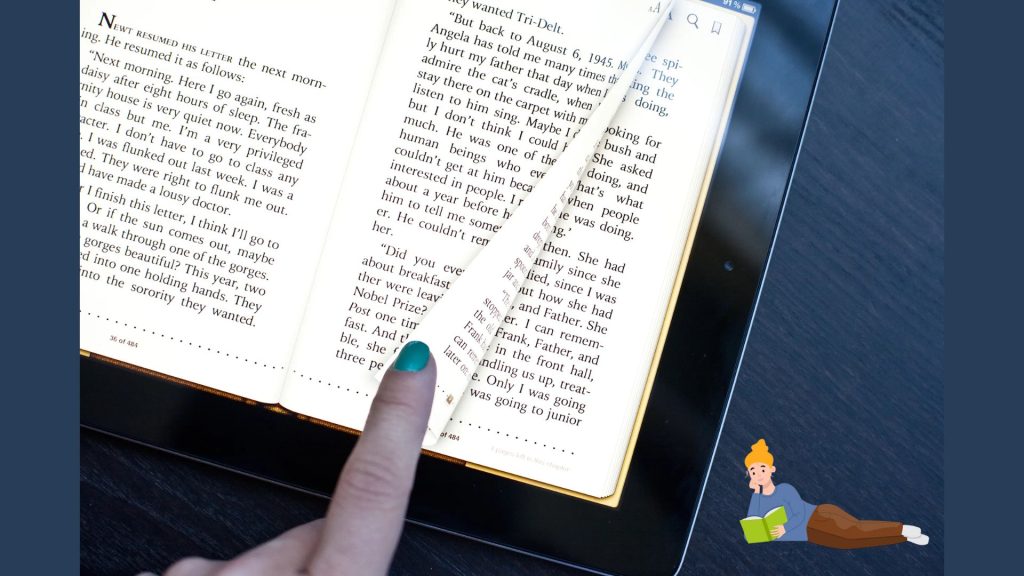
So, as the page turns, we turn. Like a rotisserie chicken, every so often turning the page means turning to our other side. Not only do we get to continue reading, but we avoid strain or injury from being caught in the same position for endless hours. Imagine, it’s like rolling through flour and we’re the dough – okay bad example. But the beautiful movement and symbolism of being one with the page is special to us readers. Next time, try this!
6. The Street Lamp
Instead of cocooning ourselves in blankets, wrapped up in our favorite book, some may still feel restless at the end of their reading sessions, despite the comfort and peace they’ve just experienced. Some readers prefer to stand and read, as they find sitting down or lying causes the mind to drift off and wander. Standing and moving around cause both the mind and body to become stimulated since they’re both actively working.
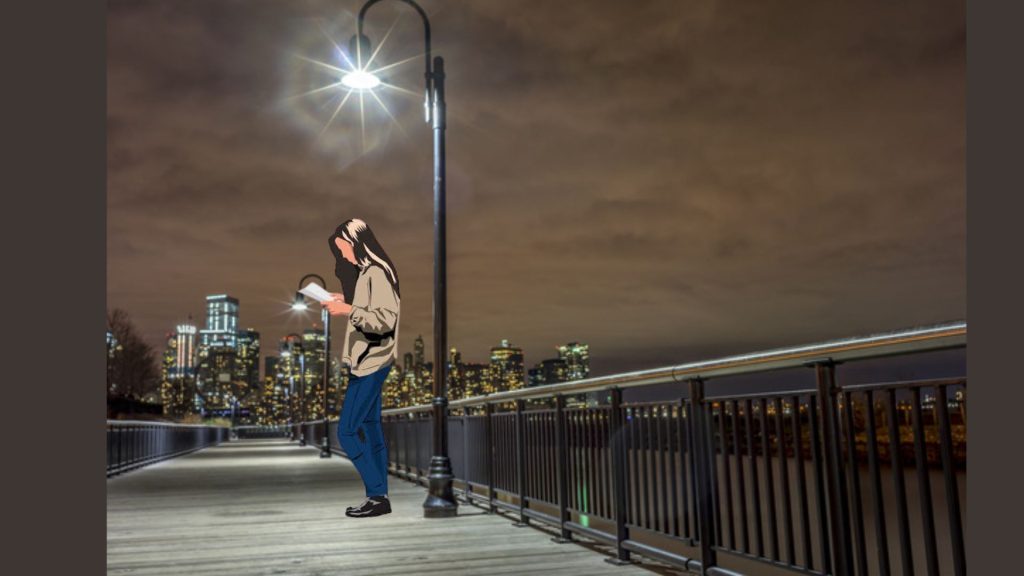
In addition to standing, there is the fatigue of holding the book while moving. So what’s the alternative? Place the book on a counter and stand while reading the book. Over time, you will feel your neck arch, and you resemble that of a streetlamp. Not the most effective position for reading, we know, but it gets you on your feet, no?
Experimenting with these different reading positions opens up a whole new world of possibilities. There are countless variations you can explore with something as simple as an armchair. However you choose to read, don’t hesitate to share your unique approach. As fellow readers, we’re excited to push the boundaries of reading, in any way, at any time, and in whatever quirky positions we can imagine. So, whether you’re in the mood for an acrobatic stretch or a cozy slump, give it a try — you might just discover your new favourite reading posture.
Before you flex your reading to another level, first you need to adjust your cozy reading corner.
Catch up on last year’s reads with some new daring positions.
