

















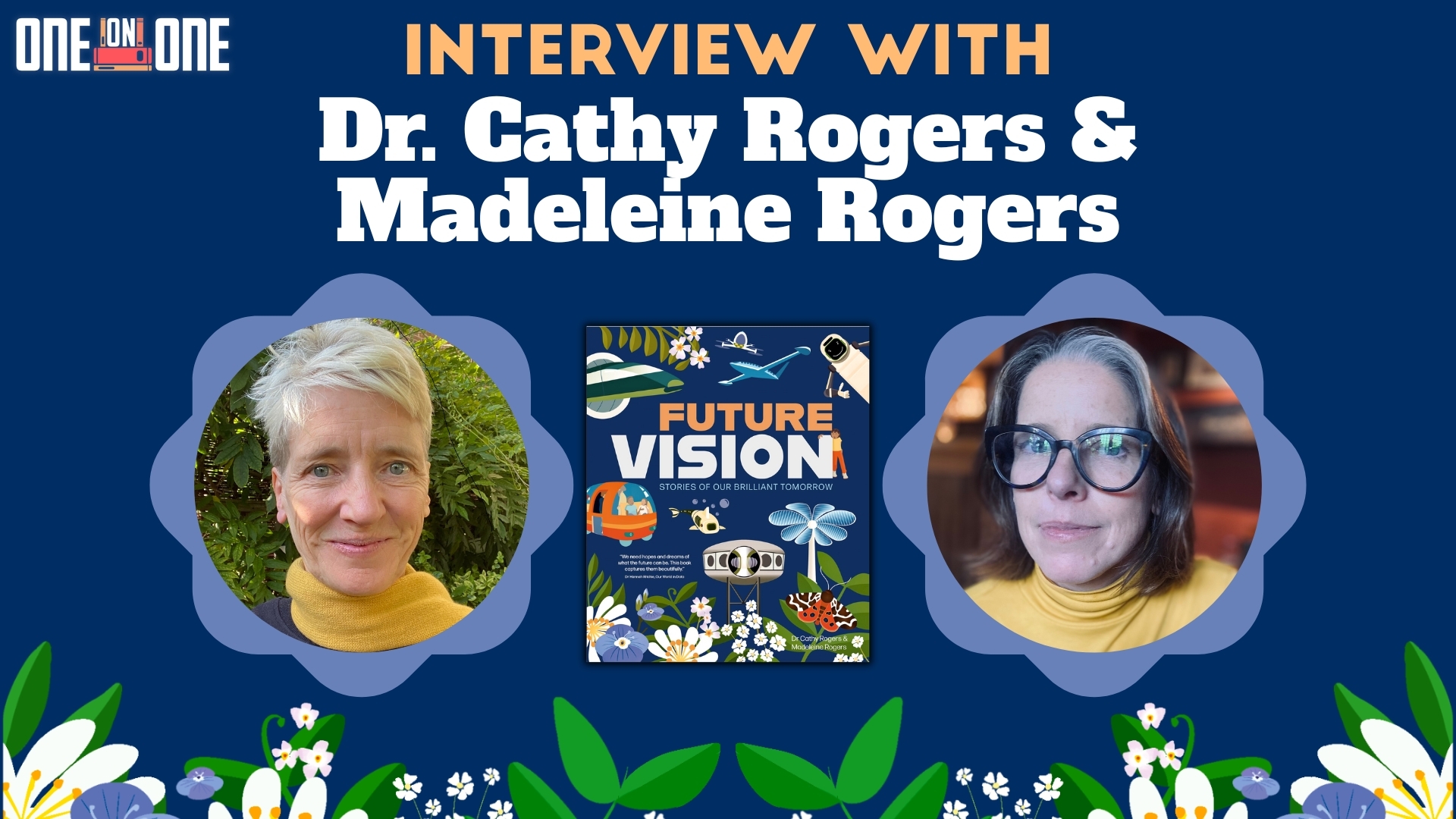
What will the world look like in 50 years? As technologies develop and our world evolves, it’s fun to imagine how our cities, homes, vehicles, and even food will be different in the future. In particular, it’s hopeful to picture a world in which technology creates a more sustainable, equitable, and peaceful world. In the new book by creators (and sisters!) Dr. Cathy Rogers and Madeleine Rogers, Future Vision: Stories of Our Brilliant Tomorrow, young readers are invited to an imagined version of 2070 in which technology has moved us forward — and brought us together.
We had to opportunity to sit down with Dr. Cathy and Madeleine to talk about Future Vision, the connection between technology and nature, and the unique experience of creating a book with one’s sibling. Read on to find out what they had to say!
About Dr. Cathy Rogers
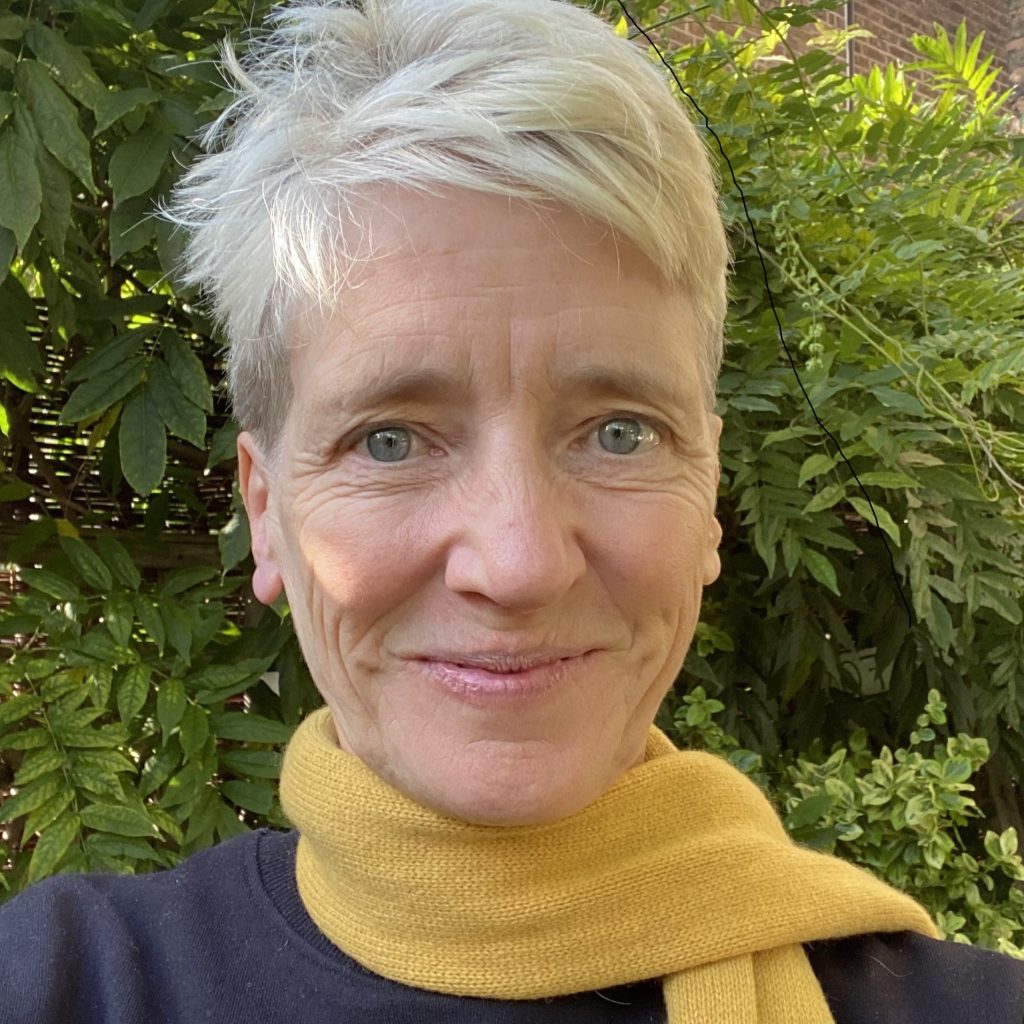
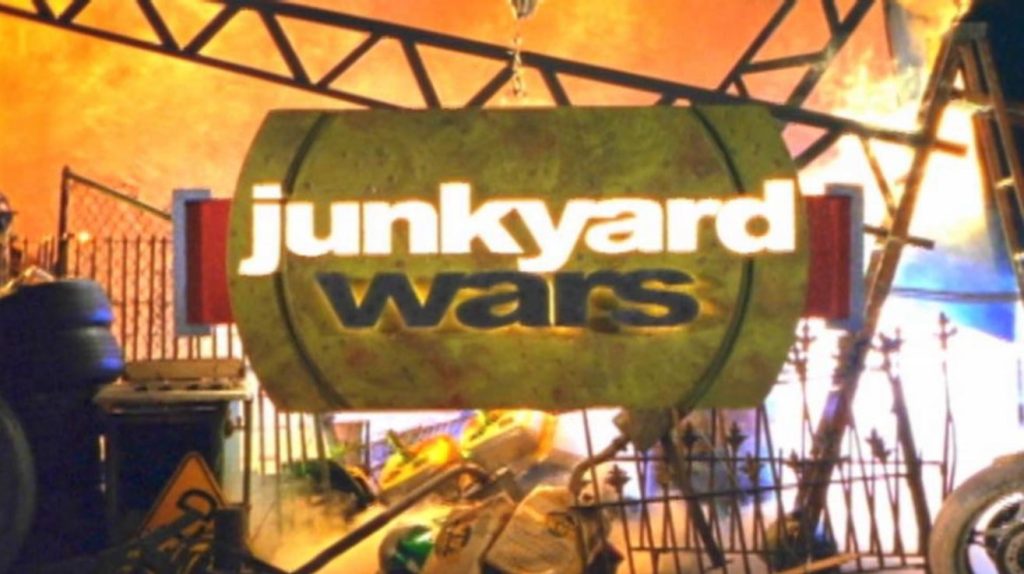
Dr. Cathy Rogers began her career in TV as a creator and producer of science programs, including the Emmy-nominated Scrapheap Challenge (UK)/Junkyard Wars (US). She returned to academia for a PhD in Educational Neuroscience, looking at how creativity works in the brain, and has since written a book for teachers about how brains work. Her passion lies in communicating science, whether that’s explaining neuroscience to a class of 7-year-olds or grilling NASA professors about the future of space exploration. She is also a musician and plays in the indie band Heavenly, which is currently touring worldwide.
About Madeleine Rogers
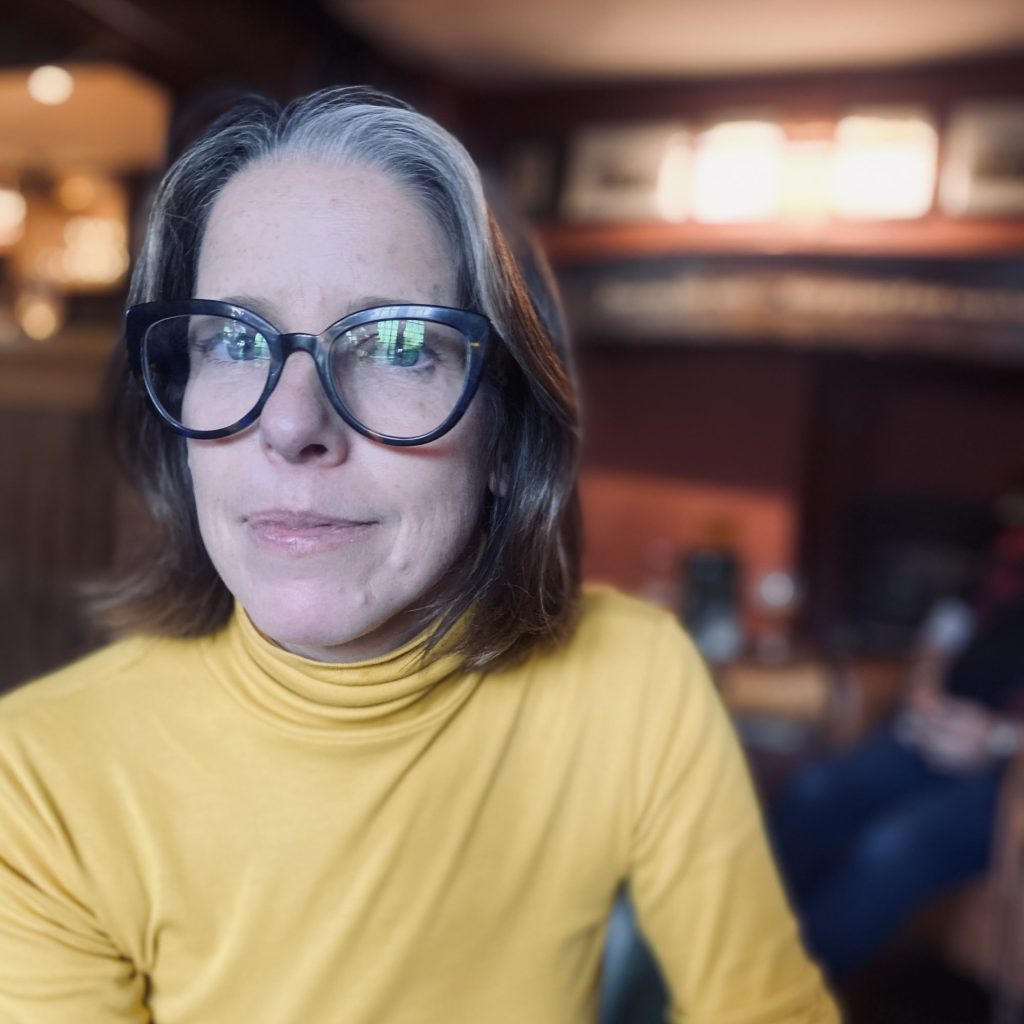
Madeleine Rogers’s background is in illustration, graphic, and product design. Recently graduated with an MA in Sustainable Design, her practice is focused on communicating wonder and awe for the natural world to young audiences. She has authored and illustrated a series of books celebrating wildlife, which have been translated into several languages. Her award-winning make-them-yourself paper animals have inspired children around the world to celebrate the wonderful and unique species of our planet. She is also passionate about growing food and understanding food systems. In her spare time, she is a volunteer shepherd and a nature-friendly gardener.
Madeleine and Cathy fervently believe that young people need more positive stories about the future.
Dr. Cathy and Madeleine, thank you so much for joining us. Let’s jump into the questions!
Can you give our readers an introduction to Kit — our young guide — and give us a taste of her life in 2070?
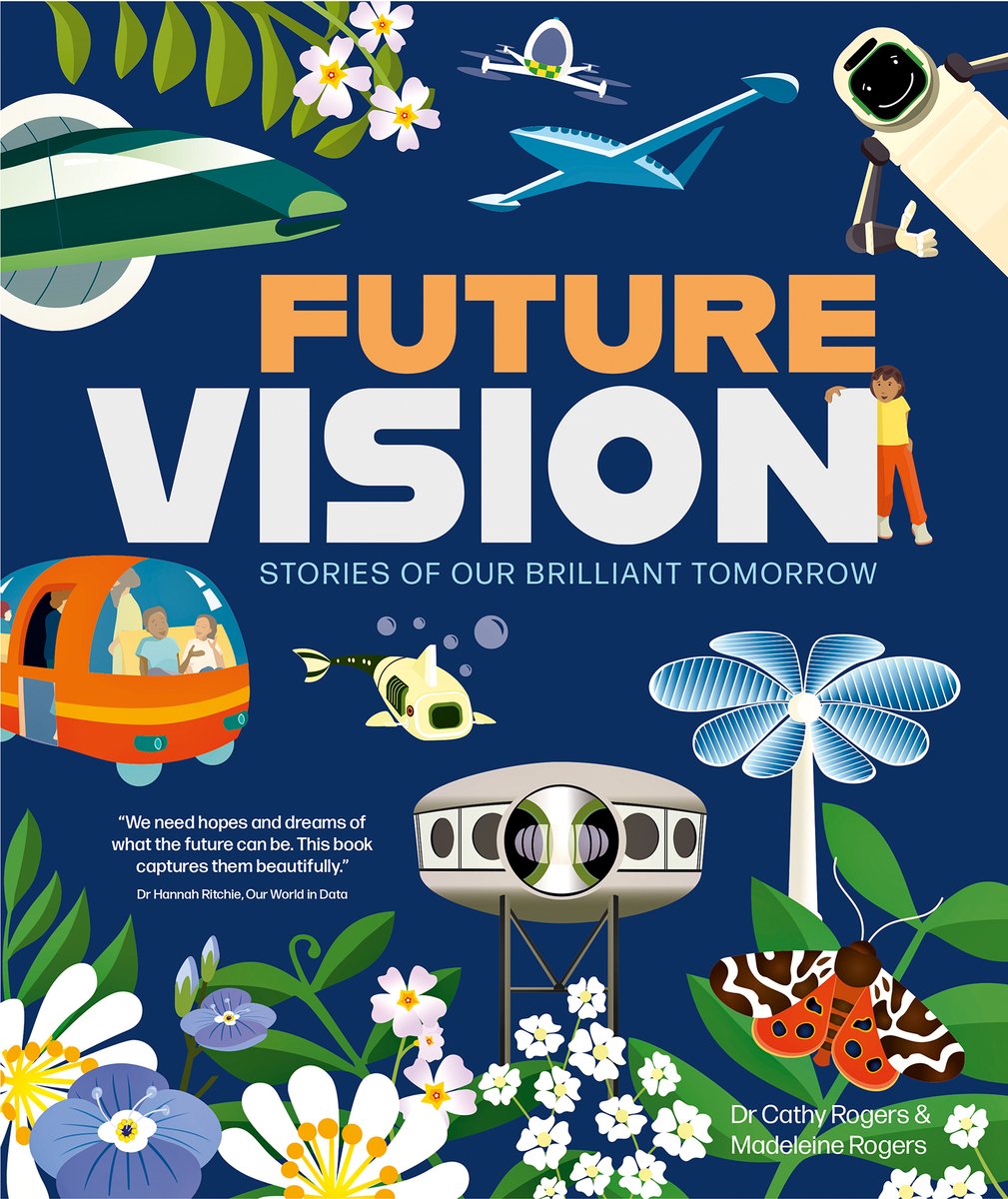
Dr. Cathy: Kit was born in 2058, so in our book, she’s 12. She’s a very recognizable 12-year-old, no alien attachments or robot eyes! We wanted to help children reading the book to be able to relate to the future as something real — so we wanted to have someone who could be their friend now as their guide. Kit cares about the same sort of things they do — she wants to hang out with her friends and do well at school, and have fun in her life. But some of the world around her is different. So when she meets her friend, he’s arrived on a train that goes 580 miles an hour; at school she learns through being in the “augie,” an augmented reality machine that means she can experience everything from walking on the moon to diving in the ocean; when she gets home she has a chat with her dog.
How did you come up with the details and look of the technologies and modernizations in the book? What did the research process look like for the text and art?
Dr. Cathy: We started wide. Before we got into the research for each chapter, we mapped out some very top-line ideas about what we wanted the feel of the book to be and what sort of topics we wanted to cover. Most books about the future concentrate on the tech, but we wanted as much to tell a story of the blossoming of the natural world, of the possibilities of us all reconnecting more with nature and each other. So we wanted to talk about things like wellbeing and democracy as well as space travel. Then for each chapter, we just read read read — science journals, newspaper articles, data mines — trying to get an idea of the trajectory of whatever area we were looking at.

Then we spoke to academic experts on that topic and grilled them — they were brilliant! Then we went away and wrote and Madeleine drew, and we shaped things into timelines and stories — then checked back in with our experts to make sure we hadn’t gone way off track. It’s a balance of fiction and nonfiction — we wanted what we wrote to be grounded in reality, but of course, no one can say for sure what the world will be like next year, let alone in several decades.
Madeleine: I did a lot of research into prototypes of emerging technologies and tried to imagine what they might evolve into. This was a hard balancing act because they still had to make visual sense and so still had to convey their purpose and not look too mysterious. Once we had Cathy’s draft, we would create the scamp (the hand-drawn layout of how the page will look in terms of illustrations/text position). This would give me an idea of each illustration that had to be created, and within that, what needed to be researched, or in some cases, imagined from scratch. I would then do extensive image research and create a folder with lots of imagery of ideas, and then merge these ideas into my illustration.
Why was it important to you to show young readers how investing in accessible and sustainable technologies can lead to a brighter tomorrow?
Dr. Cathy: Because it’s true! And because, even though we have the know-how to make a reality, it’s not happening nearly fast enough. Especially with the new U.S. administration and the collusion with fossil fuel corporations. We outlawed negativity, writing the book — part of the reason for writing it was a response to the persistent background noise of doom that children hear — so we didn’t want to talk directly about the climate crisis or poverty or war or any other terrible things. Of course, they are all there implicitly. But the point of the book is to show that, with people power and political will, a different, better world is possible.
Madeleine: What excites me more than future tech is the change in use of older and pre-existing technology. Some of the answers have been there all along; we’ve just veered away. Take, for example, bikes. What a fantastic design, which has really stood the test of time — what I get really excited about is re-imagining cities and towns to move away from the supremacy of the car to allow for safe and easy active transport, such as cycling. 3-wheeler and electric versions of bikes also mean that more and more people can access this type of transport. When you go to places like Paris and Amsterdam, you can witness how much more liveable this makes cities.
Did your sisterly relationship play a role as you collaborated on this project together?
Dr. Cathy: Oh yes, we totally finish each other’s sandwiches. I absolutely loved working with my sister. She is brilliant and imaginative and one of the most creative people I know. We laugh a lot at each other’s jokes. We complement each other — I’ll have a half-baked thought she’ll run with, and vice versa. We also compliment each other. That’s important too. It was actually a piece of incredible luck that our work trajectories and timelines allowed us this precious moment in time to work together — something we’d often talked about but never done before (well, not since our 80s photo shoots in the garden posing for imaginary fashion contracts).
Madeleine: This definitely played a huge part; there is definitely a shorthand between us in that we can very easily grasp where the other one is going. Collaborating with Cathy was a huge joy.
Cathy, you have a background in science and television, but this is your first picture book. What led you to transition into this new medium, and what were some of the challenges or pleasant surprises?
Dr. Cathy: I would never have had the audacity to write a picture book if it hadn’t been for doing it with my sister. So, in a way, that part is borrowed. For my part, in the bit I do, I am the go-between, with science on one side and stories on the other. I like throwing a thousand ideas onto the wall, then trying to find a line that connects them all in a compelling and meaningful way. Whether it’s words or pictures or moving images, that’s the process I love.
Madeleine, what was your favorite “tomorrow tech” to illustrate in this book? Which one was the trickiest?
Madeleine: I think my favourite tomorrow tech would have to be the new renewable energy tech, like the petal-shaped solar panels or the wind balloon. I really like the idea that, as we switch over to renewable energy like this, design can play a big part in making it beautiful as well as functional. There are great ideas out there around how energy-producing structures can also provide cultural enrichment — a lovely example being vertical wind turbines which chime in the wind, so the ultimate outcome is an energy-producing sound/sculpture park.

Trickiest? I found the house robot quite a challenge, and in the end, went for something quite retro (and definitely not humanoid as I find that too spooky). I like the idea that futuristic things can look quite friendly and familiar, rather than cold and stark.
We always love to ask children’s authors and illustrators about the books that inspired them when they were young readers. Are there any books or series from your childhood that you carry in your heart?
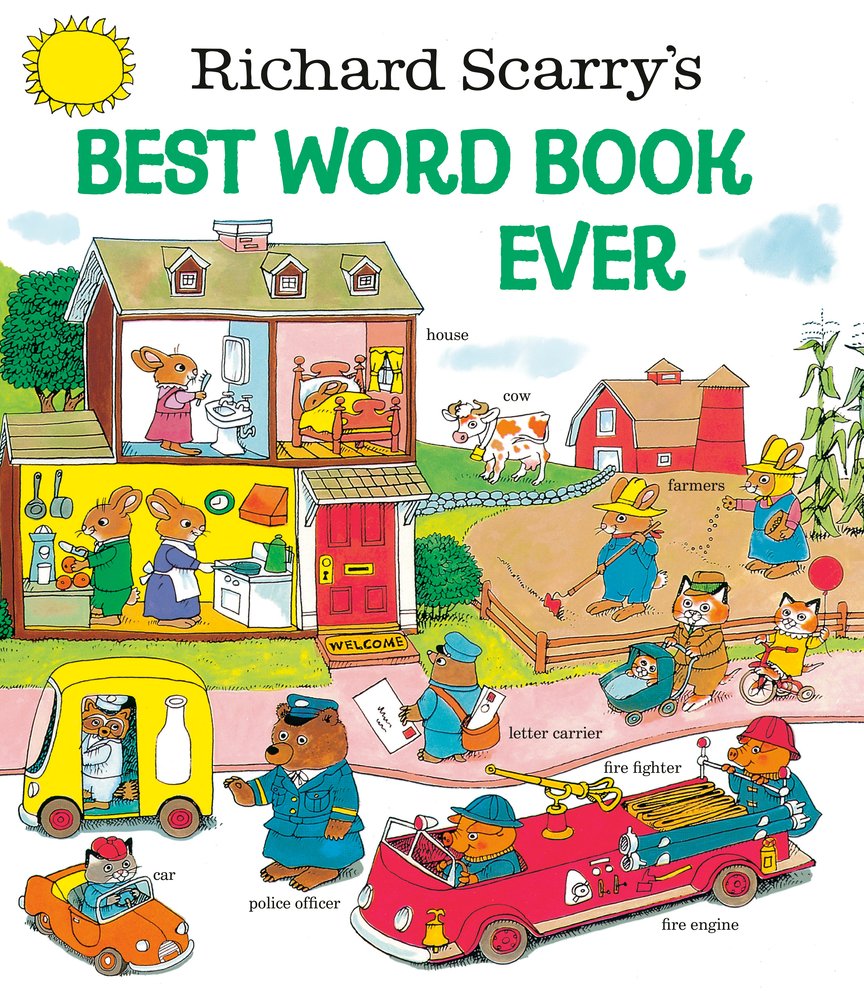
Dr. Cathy: As a young child, I loved Richard Scarry books and discovering how, whenever you went back to them, there was always something new, something you had somehow missed, no matter how hard you’d looked; it was like a miracle. I was quite obsessed with Masquerade by Kit Williams when it came out — the idea that these words and images were clues to a real thing hidden in the real world. Thrilling. And — I don’t know if this counts, it’s very unliterary — but the Magic Eye books, the ones where you hold a page with this strange fuzzy pattern up to your face and you sort of defocus and then — woah – there’s a herd of hippopotamuses! So I suppose there’s a theme here of searching for things. Which actually is the story of my life!
Madeleine: I love the 1960s Caroline series of books, which we collected when we lived in France. She was a little girl with an array of both domestic and wild animal friends who would come to visit her. Such rich illustrations, with so much going on in them. The sort of pages that you could get lost in for hours.
Lastly, in honor of Future Vision, what technology from the book are you personally most looking forward to becoming a reality?
Dr. Cathy: Chat with a cat? I’ll take it.
A huge thank you to Dr. Cathy and Madeleine for taking the time to talk with us! Be sure to find out more about them and Future Vision at FutureVisionBook.com. Dr. Cathy can also be found on Instagram and Twitter/X, and Madeleine can be found online at Mibo-Studio.co.uk and Instagram. Lastly, don’t forget to add Future Vision: Stories of Our Brilliant Tomorrow to your family’s TBR list!
To check out more of our exclusive talks with authors, check out our entire One-on-One Interview series!
To see all of our recommendations for mini-bookworms, check out our Bookshop bookshelf.
