

















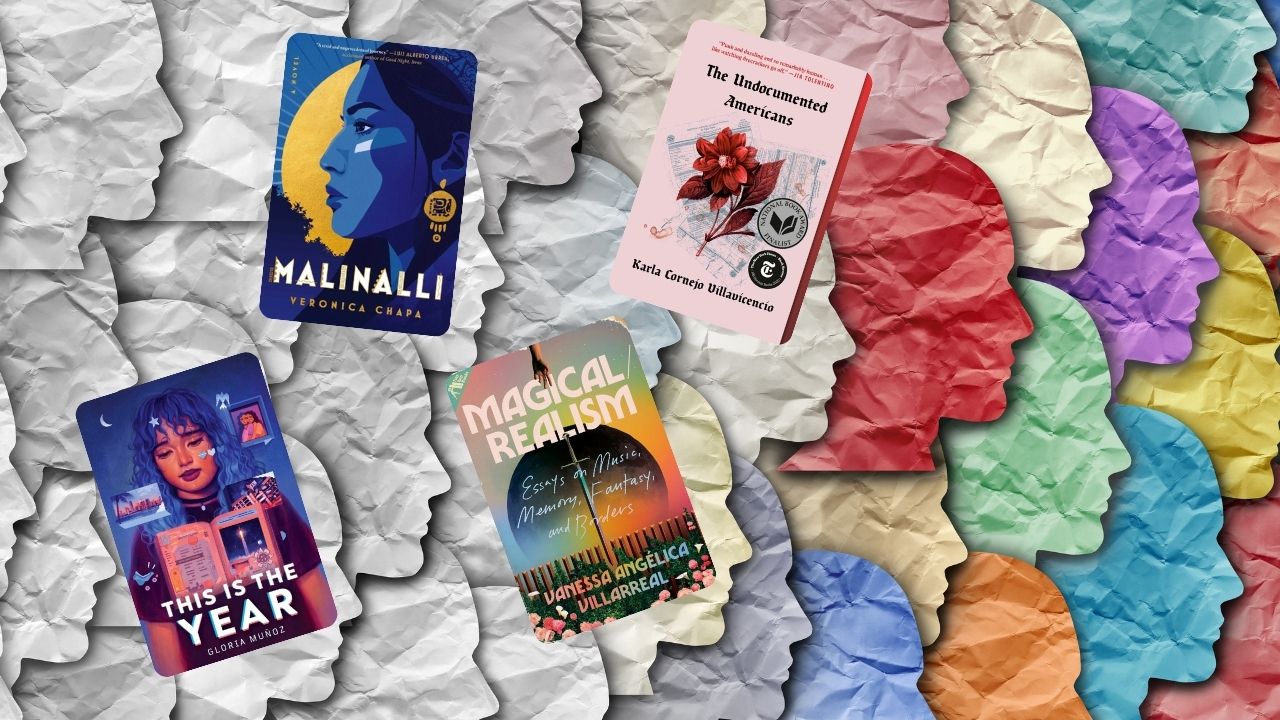
The composition of identities that make up the United States population is uniquely diverse, especially that of the Latino demography. But if we take a closer look at this section (one that comprises almost a fifth of the US population), it is evident that the “Latino” label is such a convoluted word that does not necessarily describe one accurately. Being “Latino” can represent a multicultural spectrum of identities, depending on a range of so many countries. As America has been a “melting pot” for decades, the cross-cultural representations can complicate how one perceives their narrative within an American context. Throw in other sociocultural traits, such as gender, sexual orientation, and religion, and it becomes extremely evident that “Latino” is an umbrella term over so many social identities.

In this Bookstr listicle, we have researched and discovered written works that highlight this diverse and complex idea of the “Latino.” The list has been broken down into fictional and non-fictional works, as both mediums offer a unique method to reveal the Latino narrative to their readers.
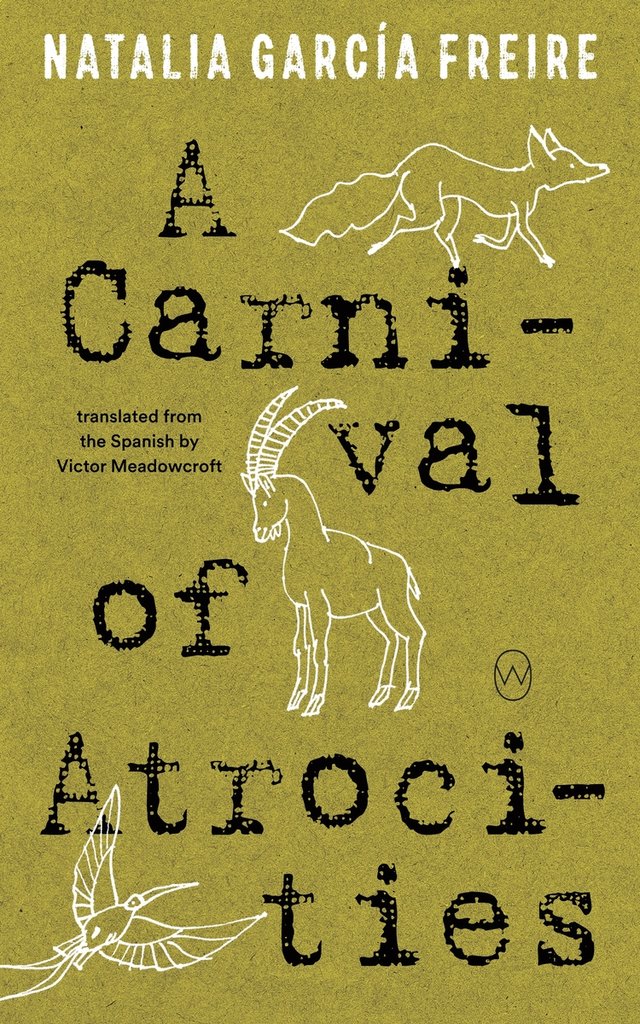
A Carnival of Atrocities by Natalia García Freire
Mildred was born in a small town called Cocuán, hidden deep in the Andes of Ecuador. After tragedy strikes, Mildred loses everything, sending her into obscurity and transforming her into a dark folktale of Cocuán. Years later, the legend of Mildred strikes again, plaguing the community with death and despair. Between nine different characters, the tales of Cocuán — both past and present — are uncovered once more.
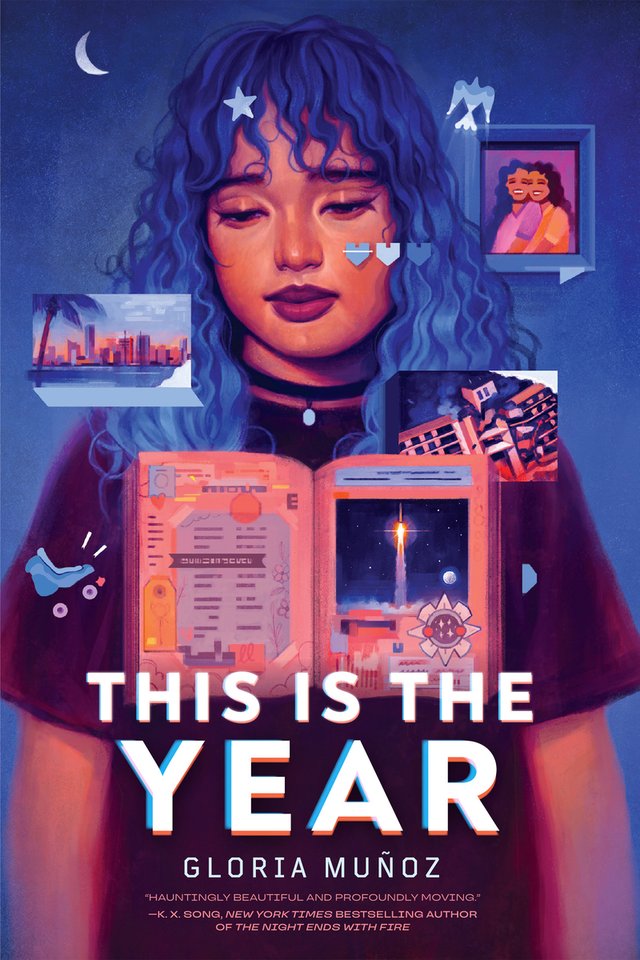
This Is the Year by Gloria Muñoz
With so much turmoil transpiring throughout the world right now, the urge to either flee or stand up and fight becomes difficult. This is the case for 17-year-old potential writer, Julieta Villareal, as her world is crumbling around her, with the weight of both her twin sister’s death and climate change ravaging her home state of Florida. As hope is diminishing, the Cometa Initiative approaches Julieta to take part in their program to travel to the moon with plans to build a human sanctuary. Just as she is ready to say goodbye to this world, new developments within her life question her to stay.
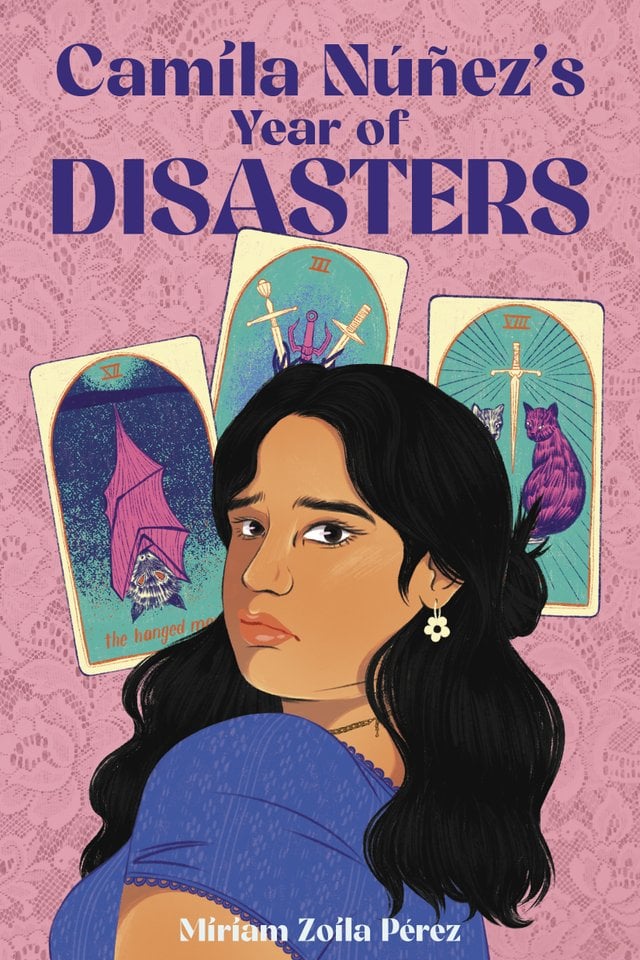
Camila Núñez’s Year of Disasters by Miriam Zoila Pérez
Anxiety and intergenerational trauma grate on Cuban American Camila Nuñez, as she is attempting to feel confident both professionally and personally. A troubling tarot card reading does not soothe her worries, especially when bad luck continues to follow her years after the reading. Will Camila let her fear and anxiety steer her through life? Or will she overcome these obstacles to create a life of her own?
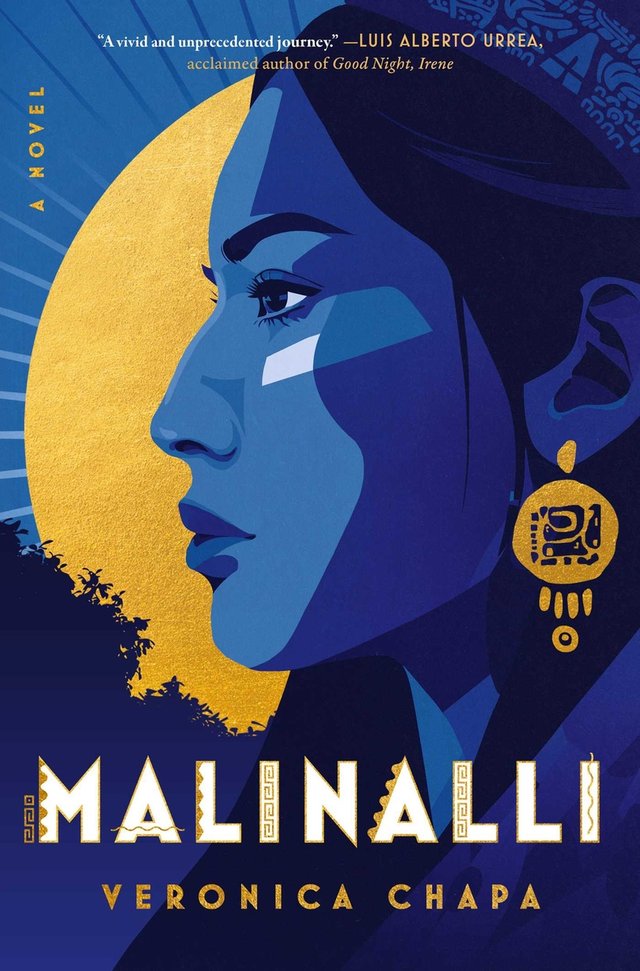
Malinalli: A Novel by Veronica Chapa
Based on the real-life historical figure of La Malinche — a controversial indigenous woman who was forced to interpret for the invading Spanish while viewed by her own people as a traitor for doing so. Chapa’s retelling reveals the inner turmoil of the young girl behind the legend of La Malinche, as she was only twelve years old when she was caught between the furies of the Spanish and Moctezuma. Chapa strives to paint La Malinche with empathy and humanity — a version of this woman that has been caught hidden for centuries.
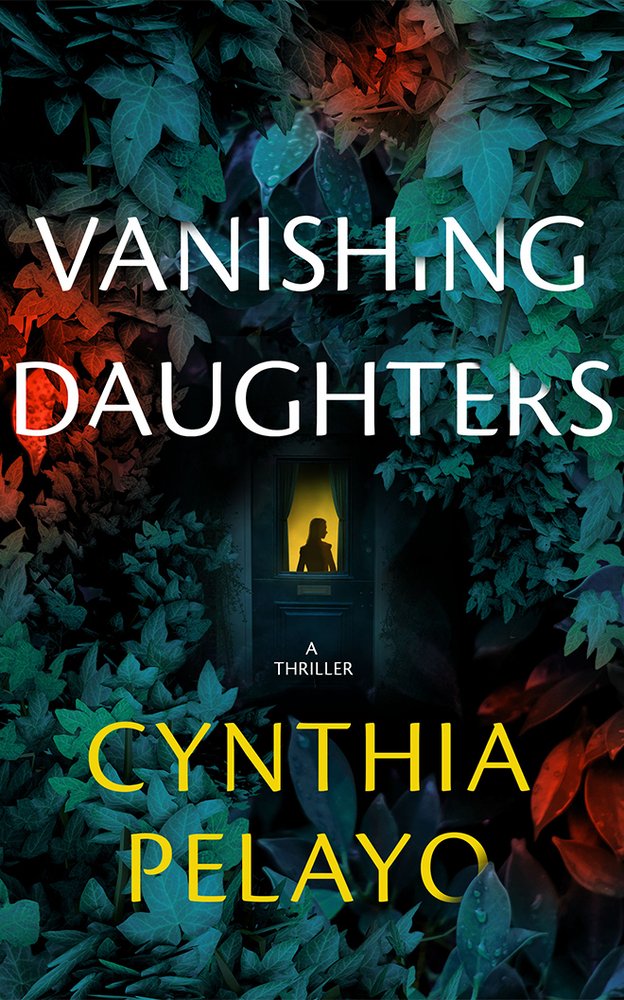
Vanishing Daughters: A Thriller by Cynthia Pelayo
Briar Thorne’s life is rattled after the death of her mother inside their home in Chicago. Set within an old mansion, Bri continues to live in their family home even after this tragic event. But she begins to be plagued by nightmares and manifestations of a haunting woman in white. Meanwhile, a serial killer stalks the streets of Chicago, targeting women. As a journalist, Bri begins to investigate these murders and discovers that there may be some connections between her visions and this killer.
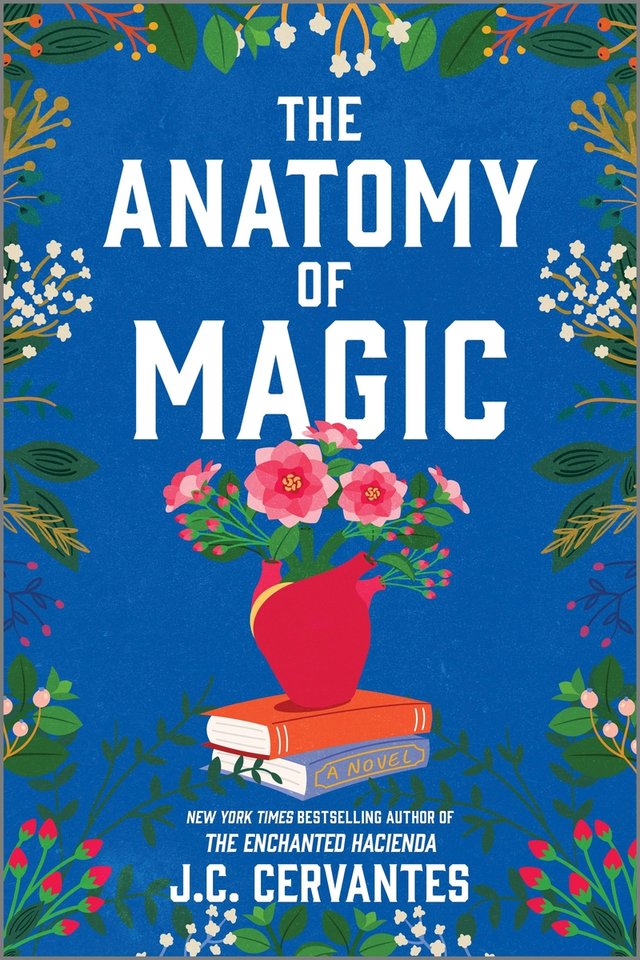
The Anatomy of Magic by J. C. Cervantes
Coming from a family of women who possess magical powers, Lilian Estrada can manipulate memories. While she seems to have everything together in her life — a perfect balance between her career as an ob-gyn and spicy romance life — a tragic incident at the hospital threatens to unravel her whole life. In an attempt to gain some peace, Lily escapes back to her family home in Mexico. But instead of finding peace, Lily is surprised to run into her first love, Sam — a relationship with so many unanswered questions.
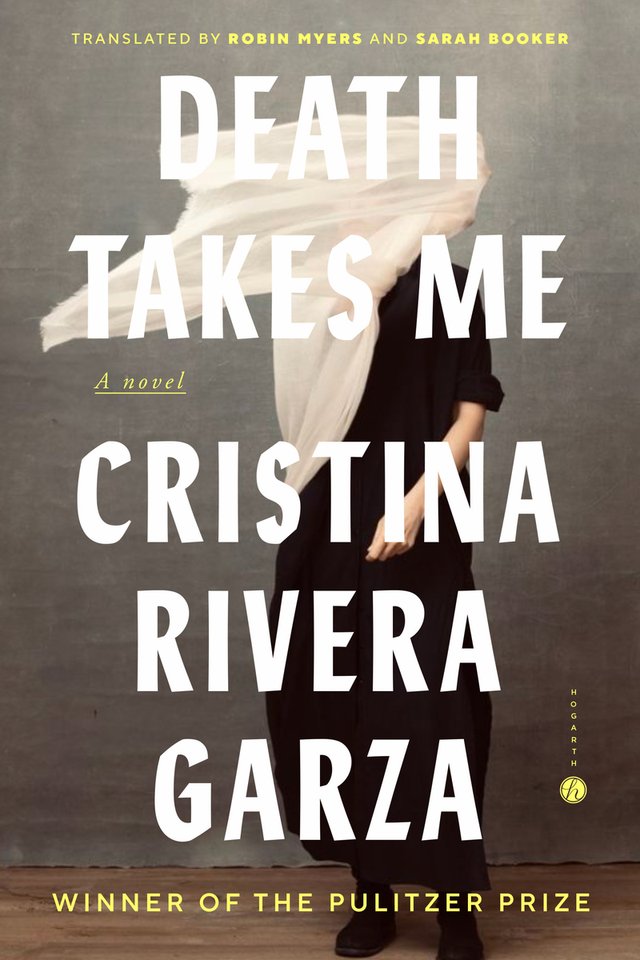
Death Takes Me: A Novel by Cristina Rivera Garza
One dark night, Professor Cristina Rivera Garza discovers a mutated body in an alley. Written on the wall beside the dead man reads: “Beware of me, my love / beware of the silent woman in the desert.” As more bodies and more segments of poems are littered throughout the city, the professor and a detective are immersed in this mystery of who is causing these horrific scenes. Playing on the genre of the crime novel, Rivera Garza explores the ideas of desire and sexuality in this thrilling literary fiction.
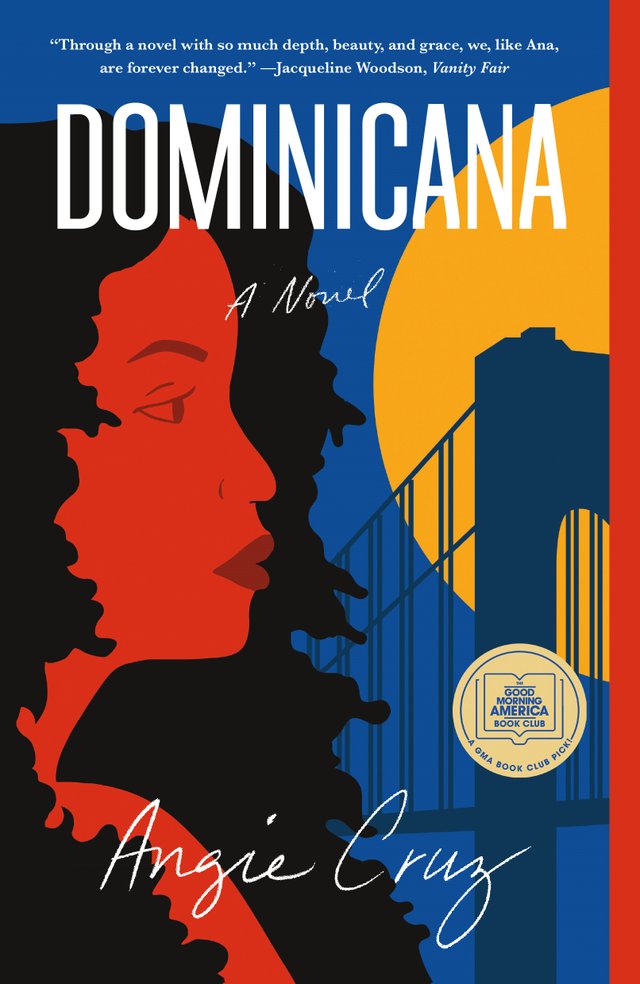
Dominicana: A Novel by Angie Cruz
While girls her age are worrying more about high school and dating boys, 15-year-old Ana Cancion is planning on marrying a man twice her age, moving from her home country Dominican Republic to New York City. Set in the 1960s, her marriage to Juan Ruiz will be a beneficial move for her family, as America will provide them with better opportunities. But when Ana finds herself trapped in a lonely Washington Heights apartment, she devises an escape plan. But at the last minute, she is stopped by Juan’s younger brother, Cesar, who talks her into staying.
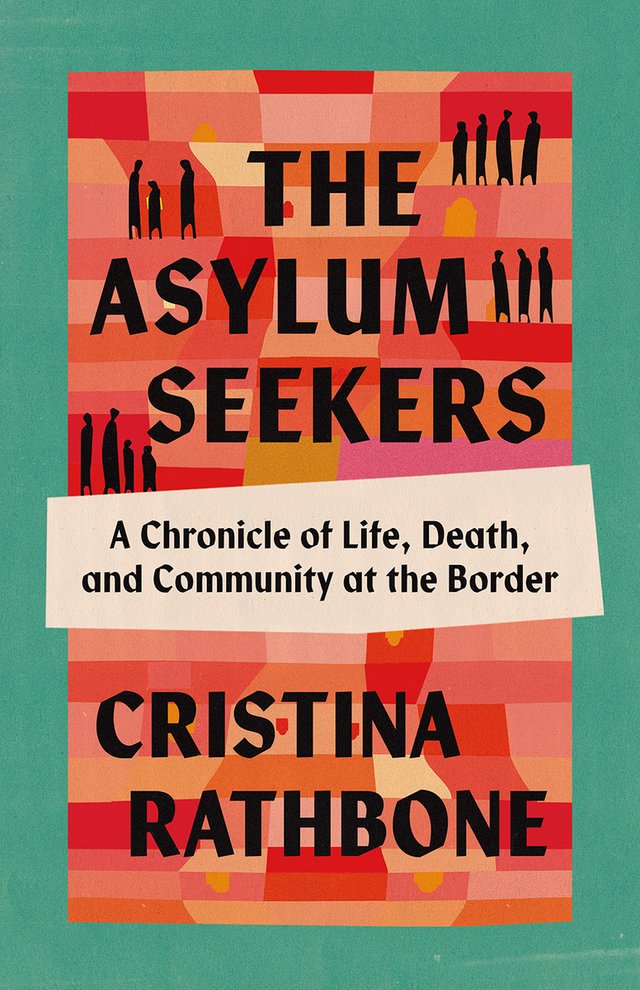
The Asylum Seekers: A Chronicle of Life, Death, and Community at the Border by Cristina Rathbone
To present the narratives of asylum seekers on the US/Mexico border, author Cristina Rathbone searches for these stories in the transit town of Juarez. It is here she meets the real human beings experiencing the horrors in search of a better life. However, Rathbone also finds hope and resilience as the immigrants form a community to help each other.
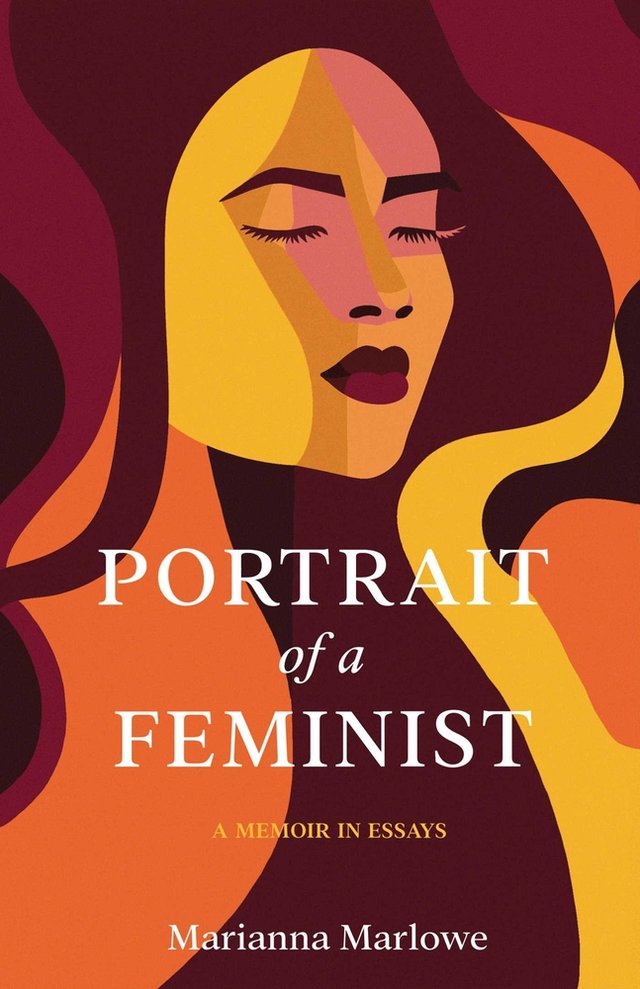
Portrait of a Feminist: A Memoir in Essays by Marianna Marlowe
Transversing multiple borders between the United States, Peru, and Ecuador, Marianna Marlowe outlines her journey on how she became a feminist, her roles as an academic, a wife, and a mother. Her childhood living between a Catholic mother and an atheist father fuels her feminist perspectives. She also questions how these views evolve and affect her everyday life.
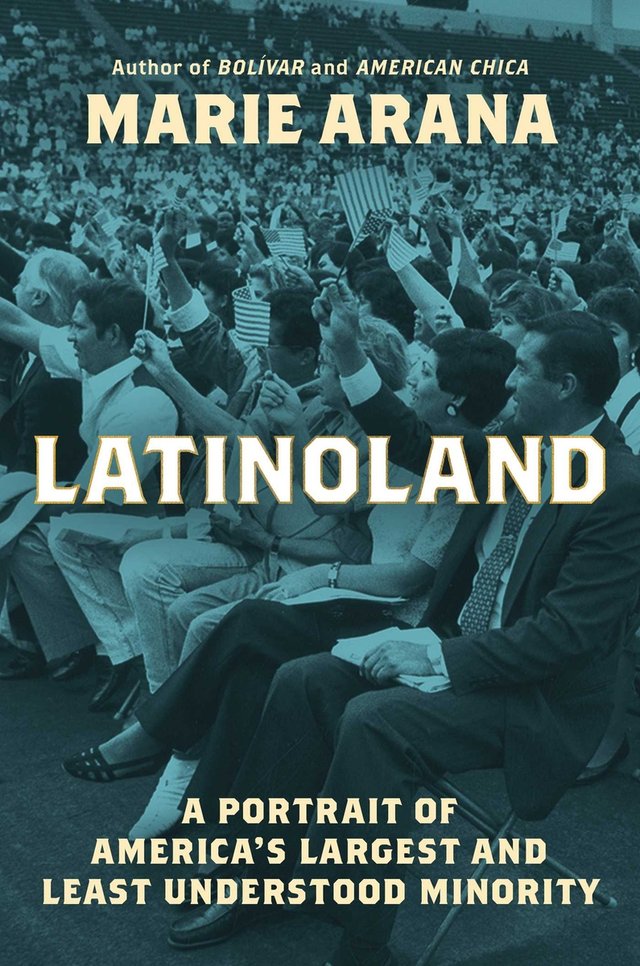
LatinoLand: A Portrait of America’s Largest and Least Understood Minority by Marie Arana
Census reports show that the Latino population in the United States is rapidly growing, as that number currently sits at 20%. However, if one dives into the composition of the Latino section of the population, it would reveal a diverse picture, as this fragment includes people from a spectrum of different countries and areas, such as Mexico, Puerto Rico, Cuba, Dominican Republic, El Salvador, Chile, and many more. Each country’s journey into the United Story has built a unique story. Author Marie Arana draws on her background, stemming from an American mother and Peruvian father, to highlight the complex construction of the Latino population within the United States.
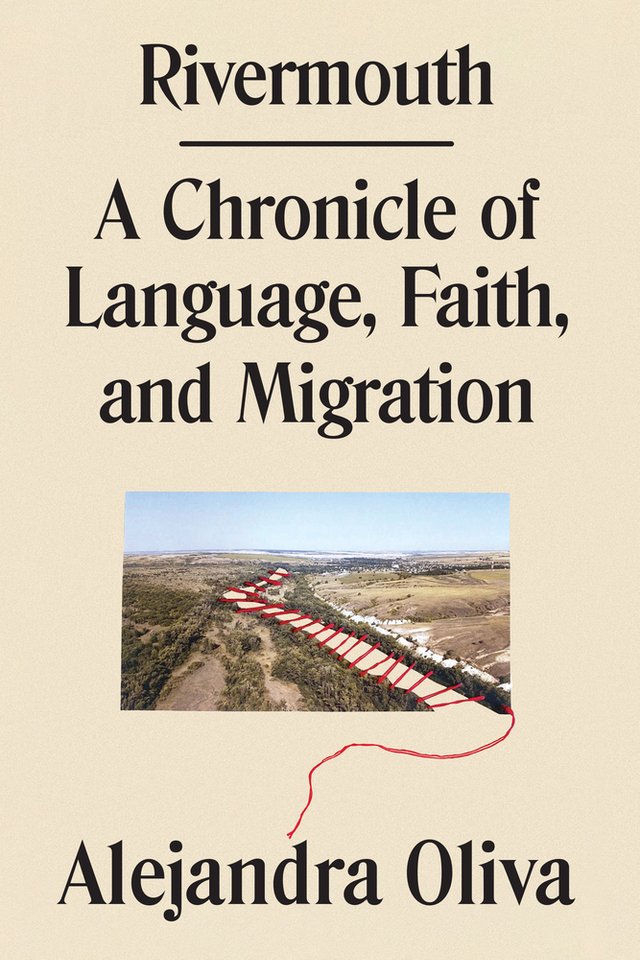
Rivermouth: A Chronicle of Language, Faith, and Migration by Alejandra Oliva
In this eye-opening memoir, Alejandra Oliva shares her tales from the Mexico/US border, where she worked as a translator and immigrant justice activist. She uses her own personal family background and years of experience handling asylum cases to translate the trauma experienced by immigrant families. Oliva focuses on the physical barriers that these families encounter, such as the rivers and waterways they bravely cross.
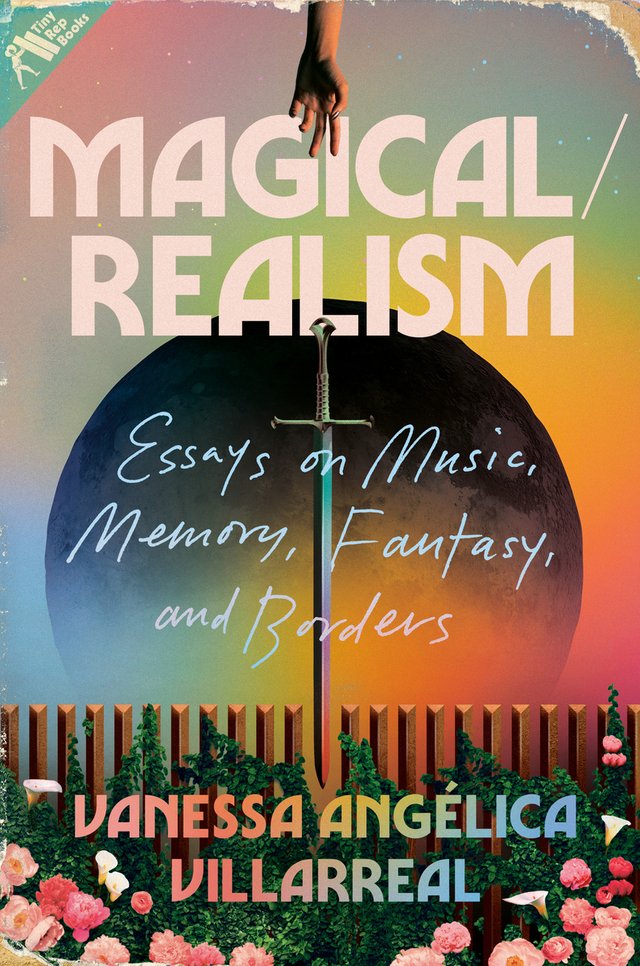
Magical/Realism: Essays on Music, Memory, Fantasy, and Borders by Vanessa Angélica Villarreal
In this collection of essays gathered by Vanessa Angélica Villarreal, multiple mediums of music and literature are used to highlight the topics faced in Latino culture, such as migration and colonialism. Villarreal shares how she has used instances in pop culture to make connections with memories that have represented trauma within her life. One example can be the representation of gender performativity compared between Nirvana and Selena.
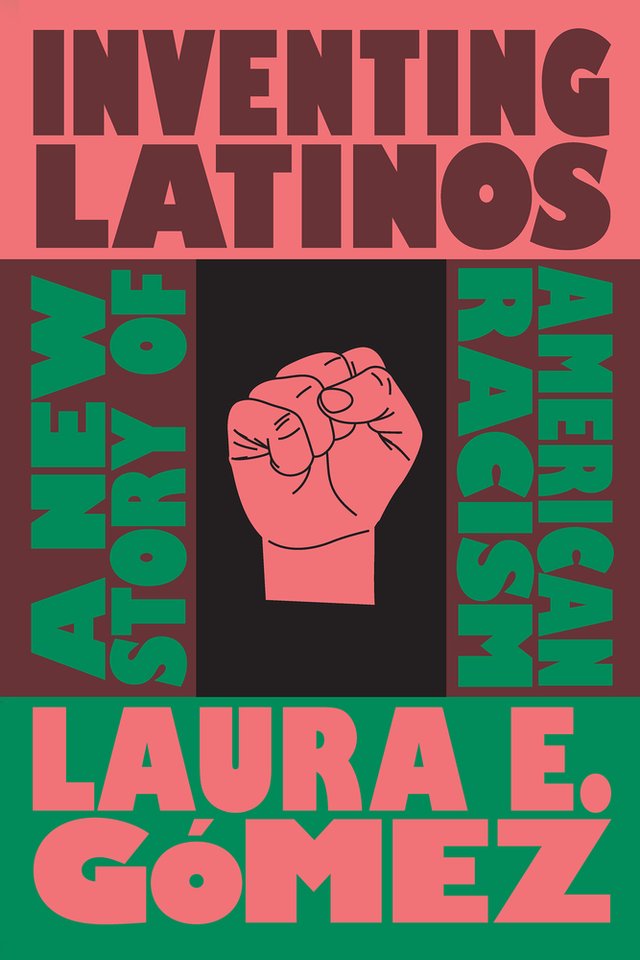
Inventing Latinos: A New Story of American Racism by Laura E. Gómez
As Maria Arana was discussing the misinterpretation of the Latino people in the United States, Laura E. Gómez continues this conversation. Again highlighting that Latinos make up a massive section of the US population, she also reflects on how Latinos’ identity is not understood in a full American context — asking such questions as “Who are Latinos?” and “Where do they fit in America’s racial order?” Gómez continues to examine how the individual groups of Latinos are grouped in one larger section, which contributes to anti-Latino racism across the country.
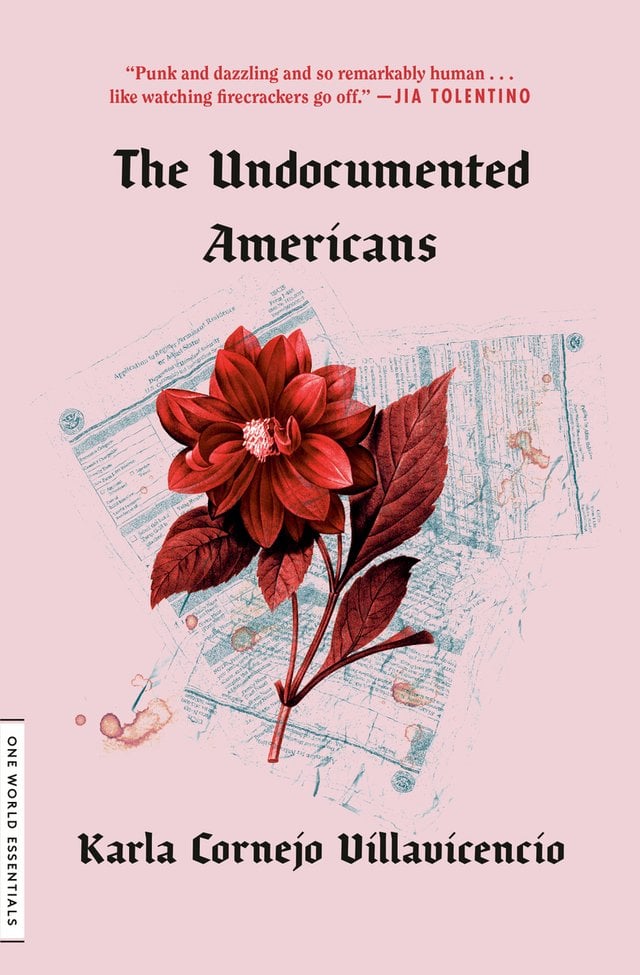
The Undocumented Americans by Karla Cornejo Villavicencio
With DACA (Deferred Action for Childhood Arrivals) on the chopping block under the Trump administration, Harvard graduate, DACA recipient, and writer Karla Cornejo Villavicencio travels across the country in search of narratives from other undocumented immigrants. On her journey, Villavicencio reveals the important roles these immigrants have in American society. While each story is very different, the narratives reveal the common goals and struggles of being an (undocumented) American.
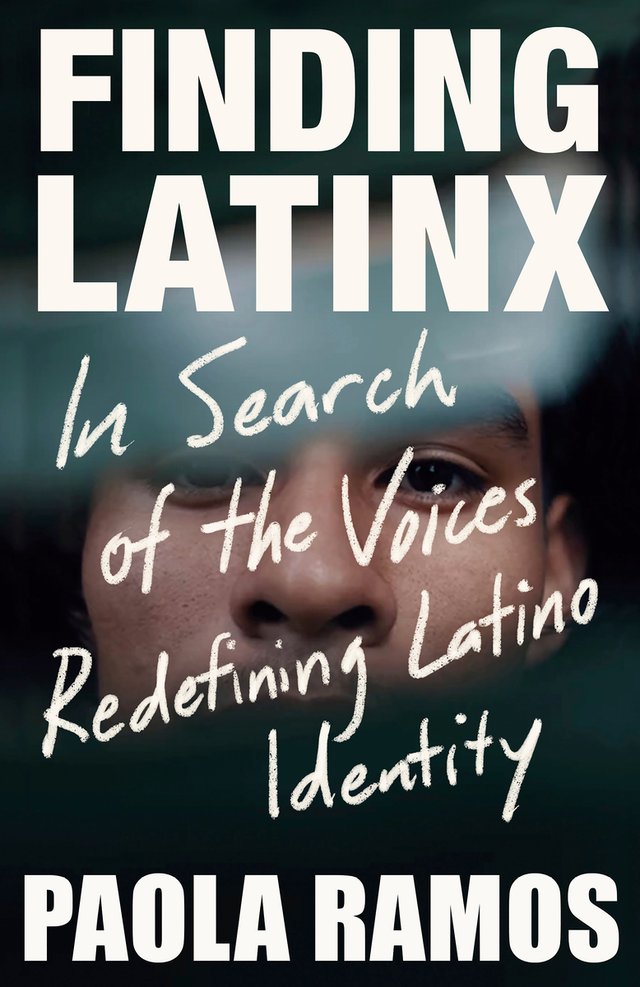
Finding Latinx: In Search of the Voices Redefining Latino Identity by Paola Ramos
So far in this listicle, we have suggested non-fiction books that explore the complexities of the Latino population based on different countries. With Paola Ramos’ book, they dive deeper to explore the cultural segments in the Latino culture, not based on country, but rather identities such as Afro-Latinos and Trans-Latinos. This investigation explores further into the complex term of “Latinx” — a non-binary label for the Latino population. With more of a focus on the up-and-coming younger Latinx generation, this work offers topics that help navigate through the obstacles of the current US political landscape.
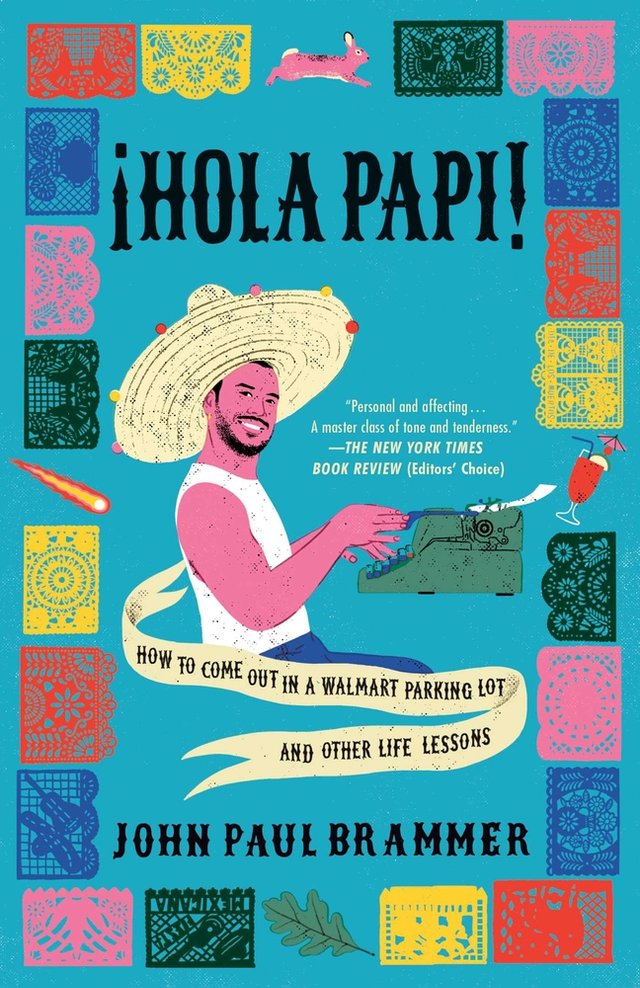
Hola Papi: How to Come Out in a Walmart Parking Lot and Other Life Lessons by John Paul Brammer
LGBTQ advice columnist John Paul Brammer shares his personal experiences, as he grew up as a biracial, gay man living in America. Playfully known as “Chicano Carrie Bradshaw,” Brammer retells his memories of discovering Grindr and being confused when a potential date called him “papi.” Brammer uses this and other tales to build his concept of identity in a complex environment of America.
By reading these diverse narratives, we can discover how complex and unique the Latino population is. Whether it’s through fictional stories or real-life accounts, it is important to hear the experiences of others, so that we can understand their journeys.
Want to read more about Latino literature? Read our article Discover Three New Series Embracing Classic Latino Literature.
Don’t forget to check out our bookshelf: Hispanic/Latinx Recommendations: Bedtime Stories, Poetry, and Novels.
