





In this edition of our 5×5 series, we’re talking to children’s authors who have used their books to tackle the sensitive subjects of death and grief with young audiences. Picture books have long been used as a pathway to approach and explain difficult topics to young readers. From social issues like racism and war, to personal issues such as divorce and bullying, picture books can help young minds and hearts understand big emotions and complex circumstances.
As a writer for the Junior Library Guild wrote, “The right book can break down walls, increase understanding, foster emotional intelligence, diminish fears, validate feelings, and even help readers cope.” Let’s learn more about five of these books and their authors, who have used their experience and skill to help little readers navigate difficult times.
Trigger Warning: This article contains discussions of death, loss, and grief. Please exercise self-care while reading.
The Authors
Lindsay Bonilla
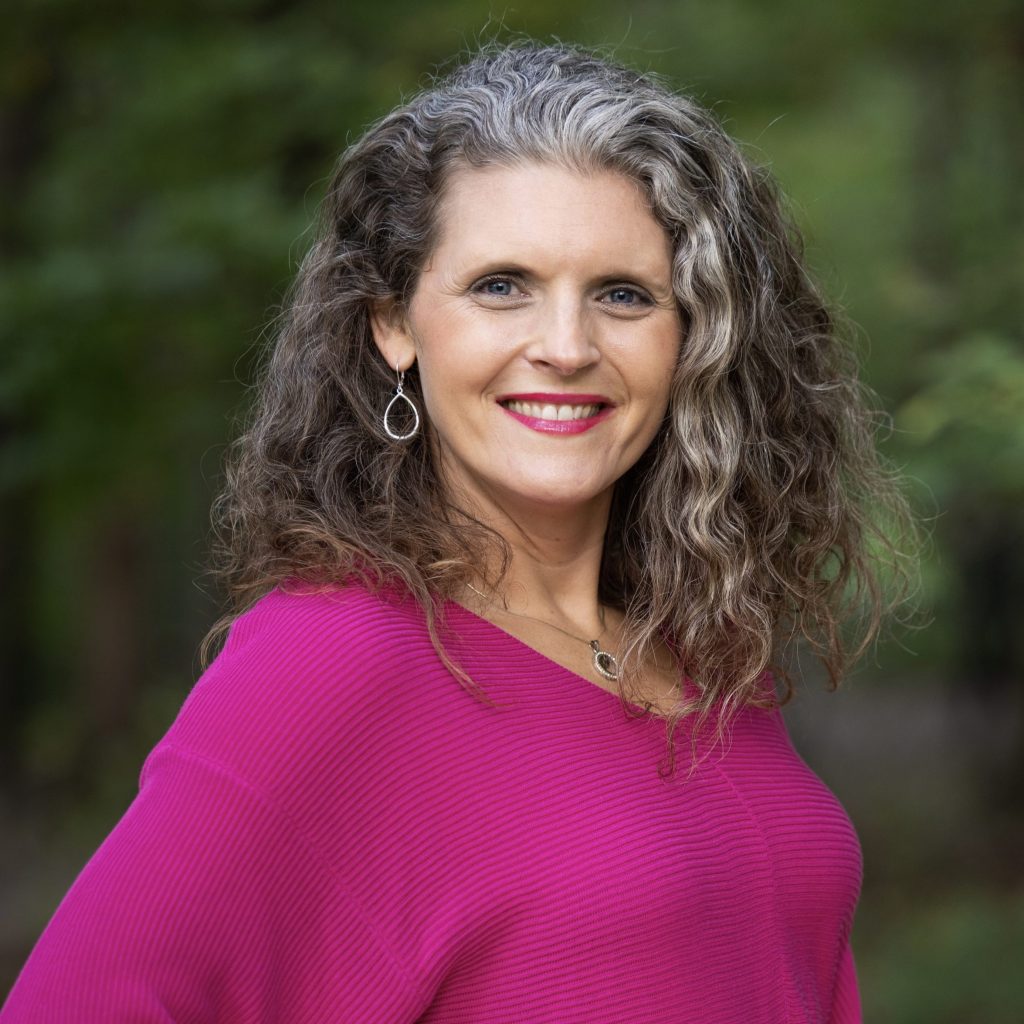
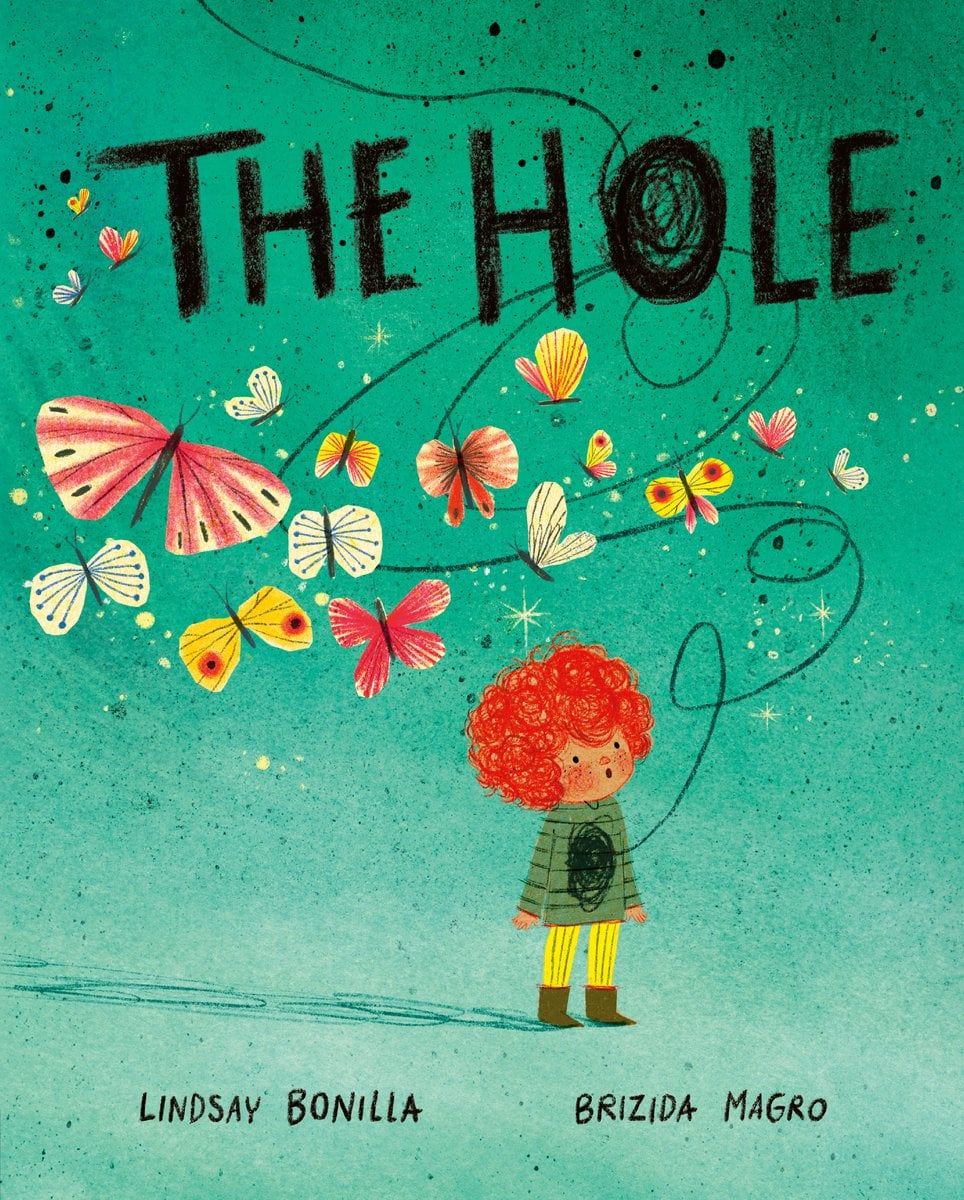
Lindsay Bonilla is a professional storyteller and children’s book author from North Canton, Ohio. She performs audience-participatory multicultural folktales through her company, World of Difference, Ltd., and offers engaging author visits at schools, libraries, festivals, and beyond. Her books include Parents’ Choice Award winner Polar Bear Island; I Love You With All of My Hearts; The Note Who Faced the Music; The Storyteller (a 2025 Bank Street Best Children’s Book of the Year and a 2025 Choose to Read Ohio booklist selection), You’ve Got This, and The Hole. Forthcoming titles include Family Is Always (Penguin, 2026).
Anastasia Higginbotham
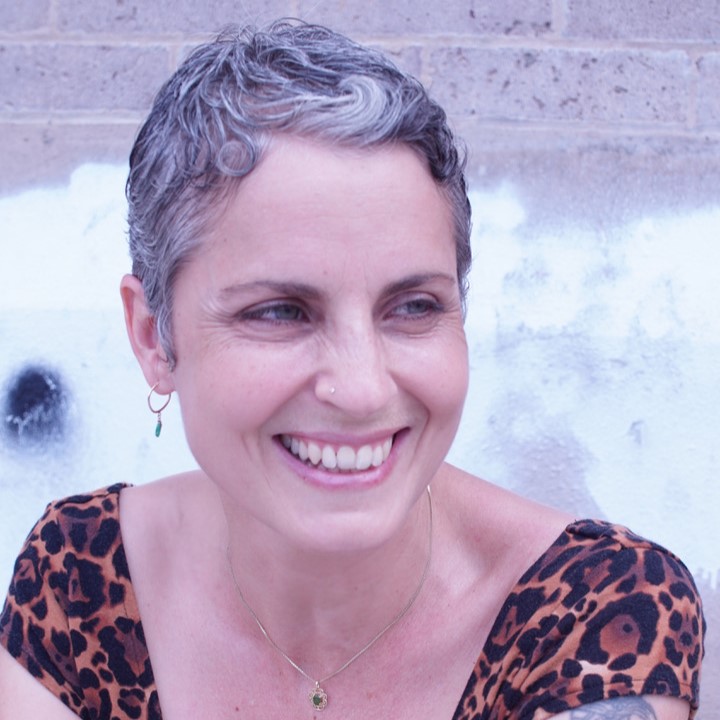
Anastasia Higginbotham launched her Ordinary Terrible Things children’s book series in 2015 with Divorce Is the Worst. She followed with Death Is Stupid and Tell Me About Sex, Grandma. Her 2018 book, Not My Idea: A Book About Whiteness, invites white children to connect to their own sense of justice and confront systemic racism. It earned the International Children’s Library White Raven Award in 2019 and is being targeted for its insistence on trusting the humanity and capacity of White children to love themselves and align with Black liberation to get free from a system that was not their idea.
Higginbotham makes her books by hand in collage on grocery bag paper, using recycled materials. Her work demonstrates a way for kids to cope with change and loss by making meaning out of whatever broken, ragged, or unraveling life circumstances they face. A direct challenge to the status quo, Higginbotham’s work undermines systems of supremacy by empowering children to recognize when they are being lied to and demand to know the truth.
Dottir Press publishes all of Higginbotham’s books, including her middle grade books: What You Don’t Know: A Story of Liberated Childhood, featured in the NYC Department of Education’s Mosaic Curriculum in 2021, and You Ruined It, named by School Library Journal as one of the Best Books of 2022.
Higginbotham writes for social justice organizations and teaches full-impact self defense for Prepare Inc. Her work has been featured in The Atlantic, Liber Review, The Believer, The New York Times, Ms., Bitch, The Sun, The Women’s Review of Books, and in anthologies, including Yes Means Yes, 33 Things Every Girl Should Know, and Listen Up: Voices from the Next Feminist Generation.
Angie Kang
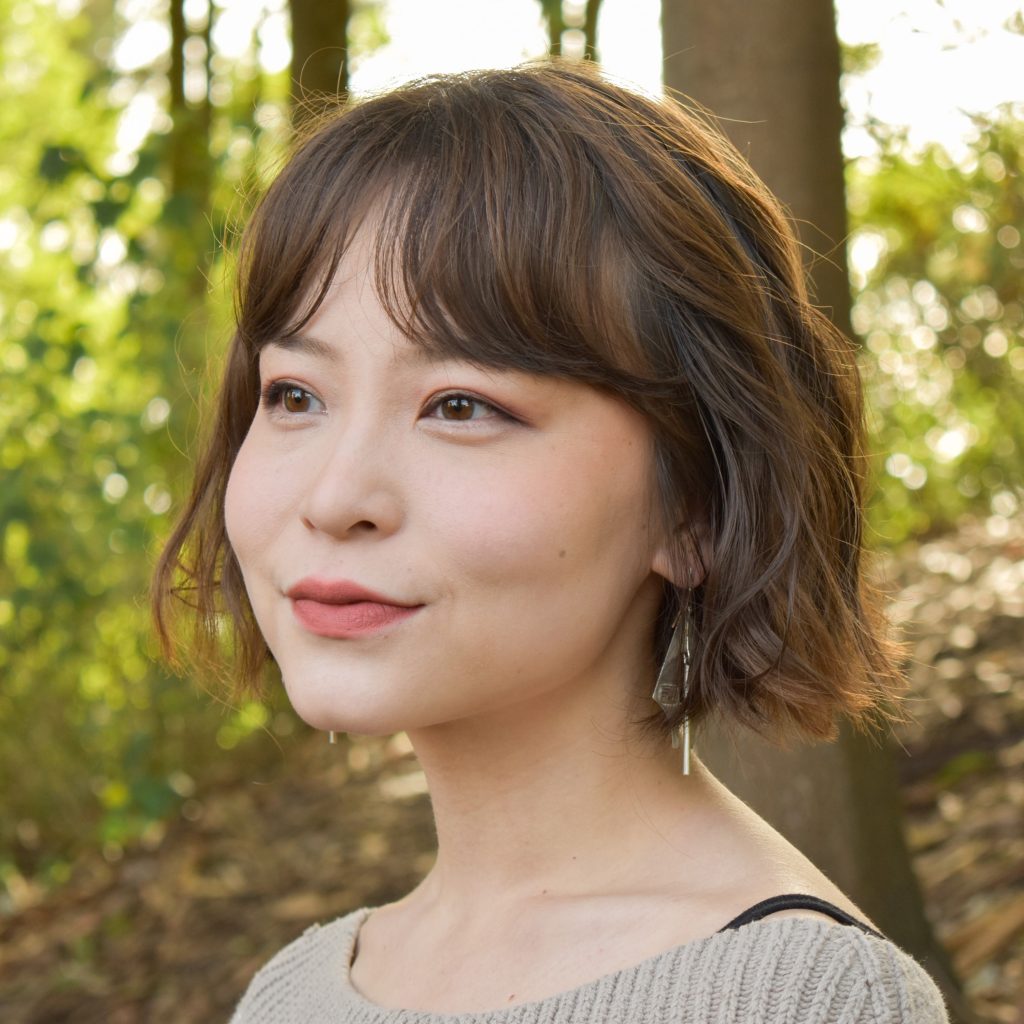
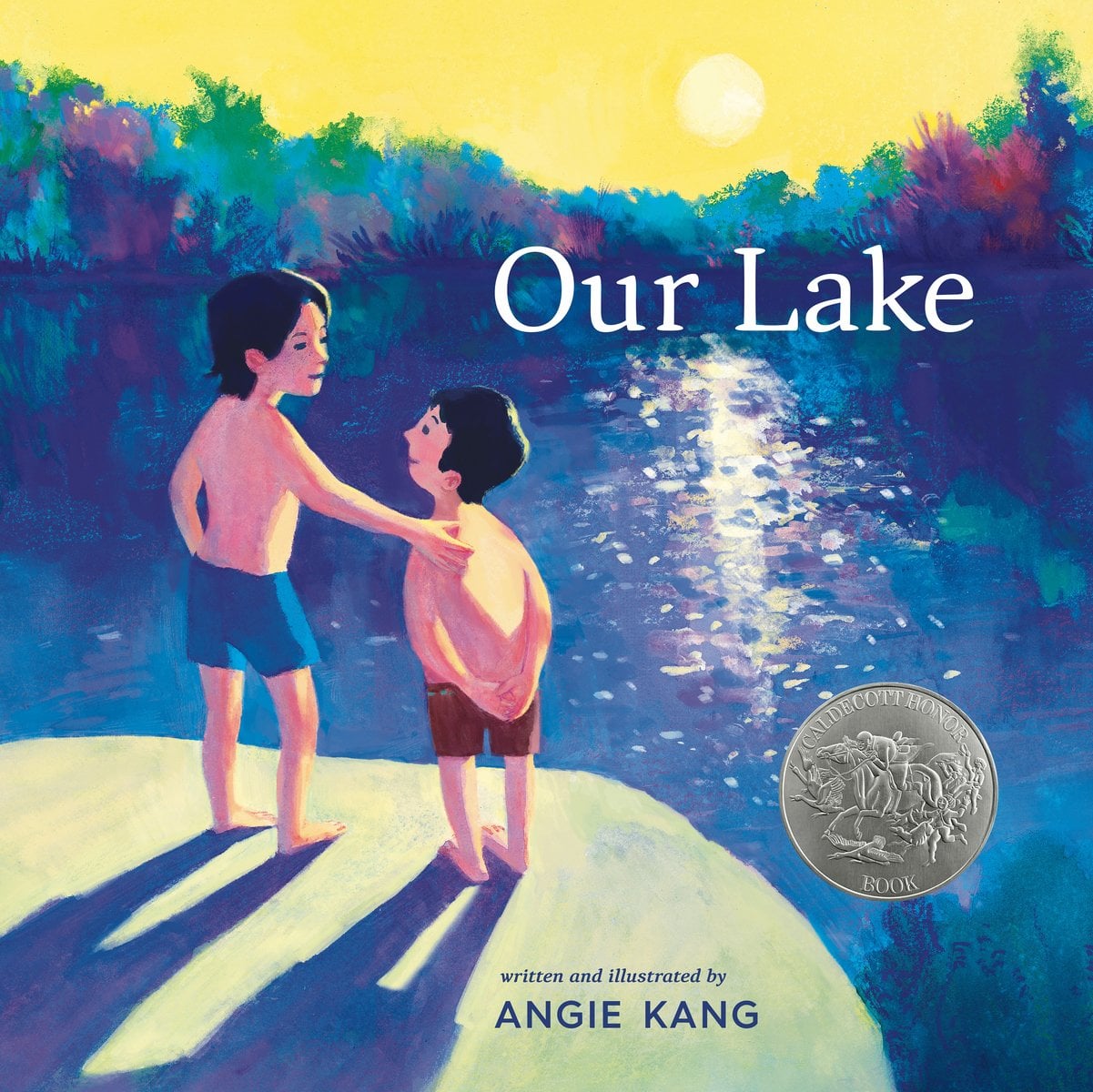
Angie Kang makes art in L.A. She is the author-illustrator of Our Lake (Kokila, 2025) and the illustrator of Navigating Night (Anne Schwartz Books, 2026), written by Julie Leung. More of her work has appeared in The New Yorker, High Country News, The Believer, and elsewhere. She is the recipient of the Ezra Jack Keats Fellowship at MacDowell and has also been supported by organizations such as the Virginia Center of the Creative Arts, Tin House, VONA/Voices, Napa Valley Writers’ Conference, and the Sundress Academy of Arts. She was featured in Best Small Fictions 2024, named one of Narrative’s “30 Below 30” writers, and was shortlisted for the 2023 Cartoonist Studio Prize.
Caron Levis
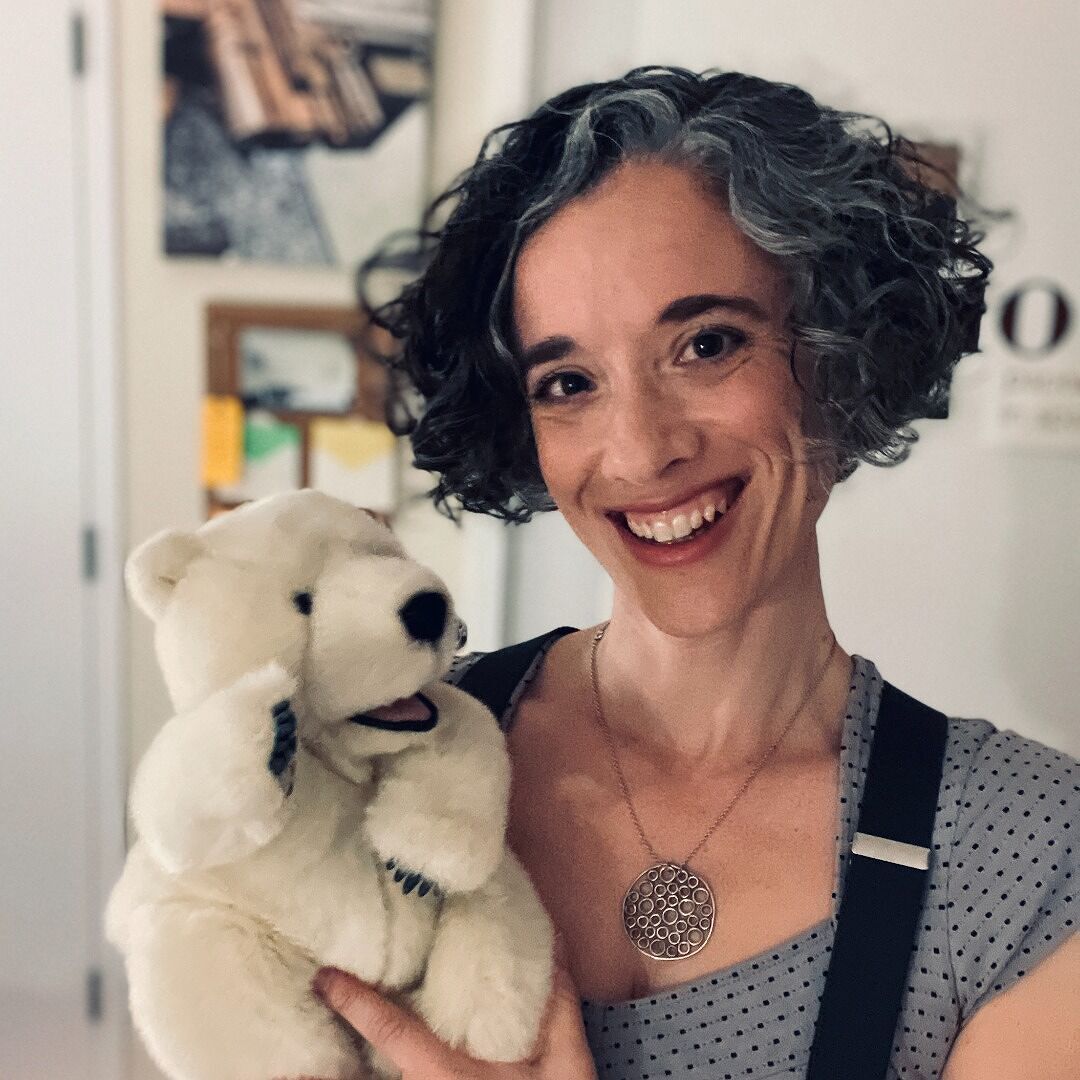
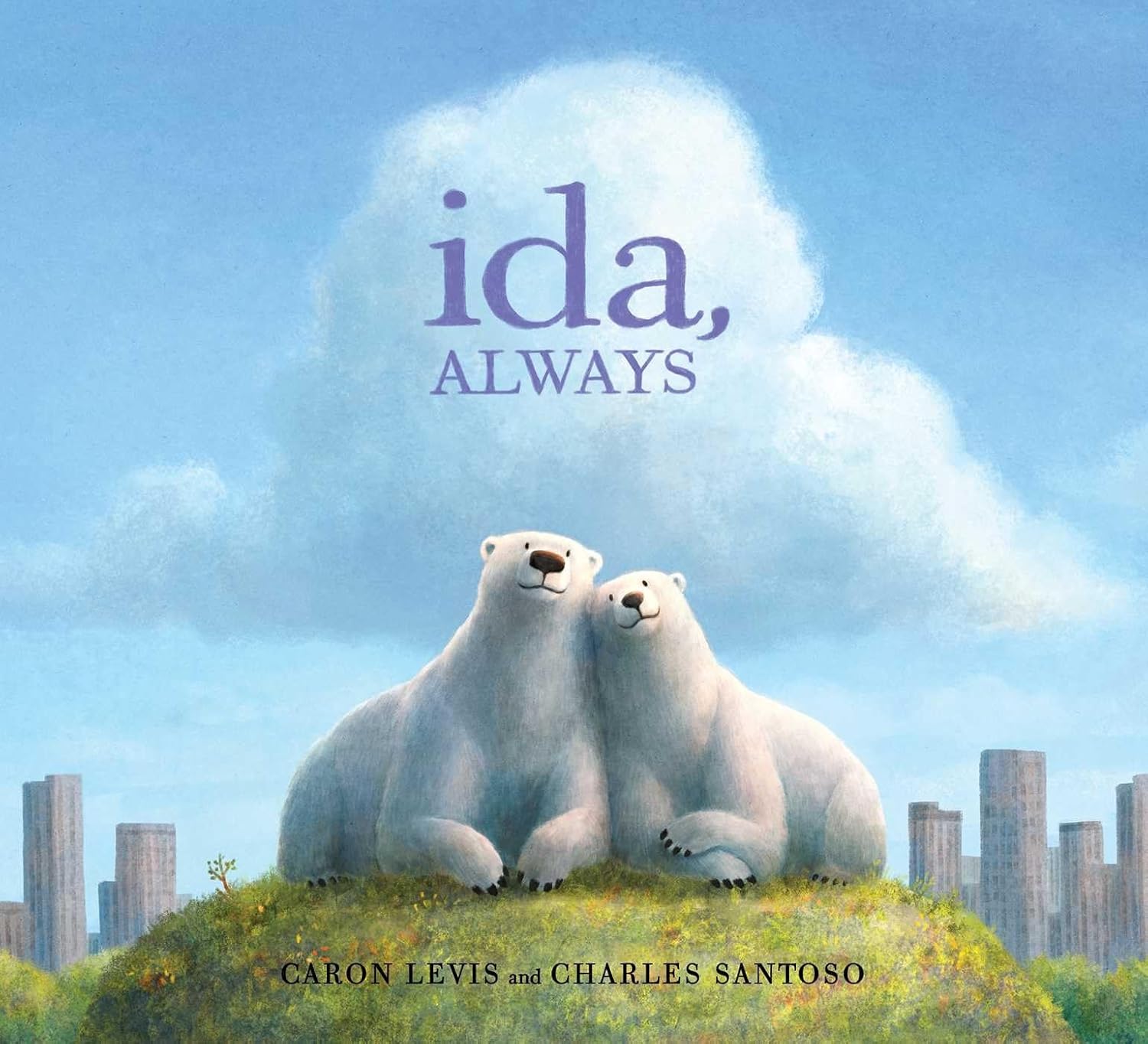
Caron Levis (MFA, LMSW) is the author of award-winning picture books, including Mighty Muddy Us, Feathers Together, This Way, Charlie, and Ida, Always with Charles Santoso. Other titles include Stop That Yawn! and Mama’s Shoes. Caron is a professor and the chair of The New School’s Writing for Children/YA MFA program. A licensed social worker and experienced Creative SEL/Literacy skills educator, she enjoys exploring books, emotions, and imagination through her interactive workshops for children and adults. Caron was born, raised, and currently lives in NYC. Writing short things takes her a long time.
Brian Lies

Brian Lies is the author/illustrator of over 30 children’s books, including his NY Times best-selling bat series (Bats at the Beach, etc.), his 2019 Caldecott Honor-winning The Rough Patch, and the upcoming Cat Nap (2025). His work in book and editorial illustration has won many awards, and he is acclaimed as a visiting author, working with elementary schools throughout the United States. A graduate of Brown University, Brian lives with his family and two cats in Duxbury, Massachusetts, where he works, tends a large vegetable garden, and enjoys reading, cooking, and woodworking.
The Questions
1. What made you decide to write a book addressing death and the grieving process for young audiences?
Lindsay: In November of 2020, my best friend’s son, Vinny, was hit by a car and did not survive his injuries. His death left me in a haze of grief. I found myself grieving on so many levels — for Vinny’s young life cut short; for my friend and her family; for my son, who was grieving the loss of his friend; and even as a mom, who every time I looked at my children would feel my heart squeeze at the thought of losing them. I wrote The Hole to process all of that grief.
Anastasia: It bothers me the way adults try to control children’s feelings and responses to death. I get that death is a natural cycle, and sometimes death feels like a relief when the person was in pain and suffering from illness and disease. But can we pause for a moment on how permanent it is?
I won’t see them again in this lifetime. I won’t hold their hand. I won’t feel that scratchy feeling of his unshaven face when I kiss him on the cheek. I’ll never get to make them laugh again. That part is done. It is over. Can I grieve that, please, without anyone telling me how natural it is and how much better heaven is? To me, heaven is sitting with the one I love, here. So I’m gonna need some time to accept the naturalness and grace even of what we might call “a good death.”
Angie: In Our Lake, I wanted to explore how grief can sneak up unexpectedly on moments and places which used to be entirely joyful. For the brothers, the absence of their father shapes their trip to the lake, recoloring their experience and the places they loved before. I aimed to show how children may find comfort in community, solace in nature, and joy in the process of grieving.
Throughout my own childhood, my parents rarely talked about death — according to their cultural tradition, they felt that by speaking about it, they were invoking it. When we started to lose people in our lives, I wished I had more models of how to support and rely on others who are also grieving. I hope this book can help address that lack while offering a broader exploration of familial love and loss.
Caron: While working with kids through the years, I did a bunch of spying and eavesdropping, and note-taking. During a kindergarten recess once, I got to observe a group of kindergarten students enact an in-depth funeral for a dead bug they’d discovered. They set up seats, found flowers, they gave eulogies, and at one point, somebody stood and said, “And now we’re supposed to cry.” It was quite wonderful. Their way of speaking and being with this event and their feelings were with me when I wrote Ida, Always many years later.
The conscious idea of writing a story dealing with death and grief for young kids got planted in my brain by some people asking me if I’d considered writing something that deals with death and grief. A neighbor told me her elder cat was ill, and “I have no idea how to talk to my four-year-old about this. Have you ever thought about making a book to help with this?” During a visit I made to a school in the wake of a school shooting, a teacher asked me as well.
Then my editor from Stuck with the Blooz (illustrated by John Davis), who knew I was playing around with this topic, sent me an article about the death of Ida, a polar bear who lived much of her life in the Central Park Zoo. People around the world were sending condolence letters to Gus, her partner in captivity. His zookeepers noticed Gus’s grieving behaviors.
The bears felt like the way to explore the story. There were already some important and wonderful books about the death of a grandparent or pet (ex: Tomie DePaolo’s Nana Upstairs, Nana Downstairs and Judith Viorst’s The Tenth Good Thing About Barney). I had wanted to add a story that could be open to interpretation for all kinds of relationships, including friends.
Brian: I didn’t decide to create a book dealing with grief — in fact, I had tremendous doubts about doing it (“Who wants to read that?”). The story grew out of an image that came to me while gardening — of a character who’s taking care of weeds, rather than trying to eradicate them. Why? It came to me that taking care of weeds was a symptom of deep grief, and the story of a gardener losing his beloved dog grew out of that. I never start writing from a theme, but don’t object to a theme fitting itself into a story.
2. Why do you think many adults — be they parents, caregivers, or educators — find it difficult to talk about grief with children?
Lindsay: Sadly, death and grief are often seen as “taboo,” even though it’s something that all of us will face. Many adults have been taught to avoid it or talk around it. Because of this pattern of avoidance, I think many adults don’t even know how to process their own thoughts on death and grief, which makes it a scary thing to bring up with a child who may ask questions or stir up emotions the adult isn’t ready for. The topic requires vulnerability, and many people aren’t comfortable with this. I think there may also be a misconception that children aren’t ready for the conversation.
Anastasia: When a child is crying because they scraped their knee, we’re okay with it because we’ve had enough experience to know it’ll be okay. When children experience grief, we’re not so sure it’ll be okay, because we may never have allowed ourselves to gain the experience to know that — as powerful and formidable as grief is — we will be okay. That makes it scarier.
Grief is a force. Think about if you’ve ever felt a wave of grief in a setting where it is not going to be acceptable to start crying really hard, like in a meeting, or in the grocery store, or at a party, or on a sidewalk. People will “stay busy” to avoid it. Don’t let it catch up to you. Don’t let it see you. If it does, what might happen? Chaos! Suddenly, I’m crying in public. Or, my alarm goes off in the morning, and I cannot move or get out of bed. Or I’m supposed to be making dinner, but I am in a fog and have forgotten how. In a cultural context that does not make space for people to be human and disrupted in those ways, grief can feel life-threatening.
It’s awkward, it can be embarrassing, and it inconveniences those who rely on us. But it will change. It’s like the weather, and it will change. This is a chance to learn patience, learn tenderness, learn compassion, learn grace — toward ourselves and others. It’s also a chance for the culture to evolve to make more space for human experience that doesn’t put on a brave face all the time.

Angie: I think words can feel inadequate in the face of profound loss. No matter how much you prepare someone, the experience of grieving will always be painful. There’s no easy remedy. I think there’s also the natural instinct to want to shelter children from anything difficult or painful, but the only way out is through. And while it may be hard to talk about grief with children, it’s also extremely necessary — it’s always better to go through something when you know what is happening and are surrounded by a community to process a loss together.
Caron: My guess is that it’s because we love children and we want them to feel safe and joyful; we don’t want them to feel sad or scared or worried. We also don’t want to get it “wrong.” The lovely thing is that if you are concerned about how to do it “right” — you’re already getting the most important part right, which is that you’re there and you care.
Brian: Some of it is worry that we’ll say the wrong thing, and only make them feel worse. With educators, I imagine there’s the worry that discussing difficult topics will run afoul of some parents’ wishes or beliefs. And at its root, I think it simply makes us uncomfortable, and it’s just so much easier not to.
3. Oftentimes, adults will use euphemisms such as “they’ve passed on” or “they’re in a better place” to try and soften the blow of the grieving process when discussing it with youngsters. What are your feelings on this?
Lindsay: This is tough. I think we’ve become so used to this language that it’s easy to slip into. I’ve found myself using some of these for just that reason, although I make a conscious effort not to. But I do believe that kids deserve our honesty. Sometimes, in an effort to protect them from difficult topics, we use unclear language that may leave them with more questions and confusion. I think the more open and direct we can be, the better. This invites our children to ask more questions and come to us for support, rather than looking for answers elsewhere.
Anastasia: I get it. “She died” or “she’s dead” sounds harsh to my ears, too. That abruptness is like, Ouch–find another way to say that to me! To say someone “transitioned from this life to the next” or “went home” is interesting and suggests further exploration and a story that continues for the one who died.
But at some point, it’s time to answer a child’s questions, and our own: Where are they? Where is the body? Why did they die? What happens to the body? What is spirit? What is a soul? When will I die? When will you die? I’m not saying those questions have easy or concrete answers.
But that’s a conversation I want to have. Adults and children. Elders and little ones. Let’s get everybody in on that, don’t you think? By being real about it — what we know and don’t know. Death will happen, but we don’t know when and how, so let’s be good company for one another and bring a sense of humor to that as much as we’re able to; be solace, be gentle, be honest.
Angie: I think that euphemisms are fine to use as long as death has been properly explained first. Euphemisms run the risk of being confusing: I was a very literal child, and I didn’t understand that “someone is in a better place” meant that someone was dead. While I don’t think mystifying death is helpful, I don’t see the harm in using different language to discuss something that can be upsetting.
Caron: It was very important to me to use the word “die” in Ida, Always. It was also important for me to attempt to describe death and depict grief as gently frank as possible. My experiences with kids guided the choices I made in the story, and the observation that kids benefit from mindfully being told the truth far more than well-intentioned euphemisms.
Later, while getting my LMSW, I worked as a facilitator of Loss & Bereavement groups for kids and learned how euphemisms can often create confusion and new fears. An example is that, if you tell a very young child (still learning to distinguish abstract and literal language) that Grandpa just closed his eyes and never woke up, instead of the intended peace, kids can become fearful that their loved ones — or themselves — will die if they go to sleep.
When it comes to phrases like “they’re in a better place,” it’s important to recognize that, generally, we truly mean well, yet these words can be very upsetting to the person grieving. It’s so hard to know how to support someone grieving, so any attempt conveys a desire to comfort, which is lovely. However, in our common phrases, there is a lot of assumption of beliefs and a conveying that it’s not okay to just acknowledge that death sucks. Kids, especially, can hear things that make them feel like they are grieving wrong. One fabulous book that dives into the experience of how people react to a person after a death is Death Is Stupid by Anastasia Higginbotham.
Brian: I’m probably an outlier on this, but I prefer honesty. When my grandfather died, my father flew to Chicago to attend his funeral, and on his return, never mentioned anything about his father ever again. I was too timid to ask either my mother or father about what it was like, and so I developed a sense that there was a real taboo about discussing loss.
I do think it’s important to be developmentally appropriate — younger kids aren’t going to benefit from hearing that “Uncle X had a blood vessel in his brain that burst and it made him die.” Saying “he had a rare sickness that you don’t have to worry about, and he died” is going to be much easier to handle. Kids sense BS, or evasion, and I think all it does is to make them more upset or anxious.
4. Picture books like yours can be used to facilitate difficult conversations and navigate emotional times. Have you ever had a memorable interaction with a fan of your work that made you think, That’s exactly why I wrote this book?
Lindsay: This year, one of my son’s classmates lost his cousin to brain cancer. I asked their teacher if I could send in a copy of The Hole for him. She told me that he read it immediately and loved it. He even made me a drawing that showed the hole and two children outside of it and said, “Thank You, Best Mom #2” (behind his mom, of course!).
Seeing a child in real time who needed the book was especially moving to me. I’ve also had many adults who’ve shared The Hole online say that they wish they’d had it when they were children. That is exactly why I wrote it.
Anastasia: One time, a parent wrote to tell me her child felt so understood by Death Is Stupid after the death of his grandfather, that he went to sleep with it against his chest, holding it there — like a stuffy or a blanket — while he slept. I mean, what else do I want? Nothing. The whole point is to give them access to themselves and their own experience of what is real for them and true. Every time the books do what they were made to do, I am in awe of it.
Angie: One of my friends had lost his father when he was young. His sister pulled me aside once and told me how she related to the brothers in Our Lake and had herself leaned heavily on her brother — my friend — while grieving in their youth. I’ve had other readers reach out to me as well and share the lakes in their lives that they associate with their loved ones. It’s incredibly meaningful to know that the book can reach not only children but also adults and their inner children, too.
Caron: I never expected to, and yes, I absolutely have. I get to hear how kids connect with the Feeling-Friends books when I go to school visits. They share how they also miss people who are far away, like the storks in Feathers Together, or how they have also accidentally said something mean to a friend when they were scared, like Jack does to Charlie in This Way, Charlie. Adult readers have also been so thoughtful and generous, writing me letters or emails to share stories about how kids — or they themselves — have connected, especially with Ida, Always.
I recently had a teacher share with me a story of how Ida, Always helped one of her elementary students open up to her about the recent death of her parent after months of not being ready to talk about it. The teacher read Ida, Always to the class, and led a discussion that validated the feelings that come with grief and normalized talking about death. That day, the child came up to say that she understood how the bears felt, and from then on, she and the teacher talked about all the big questions and feelings she was having.
Now, it was the teacher, and all the groundwork she had laid, that enabled that moment. I think that by choosing to read a book about death and grief, and making it a normal part of the day, it signaled to the child that this grown-up could handle the child’s big bear feelings. It meant so much to me to get to hear this story, because yes, that is why I wrote Ida. To get to be a tiny part of supporting families, educators, and kids at such a devastating time, or to be a tiny part of helping families get comfortable talking about big feeling events, is just a very special feeling for me, and I know it is for Charles too.
Brian: Yes. A high school acquaintance, now a hospice nurse, has told me she takes The Rough Patch with her on home visits — that family members of the dying individual who were seemingly blocked have read it, and afterwards wanted to talk about dying, and their loved one dying. And I do get emails from people who say that it has helped.
5. A death is rough news to break, and it’s frequently the adults in kids’ lives who have to break it. What advice would you give an adult who must inform a child of the recent death of a loved one?
Lindsay: Be as honest and compassionate as possible. Don’t avoid talking about the person. Share your good memories of them, and give your child the chance to do the same. Listen to your child, and don’t ever minimize their grief. Both The Hole and The Storyteller (one of my other picture books that addresses the loss of a loved one) highlight the importance of sharing the stories and memories of those we’ve lost and how this can be a source of comfort, strength, and healing.
Anastasia: Get support for yourself first if you can. What do you need? Who do you need to have close by to support you? Make space for it if you can. Time and space. Let it be a conversation that can start and stop and pick up again another time, or another day.
Stay on the lookout for those chances to check in or notice how the child in your life is processing it and telling you what it means to them, what they may need or want to offer you (their own wisdom coming through). Give attention and presence to that noticing. Maybe not as easy as it sounds, but I think that’s enough.
Angie: Be clear and direct when breaking the news, and let them know that there’s no right way to feel. If it applies, also share that it’s hard for the adults in their life as well — it will do wonders for the child to know that they are not alone, in community or in their emotions. Don’t be worried about shielding children from your own grief. Children learn healthy ways to process grief by example, so be there as they need and show them that the grieving process is messy and hard, even as an adult.
Caron: I used research and the training I had as a Loss & Bereavement facilitator to create a free guide and informational packet about communicating with young people about death and grief. People can find it on my website. Every situation and relationship will call for something different. There is no “best” or “right” way to tell someone this news, so it’s more about asking what is the best I can do right now? It’s okay to take your time, it’s okay to need to revise later.
Let kids know they are important, their feelings are important, and you are there and can hold whatever questions and feelings, and behaviors they might have. If you are an adult asking yourself how is the most caring way to deliver this information, then that kid has a caring adult who loves them in their lives, and that is the greatest support they can have.
Brian: It has to be situational, doesn’t it? If a death is sudden and unexpected, I think you have to be willing to share your own feelings about the shock of the loss, and to let the child know that it’s always OK to talk about it, even if you seem upset when they bring it up (“I’m very sad, too, but I want us to be able to talk about it, because X was a special person in our lives, and we need to feel these feelings.”). If a person was dealing with a long decline, such as dementia or ALS, I think you say something like “you know how X has been sick for a long time — she has died, and I’m very sad about that. But I’m also grateful that she isn’t sick anymore.”
And it’s important to acknowledge that the feelings are complicated — how can you feel release and feel sad at the same time? — but we do feel complicated feelings, and we’re going to feel complicated feelings for some time. I think that this helps remove a child’s worry about whether they should be feeling the feelings (very meta!), and helps them focus on the emotions in a less fraught way.

Bonus Questions
What are some of the books that inspired you as a young reader, or perhaps helped you through your own challenges?

Lindsay: My favorite series growing up was The Baby-Sitter’s Club by Ann M. Martin. As a child, I moved around a lot and always had to make new friends. So I think I gravitated to this group of assertive young women who were each so unique and had such strong friendships.
I also loved Ferdinand by Munro Leaf and illustrated by Robert Lawson. I loved that Ferdinand was unapologetically himself, despite the fact that he was not what everyone expected a bull to be. Because I changed schools often, I learned early on that I had to be myself and not change who I was to fit in.
Anastasia: I didn’t read very much until I was in college. As a child, I loved Sesame Street, drawing the Peanuts characters, and watching The Muppet Show. I had a teacher who let us write and illustrate our own books. I made puppets. That’s what I wanted to do and what I still wish I could do all the time.
Angie: Little Women by Louisa May Alcott was my first literary experience of death — and the first time I read the book, Beth was my favorite. (As I’ve reread it through different stages of my life, I’ve felt like each of the sisters in turn.) It was not only painful to read about her passing — my own literary grieving — it was also enormously helpful to witness how her family processed such a profound and life-altering loss. As a child, I also loved The Underneath by Kathi Appelt and Mrs. Frisby and the Rats of NIMH by Robert C. O’Brien — gutting and compelling books that I return to again and again.
Caron: Hurry Home, Candy by Meindert DeJong and illustrated by Maurice Sendak gave me space to be with my loneliness, fears, sadness, and to experience that the world truly can provide the kindness of strangers when it’s most needed. Judy Blume… thank you for talking to us about anything and everything and making it not weird to have questions. Ramona Quimby (thank you, Beverly Cleary)… I just adored hanging out with you, being you — with all your boldness, mistakes, misunderstandings, and delights. And in retrospect, I think it was lovely to see how even when you were exasperating, you were loved.
Brian: I don’t recall reading any books that dealt with difficult topics when I was little — I don’t have an answer to the question “what did you read when you were little that scarred you?” The first time I remember feeling emotionally unsettled reading a book was the ending of Stuart Little — Stuart has yearnings for the bird, Margalo (they felt like romantic yearnings, though the bird/mouse-human thing was a little odd or off-putting to me as a kid), and in the end, Stuart hasn’t found her — the book drifts off with him “feeling he’s headed in the right direction.” I found that hugely unsatisfying. Books that inspired me were things like My Side of the Mountain by Jean Craighead George, or The Mouse and the Motorcycle by Beverly Cleary. I was lucky to have a relatively happy, secure childhood.
If you only had one day left to live, how would you want to spend it?

Lindsay: I would want to spend it with my family, eating spicy food (Thai or Indian!), and marveling at nature — perhaps with a walk in the woods or even a visit to the zoo (animals always leave me in awe!). I’d also give out lots of hugs and “thank yous,” because I’m truly grateful for all the wonderful people who’ve impacted my life.
Anastasia: I’d write love letters and make art for everyone I’m leaving behind so they know how much they meant to me and how much I love them forever.
Angie: With all my loved ones, reminiscing, laughing, crying. At the end of the day, I would want to be alone with my husband and our kitties, holding them until the end.
Brian: I DO believe in openness, so I’ll answer this by saying the question is a little too close to home at the moment. I lost my mother four months ago, and just thinking about my last day brings up a lot of feelings about her end. My glib answer is that I’d hope not to know it was my last day — knowing would make everything I did too pointed to enjoy, and too painful.
A heartfelt thank you to Lindsay, Anastasia, Angie, Caron, and Brian for taking the time to share their work and insights with us. Often, books can provide hope, humor, and even metaphorical hugs when they are most needed. The subject of loss is difficult for those of any age, but we are grateful that these children’s authors and others like them are creating work that can help readers cope and heal during tough times.
Find Lindsay Bonilla here.
Find Anastasia Higginbotham here.
Find Angie Kang here.
Find Caron Levis here.
Find Brian Lies here.
For more children’s books that tackle the difficult subject of grief, check out our Three to Read article on important children’s books that address the loss of a loved one.
To see all of our recommendations for all mini bookworms, check out our Bookshop bookshelf.