







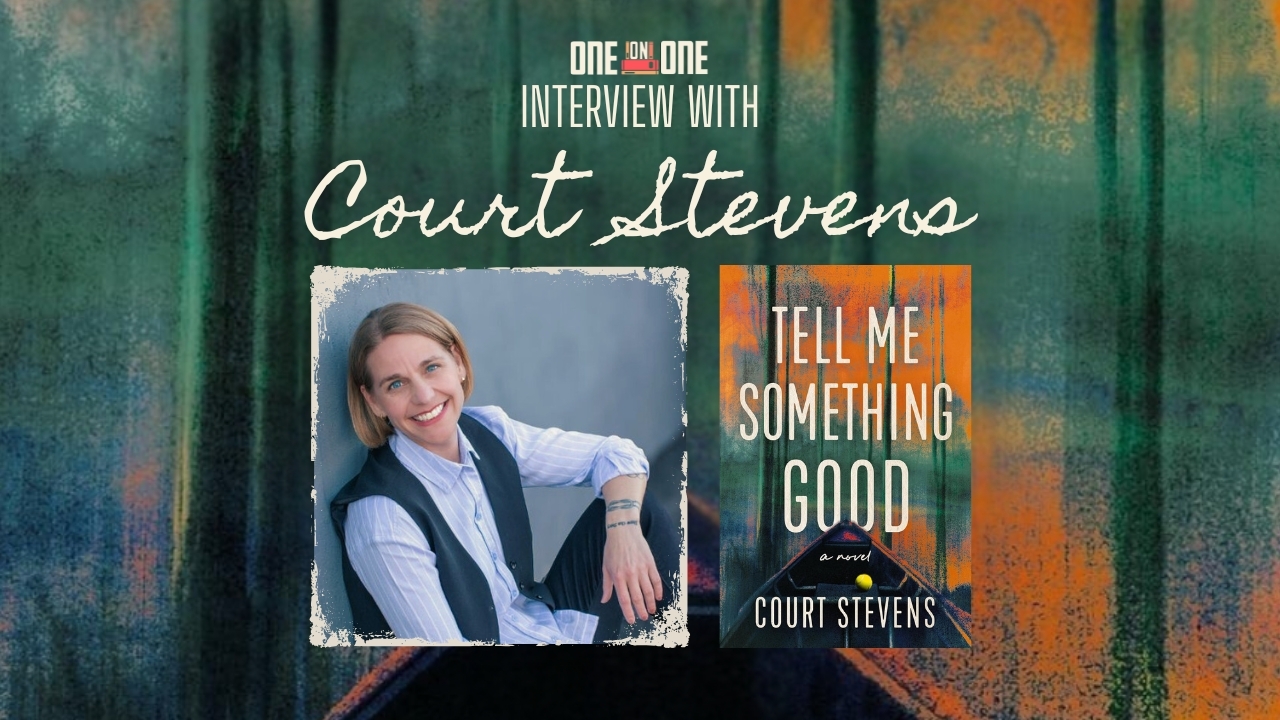
There is something to be said for fiction that delves into the heart of the human experience, putting into words the experiences we all face. Court Stevens, author of many young adult coming-of-truth novels, looks to the heart of this idea and hits it hard. Her narratives are those of struggle, misunderstanding, enlightenment, growth, and everything in between. They’re about the realities of lived experiences and how that affects not only the protagonist but those around them.
We’re sitting down with this incredible author to discuss her adult debut novel, Tell Me Something Good, and her newly released story. We’ll explore why she writes what she does and get a peek into her past.
About Court Stevens
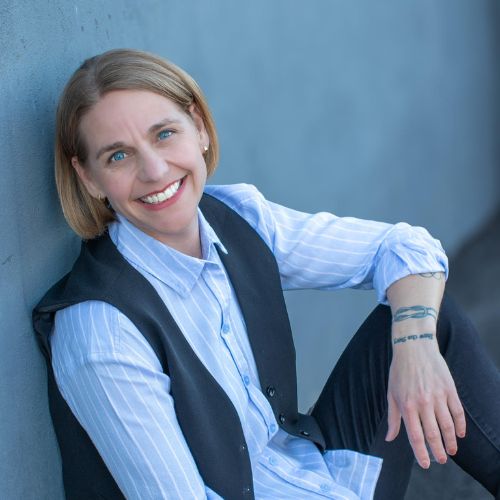
Court Stevens grew up among rivers, cornfields, churches, and gossip in the small-town South. She is a former adjunct professor, youth minister, and Olympic torchbearer. These days, she writes coming-of-truth fiction and is the director of the Warren County Public Library in Kentucky. She has a pet whale named Herman, a bandsaw named Rex, and several novels with her name on the spine: Last Girl Breathing, We Were Kings, The June Boys, Faking Normal, The Lies About Truth, the e-novella The Blue-Haired Boy, Dress Codes for Small Towns, and Four Three Two One. Find Court online at CourtneyCStevens.com, Instagram, Facebook, and LinkedIn.
Thanks for joining us. Let’s get started, Court.
Tell Me Something Good is described as a “coming-of-truth” narrative. Can you elaborate on what “coming-of-truth” means to you, especially in the context of this book, and how it differs from a traditional “coming-of-age” story?
Coming-of-truth is the self-discovery phrase I love to use for characters. Anna is a nuanced character with skeletons in her family closet. Part of her journey through this book is one of uncovering forgotten childhood memories. Coming-of-age is usually narrowed to a particular season of life, even though I think we continue to come of age our whole lives.
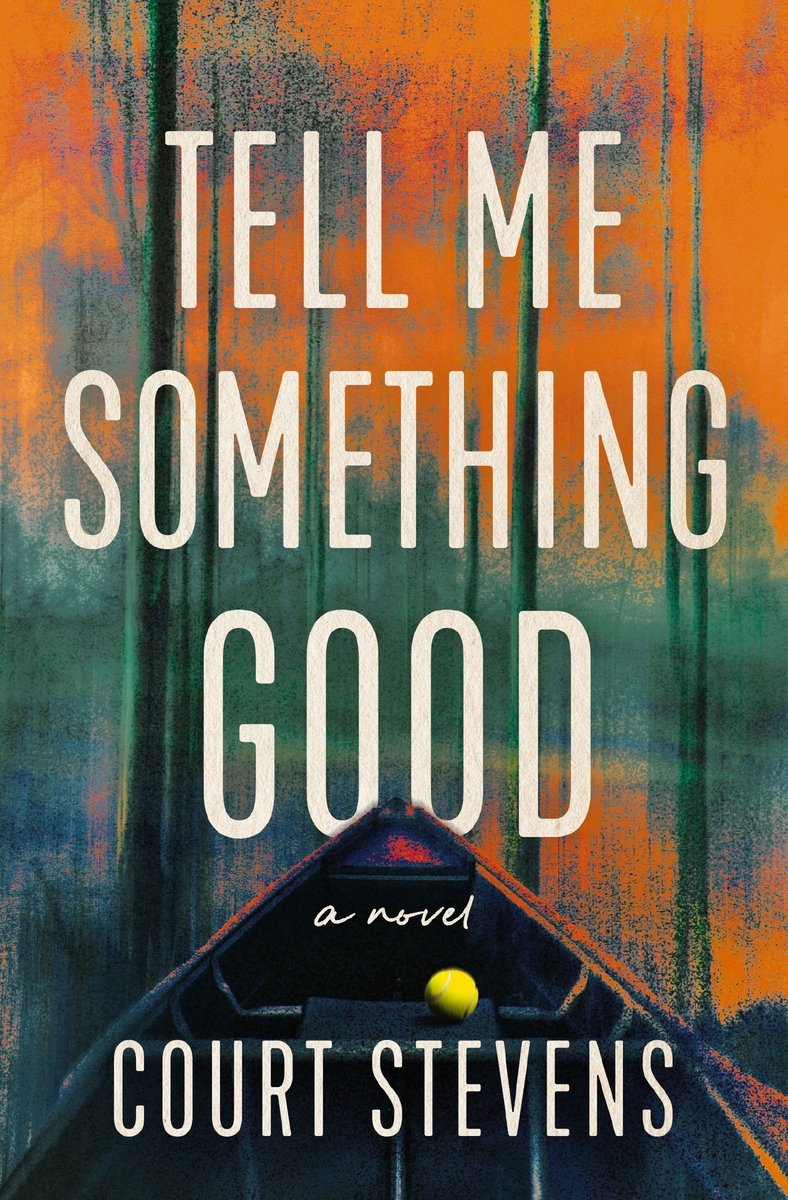
The setting of a poverty-stricken town in southern Illinois and a nearby, affluent hunting lodge highlights significant economic disparity. What inspired you to explore this specific societal contrast in your story?
This disparity is everywhere in our world. I am the executive director of a library in Kentucky and have witnessed the proximity shared by the very rich and the very poor. I once gave someone a ride and discovered they’d never been to what we call “downtown.” They only lived four blocks away. I love ensuring that this level of representation is present in fiction.
Love is described as a guiding force in the novel, driving characters to extraordinary lengths to protect those they cherish. Can you discuss how you portray the various facets of love within the context of secrets and tragedy in the book?
Love is my guiding force. When I set out to craft characters, I am always designing the space between them and how they are either lacking, wanting, needing, or experiencing the absence or abundance of love. This means… parent to child, friend to friend, lover to ex-fiance. Literally, every relationship carries its own wounds and celebrations, and I like to let the reader discover those as they progress.
Tell Me Something Good is your adult debut. How did your experience writing young adult fiction influence or differ from writing for an adult audience with this novel?
I get asked this question frequently, and there are many answers, but probably the truest one is that they aren’t all that different. When I was writing young adult, I knew the primary readership (statistically) was actually adults. The lens I used to create the story would center around a time period in the main character’s life that felt distinctly in the pre-25 category. In my adult debut, I was able to push that age up to any level with a variety of characters and viewpoints.
You grew up in the “small-town South.” How has your personal connection to this environment influenced your storytelling, particularly in creating authentic settings and characters in your novels?
Goodness. The small-town south feels like the back of my hand. I know every vein and muscle. Choosing this setting (either in actual small towns or in narrowed environments) in fiction feels like I’m coming home each time I write. Authors do often write what we know, and I find grounding myself in a setting I am familiar with gives me more room to explore characters and issues via research.
You’ve mentioned your writing process involves a “Time Chunk” method. Could you describe this method and how it helps you manage your writing alongside other responsibilities?
Time chunking is a busy girls guide to getting sh*t done. I take a long look forward at my schedule and predetermine where the busy bits and lags are, and then I book myself no less than a week of time to retreat during a lag to get the first fifty pages done. Then, I return to the daily grind and write in the cracks of life, between the busy, until I get three-quarters of the way through the novel. Then, I retreat again and gut out the ending.
You’ve stated that you’re “mostly in it to see how many tattoos I can inspire” and that you feel a “deep connection of purpose and intention” when you realize why you’re writing a particular book. Can you elaborate on this feeling of purpose and how it fuels your work?
The tattoo statement is a semi-joke, but at its heart is a truth I deeply believe in. Being human is hard, and we all need moments or people who inspire us to keep going when we don’t have the natural inclination to do so. Sometimes those people are fiction.
What are some of the most significant lessons you’ve learned about the craft of writing throughout your career, and how have they impacted your approach to storytelling?
The reminder that if I’ve sold a book to a publisher, I am writing for the entertainment of others. That each one of those people brings their own stakes to the book, and that the more I gear my work toward satisfaction, the more likely they are to enjoy the experience. With these things in mind, I set out to craft something each time that is truly for readers rather than for myself as a writer.
We’re sure you already have ideas for your next release. How soon will you be querying your next novel, and what can your fans expect from you next?
I am at the early stages of drafting my next book. It is already under contract, so it will be a while before I end up querying the idea that comes after that. My fans can expect more of the same from me. Literary suspense in a small town setting with fallible, lovable characters.
Finally, what’s a “tell me something good” moment from your own life recently, big or small, that brought you joy or a sense of fulfillment?
This is silly, but two of my dearest friends recently invited me over to play The Lion King on their Sega and eat this lovely surf and turf meal. We sat in the garden and sipped Old Fashions, prepped dinner together, shared great wine, ate amazing food, played a few games of cards, and then ate strawberries and cream (which we shared with their pups) while we played this nostalgic game of The Lion King. It was a beautiful night. And I’m not sure there’s anything better than having amazing people in your life who remind you that there are stars and lightning bugs and flowers and power in deep and abiding friendship.
There you have it! Thank you, Court, for an amazing interview. Be sure to pick up Tell Me Something Good from your favorite bookstore; we’re sure you’re going to love it as much as we did.
Want a further sneak peek into Tell Me Something Good? Check out our full featured review here.
You can grab all of Court’s backlist from our Young Adult shelf on Bookshop.org.