











In a significant legal battle that underscores the intersection of artificial intelligence and intellectual property law, OpenAI secured a notable victory as a California federal judge dismissed the bulk of copyright claims brought against the organization by a book author. The dispute arose from allegations of OpenAI utilizing excerpts from the author’s work in AI-generated content without proper authorization.
Judge’s Decision
The crux of the judge’s decision rested on the transformative nature of OpenAI’s use of the copyrighted material. Despite incorporating elements from the author’s book, the AI-generated content was deemed to have undergone substantial transformation through the processes of machine learning and natural language generation. This transformation was pivotal in the judge’s determination that OpenAI’s actions constituted fair use under copyright law.

The judge highlighted the public benefit derived from OpenAI’s activities, emphasizing the organization’s contributions to research and innovation in the field of artificial intelligence. By fostering the development of advanced AI technologies, OpenAI plays a pivotal role in advancing scientific knowledge and promoting societal progress which is a factor that weighed heavily in the determination of fair use.
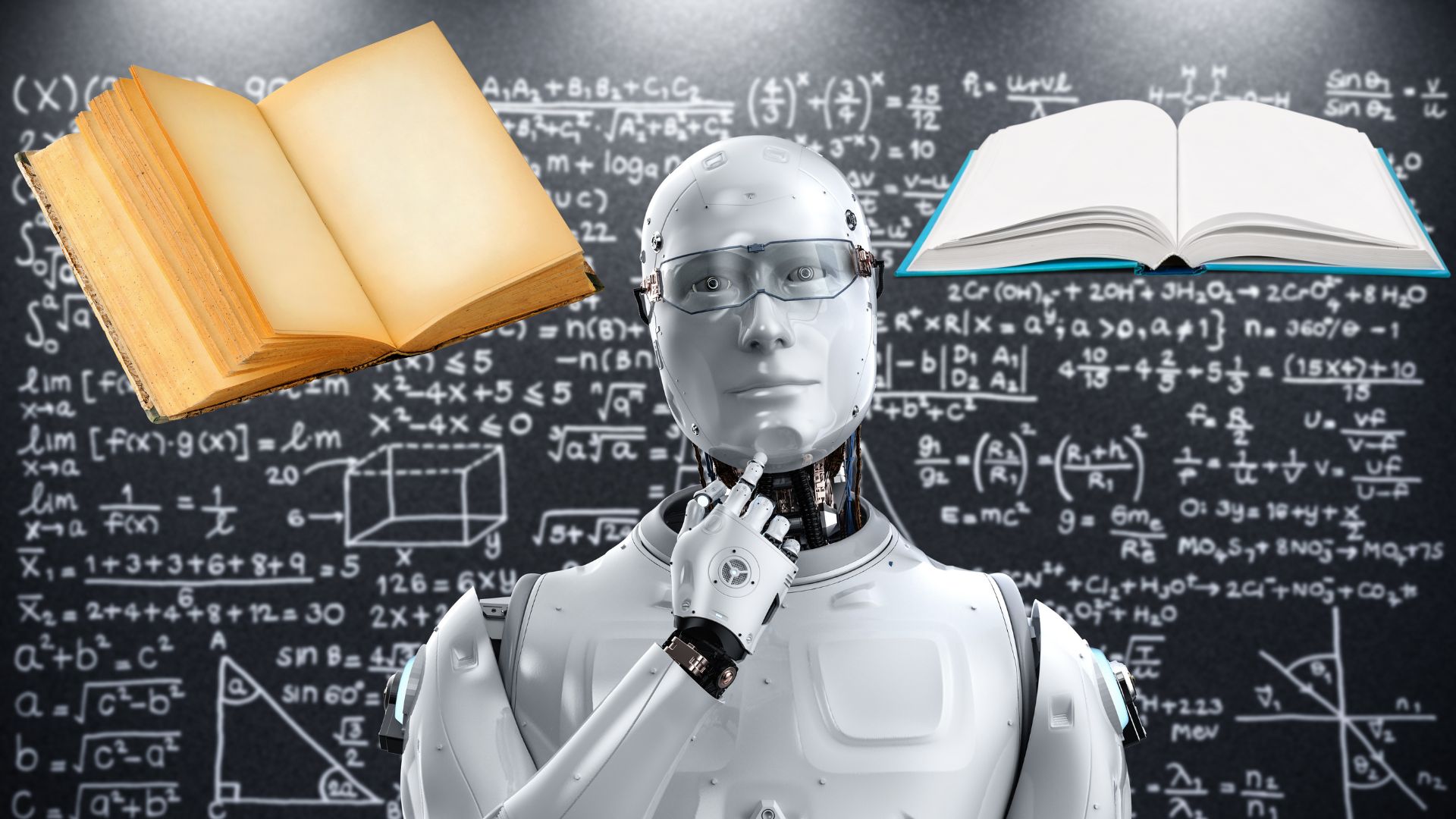
Possible future of AI writing
Critics of the decision have expressed concerns about the potential implications for authors and content creators, arguing that it could undermine traditional notions of copyright protection and diminish the economic incentives for creating original works. They contend that AI-generated content should be subject to the same legal standards as human-generated content, with appropriate safeguards in place to protect the rights of creators.
On the other hand, proponents of the ruling assert that it strikes an appropriate balance between fostering innovation in AI and respecting the rights of copyright holders. They argue that overly restrictive interpretations of copyright law could stifle creativity and impede the development of AI technologies with transformative potential.

Moving forward, the case is likely to serve as a precedent for future disputes involving AI-generated content and copyright law. As AI continues to reshape the landscape of creative expression and intellectual property, courts will face the challenge of adapting legal frameworks to accommodate these technological advancements while upholding the principles of fairness and equity.
Ultimately, the judge’s decision reflects the evolving nature of copyright law in the digital age, where traditional concepts are being reimagined and redefined in light of emerging technologies. As society grapples with the implications of AI on creativity and innovation, the intersection of law and technology will remain a focal point of debate and discussion for years to come.
To read more from the Bookstr team, click here!
Check out Bookstr’s wide selection of bookshelves here!