


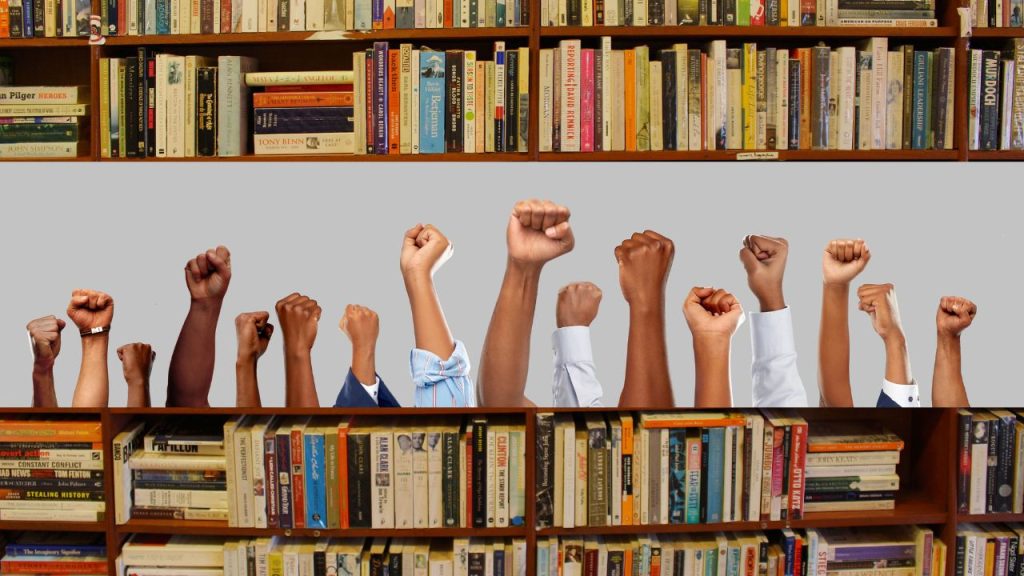








Most of us take for granted our easy access to books. Between libraries, bookstores, and downloaded ebooks, literature is always at our fingertips. But history has taught us that freedoms can be taken away. Book bans across the world, particularly in the United States, threaten our access to literature every single day. This discussion on access often leaves out one forgotten, yet critical population: incarcerated individuals. What do they get to read?
Join us as we dive into Urbana’s Books to Prisoners, a local Illinois organization that works tirelessly to match inmates with books.
A Careful Selection Process
Books to Prisoners was founded in 2004, and in the years since, they have provided over 180,000 free books to over 25,000 incarcerated individuals. The organization is entirely run by volunteers, and they must follow a strict screening process courtesy of the Illinois Department of Corrections (IDOC). Visitors to the Books to Prisoners office will see a handwritten sign taped to the wall detailing a long list of restrictions — including some that may surprise you.
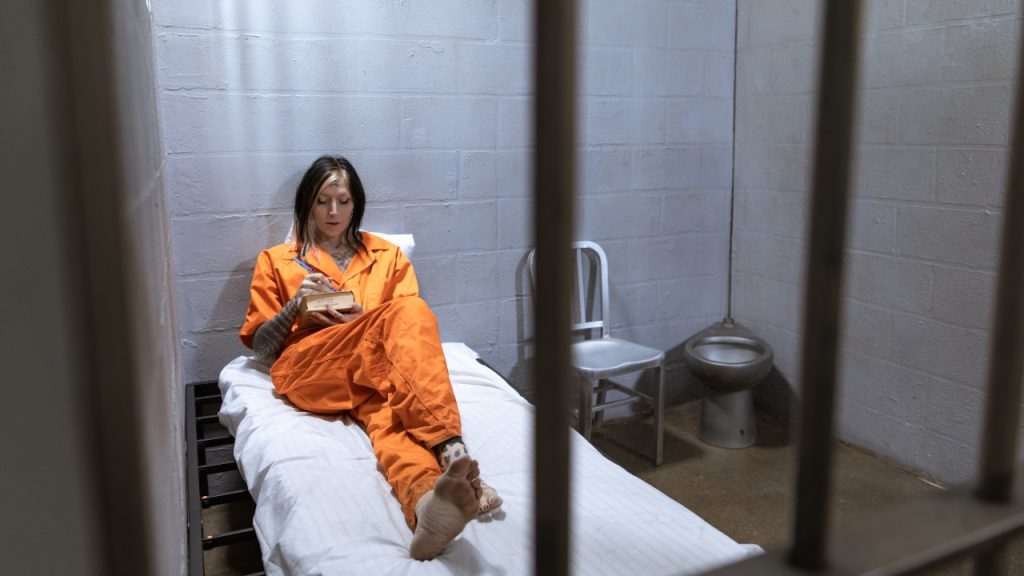
However, the selection process isn’t entirely in the hands of IDOC. Volunteer coordinator Rachel Rasmussen says that books are sent in response to specific handwritten requests from the prisoners, with the most requested books being James Patterson novels and, surprisingly, the dictionary. Rasmussen says that nonfiction is by far the most popular genre, speaking to a widespread thirst for knowledge.
The Transformative Power of Reading
“We really believe people will read more if they read what they want to read.”
— Rachel Rasmussen, The Important, Unsung Work of Urbana’s Books to Prisoners, Smile Politely
Any doubters of the efficacy of this program need look no further than the real thank you notes the organization has received from incarcerated individuals. They present a broad range of personal triumphs that have resulted directly from increased access to literature. Inmates have expressed their gratitude for Books to Prisoners helping them get into college, plan their future careers, or even inspire them to write their own novels. Some notes thank the organization for helping them learn to read and write, and even others thank Books to Prisoners for the greatest gift of all: providing them with hope.
Books to Prisoners is a ray of light in a dark and chaotic world. The incredible volunteer team led by Rachel Rasmussen may seem like superheroes, but they can’t do all this valuable work alone. Locals in the Urbana, IL area can find volunteer information here, as well as contribute to their fundraising book sales. If you don’t live nearby, don’t fret! Donations — both books and money — can be given here.
Click here for more breaking book news.
Visit our Banned Books bookshelf on Bookshop.org to exercise your right to read.