







I grew up in a bilingual household, so I know firsthand the incredible benefits it can provide not only for yourself but also for your whole family. Being bilingual brings you closer to your parents and the cultures and communities that are important to them. It feels like a way of honoring both parts of your identity. It is also shown to have incredible cognitive benefits such as better memory retention and problem-solving abilities. So how can you make sure that your children grow up bilingual and reap those incredible benefits? Well, it might just be easier than it sounds. Books and reading play a huge role in ensuring your children learn both languages. And the best part is, it makes it fun too! Let’s look at four different ways to teach your child both languages.
Creating a Bilingual Reading Environment
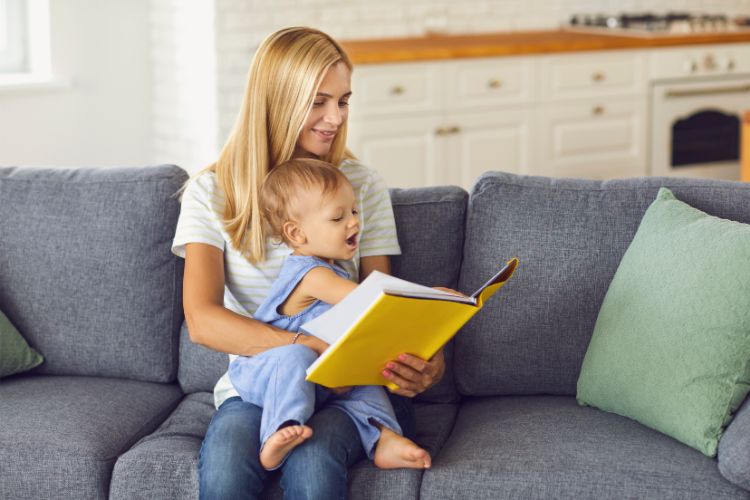
As with most things in life, learning a language is easier at a young age. Young children have a higher brain plasticity, which makes it easier for them to form new neural pathways. Simply put, the younger the child, the easier it is for them to learn. So starting off early is the key. This is definitely the case with books and other reading material. Make sure to have books in both languages readily available at home. Reading them out loud can be highly beneficial for the child and help them pick up the particular melody and intonations of the language. It also helps improve their vocabulary and active listening skills.
Culturally Relevant Books
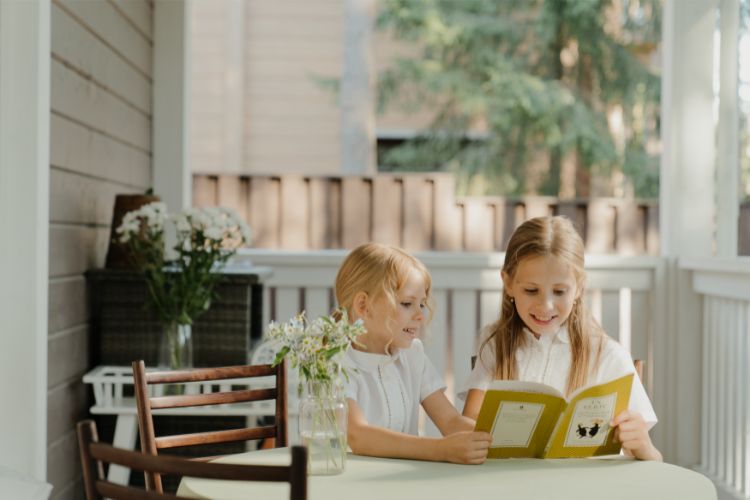
There is much more to bilingualism than just learning two languages. Through language, we communicate so much — our values, attitudes, and culture. Languages can express concepts in unique ways that don’t properly translate. The more languages your child knows, the richer their world will be. Introducing your child to a new language can be a great way of introducing them to a new culture. To ensure you give them the best experience, try picking books that are culturally significant, like traditional stories or fairy tales. Also, make sure to include books that introduce culturally relevant topics and themes, such as important historical events and holidays.
Bilingual Books
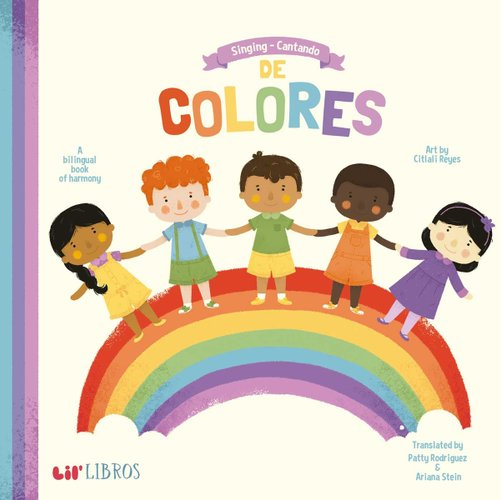
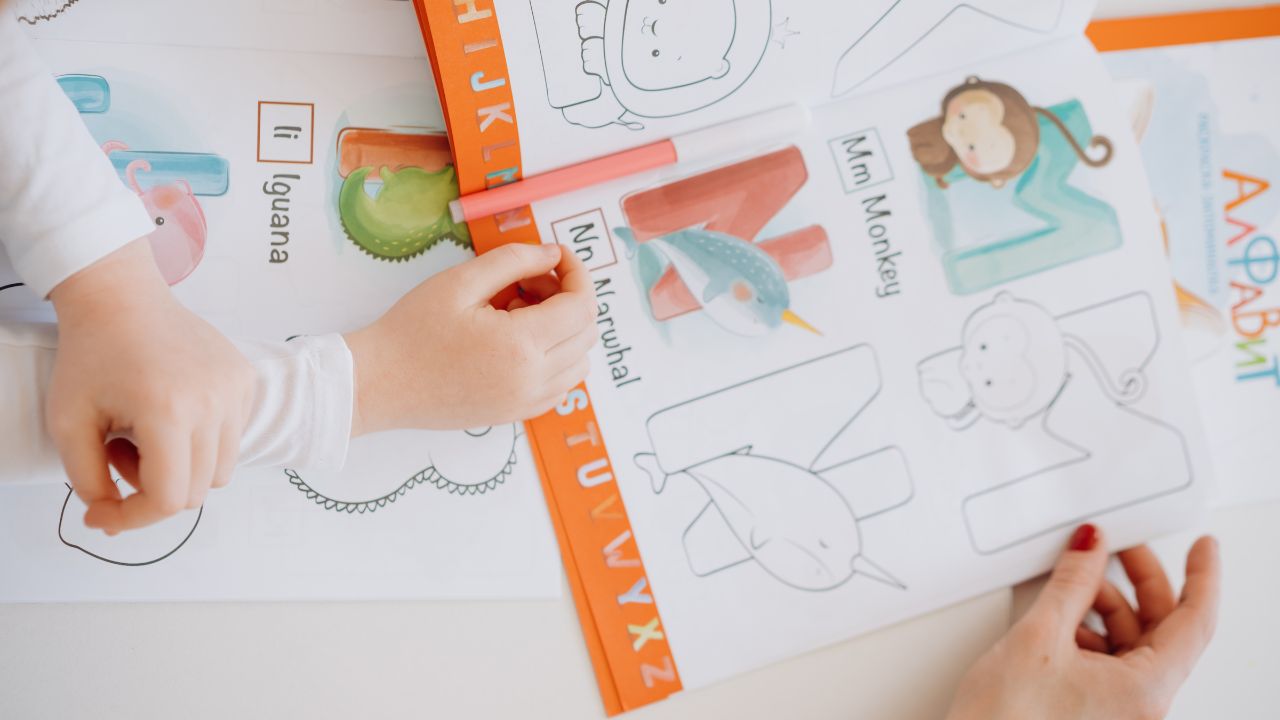
Bilingual books are one incredible way to enhance a child’s language learning abilities. They are structured so that the stories are available in both languages on opposite pages. The repetition of the story in both languages makes it easier for children to see the similarities and differences between them. Being able to compare the languages in terms of vocabulary and sentence structure can be incredibly beneficial. Bilingual books also send a valuable message: both languages are side-by-side. They are equal. Bilingual books are also available as picture books, so they can be used for children below the age of five.
Reading Habits
Learning anything requires practice and patience. In the case of teaching your own child, it falls upon you as a parent to make sure that good habits are created early on. If possible, create a daily routine that incorporates reading in both languages. Our predominantly monolingual environments can make it difficult to find a balance between both languages. This makes it even more important to come up with a plan that works for you as a family. Including all family members in this activity can drastically increase the benefits. It also means that you are sure to spend quality time together, which is always important!
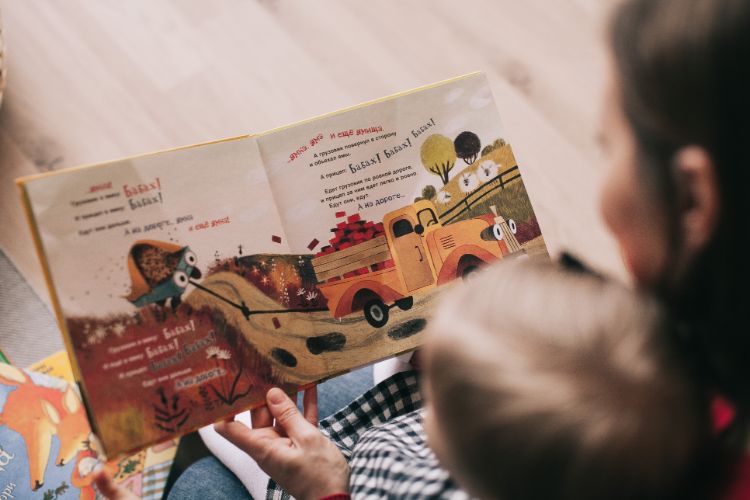
Children learn best when they can interact with the subject in a fun, exciting way. Most books, especially for very young children, include interactive elements such as pictures. Another way of doing this would be to discuss the story together afterward or invent extra details and alternative endings. Don’t forget to ask them to read out loud. While reading to them improves their language acquisition skills, giving them a chance to practice out loud can improve fluency.
Media, Media, Media
Technology can be incredibly helpful for acquiring multiple languages. Every child learns differently, so it is important to provide a multimodal approach. In the case of languages, the options are endless. One example would be for your child to watch a show in both languages. This can be particularly helpful because in order to learn from something, we need to understand the basic message first. So, in the case of TV shows or movies, I would recommend choosing some of your child’s favorites. They will be familiar with the overall structure of the show, which will help them deduce words and meanings from context.
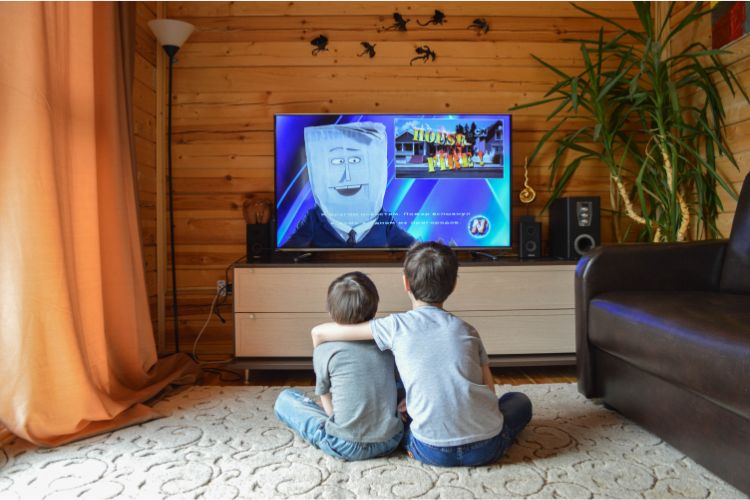
With so many different learning styles, it is important to also cater to auditory learners. Encourage your child to listen to the radio or audiobooks in both languages. Again, this could be a family activity. Another way of making language learning interactive and engaging is to use language learning apps or change the language setting in games your children enjoy.
I hope this article has been helpful in showing what bilingualism can provide for your child and how you can provide it to them. With these techniques, you can help your child feel comfortable using both languages. Growing up bilingual can drastically improve cognitive function and lead to better problem-solving skills. It also increases the child’s awareness of both cultures, which can bring the family closer together — it certainly did with mine!
Want to learn more about books that feature multiple languages? Check out this article about multilingual children’s books here!
Need some more bookish recommendation for your little ones? Check out our collection of educational and imaginative children’s books here.