
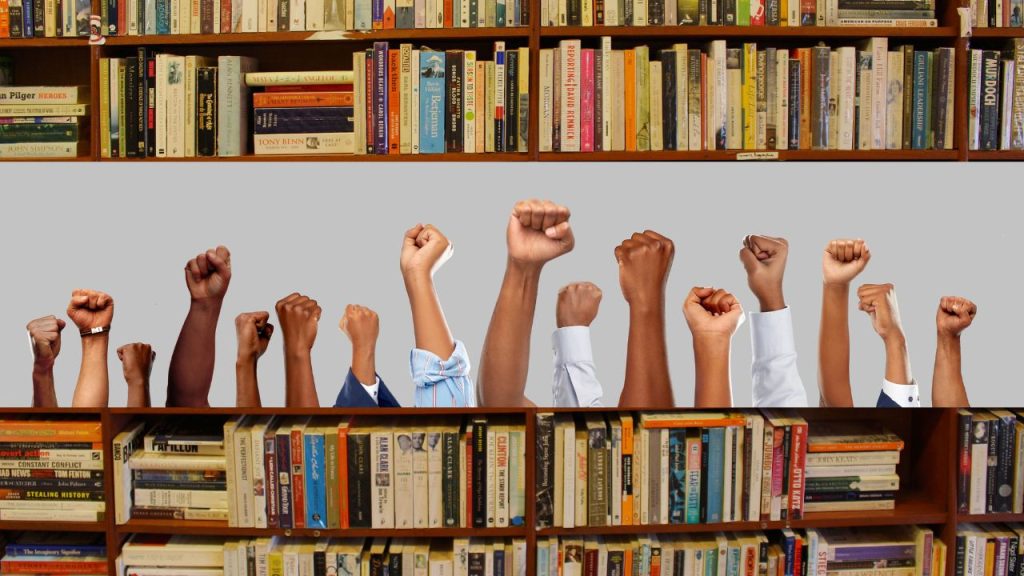


On August 29, several major book publishers took a stand against Florida’s controversial school book bans. They filed a lawsuit, claiming the bans violate students’ rights to access diverse literature. This legal battle highlights the ongoing tension over what books should be allowed in classrooms. Florida’s recent wave of book restrictions has sparked national debate, drawing criticism from educators and activists. The publishers argue that these bans limit students’ educational opportunities and stifle free expression.
The lawsuit, led by prominent publishers like Penguin Random House and HarperCollins, challenges the constitutionality of Florida’s book bans. The publishers assert that these restrictions are politically motivated and harm students by removing essential voices from their education. As the lawsuit unfolds, it could set a significant precedent for how book bans are handled across the United States. This case isn’t just about Florida; it’s about defending the freedom to read and ensuring students have access to a wide range of perspectives.
What We Bargain at the New Rise of Book Bans
The resurgence of book bans forces us to reconsider what’s really at stake. As these bans increase, many argue they restrict students’ access to diverse stories and viewpoints. Penguin Random House, Hachette, and others emphasize that these bans are a threat to freedom of expression. They stress that “fighting unconstitutional legislation in Florida and across the country is an urgent priority.” When we limit what books students can read, we’re also limiting their ability to learn and grow. Book bans don’t just affect the books themselves; they impact the voices behind them.
“Book bans censor authors’ voices, negating and silencing their lived experiences and stories,” Mary Rasenberger, CEO of the Authors Guild.
When stories are removed, students lose the chance to explore a broad range of human experiences. As Dan Novack of Penguin Random House stated, students need access to diverse books to understand the world better. If this trend continues, we risk creating a generation deprived of essential knowledge and empathy.
Florida’s True Perspective of the Book Bans Made
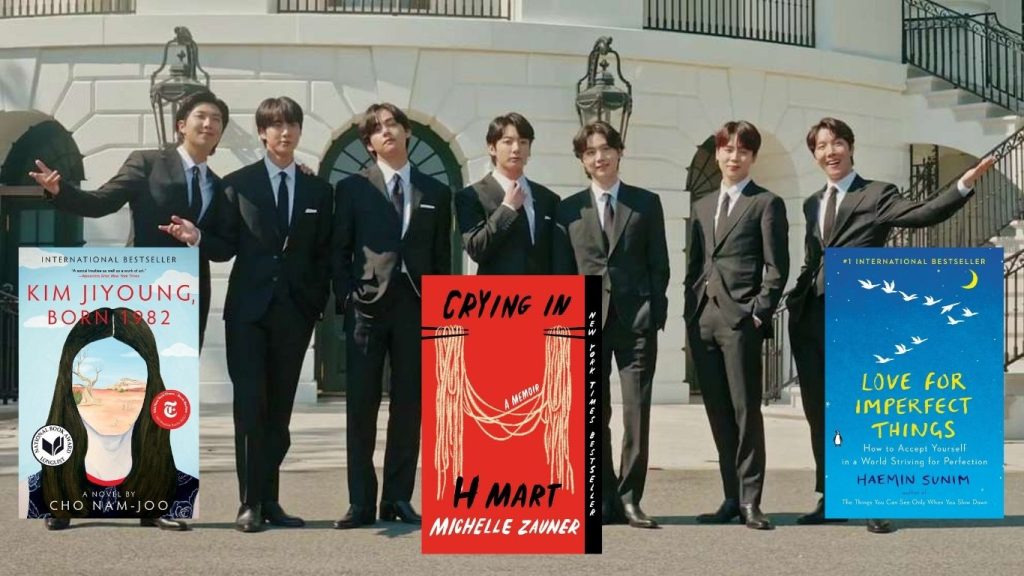
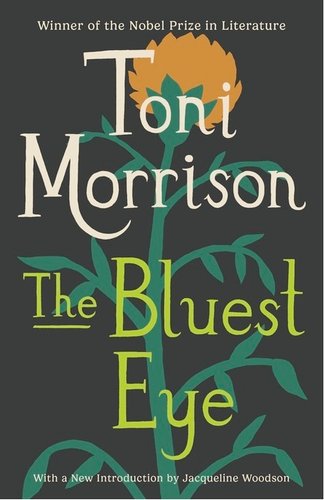
Florida’s book bans have sparked intense debate, making people question the true motivations behind these restrictions. Many of the banned books, according to Pen America, “talk about LGBTQ+ identities, include characters of color, and discuss race and racism.” These bans target stories that reflect diverse perspectives, raising concerns about censorship. The vague language in the legislation, especially around what’s considered “pornographic,” has led to the removal of books that “are not remotely obscene,” such as Toni Morrison’s The Bluest Eye. The broad interpretation of these laws makes it easy for valuable literature to be unjustly banned.
Supporters of the book bans argue they protect students from inappropriate content, but others see it differently. The lawsuit against Florida’s bans highlights that these books are vital for students’ understanding of complex social issues. By removing these titles, Florida risks depriving students of the opportunity to learn about different experiences and identities. The ongoing controversy over what should be allowed in schools reveals a deep divide in how education and literature are valued. As the lawsuit progresses, the outcome will significantly impact students’ access to a diverse range of books.
The lawsuit against Florida’s school book bans marks a crucial battle for free expression in education. Publishers seek not to overturn the entire law but to challenge its vague restrictions. They aim to protect access to books offering diverse perspectives and important life lessons. As the legal fight unfolds, the outcome could set a precedent for how book bans are handled nationwide. Ultimately, it’s about ensuring students can access stories that help them learn and grow.
Interested in learning about a Florida bookstore combating book bans? Check out this article.
Browse our Banned Books: Because We Stand With the Well Informed bookshelf on Bookshop.org for more banned book recommendations!