















Nearly 79 million Americans struggle with medical debt. Recently, this has become a key policy issue for voters, with the previous administration working to eliminate the debt from credit reports. However, a Texas Judge ruled that this oversteps the authority of the Fair Credit Reporting Act. Read along to learn about what the ruling means for everyday Americans and how we can better protect ourselves with a literary shield.
The Legal Battle: Medical Debt and Your Credit Report
In January, the Consumer Financial Protection Bureau (CFPB) finalized a rule that removes a creditor’s ability to consider medical debt as a factor in a consumer’s ability to obtain credit and prohibits lenders from using medical devices as collateral for loans. “People who get sick shouldn’t have their financial future upended,” said CFPB Director Rohit Chopra.
Cornerstone Credit Union League brought suit against CFPB, arguing that the order “exceeded the independent agency’s authority.” U.S. District Court Judge Sean Jordan from Texas’s Eastern District agrees, stating that CFPB is not allowed to remove medical debt from credit reports via the Fair Credit Reporting Act. The decision reignites national debates about the intersection of health, finance, and creditworthiness.
The Real-World Impact of Medical Debt
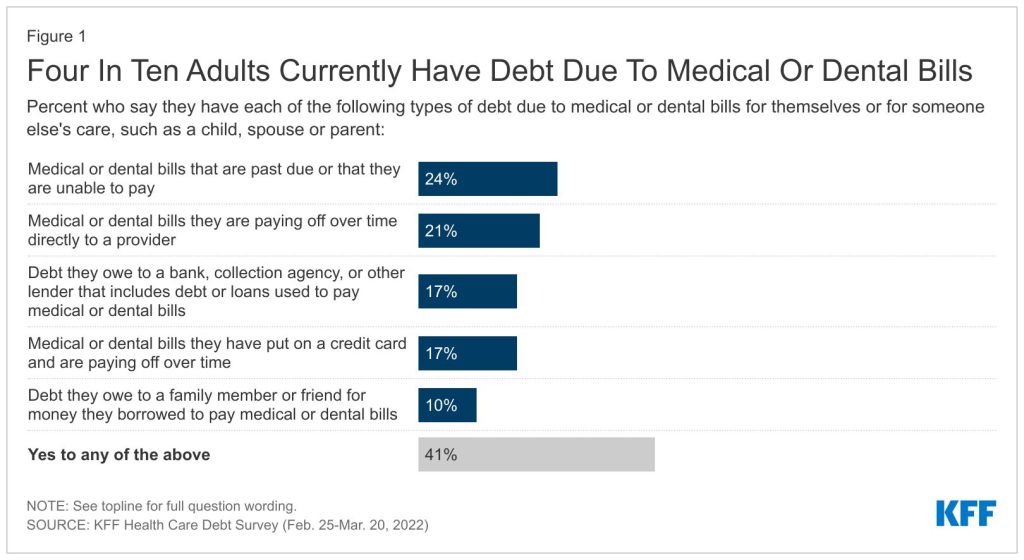
The KFF Health Care Debt Survey finds 41% of adults have debt caused by medical or dental bills. With nearly half of the American population having medical debt, it’s worth a closer look. Medical debt on credit reports lowers credit scores. This is most felt in the access, or lack thereof, to loans, credit cards, and rental housing. When interest rates rise for people with medical debt, it creates a snowball effect, causing individuals to further deepen their financial hole.
While medical debts cast a wide net, the burden falls heaviest on communities of color. The Consumer Financial Protection Bureau found that 28% of Black people and 22% of Latino people in the U.S. carry medical debt compared to 17% of white people. Combine that with the fact that employers for higher-paying jobs often perform a credit check as part of their hiring process, and you have a recipe that keeps lower-income individuals in that lower tax bracket.
Families that struggle to make ends meet due to compounding debt may delay or skip care altogether. These decisions can also impact health in other ways, causing spikes in stress, anxiety, and depression. When people fall ill and need to make life-and-health decisions, they are often forced to choose between seeing a doctor and buying food for the month. This is where financial literacy can play a crucial role in helping individuals and families navigate uncertainty.
Building Financial Resilience
Despite legal policies shaping our future in unexpected ways, learning about finances provides a shield that we can carry for the rest of our lives. By learning about the systems in place and how we can utilize them to their fullest potential, we can feel more empowered in our daily lives and minimize the impact that a surprise trip to the hospital might bring.
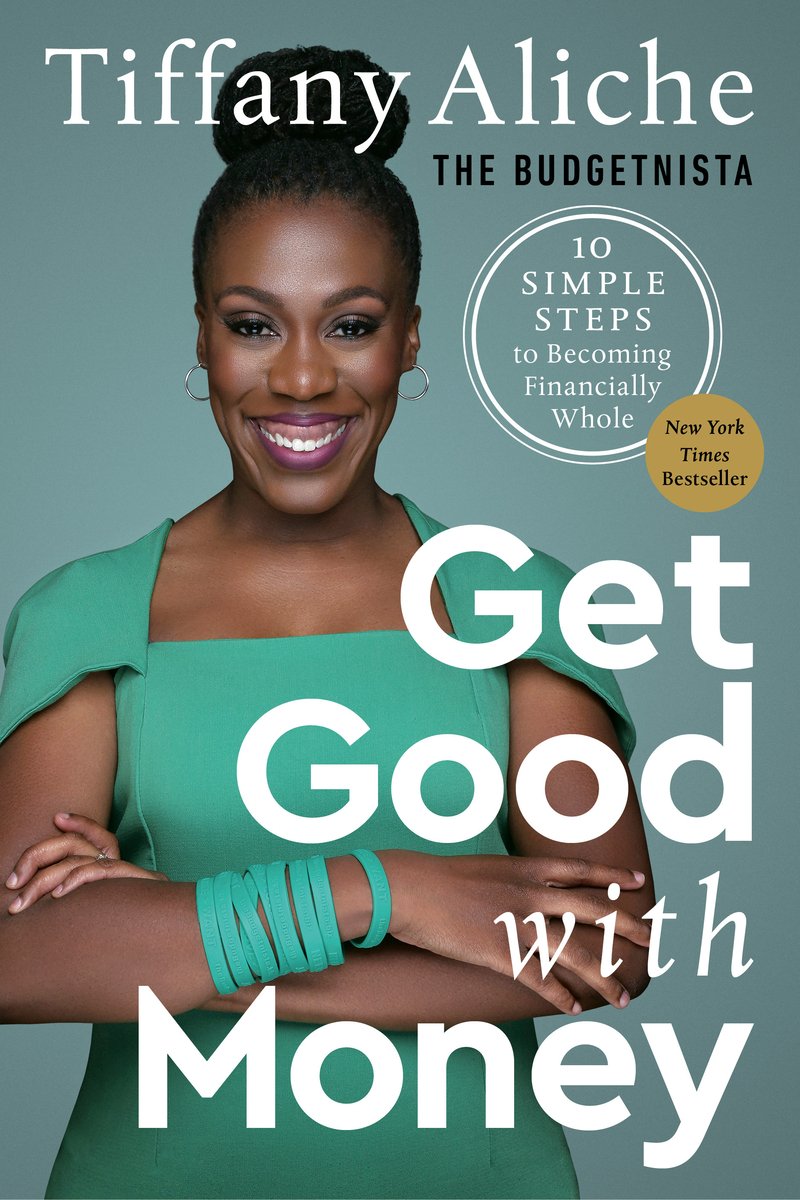
Get Good with Money by Tiffany “The Budgetnista” Aliche
Creator of a 10-step formula for financial security, Tiffany Aliche helps readers Get Good with Money through her book with checklists, worksheets, resources, and expert advice. Highly regarded for her down-to-earth approach, Tiffany helps advance financial literacy among her readers by providing accessible resources and simplified terminology. By highlighting the value of financial independence and exploring some of the more complex concepts surrounding insurance coverage and financial advisors, I highly recommend this one.
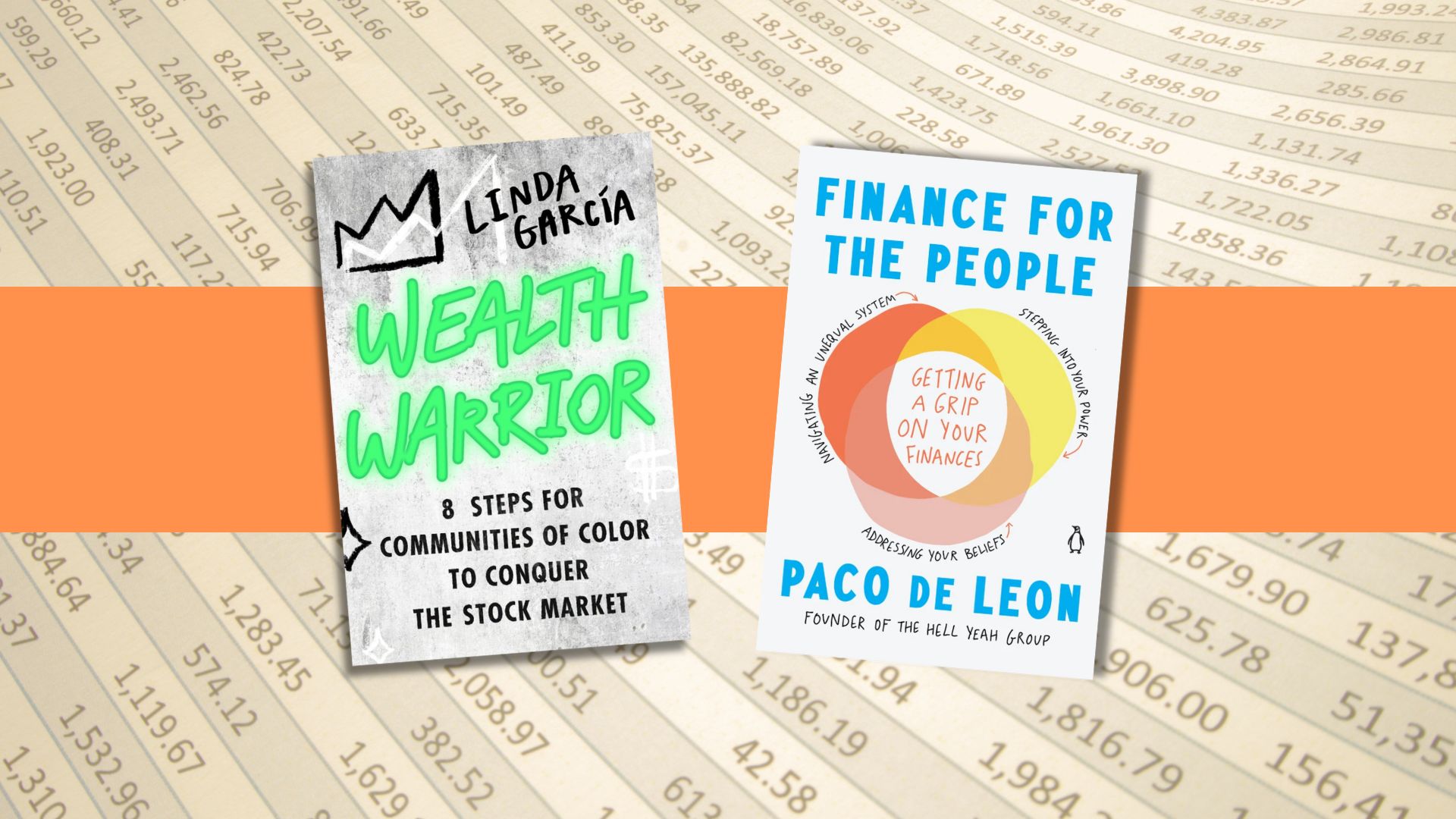
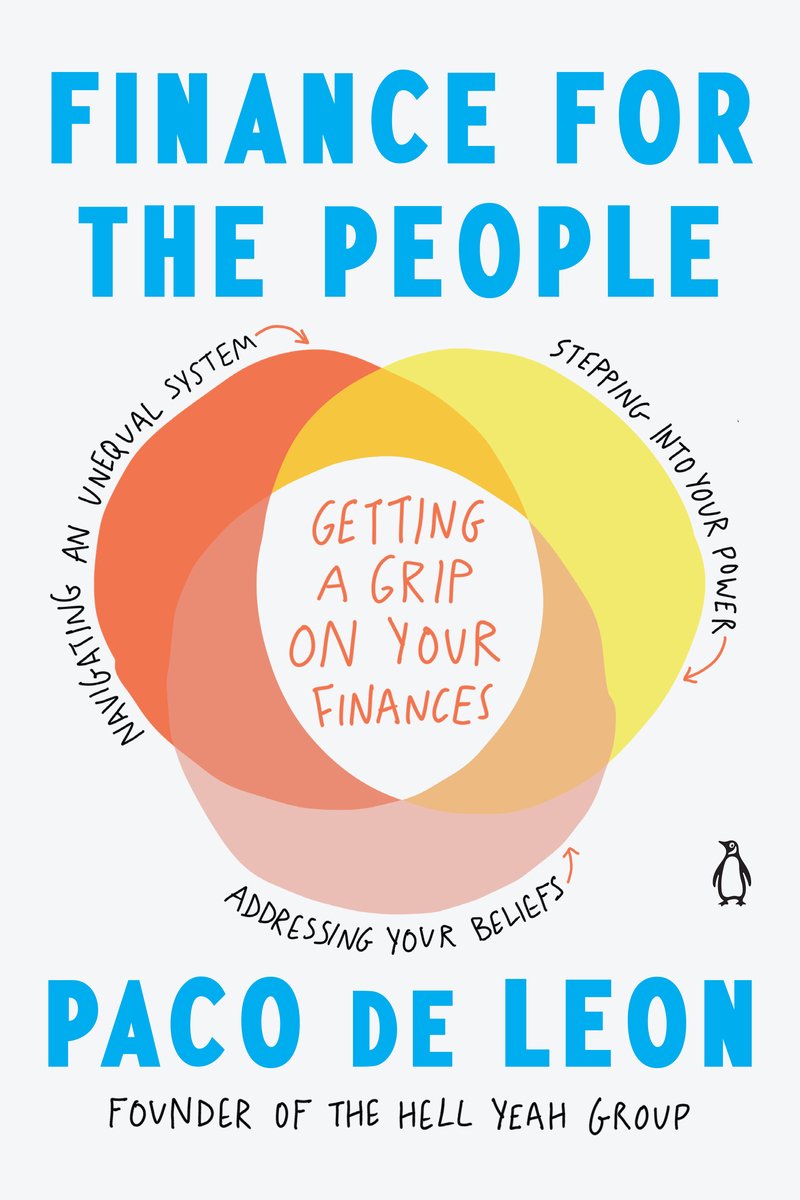
Finance for the People: Getting a Grip on Your Finances by Paco de Leon
Founder of the Hell Yeah Group, Paco de Leon, challenges readers to change their relationship with money based on her approachable illustrations and diagrams. Finance for the People takes a person-first approach to finances, breaking down some of the barriers that may be hindering you from taking the first step. Transparent about the world we live in, I appreciated the overarching message of “control what you can,” while discussing how to improve your personal relationship with money.
Wealth Warrior: 8 Steps for Communities of Color to Conquer the Stock Market by Linda Garcia
With personal experience backing her rise in the stock market, Linda Garcia helps readers understand the stock market and its implications for communities of color. Wealth Warrior guides you from establishing a budget to buying your first shares. I loved the way she spoke about some of the more human aspects of budgeting, in terms of money wounds and a scarcity mindset, while simultaneously championing wealth for everyone.

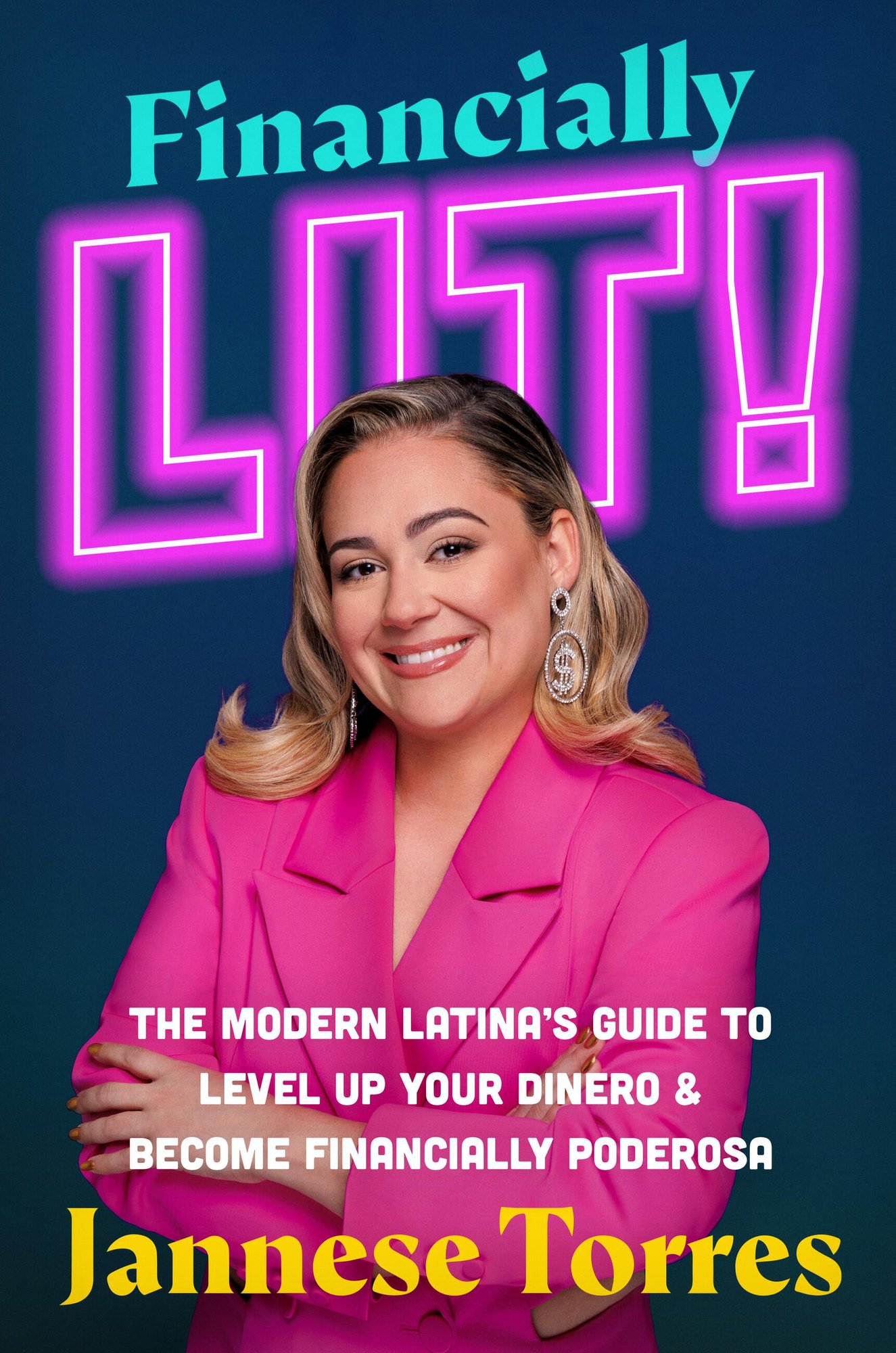
Financially Lit!: The Modern Latina’s Guide to Level Up Your Dinero & Become Financially Poderosa by Jannese Torres
Voice of the Yo Quiero Dinero podcast, Jannese Torres, helps first- and second-generation Latinx kids who are earning more money than their parents did before them. Financially Lit! takes accessibility to a new level with personal anecdotes and engaging explanations. Equally inspiring as it is informative, readers will appreciate the relatability of the pages alongside the financial literacy that you will refer back to as you embark on your journey to financial independence.
Medical debt is more than numbers on a credit score; it means financial instability and uncertainty for the future. As a forefront policy issue, we can expect to see more advancements in medical debt credit reporting in the future. However, enhancing our financial literacy improves our economic health and stability in uncertain times. The resources highlighted here offer valuable guidance to equip readers with the knowledge to enhance their financial stability and confidence.
Find these books and more on our Non-Fiction Titles for the Enlightened Mind bookshelf on Bookshop.org.
For more personal finance books, read Empowering Your Wallet: Instructive Personal Finance Books for Beginners.