







Money is a sore subject for a lot of us. Whether you’re worried about conquering debt, saving for a major purchase, or planning for retirement, personal finances are an ever-present concern. Without the proper guide to assist in this journey, it is all too easy to end up with a disorganized wealth portfolio. Starting out in financial planning can be daunting and confusing. There’s a lot of complex terminology to decipher — for example, what even is a wealth portfolio? In this edition of Three to Read, we bring you three personal finance books written and designed for beginners like you!
HOT PICK
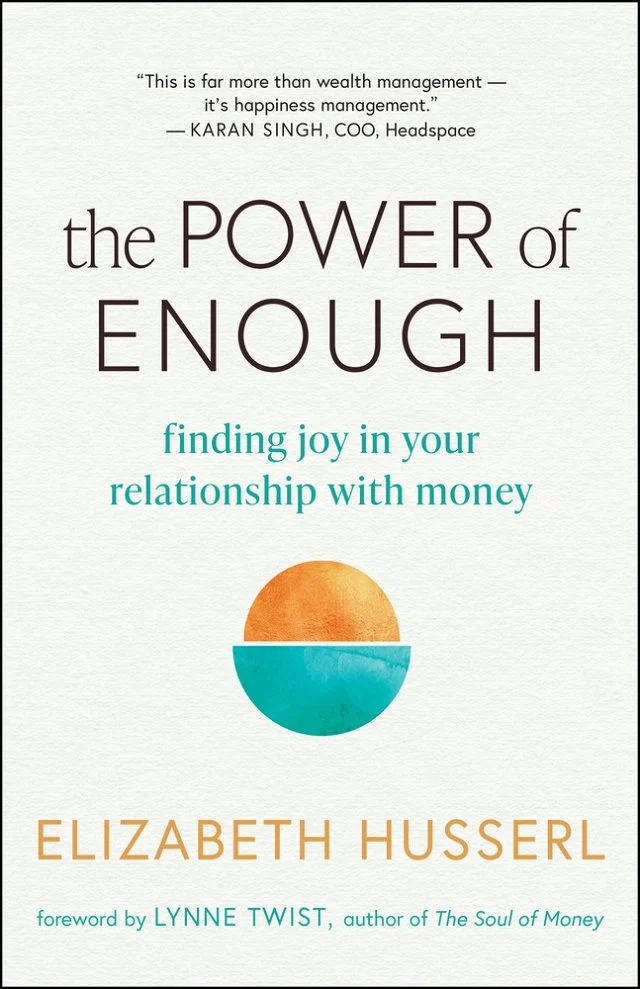
The Power of Enough: Finding Joy in Your Relationship with Money by Elizabeth Husserl
SYNOPSIS:
In The Power of Enough, investment advisor Elizabeth Husserl asks a question not often heard in the financial world: How much money is enough for you? Too often, wealth management is focused on endless growth with no sense of direction. Learning how to save responsibly is just as important as learning how to spend responsibly. With a mix of practical exercises and introspective prose, Husserl reaches out to her readers and offers not just financial savvy but a balanced psyche as well.
WHY:
This debut book from acclaimed speaker and wealth expert Elizabeth Husserl is a transformative entry to the world of financial literacy. Readers are encouraged to consider their intentions with their personal money goals, preventing them from falling into the trap of hoarding without purpose. The Power of Enough is the ideal first step into money planning while also acting as a holistic mindfulness guide.
COFFEE SHOP PICK
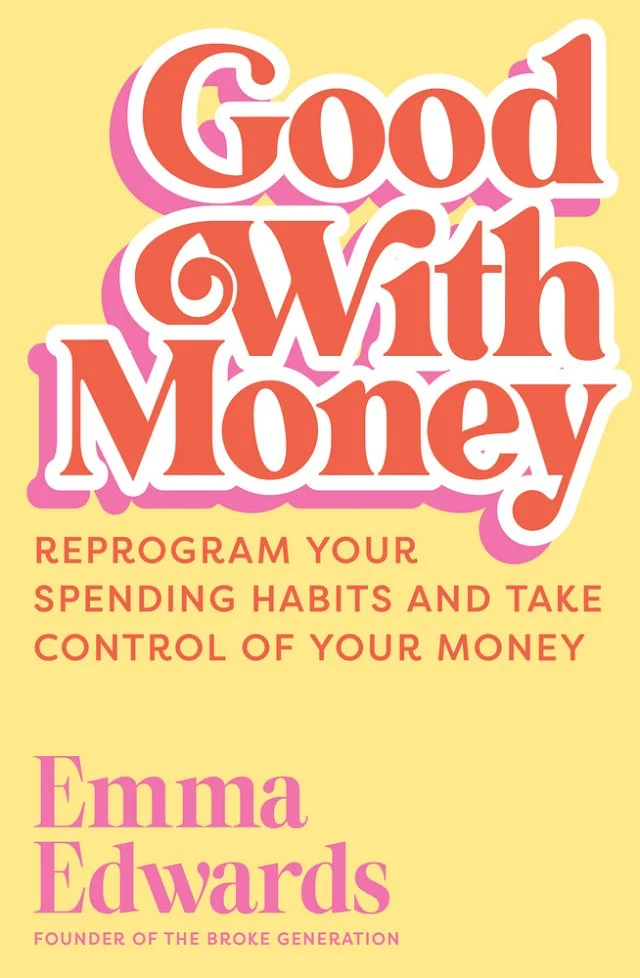
Good With Money: Reprogram Your Spending Habits and Take Control of Your Money by Emma Edwards
SYNOPSIS:
Targeted advertising and toxic consumption culture are preying on our spending habits like never before. Financial behavior specialist Emma Edwards recognizes this problem and tackles it head-on in her first book, Good With Money. With the Internet at our fingertips, it is, unfortunately, easier than ever to lose our money on impulse purchases. Edwards teaches readers how to create an accessible budgeting plan to reclaim their finances. She also helps identify the true culprit behind emotionally charged spending, ensuring that harmful habits can finally be put to rest.
WHY:
Good With Money is highly relatable and also full of empathy. Emma Edwards pulls from her graduate studies in Financial Psychology to provide readers with a better understanding of the behavioral side of money management. Her advice is hard-hitting and exact without ever feeling accusatory.
DARK HORSE
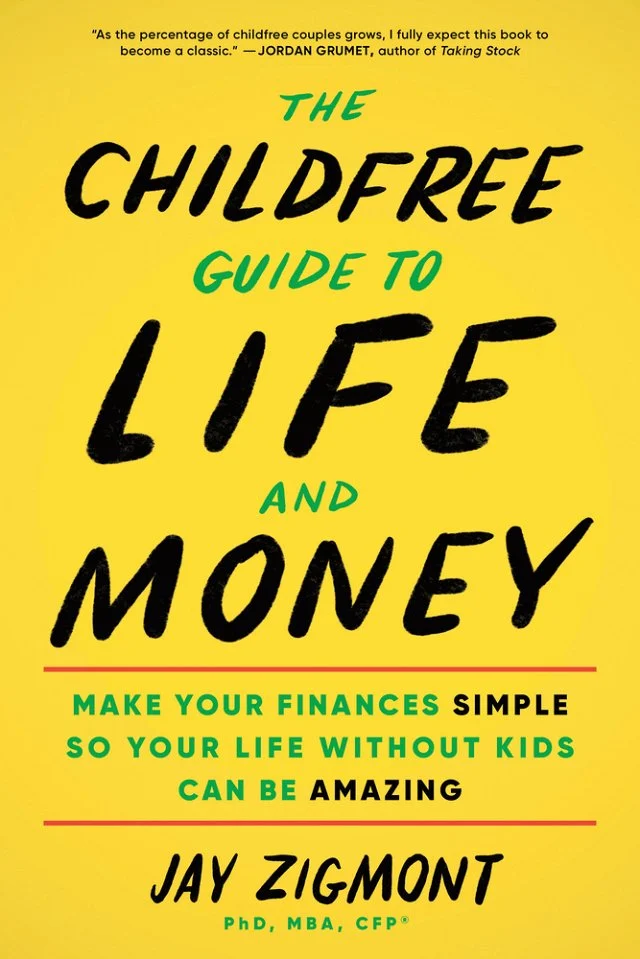
The Childfree Guide to Life and Money: Make Your Finances Simple So Your Life Without Kids Can Be Amazing by Jay Zigmont
SYNOPSIS:
Most financial planning guides are written with the assumption that the readers either already have children or definitely will in the future. While children can absolutely impact money management, these presumptions leave childfree individuals in the dark. This is where Dr. Jay Zigmont’s book, The Childfree Guide to Life and Money, comes into play. Zigmont upends traditional wealth management plans and embraces the freedom that comes with a child-free lifestyle. Readers learn how to design both their financial and life plans.
WHY:
In The Childfree Guide to Life and Money, Dr. Jay Zigmont writes from a personal perspective. As a part of a child-free couple, Zigmont has intimate knowledge of the differences that come with this lifestyle. His book is both empowering and thoughtful. Zigmont helps readers plan everything from everyday spending and taxes to retirement and elder care.
We hope you enjoyed this edition of Three to Read! Thanks for tuning in, and be sure to come back next week for another themed recommendation list.
Find more books to improve your financial literacy here.
Visit our Three to Read bookshelf on Bookshop.org for weekly Bookstr-approved recommendations.