










Trigger Warning: This article discusses eating disorders, mental health, and perceptions of body image. Please exercise personal care when reading, as I intend to shed light on this matter rather than support it.
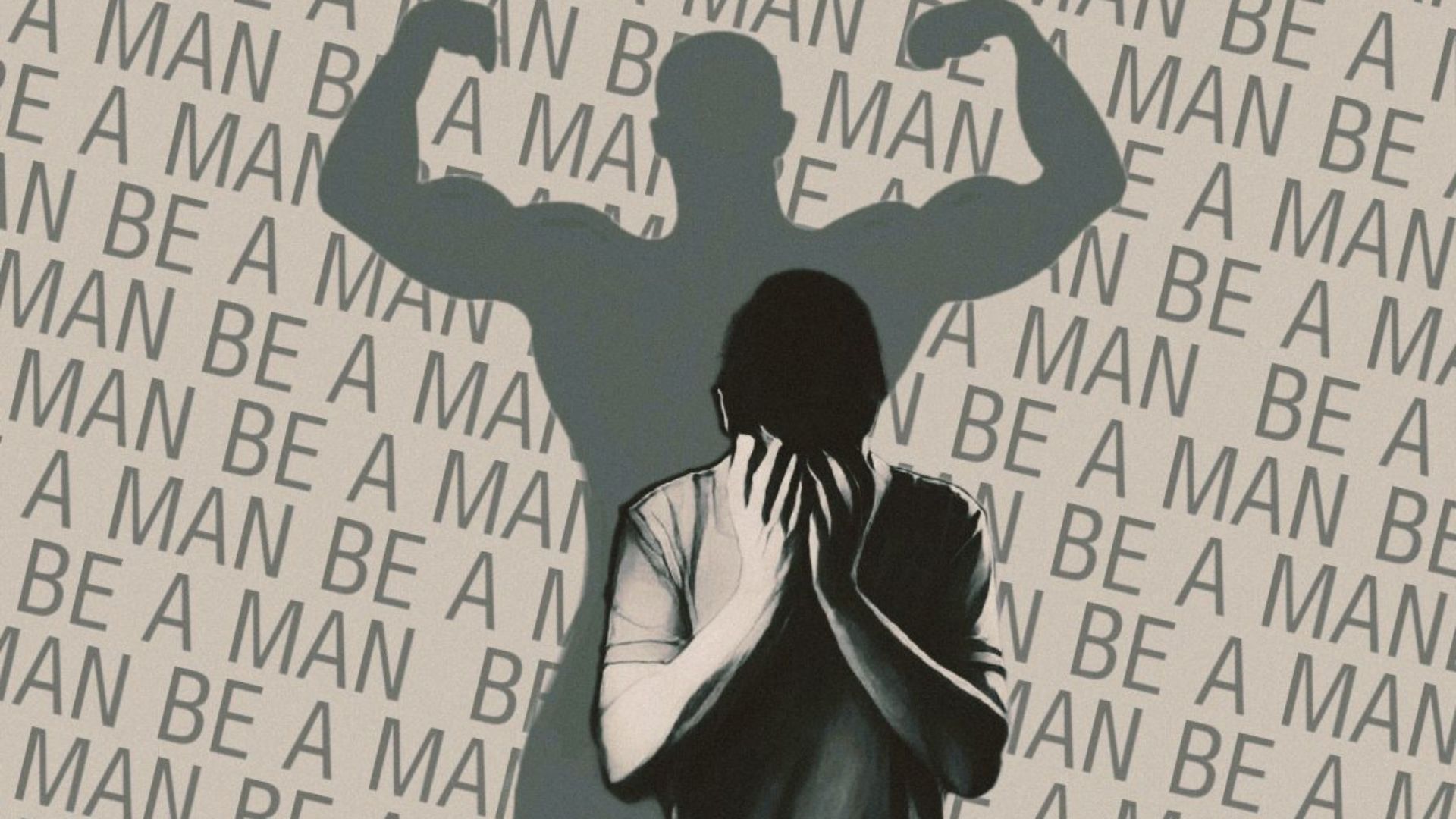
A healthy body leads to a healthy mind. But what if everything we were told was a lie? The stigma surrounding men — and how we’re depicted — is deeply shaped by outdated societal expectations. We’re told to be leaders, land high-paying jobs, maintain chiseled abs and bulging muscles, and exude unwavering confidence as so-called “alpha males.”
What a load of noise.
It’s time to shed light on the reality behind these ideals — how distorted body image and hidden eating disorders among men often lead to self-destruction rather than self-improvement.
Male Body Image in the Age of Social Media
Six-pack abs. Bulging muscles. The true Herculean body — the so-called ideal male figure. A role model across generations. Regimens, diets, tips and tricks flood every corner of the internet promising this body, this “figure.” Is it possible? Absolutely. Does it take hard work? Of course. But what they don’t tell you: the grind doesn’t guarantee truth or health.
TikTokers, influencers, Instagram models — they sell fad diets and sculpted bodies as if they’re the norm, as if anyone can achieve it with a little “hard work.” But it’s a lie. Every single one of them is lying. A few camera angles. Some good lighting. A sprinkle of the steroid gene. It’s all smoke and mirrors — a façade built on deception.
What life doesn’t tell us — especially as men — is that hard work is f–king hard.
Think of labourers. Tradesmen. Are they 10/10 models? Jacked-up influencers? No — but they’re the real definition of strength. The traditional male figure, long before this new-age social media nonsense took over. Social media is poison. It feeds on validation. It thrives on comparison. It pushes perfection — aesthetic, unattainable, fake. This so-called “ideal” male norm? It’s all bullsh*t.
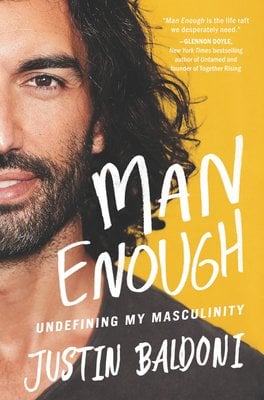
If you’re looking for a raw, unfiltered look at how body dysmorphia affects young men, consider reading Man Enough by Justin Baldoni — a powerful exploration of masculinity that challenges the very ideals we’ve been conditioned to chase.
Eating Disorders and Body Dysmorphia
Due to this forced focus on the male figure and maintaining the “ideal” body image, behaviours can become disrupted, often resulting in fractured self-esteem and worsening mental health. The extremes of overeating or starvation can trigger distress, leading to negative side effects for the body and its natural functions.
Believing in forced consumption (to gain muscle mass) or starvation (from feeling “fat”) is often linked to body dysmorphia, where someone idealises a certain physique, and when they don’t see results like those shown in media or real life, they obsess over their “failure.” This only worsens their mental state.
In many cases, it can even lead to over-exercising in pursuit of perfection, damaging the body and trapping someone in a cycle of shame and false self-acceptance. Without visible “results,” that cycle repeats again and again.
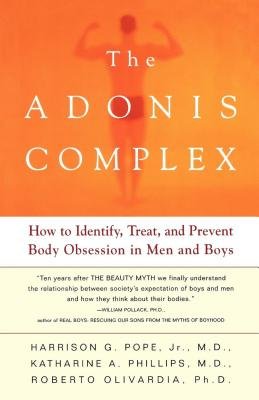
The Adonis Complex by Harrison Pope, Katharine Phillips, and Roberto Olivardia shines a light on this exact issue — how societal pressure around the male physique can fuel body dysmorphia, eating disorders, and a distorted sense of self in men of all ages. It’s a powerful read that pulls no punches about the mental cost of chasing “perfection.”
Breaking the “Alpha Male” Illusion
In a society dominated by stereotypical male ideals, influencers and so-called “alpha males” — like Andrew Tate — parade themselves as icons of power and control. They proclaim dominance above all, often demeaning women and warping the minds of younger generations into a toxic spiral. These machismo figures promote a narrow blueprint of masculinity: fearlessness, emotional detachment, physical dominance, and financial superiority. What gets sacrificed is vulnerability, kindness, humility — the very traits that make someone emotionally whole.
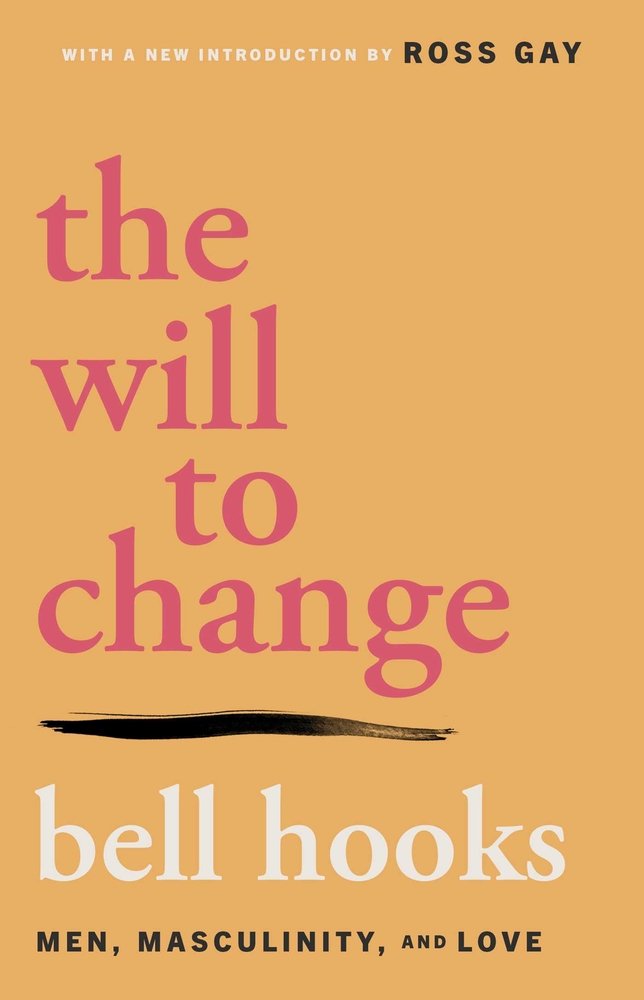
This illusion of strength doesn’t last. Like all facades, cracks begin to show through even the toughest exteriors. So, men shouldn’t fear being honest, humble, and, most importantly, themselves. The Will to Change by Bell Hooks offers a powerful counter to the alpha male myth. With clarity and compassion, Hooks encourages men to reclaim emotional vulnerability and redefine strength through love, honesty, and connection, not control.
Masculinity isn’t a rigid mold — it’s a spectrum of strength, softness, resilience, and vulnerability. The pressure to uphold a chiseled physique, suppress emotion, or chase dominance is a narrative rooted in insecurity, not truth. By challenging these harmful ideals — through stories, literature, and honest conversation — we create space for healthier self-images and deeper emotional understanding. It’s time to unlearn the noise, embrace nuance, and redefine what it truly means to be a man.
Take a deeper dive into this article that explores the toxicity of masculinity and how to overcome this emotional pain.
Better your emotional and mental health with this bookshelf on the tough days, good days, and everything in between!