











The written word will always bring a world of magic and imagination to the tip of our fingers, but sometimes we hope to see these stories come to life on our screens so we can enjoy them outside of our imagination. We can only hope that our favorite stories get picked up by Netflix or Prime so we can share our joy with other viewers. So here comes our plea for the stories and fairytales we hope become the next classics for movie audiences.
Vasilisa the Beautiful
Vasilisa The Beautiful is a fairytale of Russian origin that follows Vasilisa, a young girl whose dying mother entrusted her with a magical doll, instructing her to feed it when in need of guidance. After her mother’s death, Vasilisa’s father remarried, and her new stepmother, envious of Vasilisa’s beauty, sought to ruin her. She forced Vasilisa to endure harsh outdoor tasks under the sun, hoping to mar her appearance. Yet, with the doll’s help, Vasilisa grew even more radiant, intensifying her stepmother’s resentment.
The family moved to the edge of a dark forest, home to the fearsome witch Baba Yaga. The stepmother often sent Vasilisa into the woods, hoping she would perish, but Vasilisa always returned unharmed, guided by her doll. One fateful night, the stepmother extinguished all the candles in their home and ordered Vasilisa to fetch light from Baba Yaga.
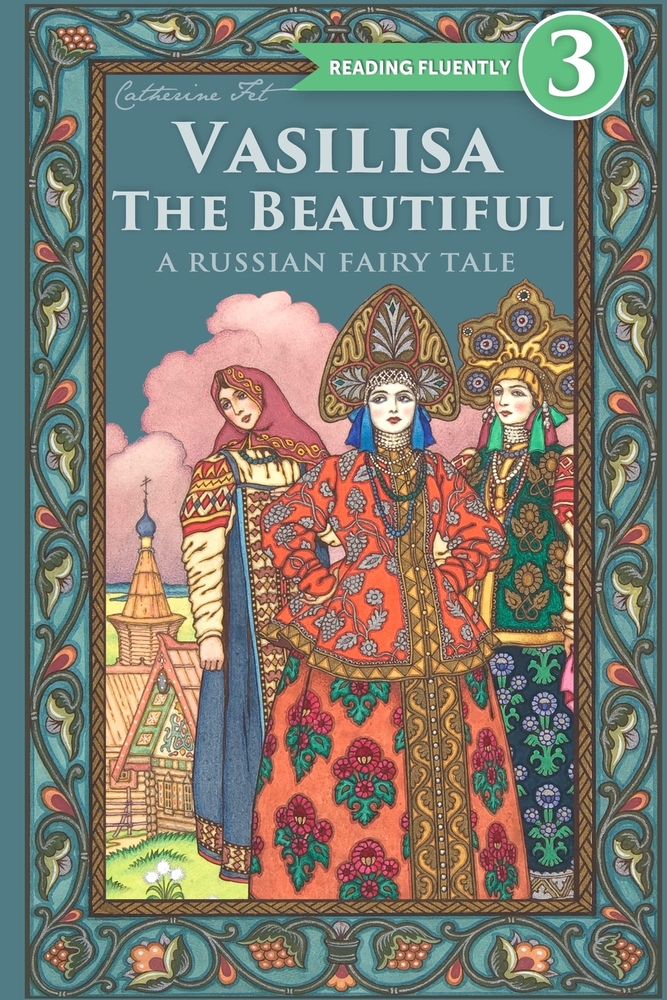
At the witch’s hut, Baba Yaga agreed to give Vasilisa light — but only if she completed a series of impossible tasks. With her doll’s help, Vasilisa succeeded, earning a skull lit with an eerie flame. When she returned home, the skull’s light consumed her cruel stepmother and stepsisters, reducing them to ashes. Now free, Vasilisa sought refuge in a nearby town and lodged with a kind woman. In gratitude, she wove a magnificent cloth that the woman presented to the Tsar. Enchanted by its craftsmanship, the Tsar demanded to meet its maker. Upon seeing Vasilisa, he fell in love and eventually married her.
This story would be perfect for a retelling or more modern interpretation. There are already some takes on the Baba Yaga in modern media and this story would be the perfect opportunity to explore more on her history through the eyes of a Cinderella-like character. A take like Hansel and Gretel’s Witch Hunters or Don’t Knock Twice would certainly be nice to see for a story like this.
The Seven Ravens
This Brothers Grimm fairy tale tells the story of love, sacrifice, and determination. A peasant couple, longing for a daughter, was blessed instead with seven sons. Years later, their prayers were answered when a daughter was born, but she was weak and often ill. One day, the father sent the sons to fetch water for their sister. In their haste, the boys dropped the jug into a well and could not retrieve it. Enraged, the father believed they had been careless and cursed them in a moment of anger. To his horror, the curse turned the boys into ravens, and they flew away. As time passed, the daughter grew up unaware of her brothers’ fate. One day, a stranger revealed to her that she had caused their loss. Overwhelmed by guilt and determined to reunite her family, she set out on a perilous journey to bring her brothers back.
Her quest led her to the Sun, which was too hot and threatening, then to the Moon, which craved human flesh, and finally to the Star of the Morning. The Star, moved by her resolve, gave her a bone that would unlock the door to the Glass Mountain where her brothers were imprisoned. However, she lost the bone and, in a moment of desperation, sacrificed her own finger to serve as the key. Inside the mountain, she found her brothers and broke the curse, restoring them to their human forms.
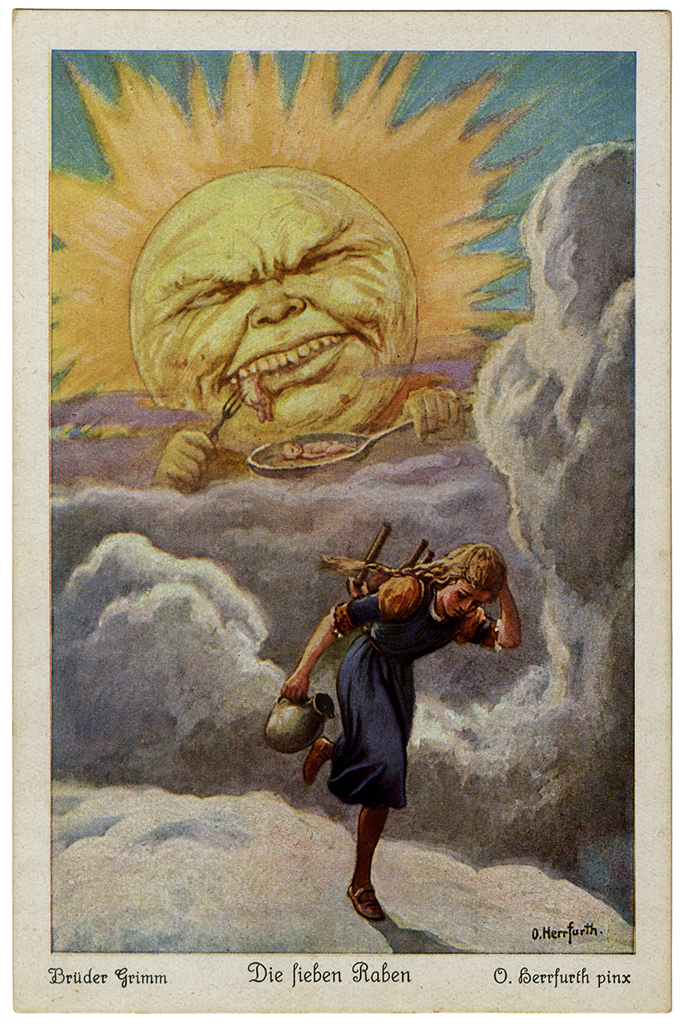
Her bravery and sacrifice reunited the family, proving the strength of love and determination. This tale, written during a time when societal pressures and war left many families fractured, resonates deeply even today. The sister’s journey, filled with peril and selflessness, offers timeless lessons on family bonds and personal courage.
A modern adaptation could explore these themes through an animated adventure. For instance, the celestial bodies could symbolize internal struggles, while the Glass Mountain might represent emotional barriers. The sister’s journey to mend her family could be reframed for today’s audience, focusing on themes of forgiveness, resilience, and empowerment.
The Fox Sister
Foxes are often portrayed as cunning tricksters in folklore, and this story exemplifies their devious nature. A desperate man, longing for a daughter, climbed a mountain to pray. In his desperation, he cried out, “Please, Hannanim, give me a daughter — even if she is a fox!” His prayer was answered, and soon, his wife gave birth to a beautiful baby girl.
The family lived happily for six years, but strange events began to unfold. Livestock mysteriously died, and their bodies were found with no visible culprit. Desperate for answers, the father sent his eldest son to watch the cattle. When the son returned with a horrifying tale of their sister devouring the cows, the father refused to believe him and casted him out. The second son met the same fate when he reported a similar story.
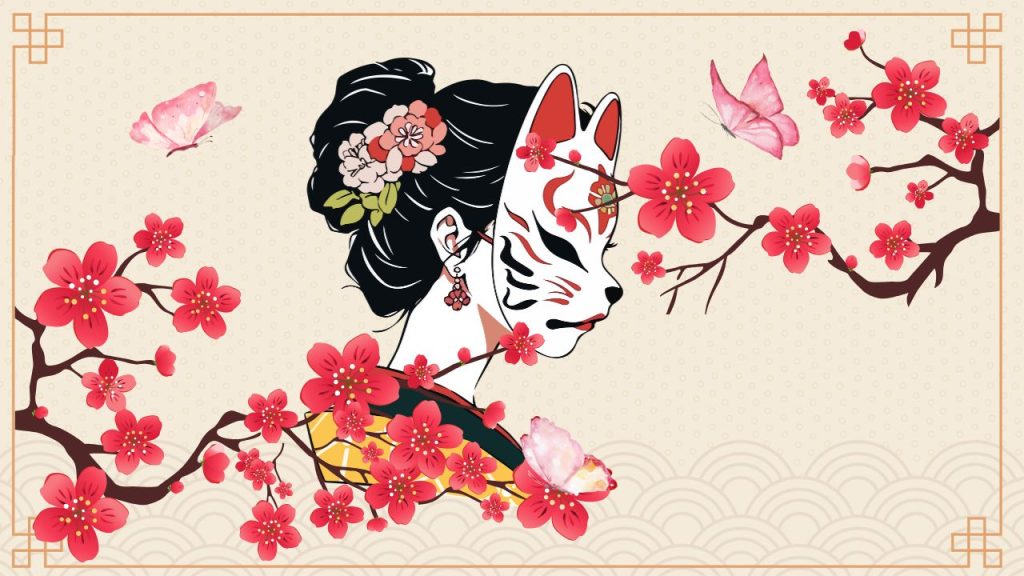
The youngest son, fearing banishment, lied to his father, claiming he had seen nothing. Pleased, the father promised him the family fortune. But as time passed, the mysterious deaths continued, and the household fell into disarray.
Years later, the elder brothers, who had been taken in by a wise monk, returned to their village. They found it eerily deserted, with only their sister remaining. She welcomed them warmly and invited them to stay the night. Suspicious of her intentions, the brothers agreed to take turns keeping watch. Yet, both succumbed to sleep.
The elder brother awoke to a horrifying sight: his sister feasting on their younger brother’s liver. Overcome with terror, he fled as she pursued him relentlessly. Remembering the monk’s parting gift — three sacred bottles — he hurled the last bottle at her, engulfing her in flames and reducing her to ashes.
This chilling tale not only explains why foxes and mosquitoes fear grass fires but also serves as a haunting reflection on desperation, betrayal, and survival. A modern retelling could reframe this story from the perspective of the older brother, highlighting his trauma and the cultural significance of fox spirits in Korean folklore.
Maid Maleen
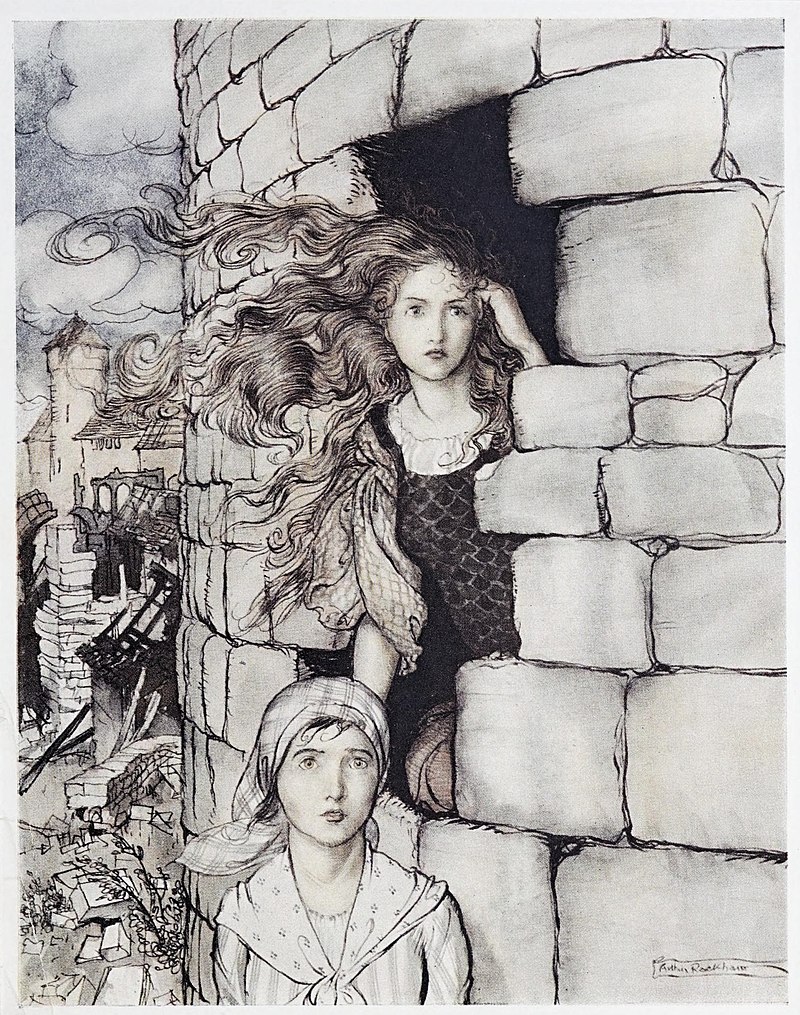
Another story from the Grimm Brothers makes this list: Maid Maileen. This tale follows the daughter of a king who wishes to marry a young prince. However, her father, having already promised her hand to another, rejected the proposal. Enraged by his daughter’s reluctance to marry anyone else, he imprisoned her in a dark tower within the castle walls.
Years passed, and eventually, the princess stopped receiving the food rations that had been given to her. When she managed to escape, she discovered that her father hadn’t forgotten about her, but rather, her kingdom and its inhabitants had been destroyed. Determined to survive, she set out with her maid in search of work and shelter in another kingdom.
They were often turned away by people who showed no pity for their situation until, eventually, the cook from the kingdom’s castle allowed them to work in the kitchen as scullions. Maid Maileen was assigned to deliver meals to the prince’s betrothed, an ugly and wicked princess who locked herself in her room, fearful of being mocked by others.
When the day of the wedding ceremony arrived, the ugly princess asked Maid Maleen to walk down the aisle in her stead and marry the prince. When the prince saw her, he gave her a jewel as a symbol of their engagement. When the prince encountered his bride that night, he inquired about what she said at the church and the jewel he had given her. When the true bride could not respond, he realized that she was not the one at the church. He rushed to rescue Maid Maleen, who was being dragged away to be executed by the orders of the wicked princess, who feared being exposed. The prince recognized her, married her, and executed the ugly princess.
This story could work wonderfully for fans of Tangled looking for the next princess adventure. It fits the style of Snow White and the Huntsman, with some dark elements and a gothic aesthetic that would suit the time period. We’re crossing our fingers that this one becomes popular enough for Disney to consider adapting it into a movie!
Fairy tales are bound to change and evolve as they are passed down from generation to generation. Adapting and sharing them with new generations helps preserve their legacy and allows us to return to the original sources, reliving the stories told in a time different from ours.
Want to learn more about fairytales? Click here.
Find more stories and underrated treasures on our Myths & Legends Unveiled: A Cultural Tapestry of Tales bookshelf on Bookshop.org.