




Trigger Warning: This article discusses books that feature sexual assault and domestic violence, the mention of which may be triggering for some readers. Please exercise personal care when reading.
In recent years, a growing number of books addressing sexual abuse have faced bans and challenges in schools and libraries, with many being labeled as “obscene” or inappropriate for young readers. These bans often target literature that gives voice to survivors’ experiences and tackles the harsh realities of trauma, silencing important discussions on consent, safety, and resilience. However, censoring such books does more harm than good, depriving readers of vital resources that can foster understanding, empathy, and healing. Rather than being deemed obscene, these stories deserve to be recognized for their capacity to educate and empower.
Books that discuss sensitive topics are increasingly being banned in American schools due to rising concerns from some parents, educators, and political groups who argue that these stories are too explicit or inappropriate for younger readers. This wave of censorship is often driven by a desire to shield students from uncomfortable or controversial subjects, particularly those related to sexual content, race, and identity. Critics of these bans argue that the books in question are being mischaracterized, with their educational value and role in fostering important conversations about consent and trauma being overshadowed by claims of obscenity. The current cultural climate, marked by debates over what is suitable in school curricula, has intensified the scrutiny of such books, reflecting broader social and political tensions surrounding education and free expression.
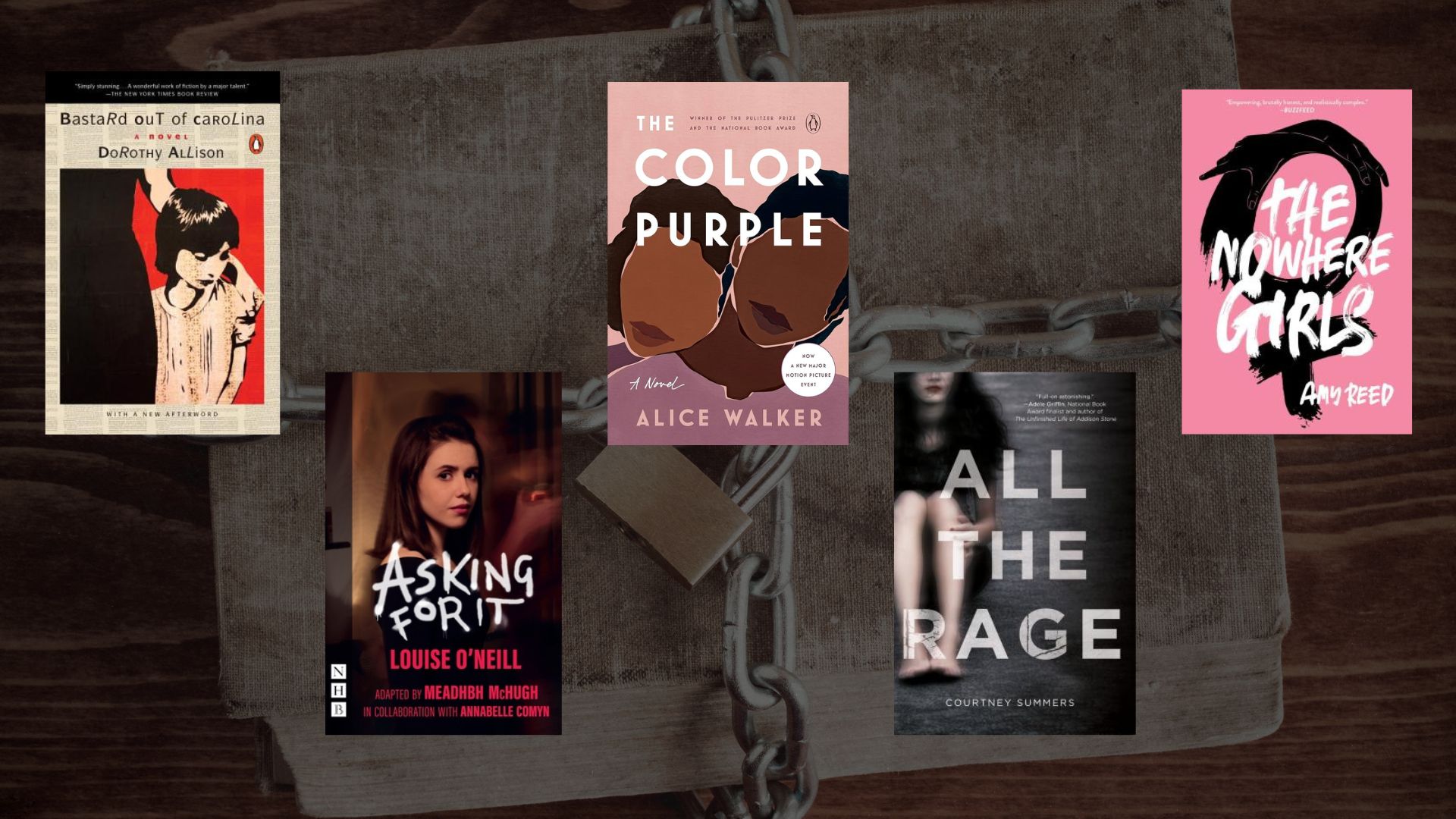
Despite the controversy, we should still be allowed to read these books because they provide vital insights into real-life issues, fostering empathy, awareness, and understanding in young readers, and help them navigate complex topics like consent and trauma. By confronting these difficult subjects in literature, we equip students with the tools to engage in critical discussions about the world around them, rather than avoiding or censoring uncomfortable truths. So, here are five books that have been deemed inappropriate due to the realities they expose.
Bastard Out of Carolina by Dorothy Allison
Allison’s book, which is semi-autobiographical, takes place in her hometown of Greenville, South Carolina, during the 1950s. The story is told through the eyes of Ruth Anne “Bone” Boatwright, with the central conflict revolving around her relationship with her mother’s husband, Glen Waddell. The novel delves into the intricate dynamics of mother-child relationships, while also exploring themes of class, race, and sexuality in the American South, all of which shape Bone’s experiences and interactions with those around her.
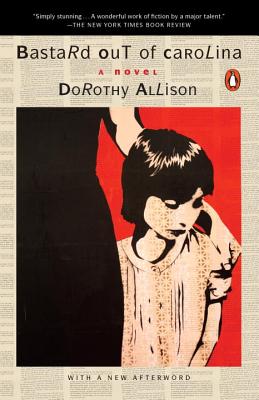
This book has been frequently banned and challenged due to its ‘explicit’ depiction of sensitive themes, including child abuse, sexual violence, and poverty. The novel’s raw portrayal of incest and physical abuse, as well as its candid exploration of issues related to class and sexuality, has made it a target for censorship, especially in schools. Critics of the book often deem it inappropriate for young readers, citing its graphic content, while its supporters argue that its honest exploration of difficult subjects provides a crucial voice for those who have experienced trauma and marginalization.
Why this book shouldn’t be banned: The book has been banned for being perceived as ‘”obscene,” but at its core, it advocates for and offers important insight into realities that are often hidden from view.
All the Rage by Courtney Summers
Summers’ novel is a powerful story about Romy Grey, a girl from the wrong side of a small town, who struggles with the aftermath of being sexually assaulted by a wealthy boy. Romy’s trauma leaves her feeling broken, and her stylish outward appearance of red lipstick and nail polish becomes a mask to hide her true self. She feels dead inside, isolated, and unjustly labeled as an attention seeker by the town that doesn’t believe her story. Surrounded by bullies and disconnected from her family, Romy longs to escape her life, finding a semblance of peace working in a remote diner.
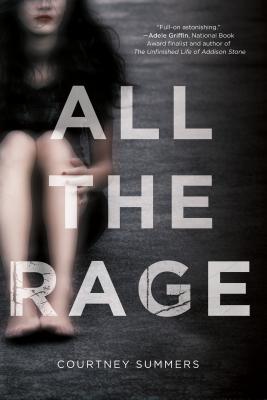
The novel explores the deep emotional scars left by rape, portraying how society often alienates victims, leading them to feel trapped and tortured long after the abuse. Romy’s internal struggles reflect the suffocating isolation many survivors experience, where even survival can feel like a burden. All the Rage provides a raw look into the psychological toll of sexual assault and the difficulty victims face in reconnecting with the world around them.
Why this book shouldn’t be banned: Critics argue that the book’s content is too mature or explicit for younger readers, citing concerns over graphic descriptions of trauma and the emotional intensity of Romy Grey’s experiences as a sexual assault survivor. These elements have led to the book being labeled as “inappropriate” or “obscene,” despite its relevance in addressing real-world issues like victim-blaming, social isolation, and the long-lasting effects of sexual violence.
However, the book’s candid portrayal of difficult topics is precisely why it has resonated with many readers and is considered an important piece of literature for raising awareness about the struggles of survivors. The challenging themes in All the Rage make it a vital read for fostering empathy and understanding around sensitive issues.
The Color Purple by Alice Walker
Walker’s masterpiece is a landmark of modern American literature that explores the lives of African American women in early 20th-century rural Georgia. The novel tells the story of sisters Celie and Nettie, who remain connected through letters despite being separated for years. Their experiences, along with those of other characters like Shug Avery and Sofia, highlight themes of pain, resilience, and growth.
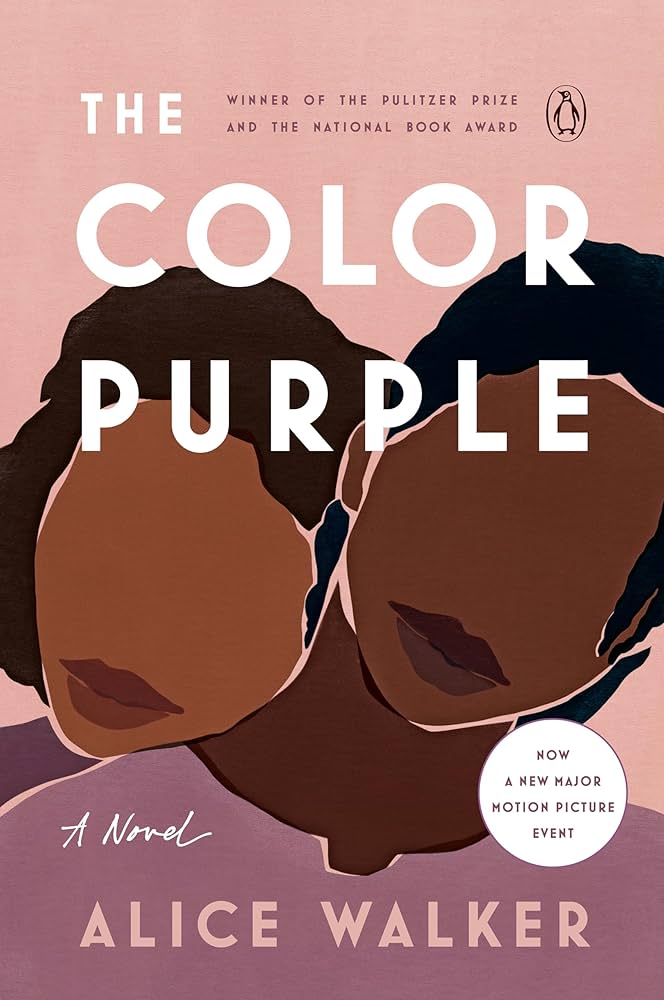
A central aspect of the book is its candid portrayal of sexual assault, particularly Celie’s experience of abuse at the hands of her father and husband. Through this narrative, Alice Walker broke the silence around domestic and sexual abuse, offering a powerful depiction of survival, healing, and eventual empowerment. The Color Purple remains a deeply compassionate work that emphasizes the strength of women in the face of trauma.
The novel’s frank exploration of topics such as rape, incest, domestic violence, and same-sex relationships has led to concerns among some parents and school boards, who argue that the material is inappropriate for young readers. Additionally, the use of profanity and sexual content in the book has sparked controversy, leading to calls for its removal from curricula and libraries.
Why this book shouldn’t be banned: Despite these challenges, The Color Purple is celebrated for its powerful portrayal of African American women’s resilience in the face of trauma, and its focus on issues such as race, gender, and sexual identity remains highly relevant in literary and educational discussions. Many argue that its exploration of difficult, but important, themes makes it an essential read, especially for understanding marginalized experiences.
The Nowhere Girls by Amy Reed
Reed’s novel introduces readers to a group of unlikely friends. Grace Salter has recently relocated to the small town of Prescott, Oregon, after her pastor mother experienced a political awakening that compelled them to leave their Southern Baptist community. Rosina Suarez dreams of launching her own band but feels trapped in her uncle’s restaurant due to the expectations of her conservative Mexican family. Erin DeLillo, who is passionate about marine biology, struggles with the sense that her family is unraveling and feels powerless to change the situation.
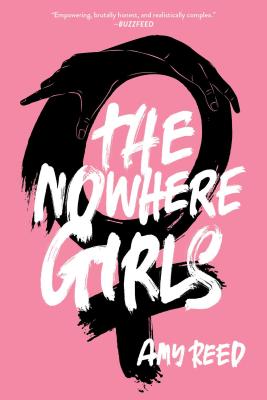
Upon discovering that they’ve moved into the house of Lucy Moynihan, who had to leave Prescott after accusing several popular students of gang rape, Grace, Rosina, and Erin unite to spearhead a movement against the toxic culture at their school and in the broader community. As their group continues to grow, the Nowhere Girls may have the potential to transform the lives of their friends, families, and the town itself.
The Nowhere Girls has been banned in some areas due to its unflinching portrayal of sensitive subjects like sexual assault, consent, and the toxic culture surrounding gender dynamics in schools. Critics argue that the book’s themes are inappropriate for young readers and may provoke discomfort or controversy. However, it is precisely these themes that make the book vital, which should encourage its inclusion in educational settings.
Why this book shouldn’t be banned: The novel promotes essential discussions about consent, accountability, and the experiences of marginalized voices, offering young readers the opportunity to engage with real-world issues that affect their peers. By addressing difficult topics, it empowers students to confront societal norms, and it fosters empathy and understanding. Banning the book denies students access to critical conversations about sexual violence and social justice, potentially leaving them unprepared to navigate these important issues in their lives. Ultimately, The Nowhere Girls serves as a catalyst for change and awareness, making it an important addition to contemporary young adult literature.
Asking For It by Louise O’Neill
O’Neill tells the harrowing story of eighteen-year-old Emma, who is raped by several boys in her small Irish hometown. Despite her efforts to maintain a “good girl” reputation, the incident shatters her image and exposes the harsh realities of rape culture. The book highlights the victim-blaming and societal stigma faced by survivors, illustrating how Emma is not only disbelieved but also tormented and unsupported by her family and community.
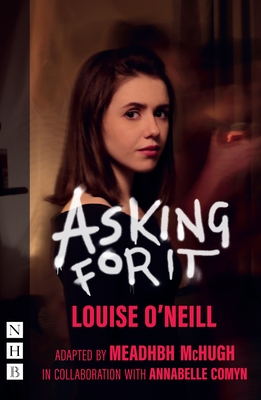
Emma, characterized as a school ‘mean girl’ who values her reputation, is portrayed as flawed and complex traits that make her more relatable and underscores the reality that no victim deserves such treatment. Even after the assault, she grapples with self-blame and reluctance to report the crime, challenging the notion of the ‘perfect victim.’ The rapists are depicted as ‘good boys,’ evoking sympathy despite their horrific actions, while Emma is ostracized and rejected, embodying the harsh truth that society often protects perpetrators over victims.
Critics argue that the book’s graphic content and the unflinching examination of rape culture may be inappropriate for young readers. Additionally, some may find the portrayal of flawed characters uncomfortable, believing it could send the wrong message about victimhood and morality.
Why this book shouldn’t be banned: Banning the book undermines its crucial role in addressing real societal issues. Asking For It sheds light on the pervasive nature of rape culture and the victim-blaming mentality that survivors often face. By confronting these uncomfortable truths, the novel encourages important discussions about consent, accountability, and the realities of sexual violence. It serves as a powerful tool for empathy and understanding, helping readers recognize that anyone can be affected by these issues, regardless of their background or character traits. Banning the book denies young people the opportunity to engage with and learn from these critical conversations, ultimately hindering their ability to navigate and challenge the realities of a society that too often silences victims.
Banning books like these limits vital conversations about the injustices survivors face in a culture that often protects perpetrators. They confront uneasy truths that need to be acknowledged, especially among young readers, who are directly affected by these issues. Rather than shielding students from difficult content, these stories offer a pathway to understanding and advocacy for change. By keeping these books accessible, we empower readers to confront the realities of rape culture and champion a more just and compassionate society.
If you or someone you know is struggling with domestic violence or sexual assault, you can find confidential, 24/7 help at Rainn.org.
If you’re looking to expand your TBR to include some wonderful, yet censored, novels, click here.
If you want more banned book recommendations from our Bookstr team, click here.