

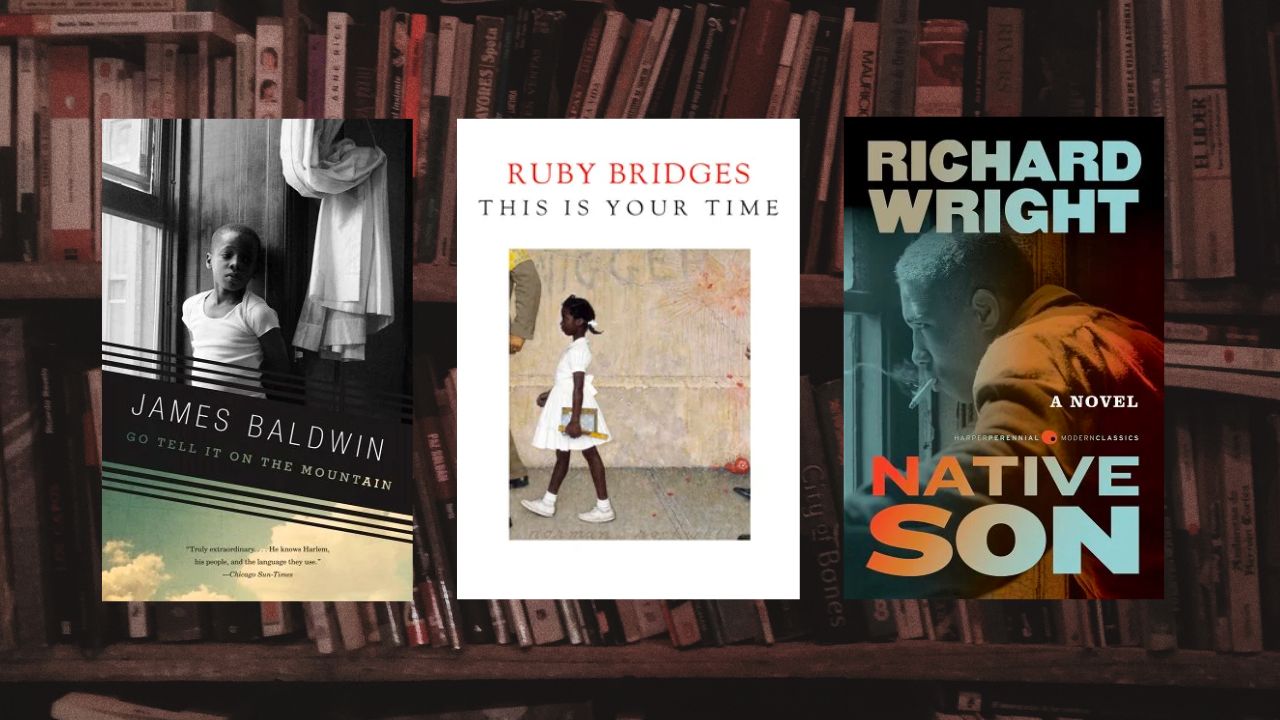
There’s a reason people want these books banned: They want to suppress knowledge from the masses and keep people subordinate to the systems in place. That’s why reading banned books, especially by Black authors, is essential! Whether you enjoy classic literature, YA novels, or non-fiction, there’s something on this list for everyone.
1. The Bluest Eye by Toni Morrison
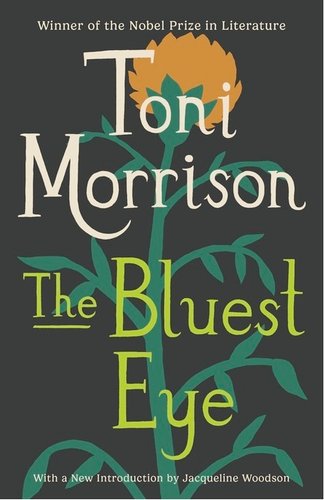
Many of Morrison’s books have been banned or challenged due to their graphic content, especially regarding systemic violence and oppression. The Bluest Eye is a great place to start, as it is Morrison’s first novel. It follows eleven-year-old Pecola Breedlove, who prays for her eyes to turn blue so she will be just as beautiful and loved as the other children in America. This novel explores societal beauty standards concerning race, class, and gender.
2. The Stars and the Blackness Between Them by Junauda Petrus
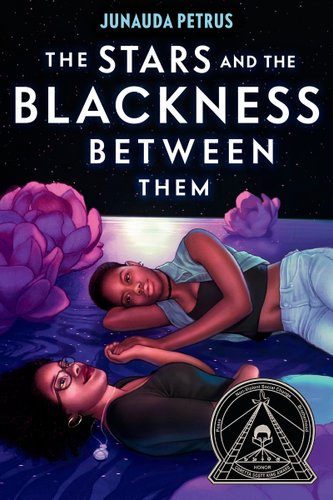
Texas Republican State Representative Mark Krause proposed to ban this book along with 850 other titles. This YA novel follows two 16-year-old girls, Mabel and Audre, who fall in love after they are brought together in Minneapolis from different parts of the world. This novel tackles themes of sexuality, race, love, and what it means to be queer in a conservative world.
3. Go Tell It On The Mountain by James Baldwin
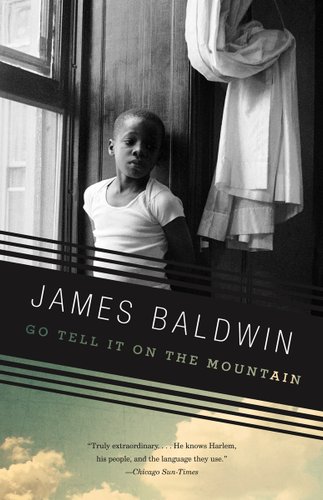
Many of James Baldwin’s important and exceptional works have been banned by different states and countries. This one was banned twice in New York and Virginia. Go Tell It On The Mountain follows fourteen-year-old John, the stepson of a minister of a Pentecostal church in Harlem, as he discovers the terms of his identity. This book delves into themes of religion, race, and family and is semi-autobiographical.
4. Hood Feminism: Notes from the Women That a Movement Forgot by Mikki Kendall

Another book on Matt Krause’s banned list, Hood Feminism, discusses the ways that mainstream feminism has a blind spot for glaringly obvious issues regarding basic needs. Kendall argues that food insecurity, access to education, safety, medical care, and living wages are all feminist issues that primarily affect women of color. This book helps us expand and redefine feminism as we know it.
5. The 1619 Project: A New Origin Story by Nikole Hannah-Jones
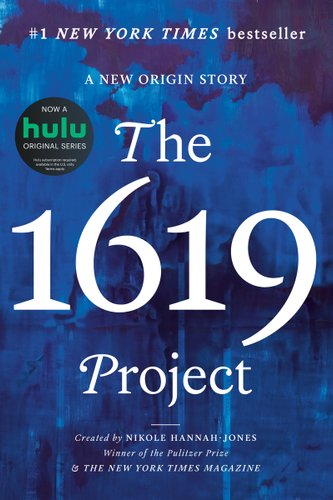
The Florida State Board of Education has banned this book following the removal of “critical race theory” in schools. This book explains what occurred when the first cargo ship of 20-30 enslaved people from Africa arrived in the British Colony of Virginia, leading to 250 years of chattel slavery. This book explores the ways that slavery still defines the United States today. The 1619 Project: A New Origin Story widely expands on the original 1619 Project with poems, essays, and works of fiction that have themes of oppression, resistance, and struggle.
6. All Boys Aren’t Blue by George M. Johnson
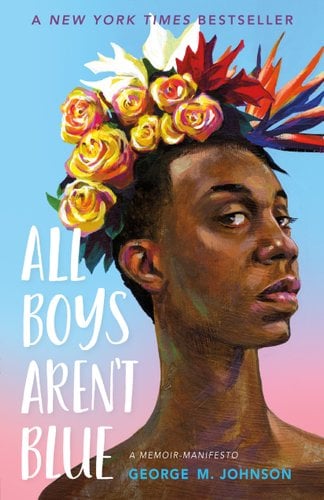
This YA nonfiction book has been banned by eight libraries across the United States after being deemed “pornographic” for its mentions of sexual abuse and consensual sex. All Boys Aren’t Blue is LGBTQ+ activist’s “memoir-manifesto” outlining their experiences as a queer Black youth growing up in New Jersey and Virginia. This book explores themes of gender identity, sexuality, consent, systemic oppression, and Black joy in a collection of essays. It also provides tools to become better allies to queer people and is a call to action.
7. The New Jim Crow: Mass Incarceration in the Age of Colorblindness by Michelle Alexander
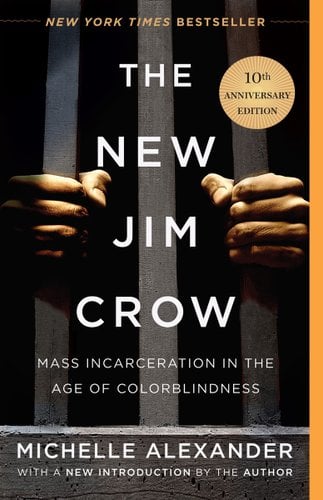
This work of non-fiction is currently banned in the Northeast School District in Austin, Texas, and has previously been banned in several other schools and prison systems. Written by an attorney, The New Jim Crow is a shocking account of how the criminal justice system is the caste system redesigned and how the United States uses mass incarceration of Black men as a form of slavery and racial control. This book challenges us to prioritize the abolishment of mass incarceration.
8. The Hate U Give by Angie Thomas
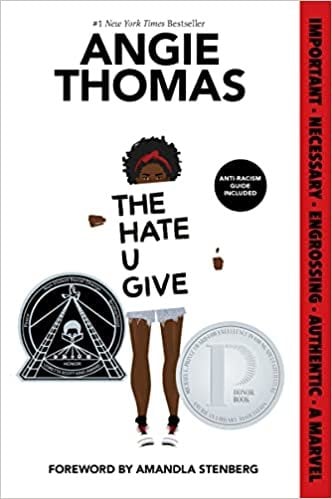
This New York Times bestseller was banned by school officials in Katy, Texas, for “inappropriate language,” but based on the content, we could assume they really meant “inappropriately criticizing cops.” This novel follows 16-year-old Starr, a student living in a Black, low-income neighborhood but attending a white suburban prep school. After her best friend Khalil is fatally shot by police and slandered in the media as a “thug,” she begins to question her friendships and her identity regarding race and class.
9. Native Son by Richard Wright
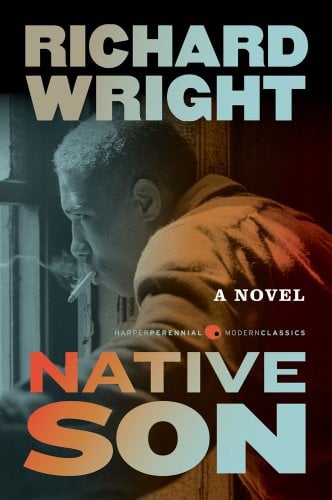
This powerful piece on the impact of racism has been challenged by many school districts across the United States for “sexually explicit content.” Native Son follows Bigger Thomas, a young Black man on a downward spiral after he kills a white woman in a moment of panic. This classic novel explores what it means to be Black in 1930s America and the effects of socially induced poverty.
10. This is Your Time by Ruby Bridges
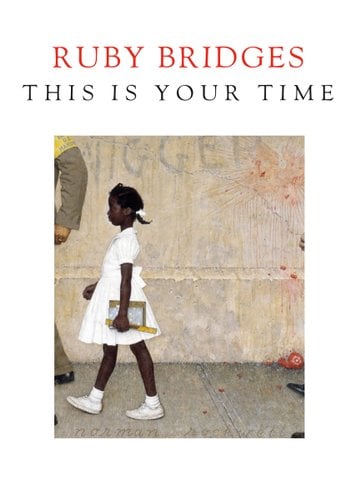
This memoir, written in the form of a letter to the reader, made a list of books Texas lawmakers targeted for investigation in 2021. Ruby Bridges was one of the first Black students who integrated an all-white elementary school in New Orleans and faced so much backlash that she had to be escorted to class by federal marshals. This is a 64-page recount of her experience and a message to effect change in new generations to come.
Whether you want to school yourself during Black History Month or just want to become educated in general, reading banned books by Black authors can open your eyes to the injustices occurring both historically and currently. Banned books often challenge the status quo, which is essential to racial justice and equality.
Check out more books by Black authors here.
Check out more banned books here.