
















Asian American and Pacific Islander (AAPI) communities are often viewed through a single and simplified lens. When, in reality, these communities span across dozens of countries, languages, and cultures, from East Asia to South Asia, Southeast Asia, and the Pacific Islands. AAPI literature powerfully reflects this diversity with rich stories about migration, memory, identity and belonging. These stories deserve to be celebrated and uplifted year round and here are some book recommendations to get you started.
These books aren’t just the class stories about immigration, they’re about what it means to transcend worlds, to lose and find home, and what it means to carry history while forging a path to the future. Here’s a gathered collection of voices from across the AAPI diaspore that highlight its depth and scope that often goes overlooked.
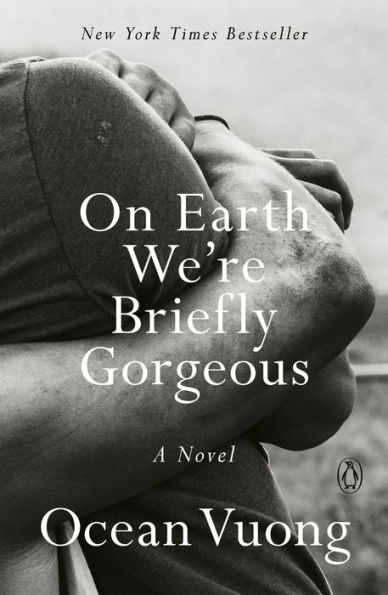
1. On Earth We’re Briefly Gorgeous by Ocean Vuong (Vietnamese American)
Born in Vietnam and raised in the United States, Ocean Vuong connects geography and identity through a heart-wrenching letter from a son to his illiterate mother. Vuong’s lyrical voice shines through in a way that is both intimate and universal. His trauma of war, queerness, and cultural silence is inspiring and gives you a lens into a world most of us could never imagine.
From chai (@thelibrairie on TikTok!) on Goodreads:
“By the time you finish reading On Earth We’re Briefly Gorgeous, you will have understood what Ocean Vuong meant when he said, “I wrote a phantom novel.” The phantom is about the past; the phantom straddles multiple worlds, passing and trespassing; the phantom clings to something long gone, inconsolable and beyond reach; the phantom lingers in the periphery, dreaming of a center that might hold; and, ultimately, the phantom remembers.”
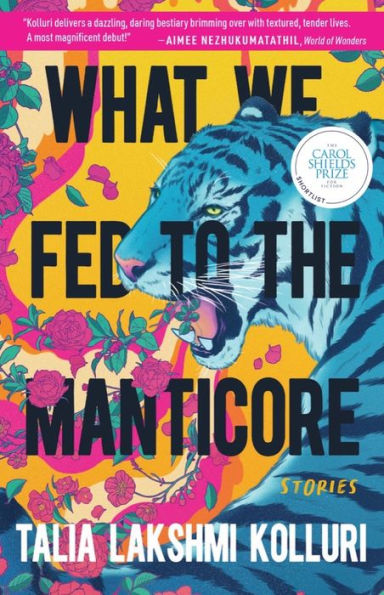
2. What We Fed to the Manticore by Talia Lakshmi Kolluri (Indian American)
Kolluri’s debut novel offers an awe-inspiring short story collection told entirely through the perspectives of different animals across the world. From the streets of Mumbai to the Arctic Tundra, this short story collection goes beyond the themes of immigration, and explores ones of ecological loss, survival, and global interconnectedness that mirrors the diasporic experience in a refreshing way. Kolluri’s emotional resonance mirrors the AAPI immigrant experience and how its borders, environment, and identity are constantly shifting.
From Emily Coffee and Commentary on Goodreads:
“What We Fed to the Manticore is a marvel of a collection, filled with so much life and emotion, shining with both a warning and encouragement.”
3. Stay True by Hua Hsu (Taiwanese American)
Set in the late ‘90s, Hsu’s memoir is a moving exploration of the friendship, grief, and self-identity you discover in your college years. You follow Hsu’s unexpected friendship with his fellow college student, whose worldview and background inevitably challenge his own. When disaster strikes, Hsu is forced to confront loss with memory, and when he does, he begins to examine the harsh complexities of being Asian American, including how culture, connection, and vulnerability shape the way we understand ourselves.

From Thomas on Goodreads:
“Definitely a book that makes you remember what’s important in life and to cherish the moments with the people you love.”
4. Rolling the R’s by Zamora Linmark (Filipino American)
R. Zamora Linmark captures the vibrant lives of Filipino American teenagers growing up in 1970s Hawaii in Rolling the R’s. Linmark’s intoxicating language and rhythmic structure pave the ultimate path for weaving themes of race, gender, queerness, and class into a disorderly yet compelling coming-of-age narrative. Rolling the R’s is a love letter to the outliers and to the messy beauty of cultural blending.
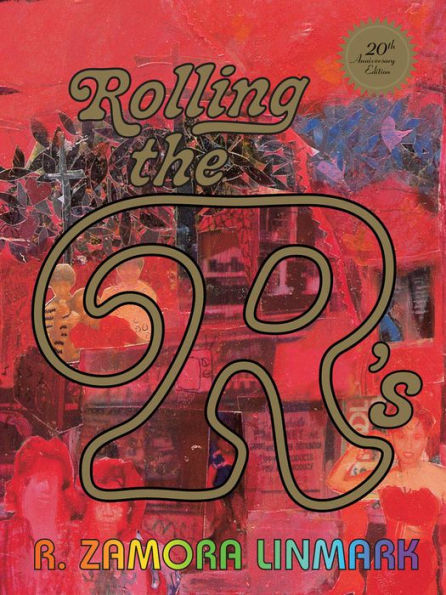
From Ying on Goodreads:
“Encapsulated everything I’ve been thinking about, and went beyond it. on rage, on love, on being young and wanting — no, needing to be loved, on the violence of the English language, on colonization as an act of penetration, of fragility sheathed in strength, these words quiver on the page, simultaneously desperate and elusive.”
5. The Blanket Cats by Kiyoshi Shigematsu
Shigematsu’s collection of interconnected short stories, translated from Japanese, features broken families, aging men, and lonely souls, all told through the lens of cats. While The Blanket Cats isn’t a direct narrative about immigration in the traditional sense, it reflects the internal diaspora of what it’s like to reconnect and face emotional displacement. These quiet short stories resonate with readers long after they finish with a sense of longing and small comforts that transcend borders.

From Jeremy Martin on Goodreads:
“Though the tales don’t always focus directly on the cats themselves, these rented felines are pivotal in sparking the emotional transformations that allow our cast to confront their pasts, grow, and ultimately heal.”
6. Pachinko by Min Jin Lee (Korean American)
Min Jin Lee’s sweeping and multigenerational novel follows a Korean family in Japan from the early 1900s through the 1980s. Lee explores the complexities of diasporic identity and how to survive when both your homeland and host country reject you. As the family faces poverty, racism, and cultural alienation, Lee offers a profound portrait of generational sacrifice and persistence.
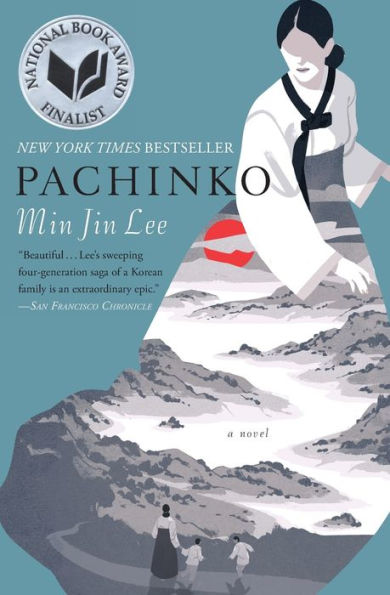
Quote from Pachinko:
“Living every day in the presence of those who refuse to acknowledge your humanity takes great courage.”
7. Lucky Boy by Shanthi Sekaran (Indian American)
Shanthi Sekaran tells the story of two women from different parts of the world who find their lives entangled through their love for one child. One is an undocumented immigrant from Mexico, and the other is an Indian American woman struggling with infertility. Yet both are faced with the challenges of the systematic injustice and emotional complexities that surround motherhood, migration, and sacrifice. Lucky Boy is a tender and acute story about the borders between people, countries, and love.
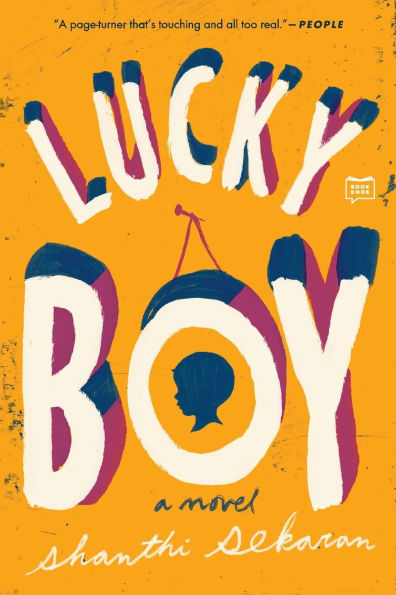
From Diane S. on Goodreads:
“I think sometimes we tend to forget to look at people as people, who want the same things we do, but often find insurmountable barriers in their way. A wonderful and emotionally challenging story.”
AAPI literature continues to be a testament to the power of how storytelling can transcend borders, languages, and generations. As we continue to honor AAPI Heritage Month, it’s important that we allow these stories to invite us to listen more closely, understand more deeply, and to celebrate the voices that continue to shape the literary world.
Looking for more powerful AAPI reads this month? Check out our article on 10 Must-Read Books by Asian American Women Writers.
Find these books and more on our Bookshop AAPI Recommendation shelf.