







Once that great idea comes to you, it is impossible not to get excited and want to start writing it. That is, until you actually sit down at a computer. Writing becomes daunting, and the feeling of anxiety and an overwhelming sense of doubt wash over you, and suddenly, you can’t force yourself to write anything down. Fear not, as you are not alone.
When I sit down to write a novel, all of the steps that I know I have ahead of me are daunting and make it hard to continue. Here is a month-long roadmap to writing your next novel, but remember, no book is done within a month. This roadmap will give you the perfect tips and advice to get a solid and somewhat revised first draft of your novel.
Timing
Timing is one of the first things you should do when starting your month-long writing plan. With work, family affairs, and possibly even school, Everyone has a busy life, so time management is crucial in writing. Here is an ideal breakdown of how long each step should take you.
- Week 1: You should spend this time planning your novel. Spend a few hours every day planning out every little detail.
- Week 2-3: This is when you will be writing. It takes up the most time, and writing a novel is never a quick process.
- Week 4: The final week should be reserved for editing, even if this is a first draft. Read through the story, add what you want, take out what you don’t like, and do minor edits.
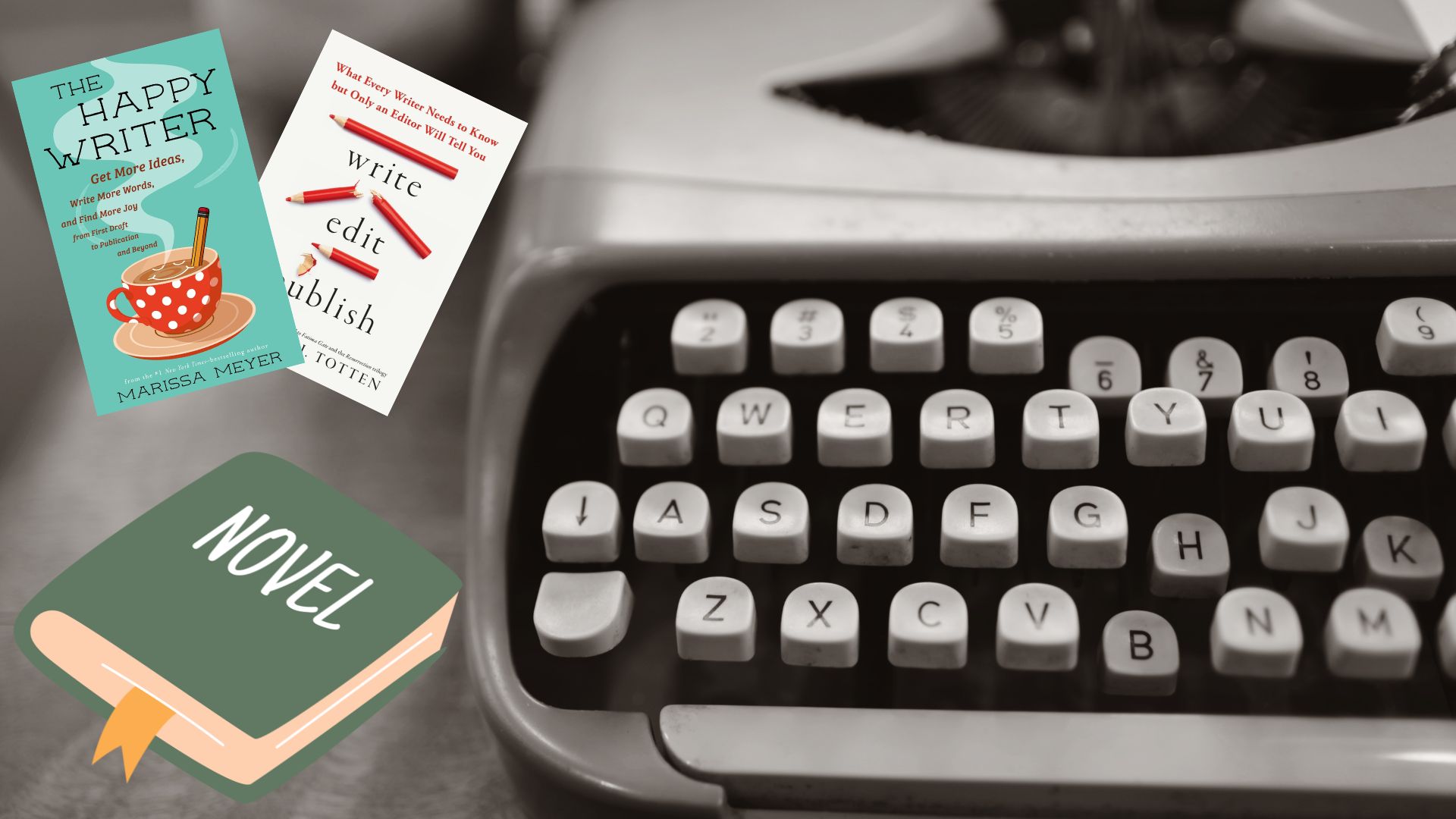
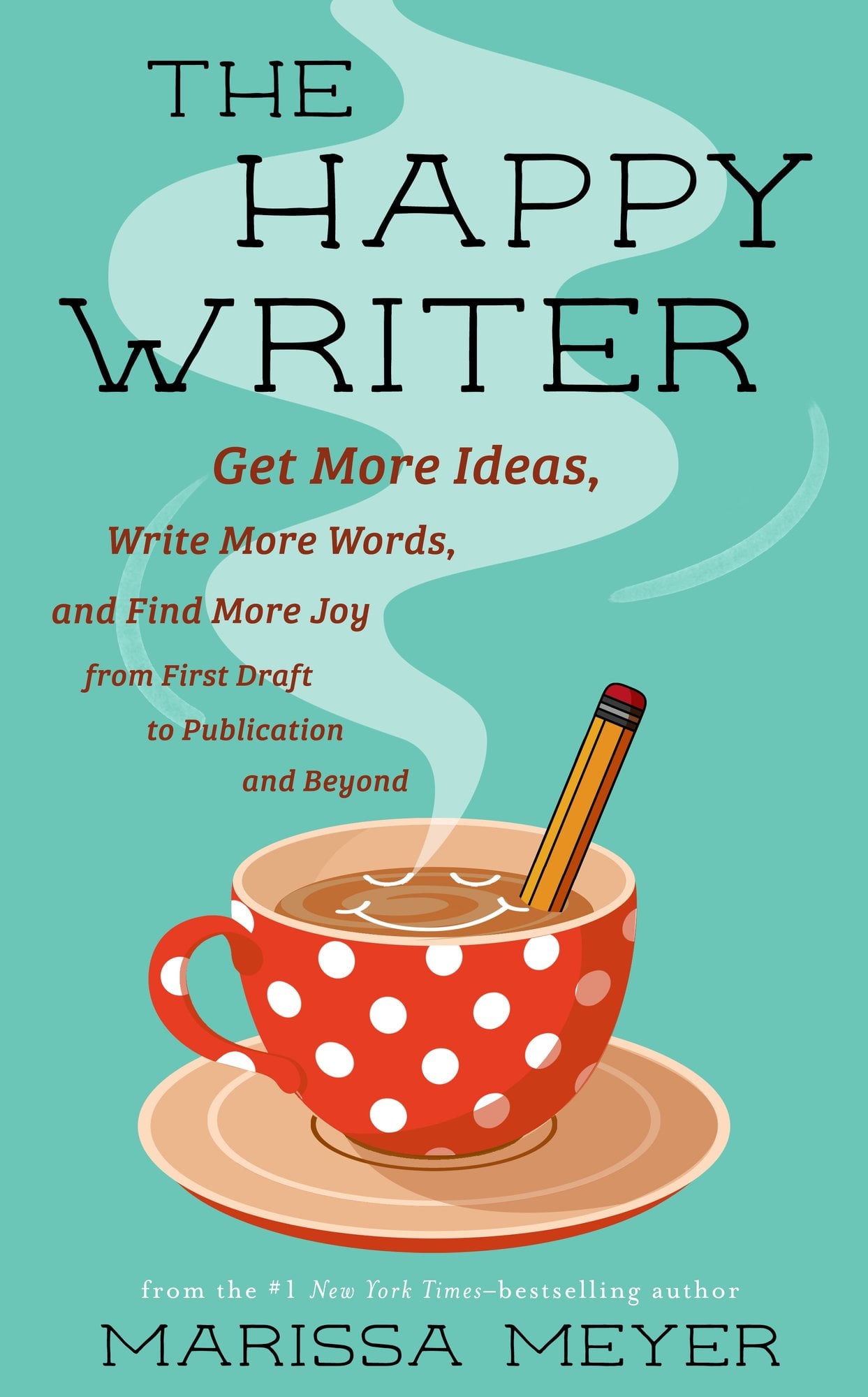
Timing looks different for everyone, and everyone has a specific environment that works best for them when they want to write. Cultivating the perfect atmosphere, whether that be silence, music, friends, candles, snacks, or at night or day, is really important. Once you know what you like in your writing environment, you can figure out what days you have a couple of hours to give to your novel. Writing a first draft can be difficult, but The Happy Writer by Marissa Meyer is the perfect way to find joy in writing.
Planning
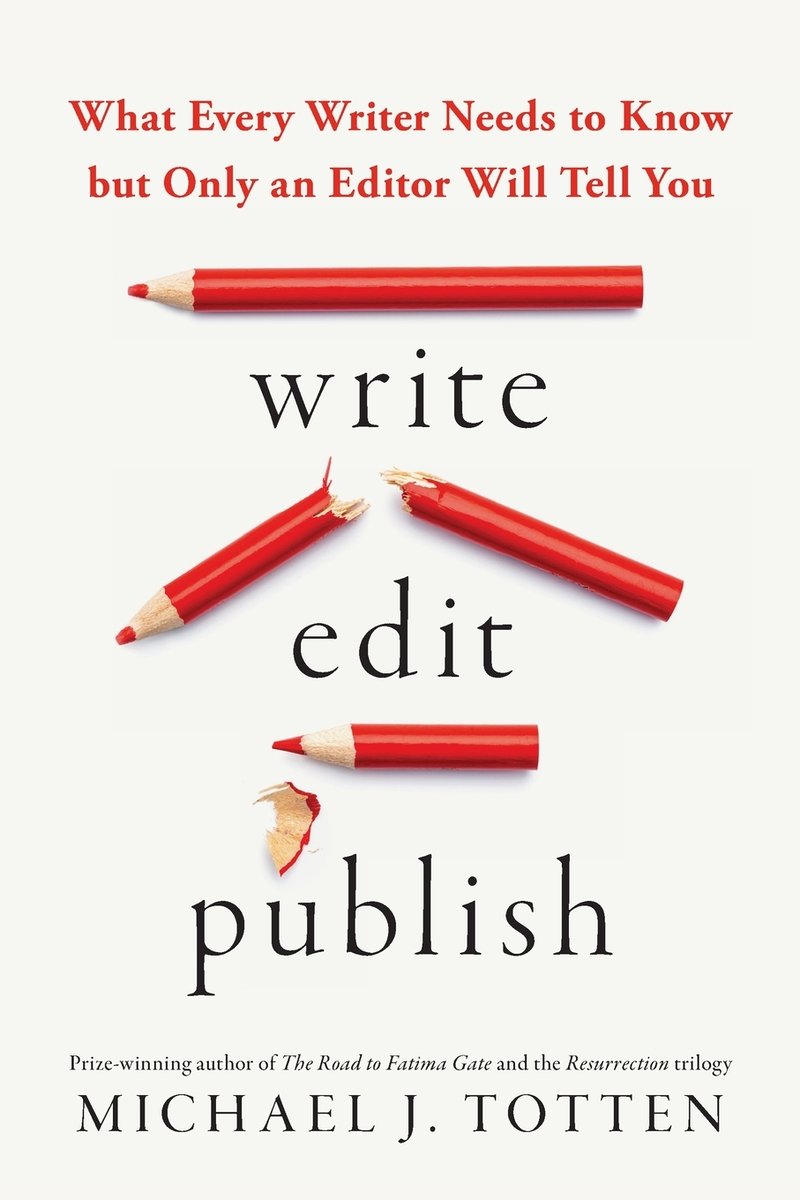
Planning is the first and most crucial step to writing a novel. Once you have the idea, you must flesh it out. Planning is also one of the hardest processes as you have to picture the entire book from start to finish. At first, it is important to flesh out the plot, find the holes, and create the conflict. One great plot structure would be your typical Fichtean curve, which is the most common. Still, you can also do the eight sequence structure, which is another great one if you have a novel that involves a lot of conflict, such as action, fantasy, or even mystery stories. For more advice on planning a novel and not making mistakes that editors or publishers dislike, Write, Edit, Publish by Michael J. Totten is perfect for you.
Once you get the plot set up and strong, that is when you focus on planning out what will be in each section of your book and how the chapters will be broken up. Then you can start fleshing out your characters and your settings. There are great templates out there to help build your character and setting. They should both have their own stories, even when the stories aren’t presented in the novel, because this can help the characters feel complete and put together. This stage is the most daunting, and oftentimes, people give up here, but don’t be another statistic. Fight that writer’s block and push through the planning!
Writing
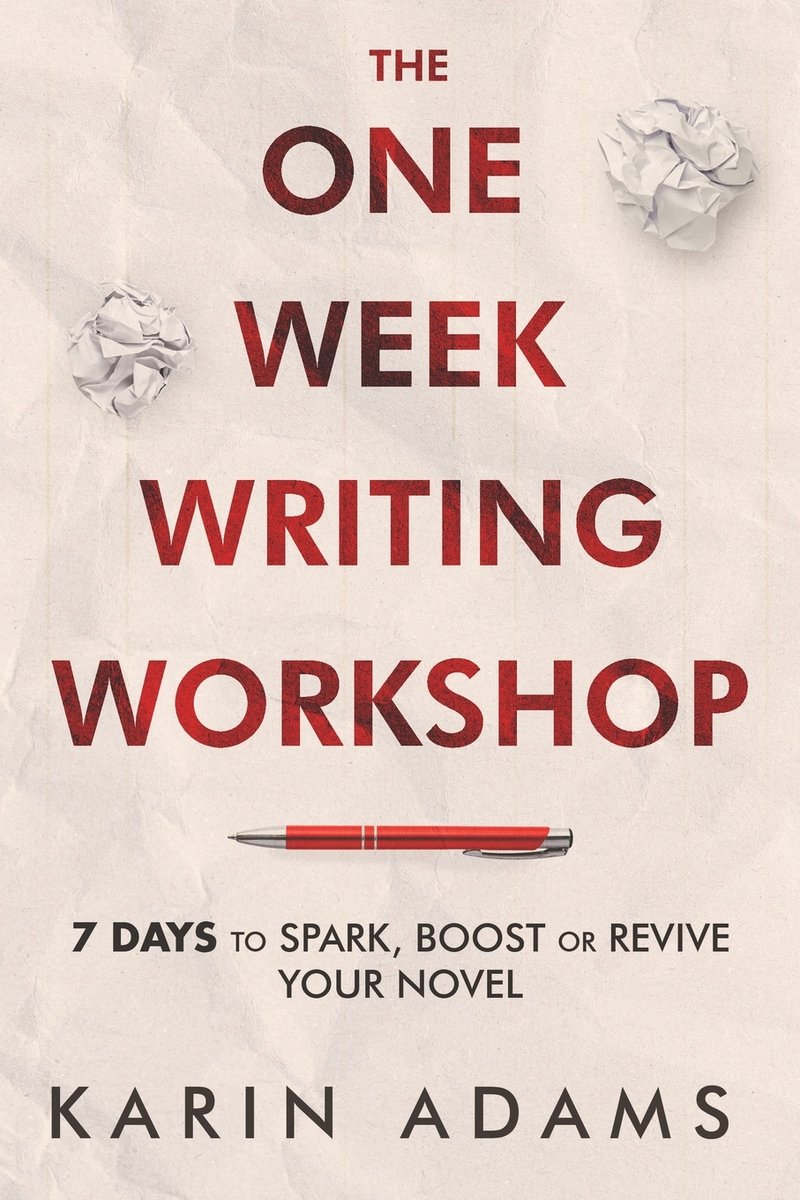
Writing is the next part, and usually the part that lasts the longest on your roadmap. Finding the right atmosphere is critical, as writing can sometimes be intuitive. Some people might need the right “vibes” to write, while others prefer a schedule. This is why I encourage you to write a few hours every day, for two weeks, and I push to make sure the intuitive writers out there, like me, create the best environment to inspire and encourage us. For some inspiration, read One Week Writing Workshop by Karin Adams.
During this writing process, the best thing to do is to not constantly go back and edit things as you write. It can be hard, especially in your first draft, to ignore the mistakes you know you made and to continue writing, even when you don’t feel comfortable with a scene, character, or even a plot choice. You must continue writing because there will be a time to edit. Right now, the only thing you need to do is tell the first raw story you created and continue writing it as it is. Don’t limit yourself, either, though. If you planned for your story to be a certain length and it is too long or too short, don’t push it.
Writing is hard and easy to get frustrated with. Keep pushing through, and don’t let too many standards or expectations stop you from telling the story you want to tell.
Editing
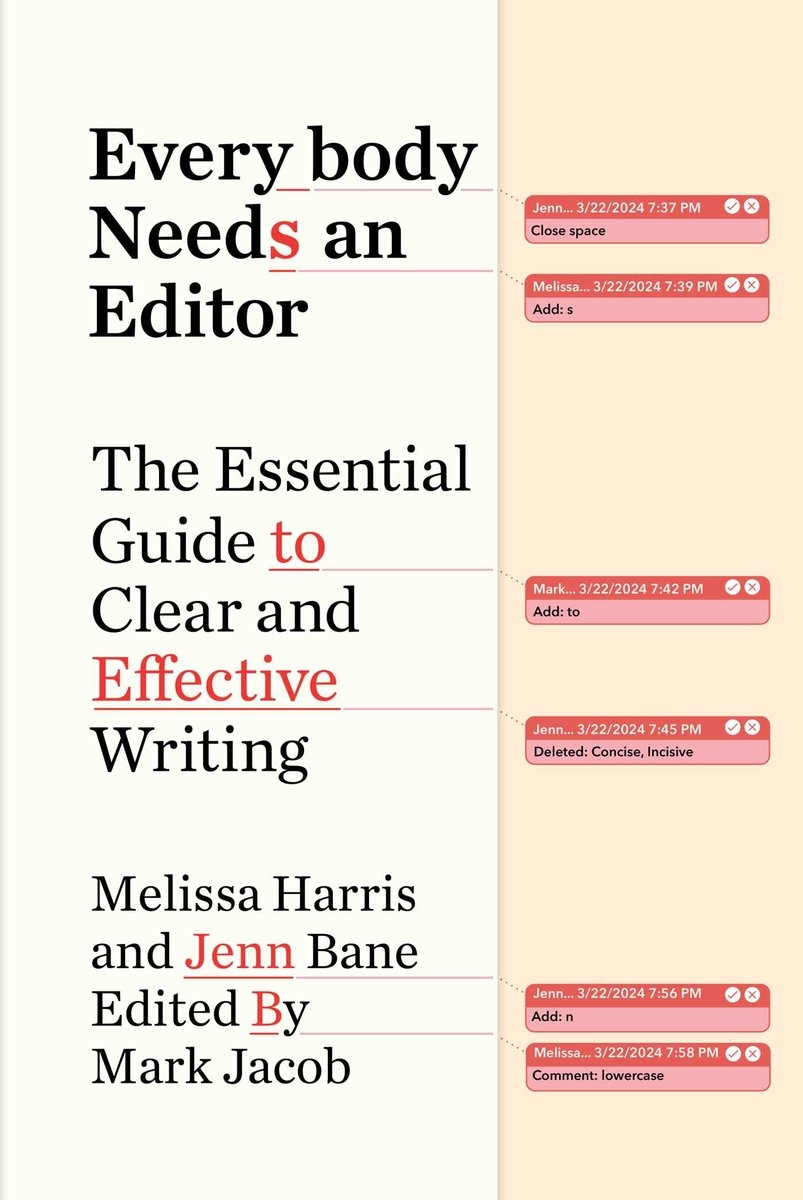
Editing is some people’s least favorite step, but you must do it after each draft. It’s important to read over it yourself and make the edits and, if needed, story changes. This may look different for everyone: you might prefer to print it and edit physically, read and edit as you go, or just make comments. Your eye is as good as anyone’s because you will be your most prominent critic, and going over it yourself first is important as you will notice things you don’t like more personally. You are the writer after all. Full of tips, advice, and overall comments, Everybody Needs an Editor by Melissa Harris is the perfect guide to editing.
The second part of editing, and however you split that time over one week, is to hand it to somebody who is experienced in editing who you trust will be honest with you. Sharing it with someone else helps you see it from a reader’s eyes, rather than the author’s. Inevitably, they will see completely different things that you may have not caught on to. Once that is done, you can start on your second draft!
This roadmap is a reliable month-long method that will help you finish your first draft and be ready to begin a second one. Happy writing!
Check out our Three to Read on writing guidance books here!
For more books on writing, check out the team’s recommendations here!