






The Romani, or Roma, are a nomadic ethnic group that originated in northern India before making their way to Europe in the 14th and 15th centuries. Since they are a migratory people, Romani people can be found all over the world, but many have now settled in Europe, especially in Slavic-speaking countries. It’s not surprising, then, that Romani characters are often associated with Europe.
Romani people are not usually seen in books, films, or television, but the characters people most likely think of come from literary classics such as Dracula and The Hunchback of Notre Dame, as well as Universal’s 1941 film The Wolf Man. These representations are often stereotypes, with characters portrayed as thieves, liars, witches, and fortune tellers. Accurate depictions of their culture are quite rare. That’s why it’s even more disappointing that the following Romani characters have been whitewashed in their on-screen adaptations.
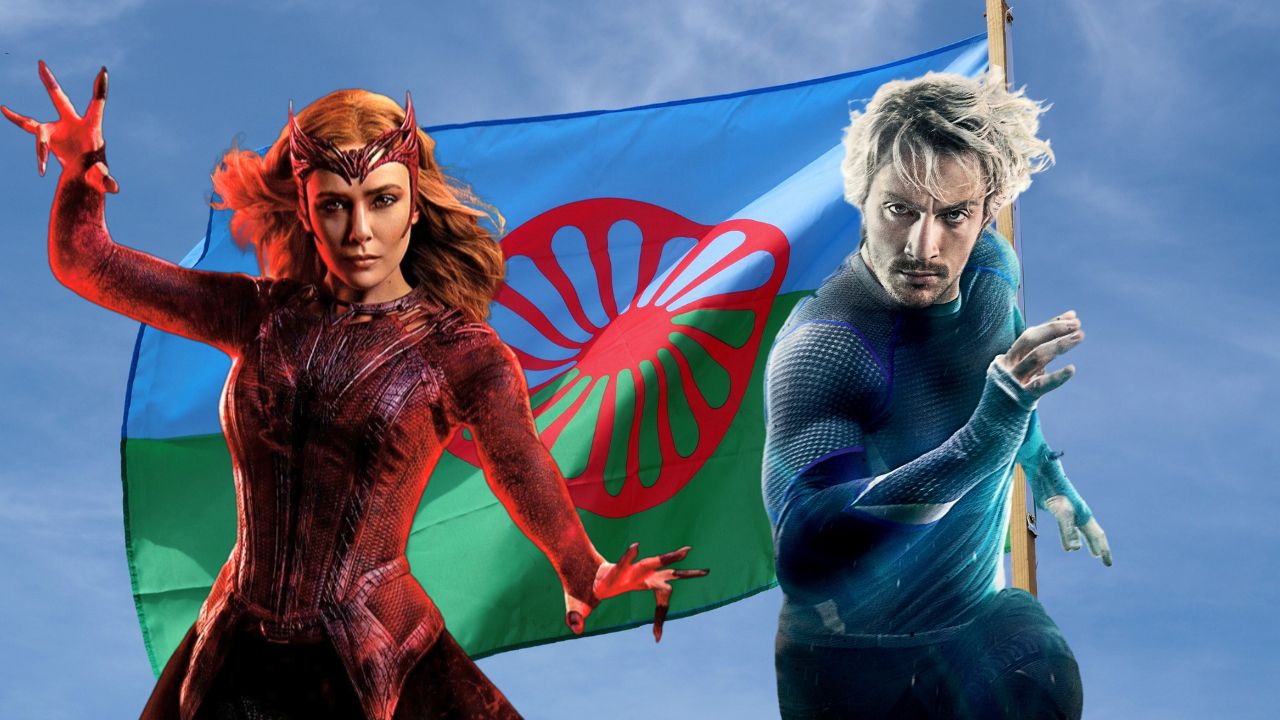
Wanda and Pietro Maximoff
Wanda Maximoff, better known as the Scarlet Witch, and her twin brother Pietro, also known as Quicksilver, made their first appearance in The Uncanny X-Men #4 in 1964. As the comics progressed, it was clearly stated that the twins’ mother was Romani. Despite changes to their past in different iterations of the comic, like their parental lineage, the twins have remained Romani since this fact was established.
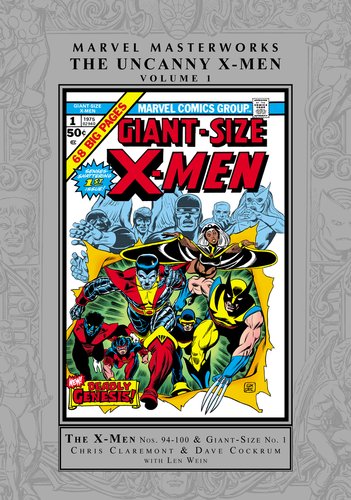
Despite this, their Romani heritage never comes up when the Maximoff twins make their first major appearance in the MCU in Avengers: Age of Ultron. Even as the MCU has progressed, especially with Wanda becoming a more prominent character within the film, it never comes up or is even alluded to, that the twins are Romani. With the tremendous popularity of the MCU, the films could have made a positive and widespread impact on Romani representation, and it’s incredibly unfortunate that they decided to ignore these characters’ lineage instead.
Doctor Doom
Romani characters seem to be most common amongst comic book characters, and Doctor Doom is another example of this. He first appeared in 1961 in issue 5 of The Fantastic Four. According to his backstory, Doctor Doom (also known as Victor von Doom) was born into a Romani tribe in the fictional country of Latveria, a country he later becomes the ruler of in order to ensure the prosperity of his fellow Romani people.
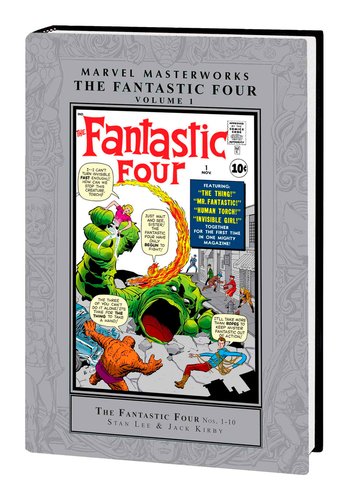
Since Wanda and Pietro lost both parents at a young age, they weren’t as involved in their Romani culture, but Doctor Doom’s identity as Romani is central to who he is and was a major part of his childhood. Despite this, it is always ignored when he appears on screen, and he has never been portrayed by a Romani actor. It seems Marvel won’t be making this a reality anytime soon, as cemented by Robert Downey Jr.’s casting as the infamous villain.
Heathcliff
Heathcliff is a central character in Emily Brontë’s Wuthering Heights, and unlike the other characters on this list, he is racially/ethnically ambiguous. For example, the 2011 film adaptation of Wuthering Heights portrays him as a Black man. Though it is never outright stated that he is Romani, many readers and scholars have speculated this might be the case due to certain descriptions used for him within the novel.
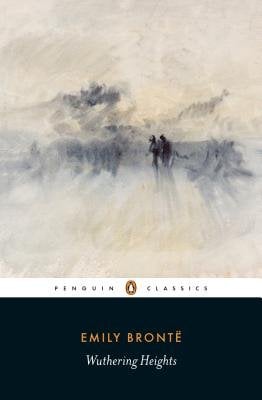
Heathcliff is nearly always whitewashed in adaptations of the novel. He is usually portrayed by white actors, and any reference to him as Romani, or at least non-white, is ignored and removed from these adaptations. The upcoming adaptation, slated for 2026 and directed by Emerald Fennell, has come under fire because of Jacob Elordi’s casting instead of a person of color or someone of Romani descent.
Unfortunately, the whitewashing of Romani characters is all too common in Hollywood today. The pervasive use of stereotypes and a general lack of knowledge about the Romani people and their culture certainly contribute to this problem. Even the characters on this list are associated with negative tropes. Hopefully ,Hollywood and the wider public will start to take notice of this issue so that Romani can have the positive and accurate representation they deserve.
Check out this article to learn more about representation in novels, specifically in the romance genre.
Go here to find other adapted books that the Bookstr Team recommends on Bookshop.org.