















Trigger Warning: The mention of mental health struggles, suicide, depression, and antisemitism may be triggering to some readers. Please exercise personal care when reading.
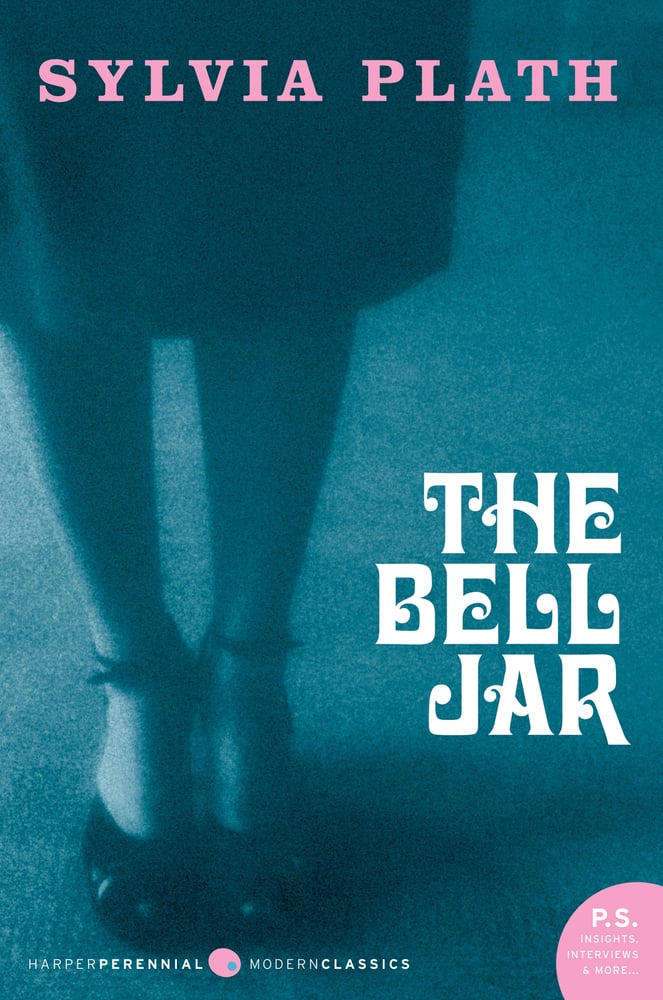
You’ve probably heard of author and poet Sylvia Plath thanks to her title as one of the greatest poets of the 20th century. Her novel The Bell Jar has been revered as feminist literature, and seems to have made a comeback on BookTok lately under the trend of “sad girl lit” books. You may have even read a poem or two by her. But how much do you know about her legacy as a poet and a writer?
Here, we aim to honor the life of Sylvia Plath by discussing her influence on modern feminism, her fearlessness in tackling taboo topics such as mental health, and how she changed poetry with her deeply confessional poems. Keep reading to learn more about this acclaimed poet’s short life and lasting legacy.
The Life of Sylvia Plath
Plath seems to have become one of those writers who is better known for her death than for her life. Some of her most famed collections, including Ariel, were published posthumously. This may seem fitting for a poet whom many deemed too obsessed with death and darkness, but that is not what her legacy should be centered around.
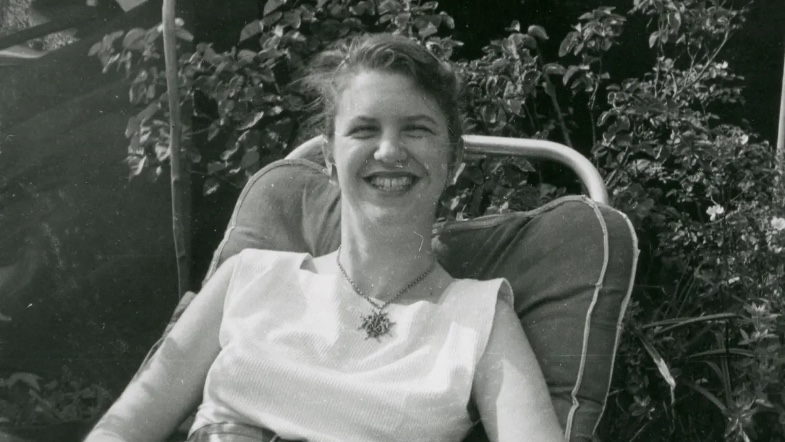
Plath was born in 1932. Her father, a German immigrant and a professor, passed away in 1940. After her father’s death, her mother became a professor, and Plath’s love of literature began. During her years in her undergraduate studies, Plath began to suffer from depression. She first attempted to take her own life at the age of 20. After receiving electroconvulsive therapy and finishing her schooling, she married poet Ted Hughes, who later left her and her two children for another woman shortly before Plath died by suicide at the age of 30.
Plath’s Published Works
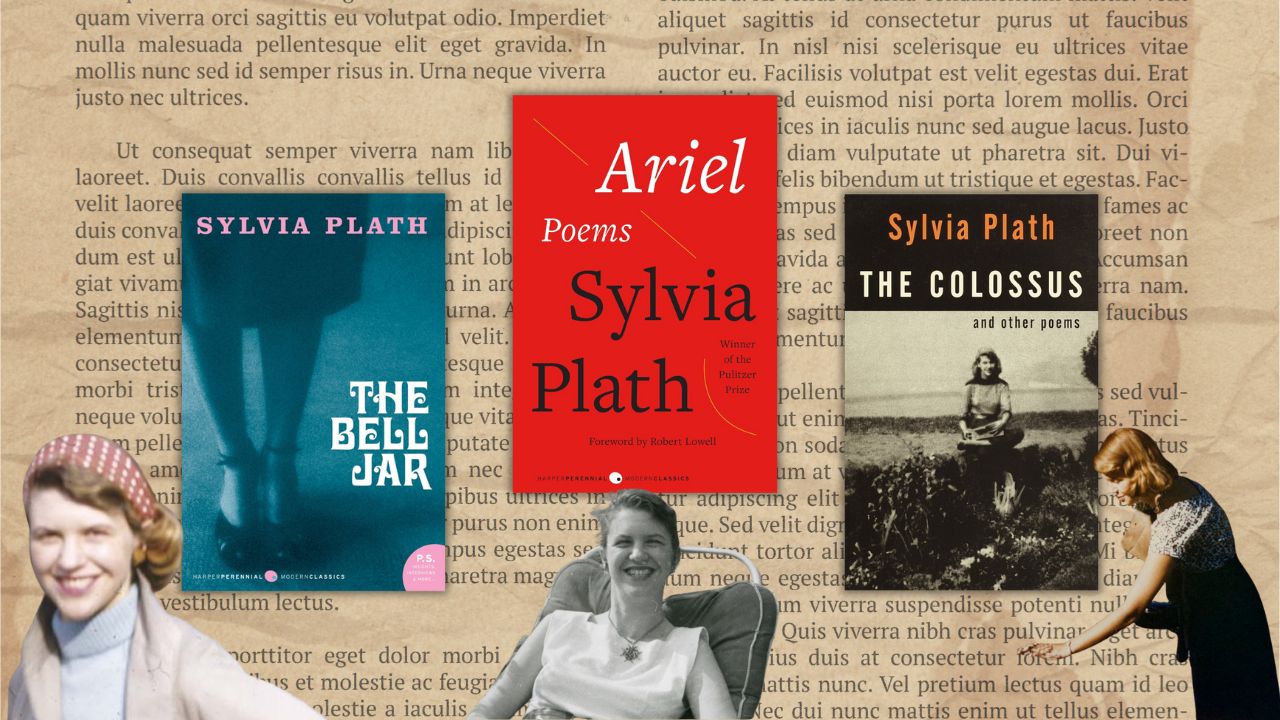
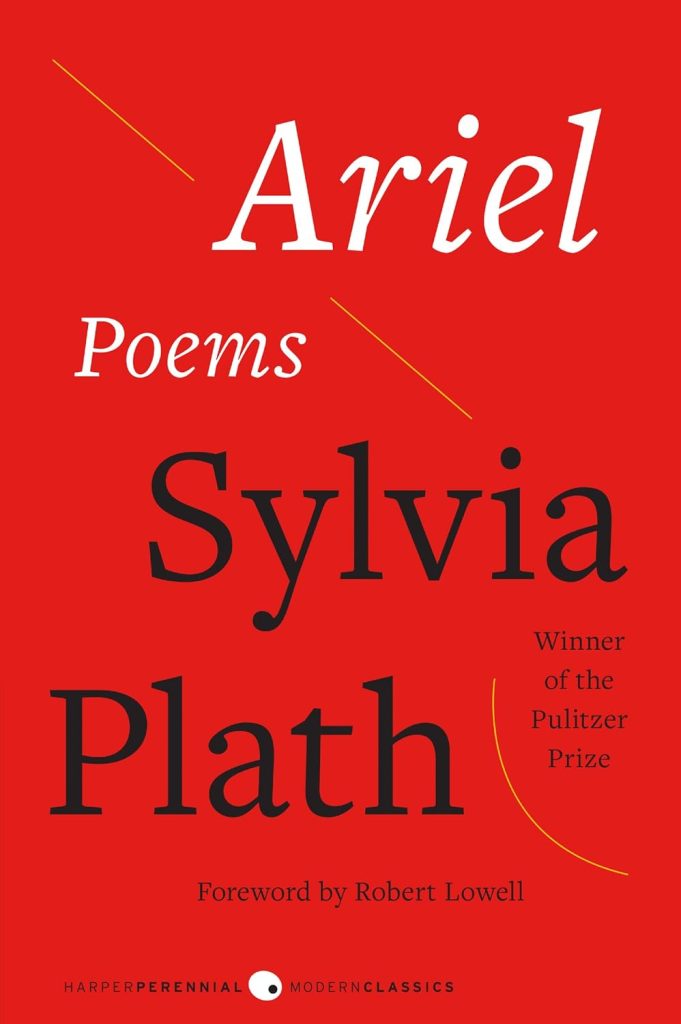
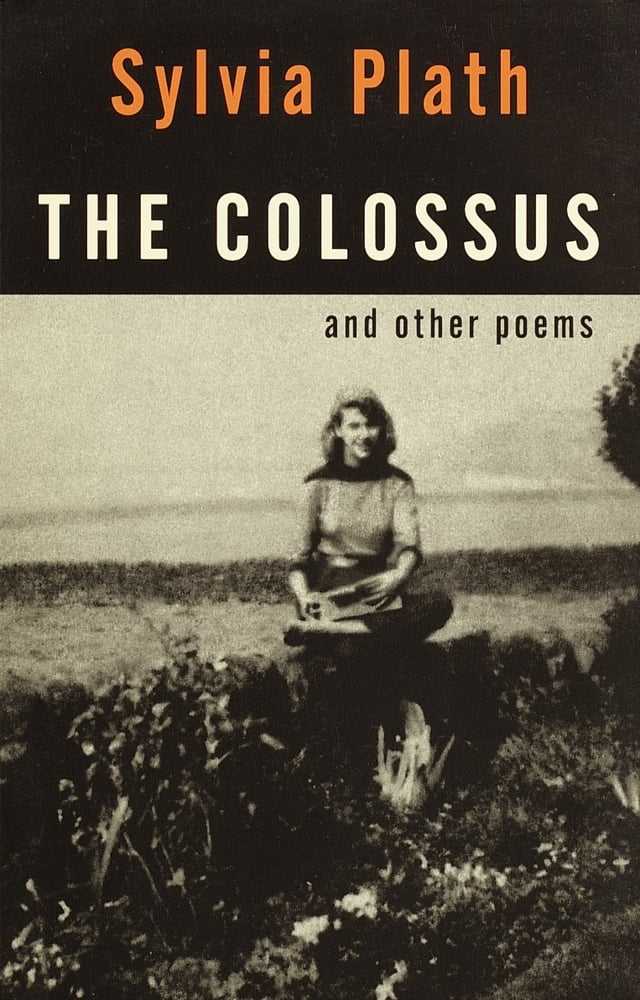
In her life, Plath published one poetry collection, The Colossus and Other Poems, in 1960, and one novel, The Bell Jar, in 1963. After her death, the collection of poetry Ariel, which she wrote in the last months of her life and which contains some of her most influential works, was published in 1965 along with various other smaller collections. Ariel was the poetry collection that sealed her legacy as a great poet of the 20th century.
What Is Confessional Poetry?
One of the main elements that makes Plath’s poetry stand out is its unique, raw honesty. She explored the depths of her emotions in a form that has since been deemed “confessional” poetry. Confessional poetry was a movement in poetry in the 1950s and ’60s, led by poets like Robert Lowell, who was a significant influence on Plath, as well as Anne Sexton.
Confessional poetry explores topics that were taboo during this time, such as mental health, depression, trauma, and feelings about death. It is also known to have a more autobiographical quality. In conventional poetry, the poet and the speaker were two separate entities; the speaker was more like a foreign figure whom the poet had conjured. In confessional poetry, the poet and the speaker are one.
Autobiographical Elements in Plath’s Poetry
As a writer, Plath seemed incapable of not adding bits and pieces of herself into all of her work. No work was entirely fictional. Her poems clearly described how she viewed reality, whether it be through her intense emotional descriptions, her shocking use of history in tandem with her personal story, or her vivid portrayal of her life through the eyes of nature.
One of the most well-known and most controversial poems Plath wrote is Daddy, a poem that violently describes her relationship with her father and with death itself. It has been deemed a controversial poem due to antisemitic language. Plath strikes a comparison of her relationship with her German father to the Holocaust. She entwines history and her personal experience with the oppression she faced under her and her father’s strained relationship.
“I was ten when they buried you. / At twenty I tried to die / And get back, back, back to you. / I thought even the bones would do. / But they pulled me out of the sack, / And they stuck me together with glue.”
Daddy, Sylvia Plath
In these lines of the poem, you can see the autobiographical elements shine through, alluding to the death of her father when she was young and her own suicide attempt when she was older. It is also clear to see the unique lyrical quality of Plath’s poetry and the dark way in which she freely wrote of her mental health struggles.
Representation for Mental Health
Plath struggled with her mental health on and off for most of her life, something which is impossible to ignore in her writing. She grappled with depression, anxiety, and suicidal thoughts, as well as a constant turmoil surrounding her discomfort with women’s roles in society, all of which manifested in her poetry.
Having poems like Lady Lazarus published posthumously makes death seem imminent for Plath. Writer A. Alvarez even said, “In a curious way, the poems read as though they were written posthumously,” a terribly sad statement that describes the suffering state in which Plath found herself when writing Ariel.
“Dying / Is an art, like everything else. / I do it exceptionally well. / I do it so it feels like hell.”
Lady Lazarus, Sylvia Plath
Her struggles led her to write very dark and violent depictions of life and death, using layered symbolism and allusions to spark a deeply visceral account of the human experience and every aspect of how she viewed the world. Through her writing, she gave a voice to emotions that did not yet have a name in common everyday dialogue. That she could so clearly articulate these emotions is part of what made her legacy so crucial to that of confessional poetry, as well as normalizing the topic of mental health.
Plath’s Influence on Modern Feminism
Perhaps one of the greatest impacts that Plath has had on the literary world is her lasting impact on the feminist movement. She wrote about what it means to be alive in the female body with an honesty that had never been seen before. She used irony, dark humor, passion, and intelligence to humanize the female experience, which in her time was an experience in desperate need of recognition.
“A living doll, everywhere you look. / It can sew, it can cook, / It can talk, talk, talk.”
The Applicant, Sylvia Plath
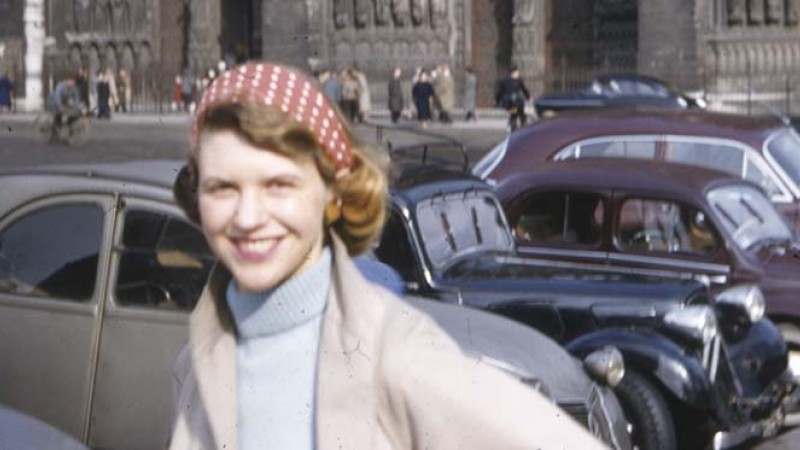
In many ways, Plath has put into exact words the feelings that women across generations have felt, and still feel, which is a huge reason why she is still so revered by women all around the world. She proved to the world that women have passion and deep emotions, and that women can be funny. She pointed out many of the hypocritical elements of societal expectations on women in extremely matter-of-fact ways.
“Every time I re-read The Bell Jar it reminds me what still hasn’t changed for women — but mainly it makes me feel so relieved that a writer has captured the complexities, confusion and pleasures of being a woman.”
The Power of Plath, Sarah Savitt
Plath’s Lasting Impact
Plath has become a staple of feminist literature study, impacting many female writers not only with the way that she was able to relay the female experience, but also with her use of meter and the musical quality of her many poems.
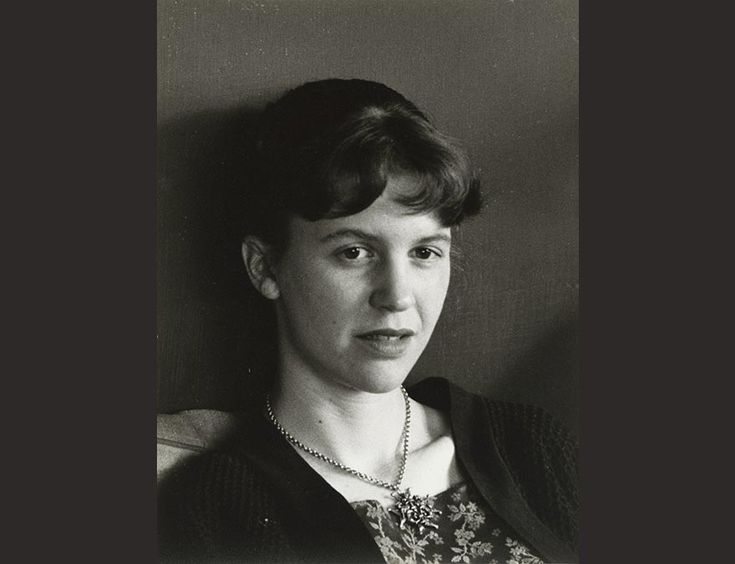
“When I think of Sylvia Plath, I am in awe of her intelligence, her language, her wit, her consonantal music — her sheer gift, and what must have been her drive, as its guardian, possessor, possessee, to realize it.”
Sylvia Plath: reflections on her legacy, Sharon Olds
Plath has become an example to so many writers of how to bring themselves into the poetry they write, how to truly use it as an outlet for all of their ugliest trauma and emotions. She has not only become an advocate for mental health, helping so many to feel seen by her word, in ways that she never felt seen by anyone in her world. She has also created a legacy for women everywhere by crafting the female experience into lasting forms of art that we will all be eternally thankful for.
“Sylvia was just like us. Only she didn’t have The Bell Jar.”
Sylvia Plath: reflections on her legacy, Lena Dunham
Plath has made so many writers and readers feel seen through the immense power of her words. This is why Plath, as both a writer and a woman, deserves to be remembered for a legacy that endures again and again. She never got to see the power she commanded, but we can honor her for all that she felt, did, and created during her life, rather than focus solely on the tragedy of her death.
Suicide and Mental Health
To feel safe at all times is a basic human right; let’s work to make this world physically and mentally safe for everyone.
If you or someone you know is battling with mental health-related distress, we urge you to be kind and hold space for them, and contact the 988 Suicide and Crisis Lifeline (confidential, free, available 24/7/365):
→ Call or text 988
→ Chat at 988lifeline.org
→ Connect with a trained crisis counselor
European RNCE +44 (0)141 331 4180
List of Hotlines in 46 Countries: https://wave-network.org/list-of-helplines-in-46-countries/
Want to learn about Sylvia Plath’s legacy? Click here.
Find these books and more on our Beyond the Cliche: Accurate Mental Health Representation bookshelf on Bookshop.org.