















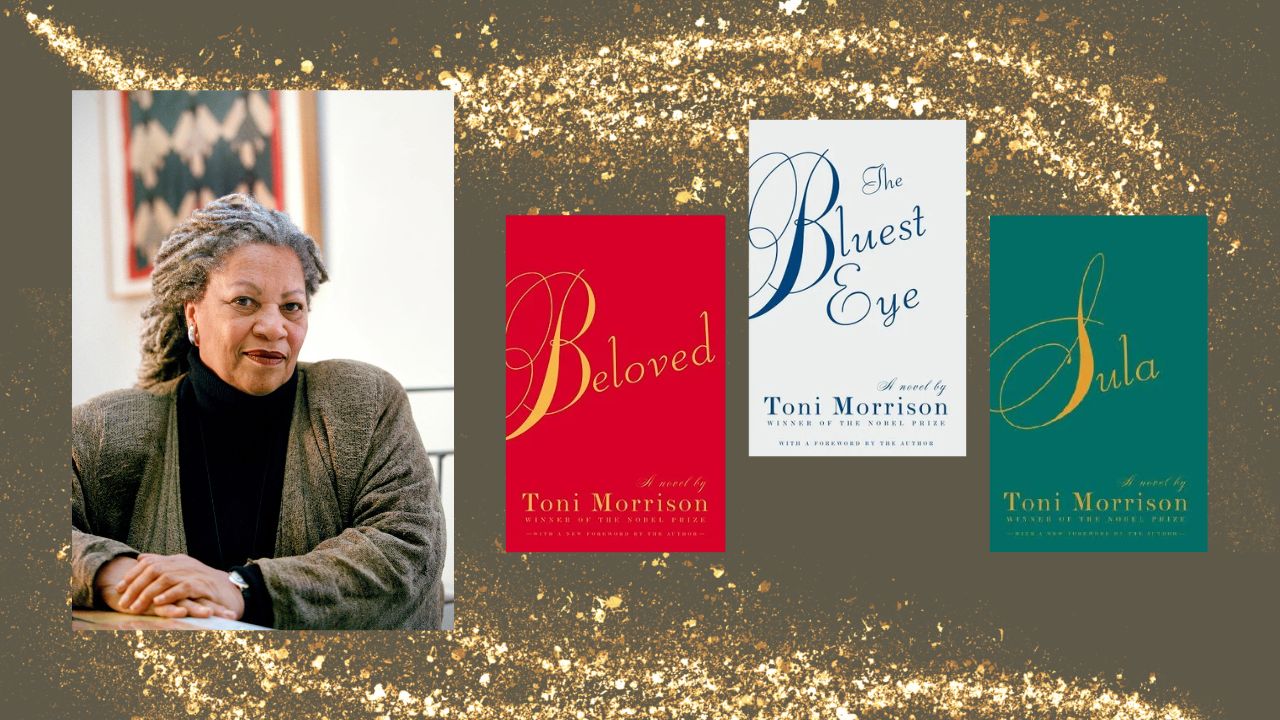
Toni Morrison. A class act. A woman who paved the way for other Black female writers in the literary world. A woman who is considered one of the most celebrated authors, having earned countless awards including the Pulitzer Prize and the Presidential Medal of Freedom from President Barack Obama. She was the first African-American woman to win the Nobel Prize, and even after her passing in 2019, she continues to inspire others to travel down a path of liberating freedom and powerful writing.
Trigger Warning: The mention of racism and slavery may be triggering for some readers. Please exercise personal care when reading.
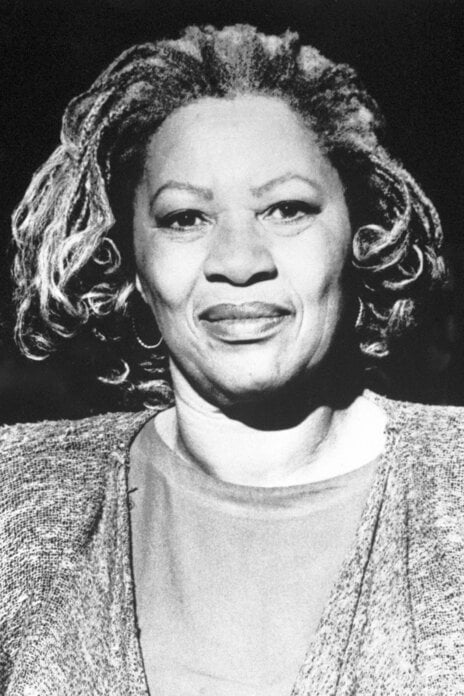
Morrison’s books focus on themes like racism, gender and sexuality, the legacy of slavery, identity, and something that we will be highlighting within this article: family dynamics. More specifically, mother-daughter relationships.
Morrison’s relationships with her own family were complicated. Morrison described her mother as being “open.” She felt the need to be superior, born out of opposition, which can make having a healthy relationship difficult to maintain. Morrison has taken her own struggle and dilemmas she has been through to cultivate characters that reflect the complexities of life within relationships. She shows the often fraught nature of love, betrayal, and sacrifice within the relationship between mother and daughter.
Beloved
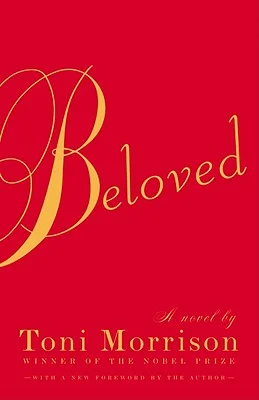
The winner of the 1988 Pulitzer Prize for fiction, Beloved was published in 1987. The story is set in the period after the Civil War and shares the life of a dysfunctional family of formerly enslaved people whose Cincinnati home is haunted by a spirit. Beloved discusses the destructive legacy of slavery with a focus on a character named Sethe, a Black woman who lived through the pre-Civil War days as an enslaved person in Kentucky.
Within the novel, Sethe murders her daughter, Beloved, to free and protect her from the horrors of slavery. Acting in what she believed to be motherly love, the ghost of Sethe’s deceased daughter haunts her conscience up until the end of the book. This complex dynamic, from a mother believing she was protecting her daughter to a daughter that manifests into a ghost from Sethe’s trauma, results in an interesting discussion on the moral justifications of Sethe’s intentions. The conversation of slavery plays a crucial role in understanding the mother’s desire to protect. Which is worse: the brutal nature of slavery or slipping into eternal freedom?
However, every action has a reaction, whether or not one is prepared for the outcome. Sethe’s motherly love to protect ended up causing her more trauma. She has had to live with the constant reminder from Beloved’s ghost that she was responsible for her inability to live. Beloved forces her mother to acknowledge her existence and the pain she caused by murdering her. A mother’s role is meant to nurture and protect, but the ghost of Beloved symbolizes that when a mother wrongs their child, the decision will always haunt them.
The Bluest Eye
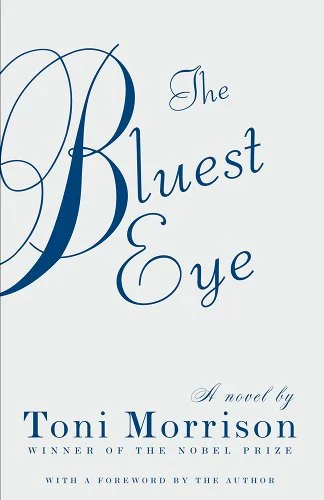
The Bluest Eye is set in the 1940s in Lorain, Ohio, and tells the story of Pecola Breedlove, an 11-year-old African American girl who is convinced she is ugly and yearns to have lighter skin and blue eyes. Pecola wants nothing more than to fit in, be loved by her family, and be appreciated by her schoolmates, yet instead is met with constant ridicule and abuse.
Her mother, Pauline, works as a maid for a white family, where the beauty standards deeply affect her and lead to Pauline neglecting and criticizing her own daughter’s appearance. Pauline’s internalized racism creates an unnatural behavior directed toward Pecola, leaving her to feel inadequate. A mother is meant to uplift and support a daughter’s appearance, to share her admiration in hopes of boosting the confidence of her child. Instead, Pauline dismantles the true acts of a loving mother and turns into someone who lacks the ability to nurture. Without seeing the need to emotionally support her daughter, Pauline’s frustration and resentment continue to harm Pecola’s desire to interact with others and push her to be alone.

Like in all of Morrison’s works, there is an overarching theme at play here, and this one in particular highlights societal issues of colorism and Black women’s internalized racism working to prevent Black women from empowering one another. The standard of beauty during the mid-1900s (and beyond) was centered on white beauty. Pauline’s inability to recognize her own beauty is presented as a flaw and, in turn, lessens the way her daughter views herself.
Sadly, Pecola’s yearning for blue eyes leads her to descend into delusion and mental instability. A mother plays a crucial role in boosting a child’s self-confidence, and Pecola’s mother was unable to meet that need. While she was too busy wishing for change, Pauline missed the opportunity to be a good mother and to simply care, which is all Pecola truly needed.
Sula
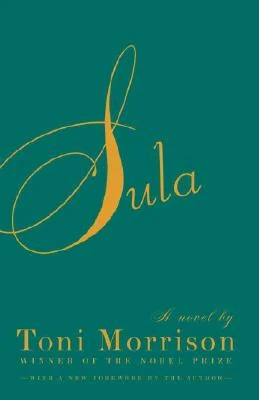
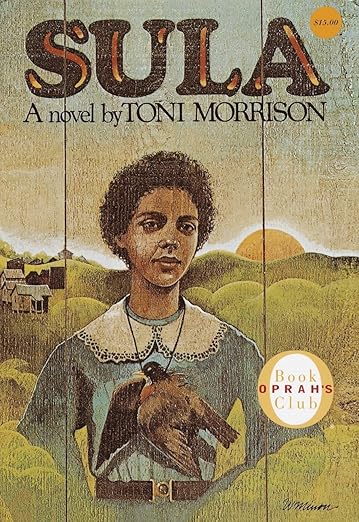
Morrison published Sula in 1973. It is her second novel and discusses the story of two Black women friends and their community of Medallion, Ohio, which has been stunted and turned inward by the racism of the larger society. A young Black girl named Sula matures into a strong and determined woman in the face of adversity within her community.
Within the novel, Morrison discusses female relationships and how the bonds are both nurturing and hurtful. Hannah is Sula’s mother, and while, at first, it appears that she is a devoted mother and cares for her daughter, it becomes clear based on the unusual behavior and the sexual promiscuity she exhibits that her inclinations toward maternal love are limited. Sula becomes aware that her mother does not love her based on Hannah’s relationship with her own mother, Eva, who murdered her brother, Plum, in his sleep.
This generational detachment cultivates the inability to love. Hannah could be considered a devoted mother, but her emotional connection to her daughter is nonexistent. Based on her own experience with her mother, Eva, Hannah harbors bitterness toward her mother’s actions and without the proper healing is unable to fulfill a basic requirement as a mother — to love.
One can like something, but to love is a completely different story. Morrison reveals that a child deserves to feel loved, but generational pains from the past will affect the ability to love in the future. The novel rejects this notion of unconditional maternal love as it navigates these complicated relationships where the characters search for love.
Morrison’s goal in writing these novels was to show how the pressures of slavery and racism warped mother-daughter relationships, which caused trauma to be passed down. The reality of life and the complexity of relationships are demonstrated through these three novels, and while we always hope for our bond with our mother to be strong, not all are able to maintain that. Morrison had a gift and the ability to make us ponder the love, hate, and sacrifice between a mother and daughter. In honor of Morrison, pick up a copy of one of these books and reflect on the message she conveyed.
Want to read more about Morrison from Bookstr? Click here.
Take a peek at our Bookshop reading recommendations to diversify your bookshelf!!