


















Readers all love to feel connected to the characters they meet in books, especially those that come from underrepresented communities. So when children with disabilities and/or chronic health conditions see themselves represented on the page, it can help them to feel less alone while, at the same time, helping peers without the same conditions or disabilities develop empathy for those who do. With Disability Pride Month and Chronic Illness Awareness Month both in July, we wanted to spotlight a few new and recent picture book releases with awesome — and authentic — representation of both communities.
All About Brains: A Book About People by Lake Bell, Illustrated by Rachel Katstaller
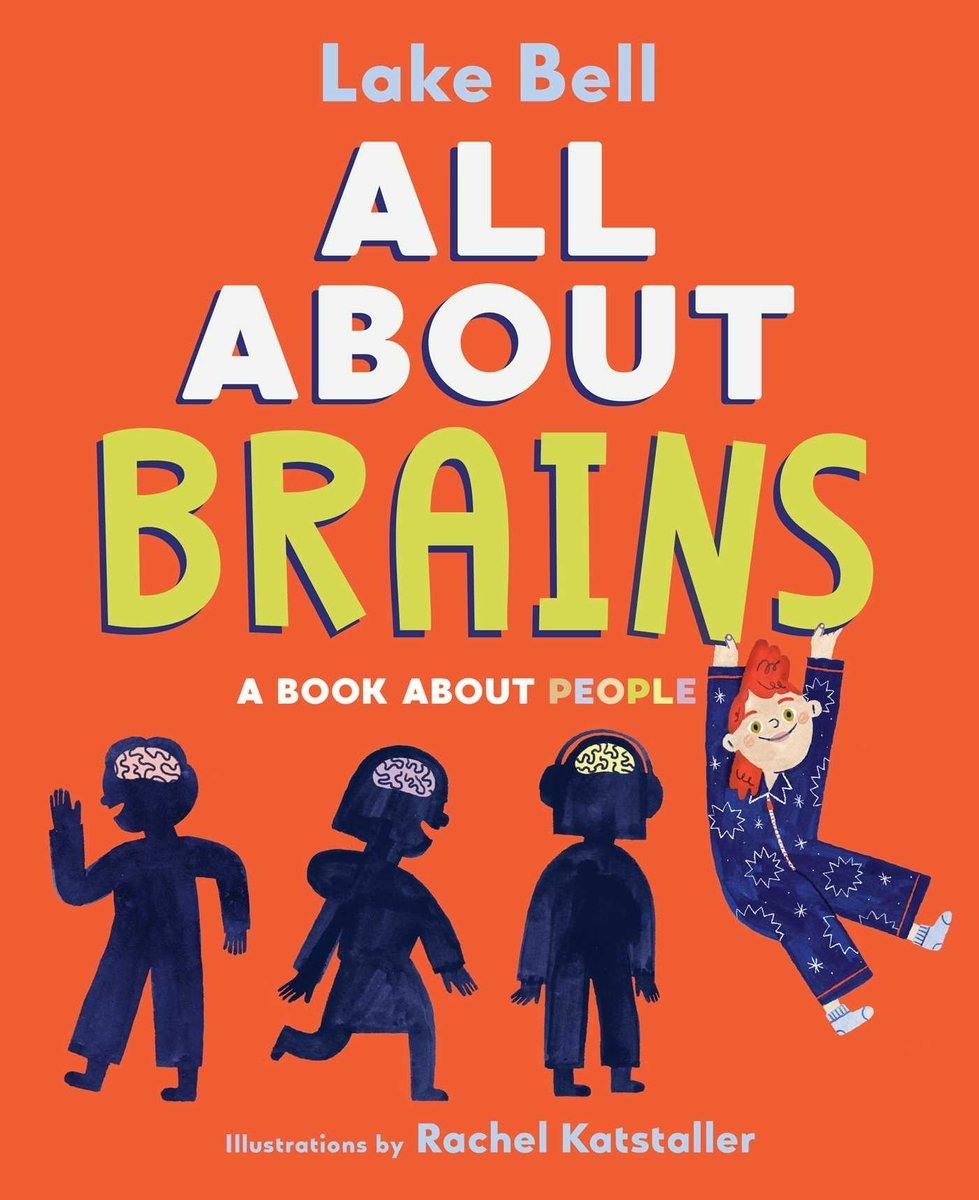
Today is Share Day at Nova’s school, and she decides to share that she has epilepsy. Explaining that she occasionally has seizures — which she delightfully terms “brain sparkles” — can interrupt her thoughts and movements. Her teacher assures both Nova and the class that there is nothing wrong with epilepsy or other forms of neurodivergence, prompting a few of the other children and Teacher Robin to disclose their own neurotypes. This sweet and simple story of the magic to be found in the different ways that brains work is lent extra charm by dynamic illustrations and a sweet author’s note on her own daughter’s epilepsy.
A Sky That Sings by Anita Sanchez & George Steele, Illustrated by Emily Mendoza
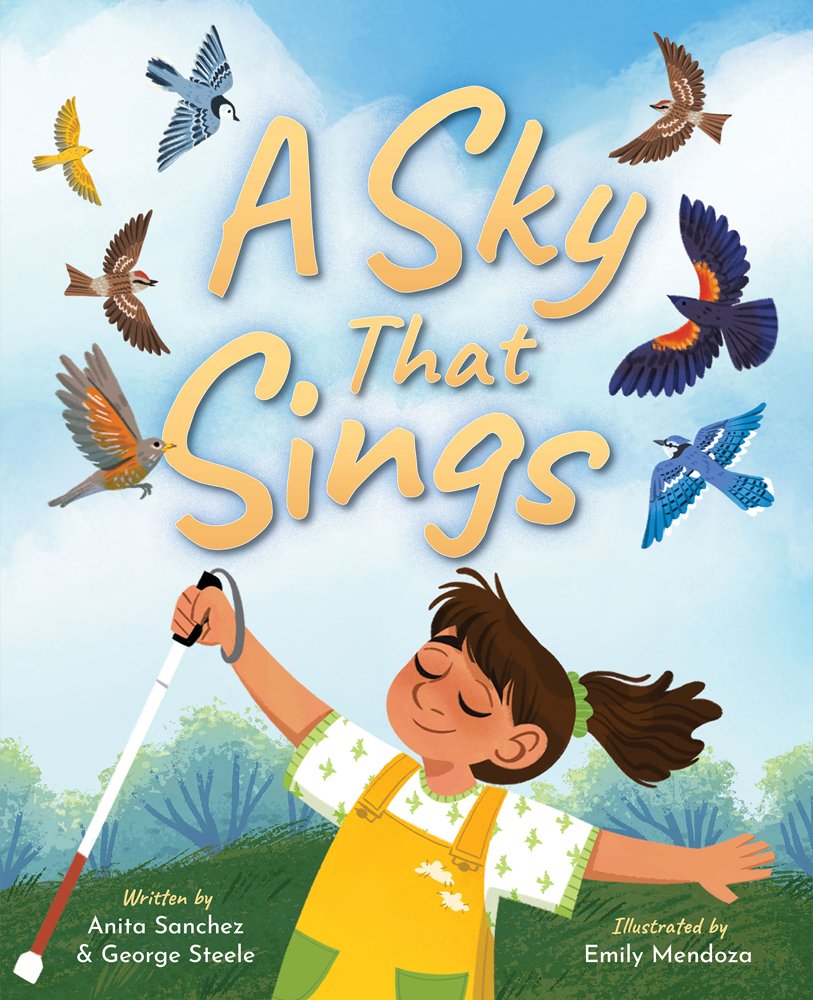
Feeling the sun on her face and the spring breeze, Mia can tell that it is a perfect day to go bird-listening at the park with her Tía. Cued as blind by her white cane, Mia expertly identifies each of the birds’ calls: the dee-dee-dee of a chickadee, the ank ank ink ank of a nuthatch, and the cheer-up cherrily of a robin. She’s waiting for her favorite call of all, and when the screeeeeeeee of the red-tailed hawk is heard, she can’t help but feel like she is flying alongside it. A lovely story that focuses less on the protagonist’s blindness and more on her hobby (and how the two intersect), adding a bird-call identification guide in the back for other young readers who want to try their ears at bird-listening.
Maybe Just Ask Me! by Katie Mazeika
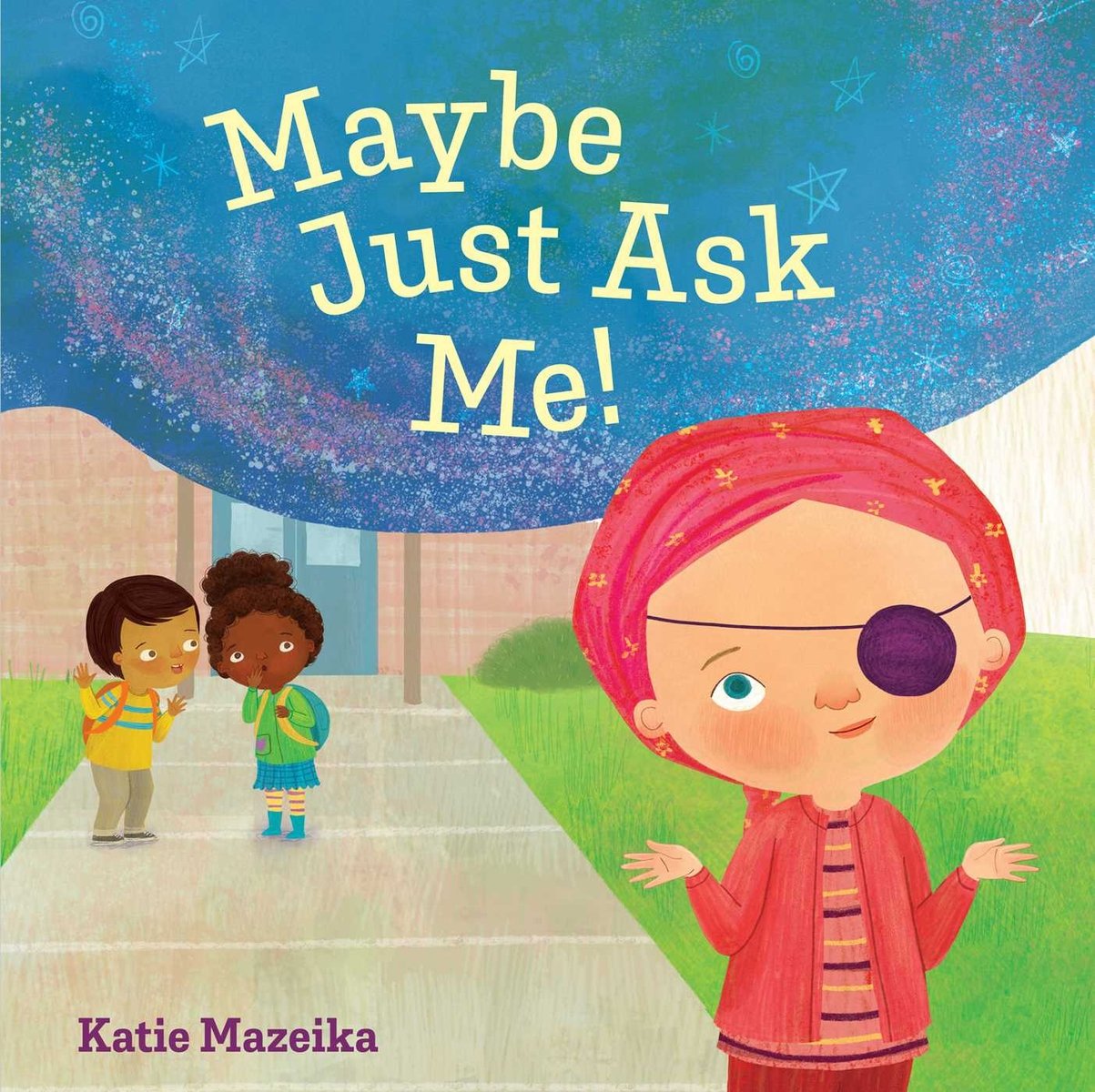
When Mazie starts her first day at a new school, she is expecting some interest in her headscarf and eyepatch. However, she doesn’t expect it when, instead of asking her about them, her fellow students begin to weave imaginative stories about how she acquired them: Is she a pirate? Did she get into a fight with a fire-breathing dragon? Was it a circus act gone wrong? Mazie’s frustrations grow until a teacher gives her the space to address her peers: why won’t they just ask her? Drawing on personal experiences, Mazeika weaves an important tale of disclosure that empowers children with disabilities or chronic health conditions, while reminding those without that speculation, however innocent, can be hurtful.
Together, We Are Family by Emily Hamilton
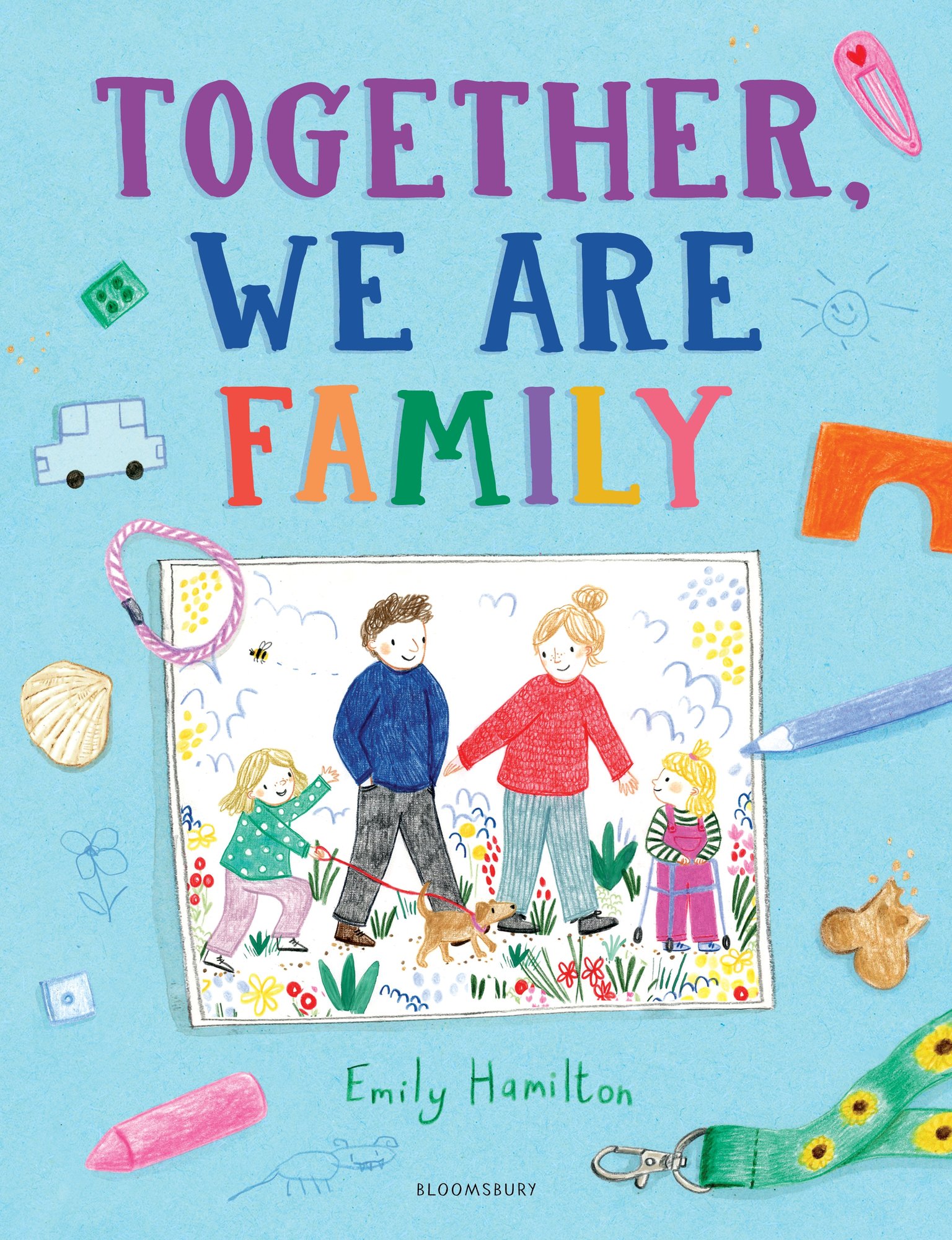
Having a disability and/or a chronic medical condition can add intricacies to life for the person who has it and their loved ones. In this sweet love letter from caregiver to child, the reader follows a family — including a youngster who uses mobility aids — as they go about their day. The adult acknowledges that, occasionally, the kiddo may face challenges that other kids won’t: putting on foot braces, climbing stairs, and even the big emotions that can come with disability. However, the caregiver also assures the child that they are strong, tenacious, and always supported by the rest of the family. A universal story that any family can relate to while also affirming the disabled experience, this is a heartwarming read.
We Are the Scrappy Ones by Rebekah Taussig, Illustrated by Kirbi Fagan
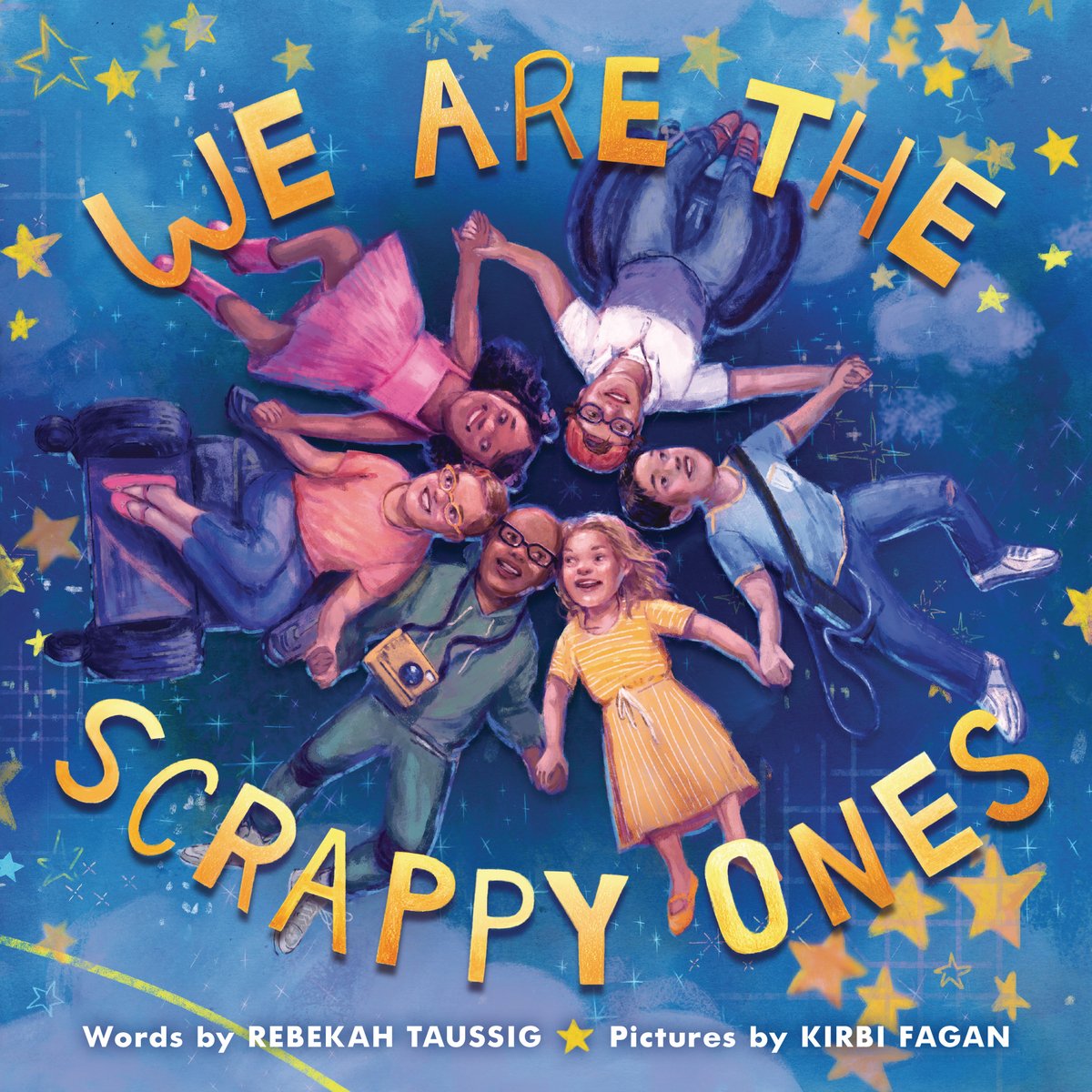
Perhaps one of the most frustrating aspects of disability and chronic illness is the frequent reminders that many parts of the world — from architecture to communication to commerce to education and more — were not built with those who have special needs in mind. In this stunning and incredibly empowering look at those constraints, Taussig gorgeously recontextualizes them as the failing of the world itself, for lacking the “creativity and flexibility” that those with unique minds and bodies provide. The text further celebrates the ingenuity and resourcefulness of the community and recognizes advocates like Judy Heumann and Haben Girma. A much-needed reminder that those within these communities are never less, only underestimated.
This Is How We Talk: A Celebration of Disability and Connection by Jessica Slice and Caroline Cupp, Illustrated by Kayla Harren

A follow-up to the delightful This Is How We Play, this title takes a look at the many ways in which people of all abilities communicate with one another. From verbal communication, written words, speech devices, communication boards, sign language, and more, characters from a variety of ages, backgrounds, and disabilities are shown communicating with one another in a way that helps them to feel most heard and understood. The text also focuses on nonverbal communication, such as high-fives, stimming, and even dancing. A wonderfully diverse look at how people with differing needs employ methods of communication to connect with others that represents and demystifies them to readers.
Sophie Shares the Stars by Heather Smith, Illustrated by Catherine Petit
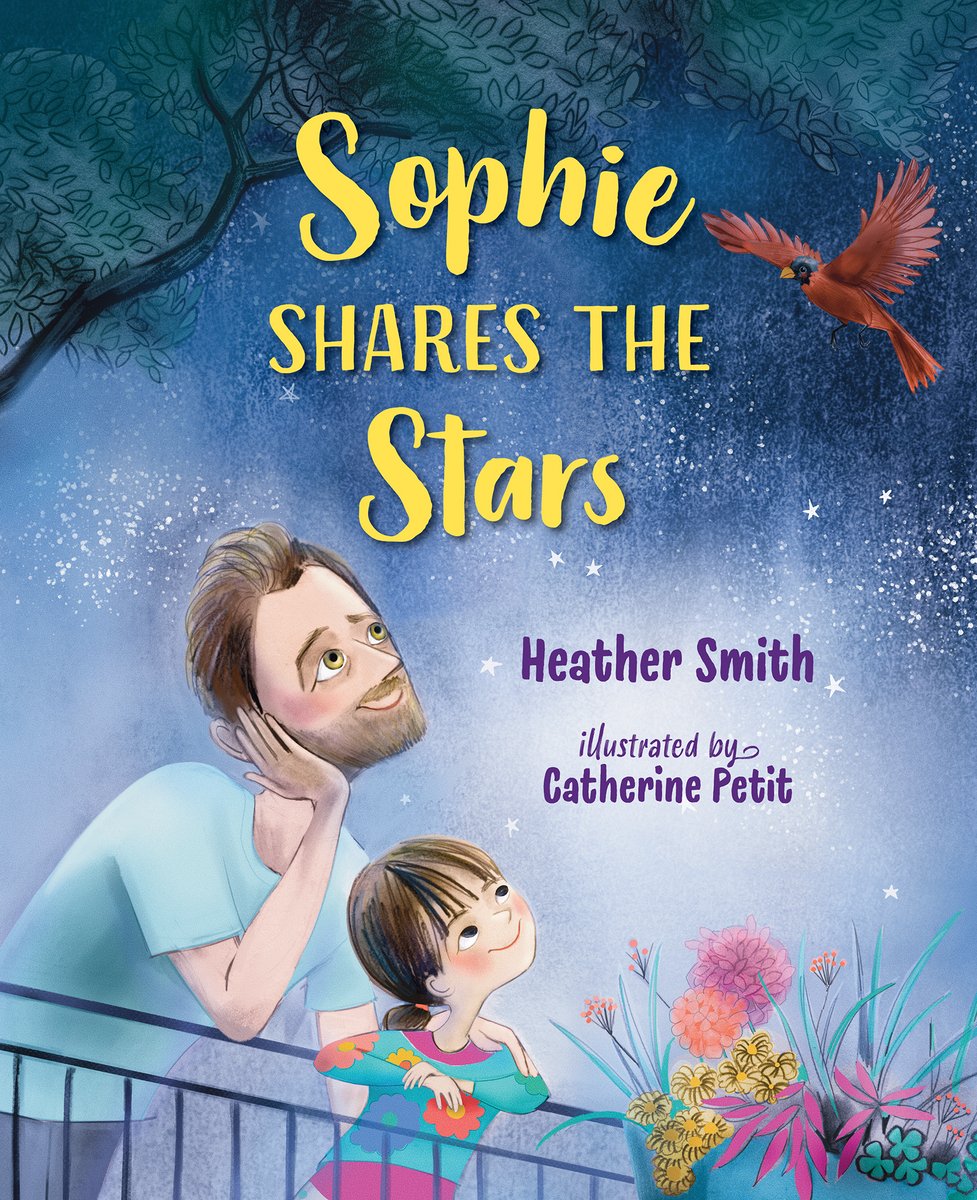
Sophie has lived with “My Michael,” her adoptive father, since she was three. He’s not a very good cook, but he is a wonderful caregiver in other ways: he puts stars on her bedroom ceiling, takes care of her when she’s sick, and calls her his universe. So when Michael gets sick, Sophie does her best to care for him, but it’s hard because Michael’s illness is invisible (some people even say that he doesn’t “look” sick, which makes Sophie mad). A complex tale of grief and anxiety that is nevertheless filled with hope and reassurance, this powerful story looks at chronic illness from the perspective of a child who is assisting an ill adult in a way that is honest yet deeply touching.
The World We Can Build by Eliza Hull and Sally Rippin, Illustrated by Daniel Gray-Barnett
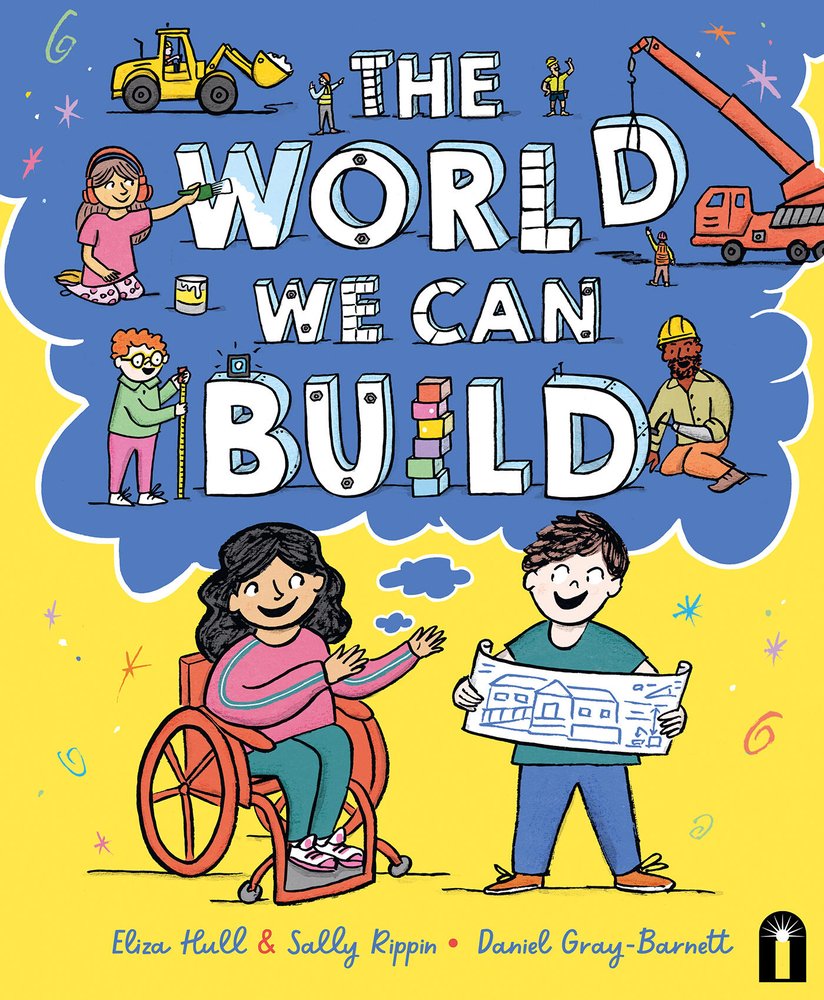
Best buds Carla and Sam love to sit together at school; once the bell rings, however, spending time together becomes tricky. Carla — who uses a wheelchair — can’t go to Sam’s house because he has stairs to his front door, and the playground in the park doesn’t have any wheelchair-accessible equipment. Both kids are incensed by this; there’s nothing wrong with Carla needing her wheelchair, so why is she excluded from doing the things that other kids can do? The two devise a plan to design more accessible spaces around their neighborhood, to the joy of their neighbors. A fantastic look at accessible design — including the “curb cut effect” — and how it benefits entire communities.
All of Us: A First Conversation About Disability by Megan Madison with Jessica Ralli, Illustrated by Jonathan Eden
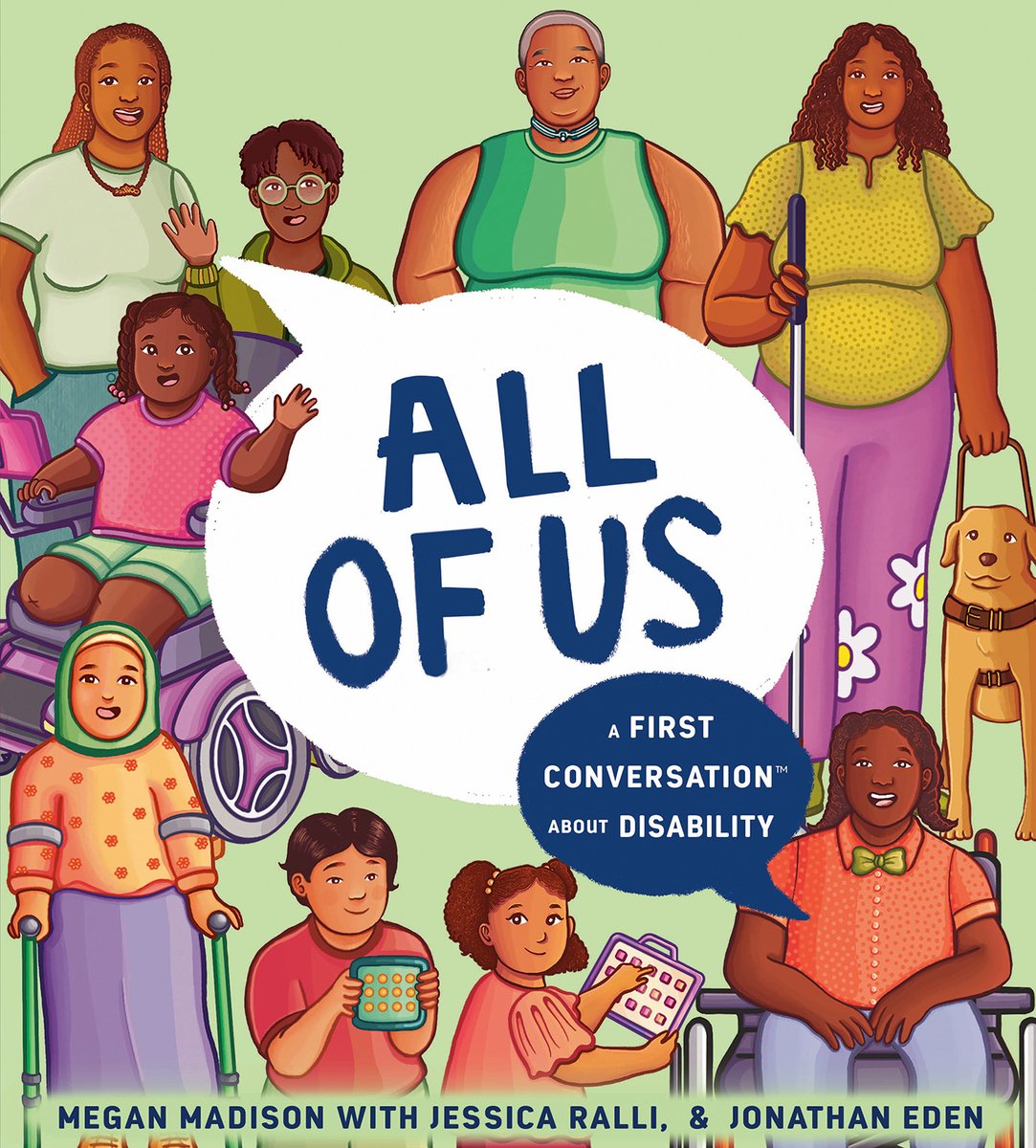
For those unfamiliar with Madison and Ralli’s phenomenal First Conversations series, let this stellar title be your introduction. Addressing not only disability but ableism from both “inside-out” and “outside-in” perspectives, this robust title gives young readers a crash course in everything from identity-first language, systemic discrimination, the social model of disability, and disability advocacy in language accessible to all age groups. Acting as both an assurance to those with disabilities that there is “no such thing as normal” and an introduction to allyship for the nondisabled, readers young and old will benefit from the greater understanding that this insightful picture book provides.
We hope that you and your young readers enjoy these recommendations! For the disabled and chronic illness communities, as well as their allies, being visible and authentically represented is an important step to a more inclusive and accessible world, and these books do just that. Happy reading!
Want to learn more about the importance of disability representation in picture books? Be sure to check out our exclusive interview with Katie Mazeika, author and illustrator of Maybe Just Ask Me!
For all of our recommendations for mini bookworms, check out our Bookshop bookshelf.
