

















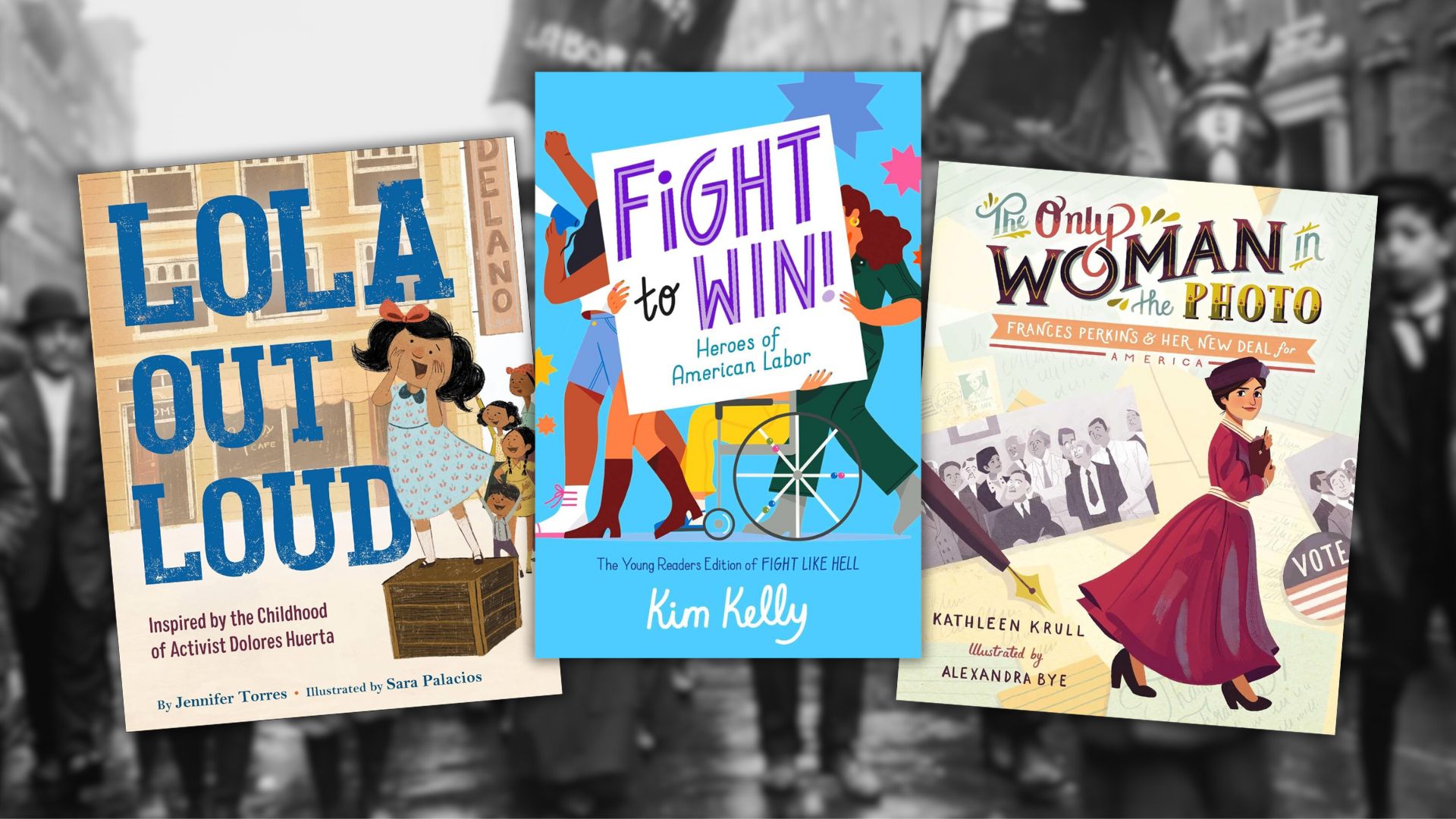
May is Labor History Month in the United States, a time to celebrate the efforts of not only the laborers who built the economy and infrastructure of the country, but also the efforts of labor rights activists and leaders across history who fought for the rights of the working class. To honor these dedicated individuals, we’ve gathered nine children’s books that highlight some of the most notable and influential labor rights activists in U.S. history, so children can learn the sacrifices that were made to protect the rights of workers to this day.
Rose Spoke Out: The Story of Rose Schneiderman by Emma Carlson Berne, Illustrated by Giovanni Abeille
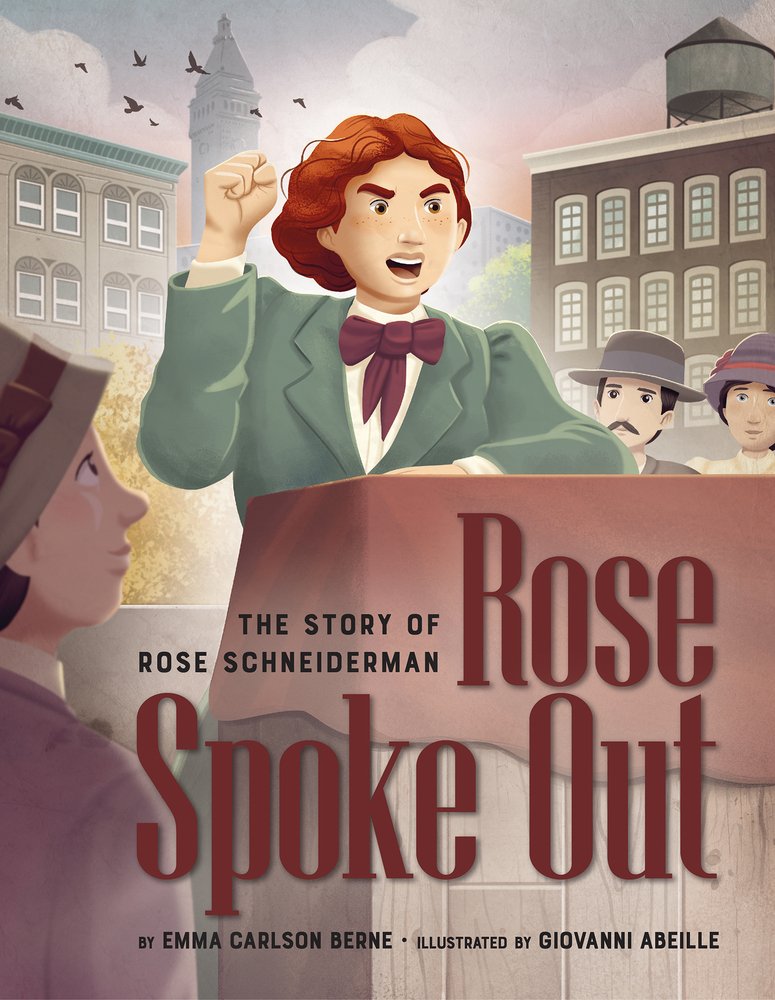
At thirteen years old, Jewish and Polish immigrant Rose Schneiderman got her first job at a hat factory. The conditions were abysmal: Rose had to purchase her own sewing machine and pay for its repairs, the factory was cold and unsafe, and the hours were long and grueling. Rose kept silent for a time, but upon learning that her male coworkers were paid more than their female counterparts, the young dynamo refused to remain speechless. Despite her diminutive stature (4’9”), Schneiderman became a towering voice in labor rights, organizing walkouts and helping to form a union for garment workers. This powerful tale explores Rose’s motivations, persistence, and her refusal to accept “good enough” over fair and equitable.
Memphis, Martin, and the Mountaintop: The Sanitation Strike of 1968 by Alice Faye Duncan, Illustrated by R. Gregory Christie

In February of 1968, two Black sanitation workers were killed by defective equipment in Memphis, Tennessee. The fallout of this incident would be far-reaching: when the city refused to recognize the sanitation workers’ demands for better pay and safer conditions, the workers went on strike, something that drew the interest and support of Dr. Martin Luther King, Jr., whose journey to meet with the strikers saw both his stirring “I’ve Been to the Mountaintop” sermon and his assasination at a Memphis hotel the following day. Told through the perspective of a nine-year-old child witness to these events, this title honors both King’s dedication to civil and workers’ rights as well as the courage of the sanitation workers, who held the line during a time of national upheaval.
Lola Out Loud: Inspired by the Childhood of Activist Dolores Huerta by Jennifer Torres, Illustrated by Sara Palacios
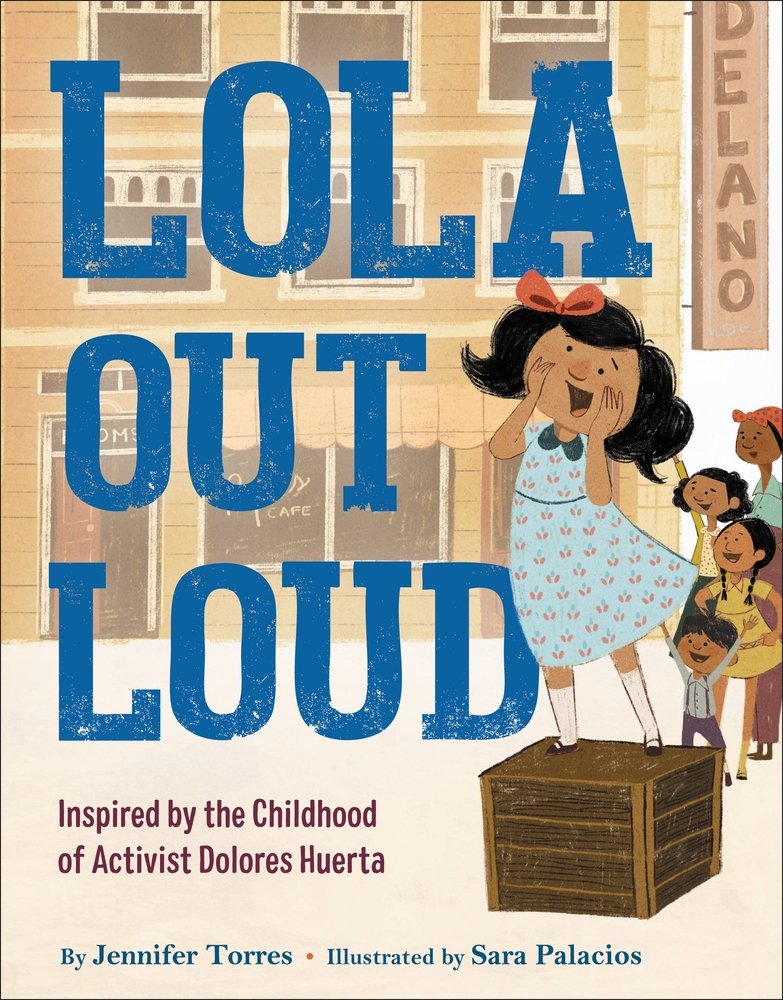
In a story loosely based on the childhood of labor activist Dolores Huerta, the reader is introduced to Little Lola, who works tirelessly to help her Mama run the Hotel Delano in Stockton, California. Lola is a hard worker, but she has a habit of talking constantly, especially to ask guests of the hotel about their backgrounds and travel plans. Her grandpa calls her “Lolita Siete Lenguas” (“Little Lola, Seven Tongues”) and reminds her that while one must know when to hold their tongue, someone with the gift of gab like Lola must also recognize when it is time to use their voice for good. Huerta grew up to be a powerhouse labor leader and feminist activist, and while the inciting incident of this story is imagined, it is a good reminder that even kids should speak up when they see injustice occurring.
The Only Woman in the Photo: Frances Perkins & Her New Deal for America by Kathleen Krull, Illustrated by Alexandra Bye

When Franklin Delano Roosevelt became President of the United States in 1933, he faced the daunting task of trying to pull the country out of the Great Depression. To help him in his mission, he appointed an unexpected choice for his Secretary of Labor: workplace-safety regulator and industrial commissioner Frances Perkins. Frances was not a surprise option for her acumen or work history, both of which made her incredibly qualified, but for the fact that she would be the first woman to serve in a cabinet position. However, Perkins’s grandmother had advised her that “when somebody opens a door to you, go forward,” and she took the position, drafting several labor support structures such as the New Deal, the adoption of unemployment insurance, and the Social Security Act.
A Picture Book of Cesar Chavez by David A. Adler & Michael S. Adler, Illustrated by Marie Olofsdotter

Celebrated picture book biographer David A. Adler teams up with his son, Michael, to craft this stirring look at the U.S. labor leader and civil rights activist Cesar Chavez. Growing up as a child laborer during the Great Depression, Cesar saw the mistreatment of farmworkers firsthand. Between the punishing work, the dangerous conditions, the low pay, the homelessness, and the constant threat of job loss, Cesar developed a mission to aid farmworkers in gaining better pay and workers’ rights as he grew. Between several arrests and incarcerations for his efforts, Chavez organized significant strikes and labor demonstrations, including a 300-mile march that resulted in the first farm workers’ contract.
On Our Way to Oyster Bay: Mother Jones and Her March for Children’s Rights by Monica Kulling, Illustrated by Felicita Sala
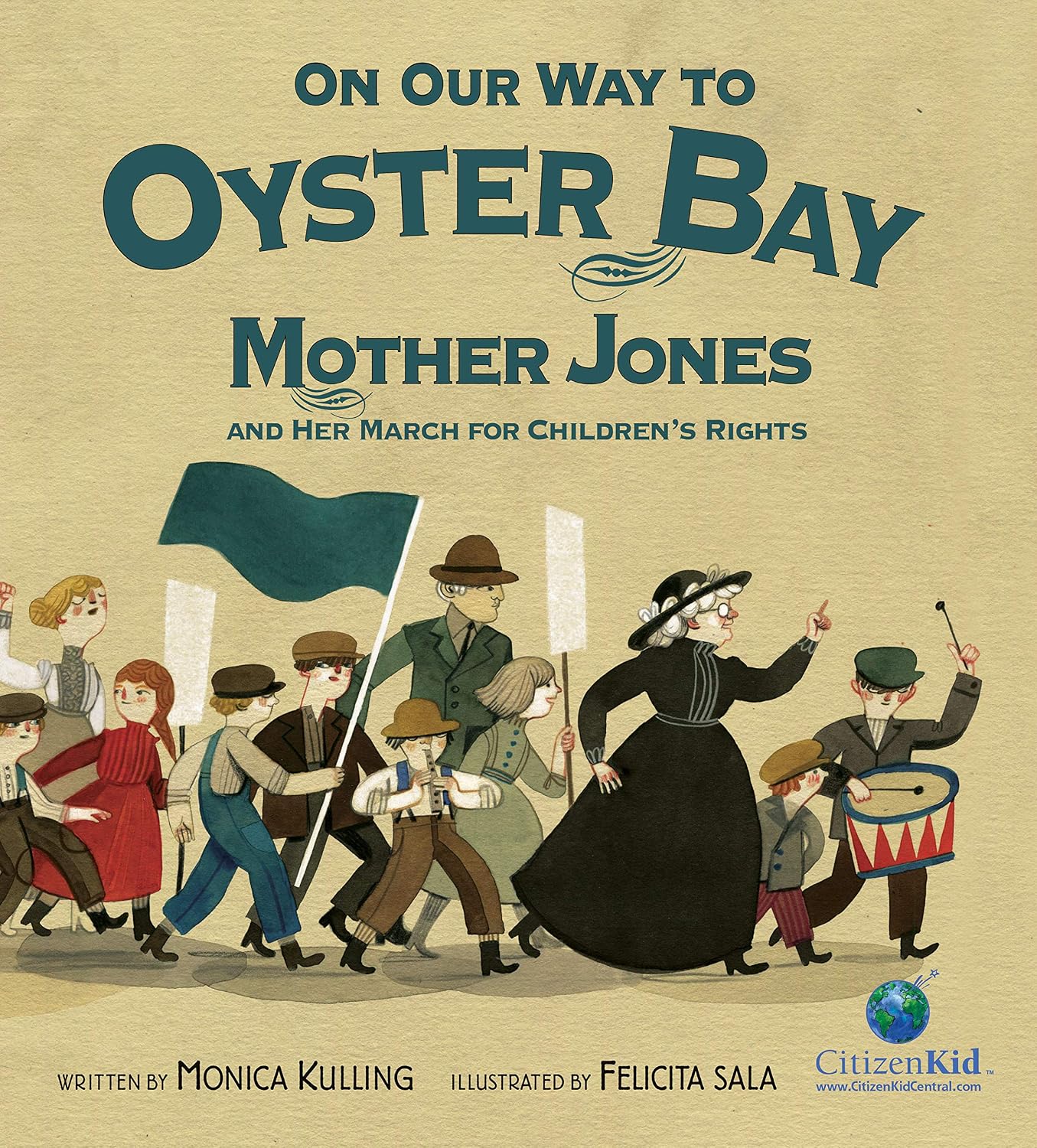
In this title, readers meet Aidan and Gussie, child workers at the local cotton mill. They are excited because they and their fellow child workers have decided to strike, and famed activist Mother Jones is coming to join their campaign. However, they are surprised to find that Mother Jones is a little old lady! As she organizes a protest march from Pennsylvania to Oyster Bay, New York, they soon find that Mother Jones is a passionate force for the rights of others. Cleverly told from the perspective of the young laborers themselves — which allows for a description of child labor that is striking enough to make an impact, yet not so graphic as to be frightening — this story captures the spirit of union organizer Mary Harris “Mother” Jones and her fight to organize for the rights of child workers.
Brave Girl: Clara And The Shirtwaist Makers’ Strike Of 1909 by Michelle Markel, Illustrated by Melissa Sweet
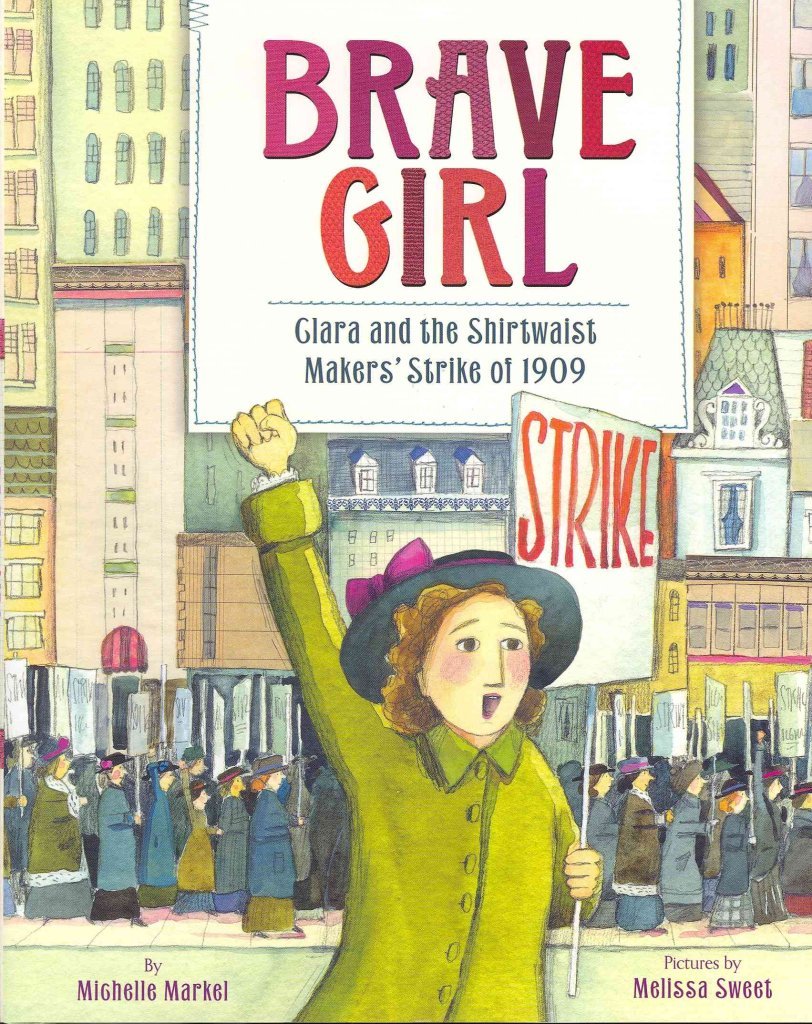
When she arrived in New York City, Clara Lemlich didn’t look like a leader: five feet tall, only seventeen years old, and barely able to speak English. When her father could not find work, Clara went to work in a garment factory sweatshop to help provide for her family. She found the conditions to be deplorable, and the managers and bosses to be cruel and corrupt. Unwilling to be treated unfairly, Clara encouraged her fellow workers to form a union and strike, facing intimidation, arrest, and even violence in her pursuit of a safe and fair working environment. Eventually, this brave young immigrant would help organize a walkout of 20,000 workers, inspiring similar strikes across the country and forcing employers to create fair working conditions for their employees (if you’re wondering, yes, she and Rose Schneiderman were good friends).
¡Sí, Se Puede!/Yes We Can!: Janitor Strike In L.A. by Diana Cohn, Illustrated by Francisco Delgado
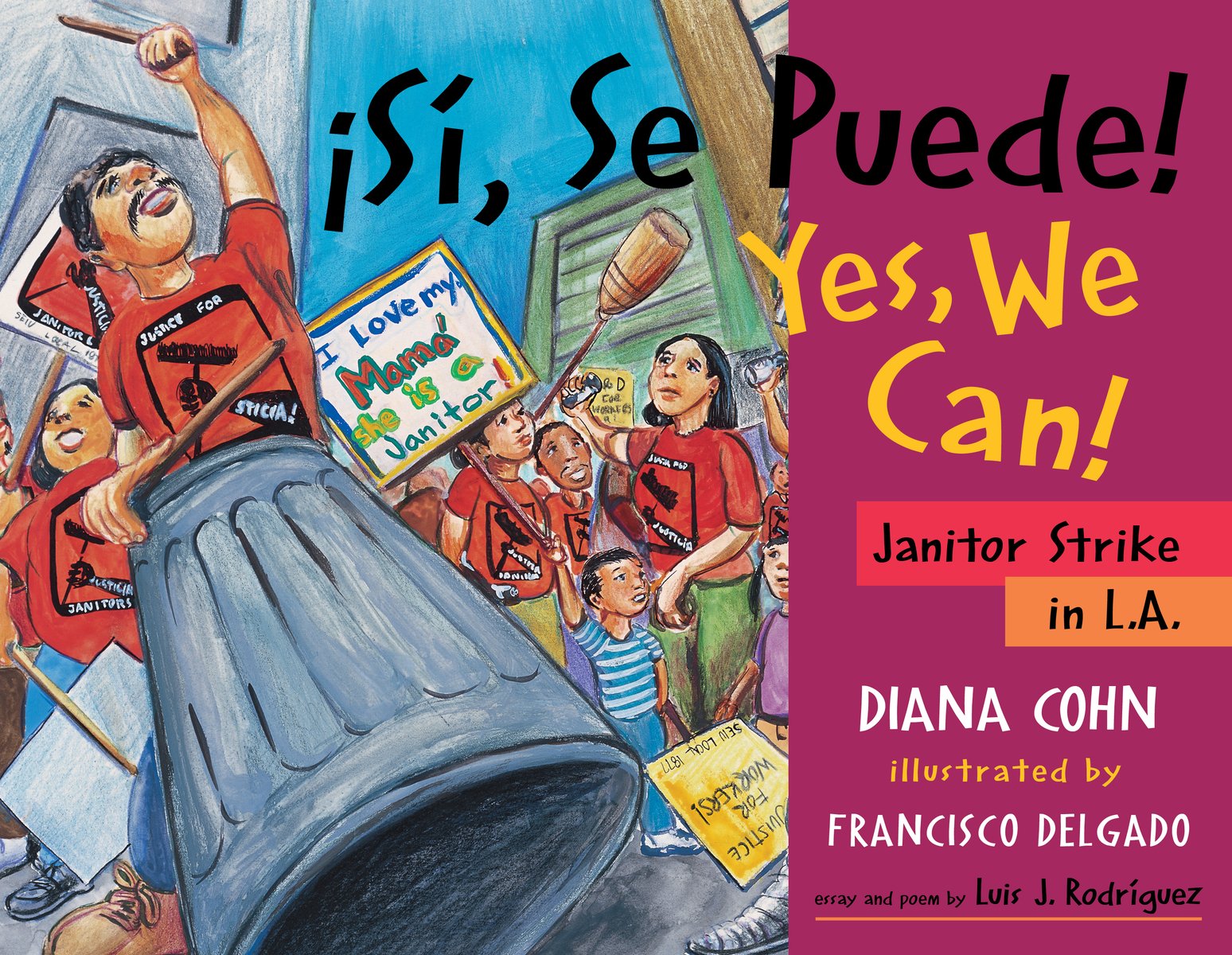
Carlos — or Carlitos, as his mother calls him — is tucked in every night with her warm words, before she takes a bus downtown and spends all night cleaning office buildings. As hard as she works, she still must work two more jobs to make ends meet. One night, she sits Carlos down and explains that she and the other janitors in her union are going on strike, demanding fair compensation. Carlos supports his mother’s choice and wishes he could help her. Finding that his classmates also have family members on strike, he knows exactly what to do. Following his mother’s example, he organizes, makes signs, and takes the lead to support the striking workers in their fight for fair pay. Based on the real-life Justice for Janitors strike in 1990, this moving bilingual tale gives actionable advice on how kids can support the rights of labor activists.
Fight to Win!: Heroes of American Labor by Kim Kelly
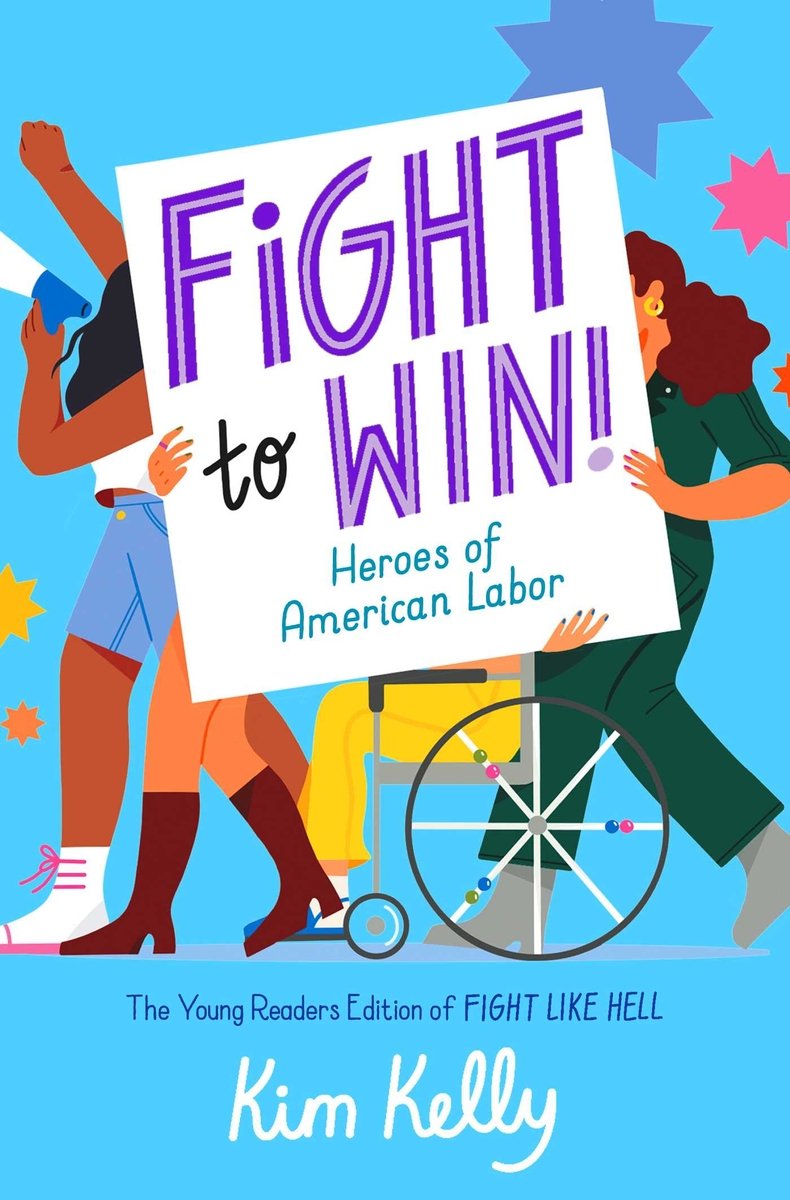
Geared toward slightly older middle grade and teen readers, this adaptation of Kelly’s celebrated nonfiction book Fight Like Hell: The Untold History of American Labor explores the history of U.S. labor activism with twenty-two profiles of its most influential leaders. Many of the icons from the books listed above are covered, in addition to equally significant figures like Judy Heumann and Bayard Rustin. Best of all, Kelly introduces readers to activists, such as Jennifer Bates and Bhairavi Desai, who are advocating for workers’ rights in the current labor landscape. Through inspiring yet unflinchingly honest summaries of these leaders’ work, young leaders can learn about the invaluable impact of U.S. laborers and the importance of fighting for their rights.
We hope you and your young readers enjoy these recommended reads and that they inspire you to speak out for the rights of workers and laborers in any way you can. Happy reading!
Want to read more about how young readers can get involved in advocacy? Check out our exclusive One-on-One interview with Sheetal Sheth, activist and author of Anjali Can!.
To see all of our recommendations for mini bookworms, check out our Bookshop bookshelf.
