










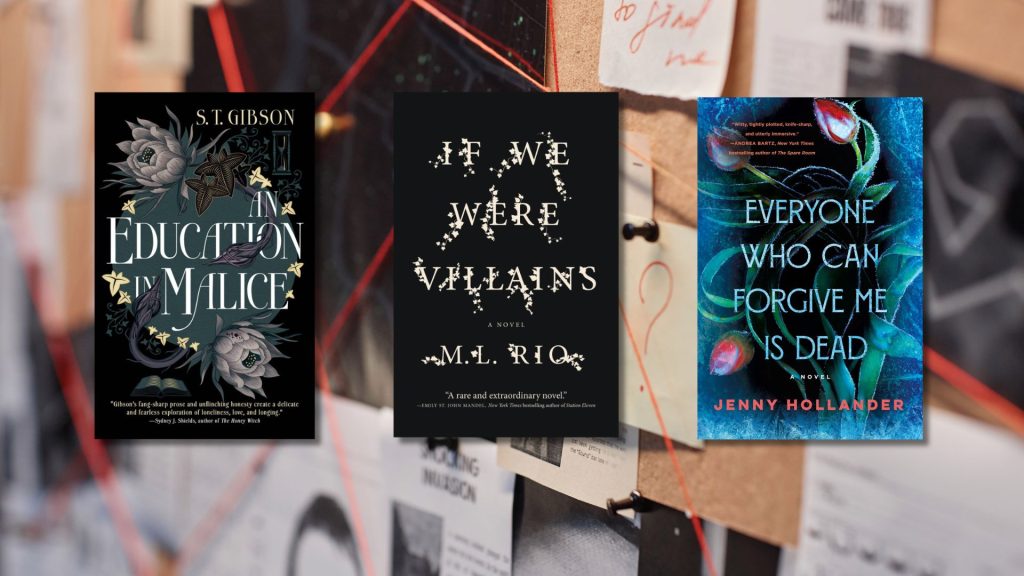


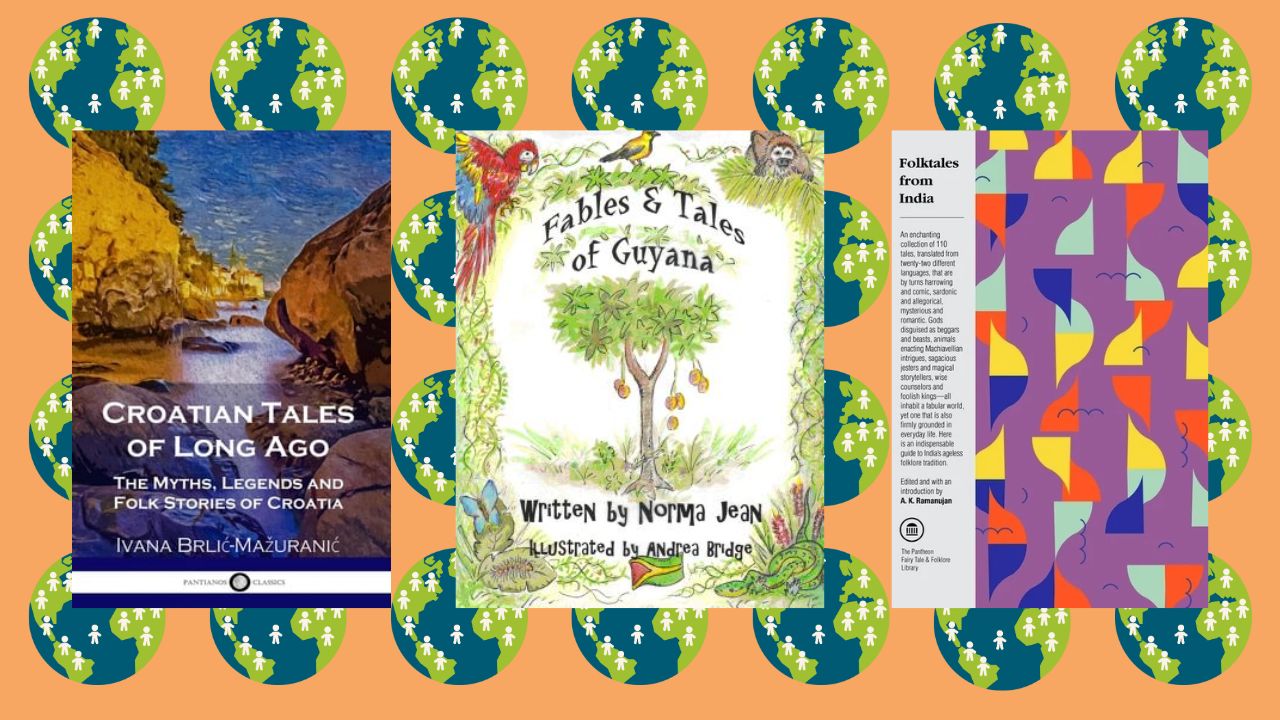
Storytelling is a practice as old as community and culture itself, long before the notion of countries (and borders) were conceived. Fables and folklore are particularly powerful, because they preserve cultural heritage, teach a community’s values and history, and foster empathy and understanding by allowing readers and/or listeners to access different perspectives. However, the fables and folktales we are most familiar with are usually our own, from our own communities and regions. While celebrating this is vital to continuing traditions, we can miss out on the rich myths and legends from around the world. For a global approach to folktales, here are seven stories from curated collections to represent seven different regions from the seven continents.
American Indian Myths and Legends, Selected and Edited by Richard Erdoes and Alfonso Ortiz
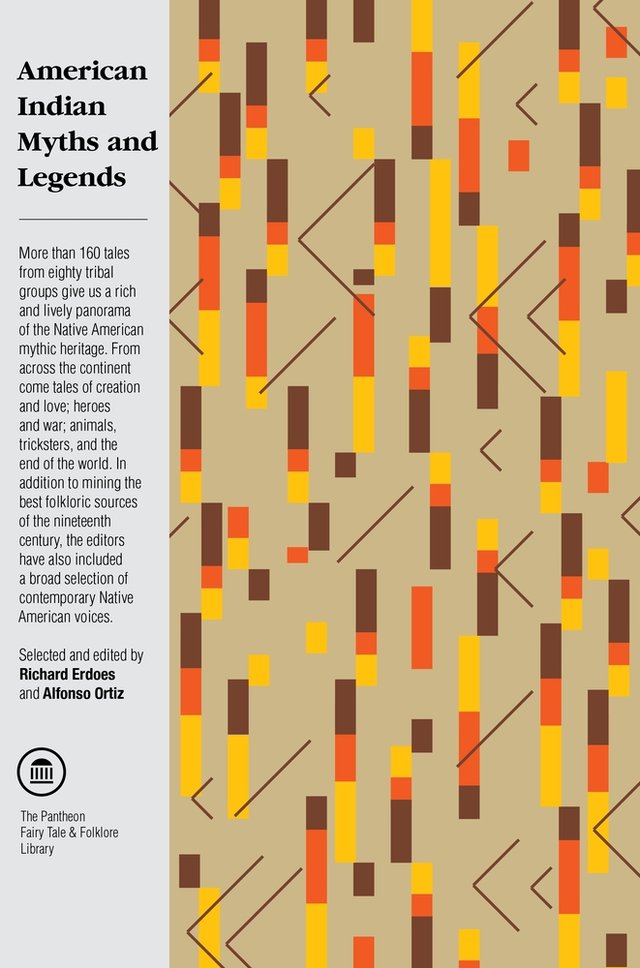
Fable/Folktale to Focus On: Creation of First Man and First Woman (Navajo)
Richard Erdoes was a writer, illustrator, photographer, historian, and author. An assignment for Life took him to the Pine Ridge Reservation, where he became both fascinated by Indigenous American culture and outraged at the conditions endured. He dedicated his remaining career to writing histories and recording Indigenous American stories, fables, folklore, myths, and legends.
Alfonso Ortiz was an Indigenous American cultural anthropologist with Tewa ancestry, born to a Tewa father and a Hispanic mother. He believed that members of Indigenous American communities should undertake scholarship about their communities themselves and not leave the work to universities and academics. Together, both edited this collection of over 160 tales from eighty tribal groups that represent a diverse yet connected cultural heritage with many stories. Of particular importance are creation stories, like Creation of First Man and First Woman from the Navajo nation, which form the basis of a worldview that guides how people relate to the natural world and reaffirms important values and beliefs.
Fables and Tales of Guyana by Norma Jean, lIlustrated by Andrea Bridge
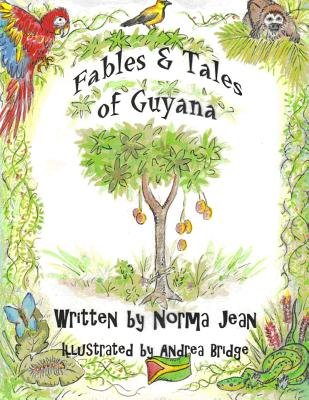
Fable/Folktale to Focus On: How Agouti Lost His Tail
Guyana, officially the Co-operative Republic of Guyana, is a country on the northern coast of South America with strong connections to the Caribbean as a consequence of being part of the West Indies. As a result, Guyana is highlighted here to represent both South American and Caribbean culture, which have a rich history of folklore.
According to her author bio, Norma Jean was born in Guyana and moved to Canada thirty-four years ago with her husband and had three children. Due to an incredibly busy lifestyle, she was unable to pass on many of the stories she was told as a child to her own children. When she had grandchildren, her daughter encouraged her to write down her stories to pass on, and with the help of her husband, Norma Jean did exactly that. One of the highlights of her book is the fable How Agouti Lost His Tail. While different versions of this story exist across Guyana, the core principle of staying true to your nature and not letting jealousy or insecurity infect your friendships remains an important lesson and rich story.
Tales from Silver Lands by Charles J. Finger, Illustrated by Paul Honoré
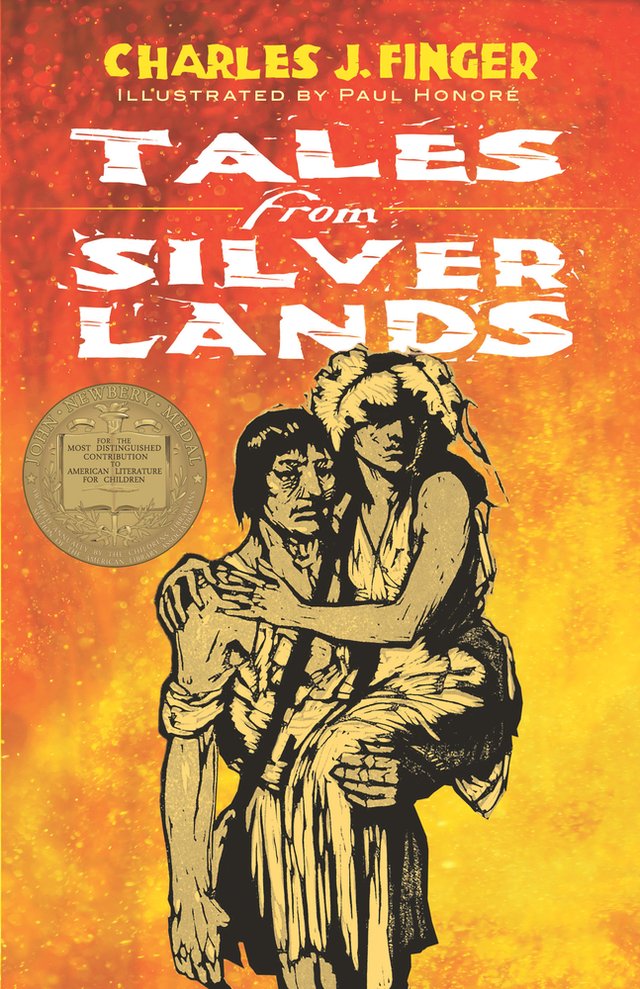
Fable/Folktale to Focus On: Na-Ha, Whose Spear is Like Lightning
Charles J. Finger was a bisexual British-born American writer known best for Tales from Silver Lands, a Newbery Medal winning collection of folklore stories written in the early 20th century, featuring 19 stories that Finger collected during his travels in South America. One of the most unique things about Tales from Silver Lands is that it features one of the only existing fables about Antarctica, where there is no Indigenous population. As such, the folktale Na-Ha, Whose Spear is Like Lightning (a Chilean folktale) gives us unique insight into what other cultures and regions might have thought about this strange land that seemed inhospitable to most life. Na-Ha, Whose Spear is Like Lightning offers an explanation of why the Antarctic is so extreme in its environment, spinning a story of strange undersea folk who must be cast out at a great sacrifice to earth folk. The structure echoes other creation stories and myths.
Croatian Tales of Long Ago: The Myths, Legends and Folk Stories of Croatia by Ivana Brlić-Mažuranić, Illustrated by Vladimir Kirin, Translated by F.S. Copeland
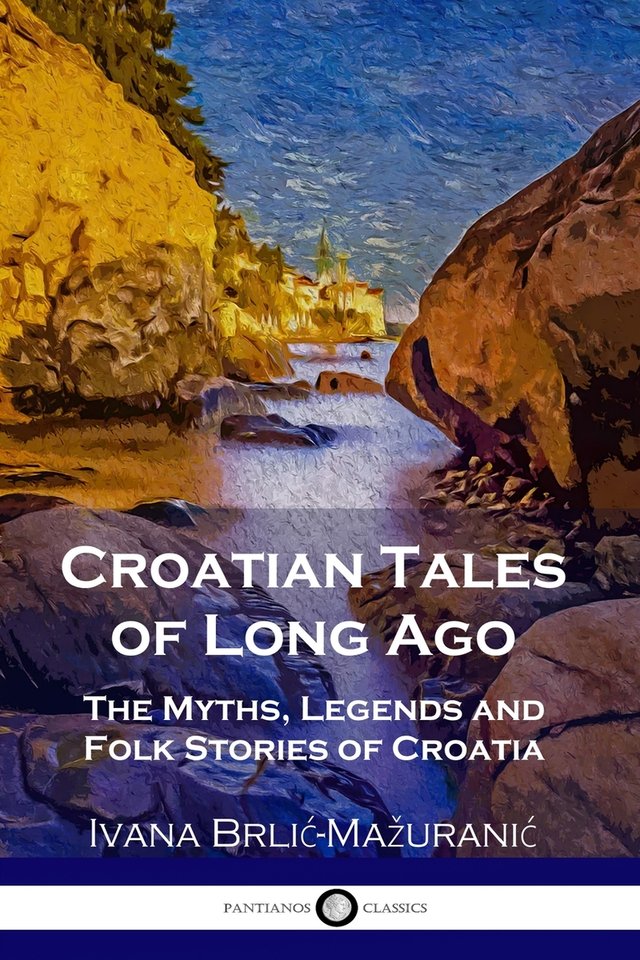
Fable/Folktale to Focus On: How Quest Sought the Truth
Ivana Brlić-Mažuranić was a Croatian author recognized in Croatia as one of the most important writers for children, and was nominated for the Nobel Prize in literature 4 times. She was the first woman to join the Yugoslav Academy of Arts and Sciences as a Corresponding Member, and was often compared as a writer to both Hans Christian Andersen and J.R.R. Tolkien for her expertise in children’s storytelling and her deft handling of mythology. Her work Croatian Tales of Long Ago: The Myths, Legends and Folk Stories of Croatia remains among her most popular, as it weaves fairytales with ancient Slavic mythology.
How Quest Sought the Truth is one of the most famous Croatian fairytales, and comes from Croatian folklore and Slavic mythology, transposed into a fairytale by Brlić-Mažuranić. The tale is of three brothers who set out to seek honey, but only one of them remains honest and steadfast the whole time, and is rewarded the most for his efforts. Like other Croatian folktales and Slavic myths, the fairytale and fable features a Goblin King as well as other magical creatures and powers, and emphasizes the importance of honesty and steadfastness.
Myths and Folktales: African Stories from the Jieng South Sudan by Jacob J. Akol
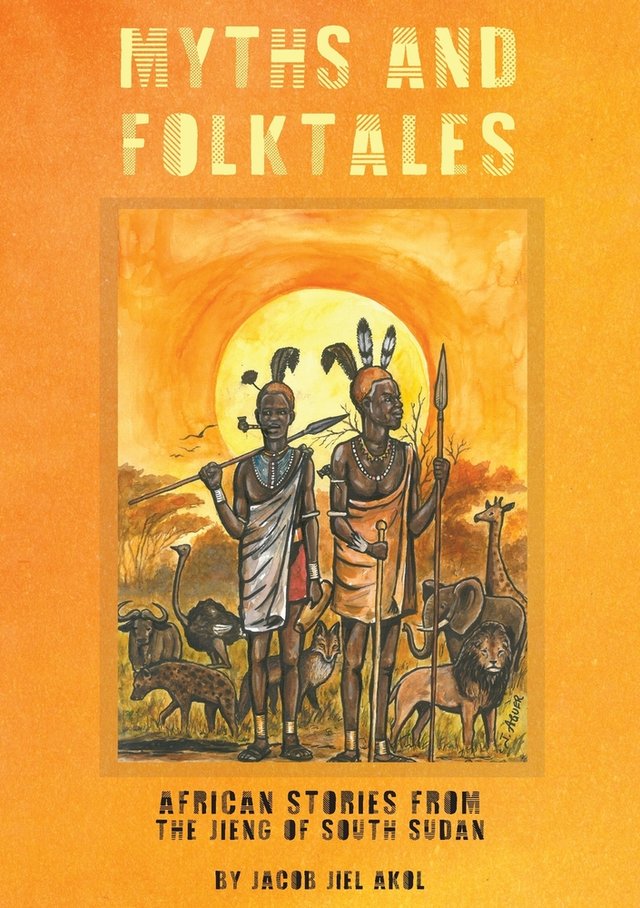
Fable/Folktale to Focus On: How Clans Got Their Names
Sudan is currently in the midst of massive conflict and one of the most terrible humanitarian crises in 2025. Now more than ever, it is important to give recognition to Sudanese culture and stories. As Jacob J. Akol writes in his foreword to Myths and Folktales: African Stories from the Jieng South Sudan, “These myths and folktales belong to the (Jieng) people and are to them like the vast swamps, grassland, and forests that straddle the White Nile and its tributaries they inhabit. They are part of the wealth on which they depend for survival, recreation, and creativity. They are the roots of their culture.”
One of the stories that forms these roots is How Clans Got Their Names, a tragic tale of how people left the River for Dryland despite being warned that Dryland was filled with disease and death. The story does ultimately explain how clans got their names, as well as their personal reverence for certain animals, beings, and animates. For example, the Pagong Clan reveres the hedgehog as a guardian, and thereby gets their name from Gong the Hedgehog, the original protector of their ancestor on Dryland.
Folktales from India by A.K Ramanujan
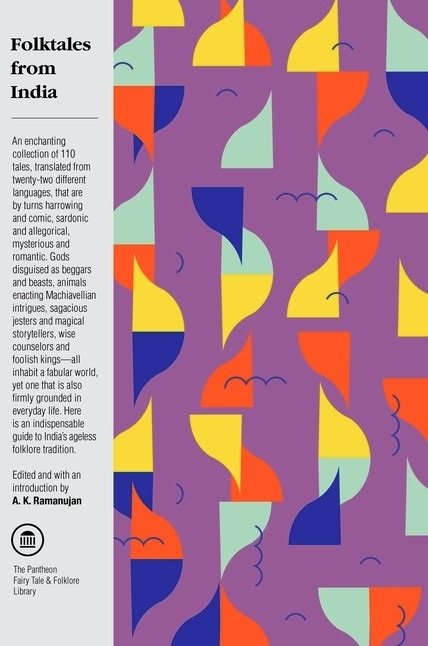
Fable/Folktale to Focus On: A Tiger That Didn’t Know Who He Was (Bengali) /Akbar and Birbal (Urdu)
A.K Ramanujan was a poet, translator, philologist, and folklorist who was born in Mysore, India. With 110 tales, it’s hard to highlight just one story, so instead, we’ll highlight a Bengali folktale as well as an incredibly popular Urdu series. A Tiger That Didn’t Know Who He Was is a short Bengali folktale that focuses on a tiger whose mother unfortunately dies and leaves him among a flock of sheep, and he comes to act and believe he is a sheep. Ultimately, a tiger arrives and shows him the truth, teaching the valuable lesson that no matter what happens, you cannot deny or forget your true nature forever. The tale is significant because it was commonly used in Patachitra painting, a storytelling tradition originating in the Medinipur region of West Bengal, which involves the bard presenting the story with pictures while simultaneously narrating a song called “Pater Gaan” while an artist paints the picture.
Akbar and Birbal are a series of popular Urdu folktales based on the real relationship between Mughal emperor Akbar and his Kanyakubja courtier Birbal. Birbal was a poet and lauded for his wit and intelligence (he knew five languages and was formally educated in 3), and he joined Akbar’s court early into his reign. He became one of, if not the, closest advisors Akbar had, and after his death, humorous tales to honor him became embedded in Indian folklore. Oftentimes, the tales are based on the premise that other courtiers are jealous of Birbal’s relationship with Akbar and unsuccessfully attempt to outwit him or Birbal, correcting an erroneous assumption or prejudice of Akbar. There are four of these tales in Folktales from India, emphasizing just how popular these folktales were and continue to be in the region.
The Dreamtime: Australian Aboriginal Myths by Charles P Mountford, Illustrated by Ainslie Roberts
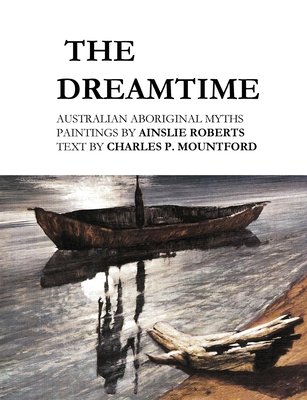
Fable/Folktale to Focus On: The Origin of Fire
Aboriginal folktales capture the realities of the Indigenous community and myth-making in Australia before the onslaught of colonialism. While Aboriginal peoples should have their narratives in their own hands, Charles P. Mountford started the work for recognition and respect for Aboriginal culture and art. Working at Kahlin Compound, first as a mechanic, he came into contact with Aboriginal communities, sparking his interest in their culture and art. After his wife died some years later, Mountford renewed his interest, and went on to publish several papers, films, books, and collections of photographs alongside his advocacy of Aboriginal communities.
The Dreamtime: Australian Aboriginal Myths refers to the practice of Aboriginal Dreamtime stories and the belief that Dreamtime is the origin of everything, made by ancestors, but also a continuum of the past, present, and future. The Origin of Fire captures the spirit of Dreamtime stories, as well as the importance of fire, connection, and creation in Aboriginal culture. While many versions of this story exist, they all emphasize the need to be resourceful, brave, honest, and compassionate.
Fables and folktales are woven through cultures and regions to help people learn about themselves, what to believe in, and how to act. Those tenets are deeply contextual, though many themes are echoed across these tales. We can learn a lot about a region and its culture through the messages and motifs embedded in its stories. Through these curated collections, you can travel the world without leaving your own spot, and you might learn about yourself in the process.
Interested in fantasy stories inspired by global folklore to see how cultural tales can transform fiction? Read our recommendations here.
Want to delve deeper into cultural myths and legends? Check out our Bookshop shelf here.