









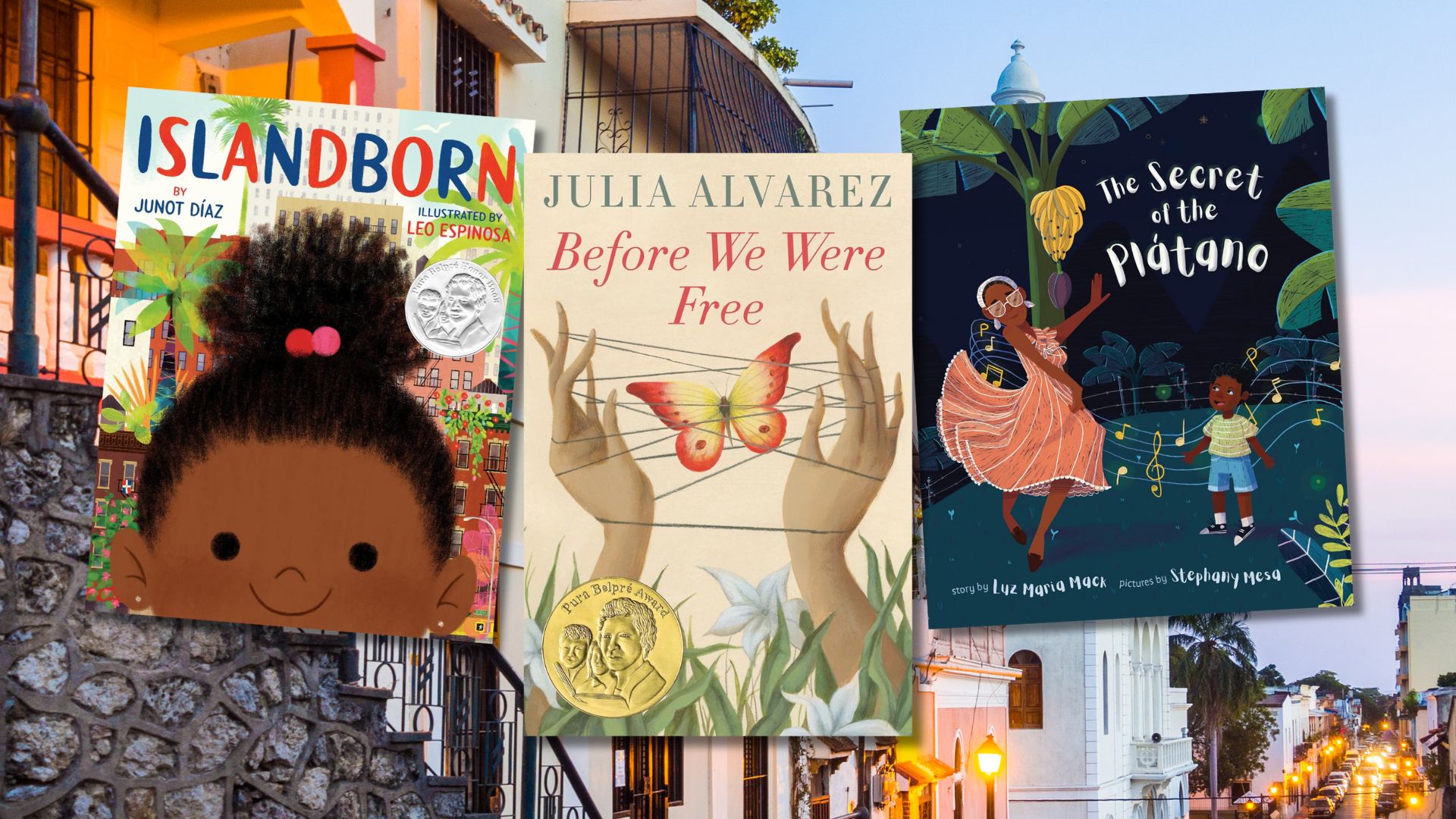
Every February 27th sees the celebration of Día de la Independencia Dominicana in the Dominican diaspora, a day that commemorates how the people of the Dominican Republic drove the occupying Haitian army out of Santo Domingo and declared their Independence in 1844. In the spirit of the holiday, we’ve gathered seven children’s books that allow young readers to explore and celebrate the rich culture of the Dominican Republic.
The Secret of the Plátano by Luz Maria Mack, Illustrated by Stephany Mesa
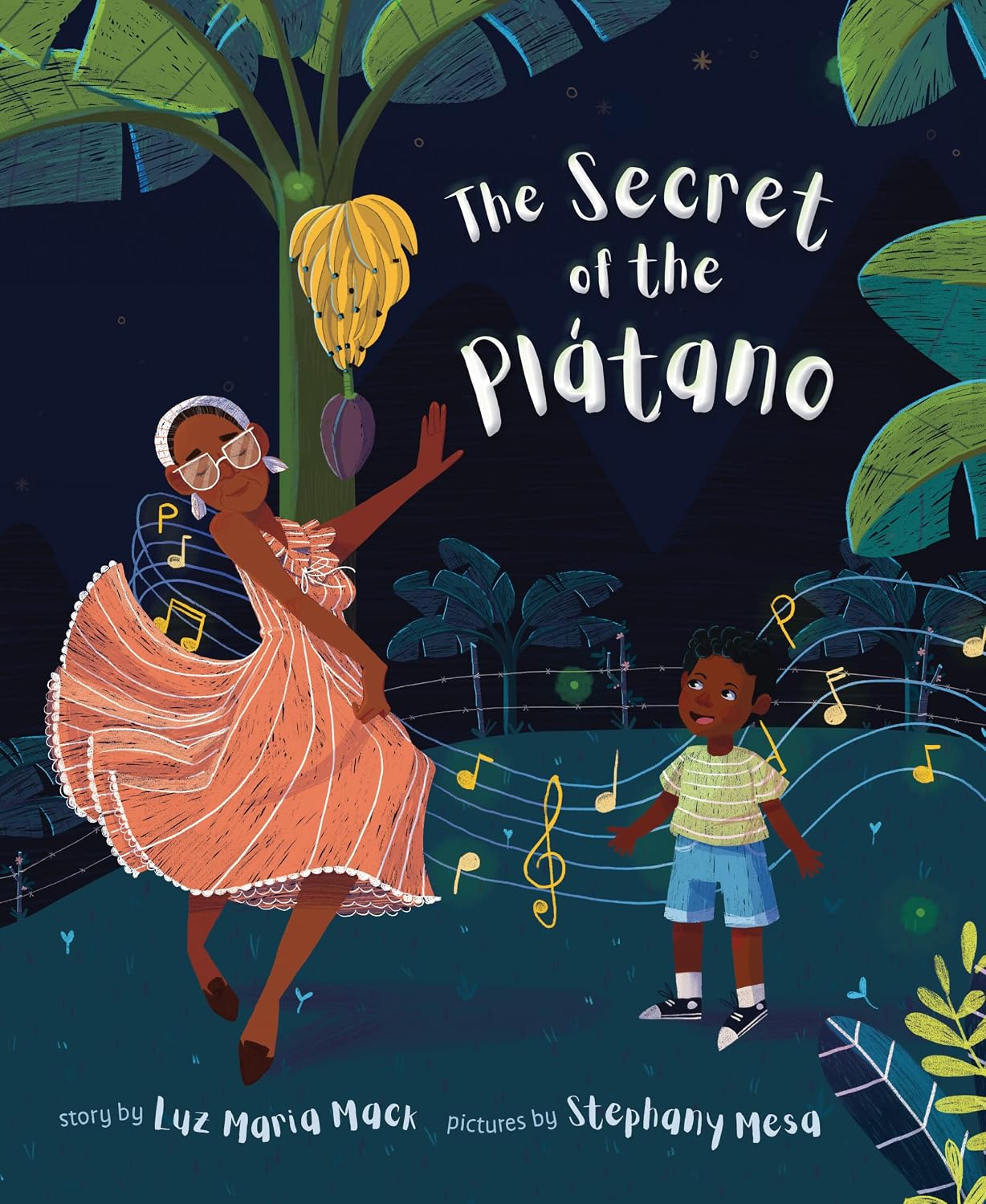
Starting off with a stunning book by duel Dominican creators, readers join Abuela and her grandchild as they embark on an enchanting nighttime ritual. With a bright moon overhead that casts a magical glow on a lush field of banana palms, Abuela invites her grandchild to “get the jitters” out by dancing to the rhythm. But what rhythm? The child struggles to hear it. Abuela can feel it, though, and implores her nieto to listen with his heart as well as his ears. On every page, Mack and Mesa weave a spellbinding story with tenderness and grace, one that will linger with readers and perhaps inspire them to listen just a little closer to the world around them.
VÁMONOS: Santo Domingo by Patty Rodriguez & Ariana Stein, Illustrated by Ana Godinez

Part of a delightful board book series that tours the capitals of Spanish-speaking countries, this charming introduction to Santo Domingo is perfect for the littlest of bookworms. Cleverly combining famous landmarks with evergreen early-reader topics — such as emphasizing the colors of the Santo Domingo Greenbelt and framing a visit to the Reloj del Sol around learning to tell time — this bilingual travelogue is filled with lively, colorful artwork that brings each stop to life.
Angélica and la Güira by Angie Cruz, Illustrated by Luz Batista

After Angélica has spent an idyllic summer visiting her family in the Dominican Republic, the prospect of returning to her home in Washington Heights, New York City, is a bittersweet one. She’ll miss her tías and primas, her abuelos, and even the pet parrot! Abuelito has a special parting gift for her, however: an heirloom güira, a type of percussion instrument played with a metal comb. He explains that the güira has the power to move people, to make them dance, and to bring them together. A beautiful tribute to an instrument with Dominican roots as well as the power that music has to bring communities together — even from very far away — this sweet story is sure to charm.
The Color of My Words by Lynn Joseph

This moving homage to the power of words begins with twelve-year-old Ana Rosa, an aspiring writer and poet living in a small, quiet village in the Dominican Republic. Driven by an intrinsic force to capture the world around her in words, she steals paper from anywhere she can find it to record her thoughts, feelings, and experiences. The beauty of her home, her father’s struggles with alcohol, and the mounting tension when the government informs the villagers that they will be evicted and their homes razed to build a hotel. The powerful emotional threads that lace through this stunning mix of poetry and prose will leave the reader enraptured, shattered, and restored in equal turns.
If Dominican Were a Color by Sili Recio, Illustrated by Brianna McCarthy

What color is Dominican? Is it lush and leafy greens, the blazing reds and oranges of a sunset over sea, the spice of cinnamon in cocoa? Or is it the rhythm of drumbeats, the sway of the merengue, or the roar of a midnight ocean? The truth is that Dominican is no single color, but all colors at once, as are its people. Recio’s passionate rhymes and McCarthy’s stunning artwork give a peek into the beauty of the Dominican Republic, while also quietly admonishing its long and complicated history with colorism. Instead, the language of the text reclaims colorist language by associating the vibrant, myriad hues of the Dominican Republic’s natural environment and cultural heritage with the diversity of the Dominican people.
Before We Were Free by Julia Alvarez
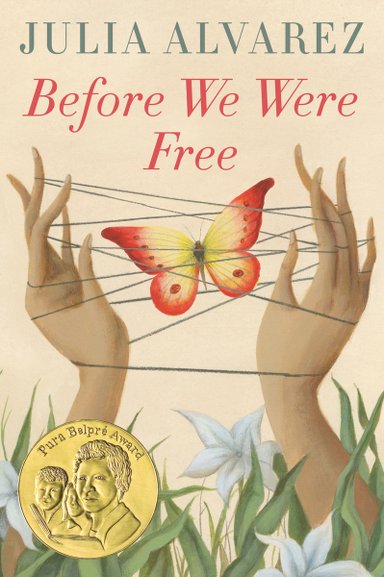
A stunning prequel to Alvarez’s adult novel How the García Girls Lost Their Accents, this story follows twelve-year-old Anita de la Torre as she pays witness to the Dominican Revolution of 1961. Having never questioned her freedom as a Dominican in childhood, the young girl is suddenly and violently thrown into a world of political upheaval, government-sponsored terrorism, and the sudden disappearances of family members. Anita’s present-tense, first-person account is harrowing and heartbreaking in equal measures, telling an all-too-real story of how childhood is affected by the brutality of war and the human cost of freedom; it’s not always an easy read, but it is a transformative one.
Islandborn by Junot Díaz, Illustrated by Leo Espinosa

When Lola’s teacher assigns her class the task of drawing pictures of their “first countries,” the young girl is a bit concerned. When her family left the Island, she was only a baby, and she has no memory of it. Since many people from her neighborhood are from the Island as well, she decides to spend the afternoon talking to them. With each new story and memory, Lola draws another picture until she has an entire book. And when she opens the book to share with her class the next day, the Island bursts out. A gorgeous and complex ode to both the Dominican Republic and the concept of cultural identity, readers from all diasporas will connect to the words of Lola’s abuela: “Just because you don’t remember a place doesn’t mean it’s not in you.”
We hope that you and the young reader in your life enjoy these books about the Dominican Republic and that they allow you to learn more about this beautiful island and join in the celebration of its independence. Happy reading!
For more of our favorite children’s books with Latinx representation, check out this article on the Best Kids’ Books with Hispanic/Latinx Characters and Stories.
To see all of our recommendations for mini bookworms, check out our Bookshop bookshelf.