


















Books have a unique power to transcend cultural and linguistic barriers, offering readers a glimpse into worlds they may never encounter otherwise. Through translation, some works have become global phenomena, captivating audiences far beyond their place of origin. Here are five exceptional books that have been translated into English and widely embraced worldwide, along with the stories behind their global success.
1. One Hundred Years of Solitude by Gabriel García Márquez
Translated from Spanish by Gregory Rabassa
First published in 1967, Gabriel García Márquez’s One Hundred Years of Solitude is a cornerstone of magical realism and a celebrated work of Latin American literature. The novel tells the multi-generational story of the Buendía family in the fictional town of Macondo, blending myth, history, and politics into an enchanting narrative. The book’s intricate storytelling and vivid imagery have made it a classic, selling an estimated 50 million copies worldwide. Its translation into English by Gregory Rabassa was praised by Márquez himself, who famously claimed that Rabassa’s version improved upon the original Spanish text.
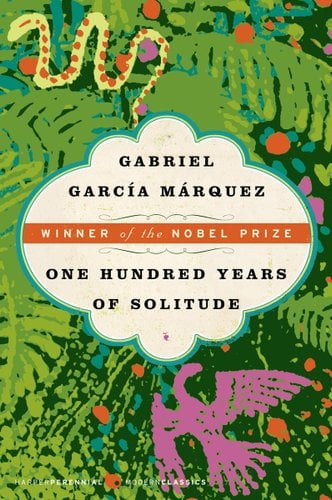
The novel’s global reach is a testament to its universality. One Hundred Years of Solitude has been translated into over 46 languages, including French, Chinese, and Arabic, allowing readers worldwide to connect with its themes of love, loss, and destiny. When Márquez received the Nobel Prize for Literature in 1982, his lecture, The Solitude of Latin America, highlighted the magical and tragic reality of his homeland, a vision vividly captured in this masterpiece. This book remains a gateway to the rich cultural and literary heritage of Latin America.
2. Convenience Store Woman by Sayaka Murata
Translated from Japanese by Ginny Tapley Takemori
Sayaka Murata’s Convenience Store Woman is a sharp and satirical exploration of societal norms and individual identity. Published in Japan in 2016, the story centers on Keiko Furukura, a woman who finds comfort and purpose in her job at a Tokyo convenience store, defying societal expectations about career, relationships, and success. The novel resonated deeply with Japanese readers, becoming a bestseller with 1.4 million copies sold. Ginny Tapley Takemori’s translation has brought Murata’s unique voice to English-speaking audiences, maintaining the humor and poignancy of the original.

The novel has been translated into 30 languages, including Spanish, French, and German, reaching a global audience. Its sharp commentary on conformity and its celebration of individuality have struck a chord worldwide, especially in cultures grappling with similar societal pressures. Murata’s bold storytelling has made her a literary star and Convenience Store Woman a touchstone for readers who embrace unconventional characters and thought-provoking narratives.
3. Crime and Punishment by Fyodor Dostoevsky
Translated from Russian by, among others, Frederick Whishaw, Constance Garnett, David McDuff, Richard Pevear & Larissa Volokhonsky, and David Gildea
Fyodor Dostoevsky’s Crime and Punishment is one of the most influential novels in literary history. First published in 1866, this psychological masterpiece delves into the tormented mind of Rodion Raskolnikov, a law student who grapples with guilt and redemption after committing murder. The novel’s first English translation by Frederick Whishaw in 1885 introduced the work to a wider audience, but it was Constance Garnett’s 1914 translation that dominated for more than 80 years. Her work helped cement Dostoevsky’s reputation in the English-speaking world. Since the 1990s, David McDuff’s and the Pevear-Volokhonsky duo’s translations have competed as the most widely read versions, praised for their nuanced and modern renderings.

In 2024, David Gildea offered the latest English translation, introducing a fresh perspective to this timeless text. The novel has been translated into more than 25 languages, including German, Chinese, and Hindi, selling millions of copies worldwide. Crime and Punishment continues to resonate with readers for its universal exploration of morality, justice, and the human psyche, proving that its themes are as relevant today as they were in Dostoevsky’s time.
4. The Name of the Rose by Umberto Eco
Translated from Italian by William Weaver
Umberto Eco’s The Name of the Rose is a complex and riveting historical mystery set in a 14th-century monastery. Published in 1980, the novel combines a gripping whodunit with theological and philosophical debates, offering a richly layered reading experience. William Weaver’s English translation played a pivotal role in bringing Eco’s erudite prose to an international audience, capturing the intricacies of the original text while making it accessible to non-Italian readers.
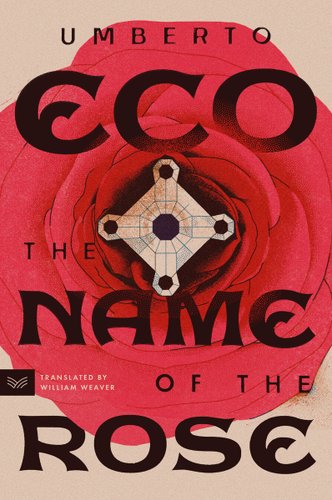
The book has been translated into over 40 languages, including Spanish, Russian, and Korean, and has sold more than 50 million copies worldwide. Its success is a testament to its universal appeal, blending suspense with intellectual depth. The Name of the Rose remains a favorite among mystery lovers and scholars alike, showcasing Eco’s ability to entertain and challenge readers simultaneously.
5. The Alchemist by Paulo Coelho
Translated from Portuguese by Alan R. Clarke
Paulo Coelho’s The Alchemist is a modern fable about following one’s dreams and finding one’s legend. Originally published in Portuguese in 1988, the novel follows Santiago, a shepherd boy, on a journey across the desert in search of treasure, only to discover that the true reward lies in the journey itself. Despite a modest initial reception in Brazil, the book gained international fame after Alan R. Clarke’s English translation in 1993. Since then, it has sold more than 150 million copies worldwide, making it one of the best-selling books in history.

The Alchemist has been translated into over 80 languages, including Mandarin, Arabic, and Hindi, setting a Guinness World Record for the most translated book by a living author. Its universal themes of self-discovery, resilience, and the pursuit of one’s dreams have resonated with readers across cultures and generations. Coelho’s simple yet profound storytelling has turned this novel into a global phenomenon, inspiring millions to reflect on their own life journeys.
Why Translation Matters
Translation is more than just converting words from one language to another — it’s an art form that bridges cultures, preserves the nuances of storytelling, and fosters global understanding. Without translation, many of the world’s greatest literary treasures would remain inaccessible to millions of readers. It allows us to experience the richness of different languages and worldviews, broadening our perspectives and deepening our appreciation for diverse cultures. These books remind us of the immense value of translators, who act as cultural ambassadors, ensuring that stories transcend borders and continue to inspire readers everywhere.
Explore these best-selling books that have captivated readers across languages and continents!
Dive into the magic of translation with these timeless works!