

















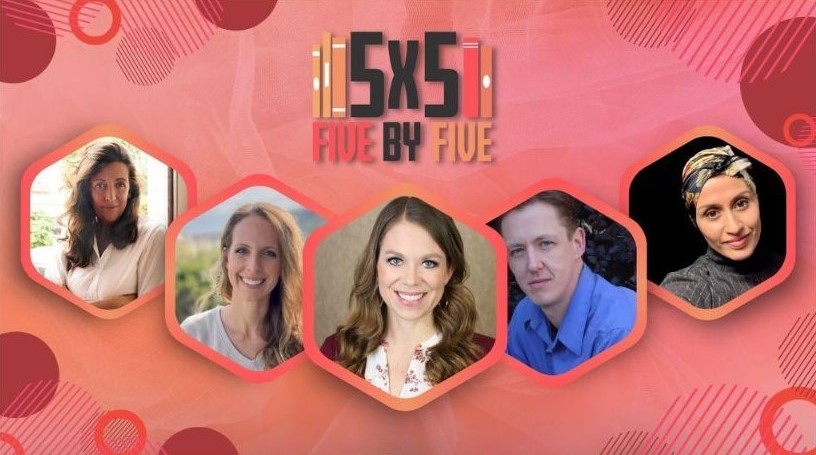
In this 5×5, we’ve gathered authors who are pushing for better literacy skills, whether through their own books, professions, or organizations they are a part of. Join us for an engaging discussion on how they promote it in their own lives, give advice on improving reading and writing skills, and more!
The Authors
Louise Doughty
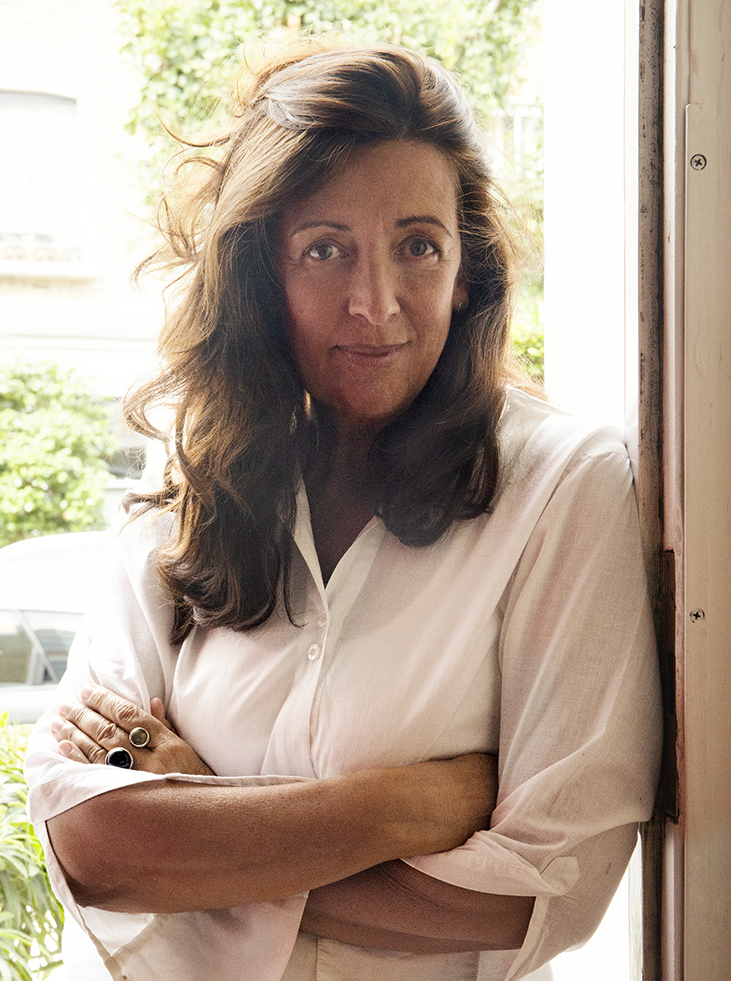
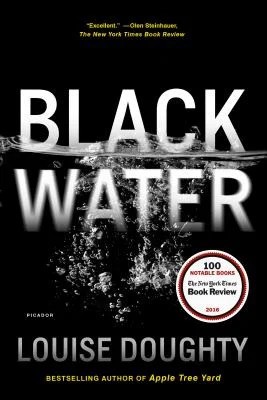
Louise Doughty is the author of ten novels, most recently A Bird in Winter — out now in paperback from Faber & Faber UK Ltd. Her previous books include Platform Seven, filmed for ITVX; Black Water, a New York Times Notable Book of the Year; the bestseller Apple Tree Yard, adapted as a hit mini-series for BBC One starring Emily Watson; and Whatever You Love, nominated for the Costa Novel Award and the Women’s Prize for fiction. She has also been nominated for other honors such as the Sunday Times Short Story Prize and the CWA Silver Dagger, along with creating and writing the hit BBC drama Crossfire. She is a Fellow of the Royal Society of Literature, a Trustee of the National Literacy Trust and the Malcolm Bradbury Trust, and the recipient of two honorary doctorates, along with being a former judge of many prizes including the Booker Prize and the Costa Book of the Year. Her work has been translated into thirty languages.
Lindsay Kemeny
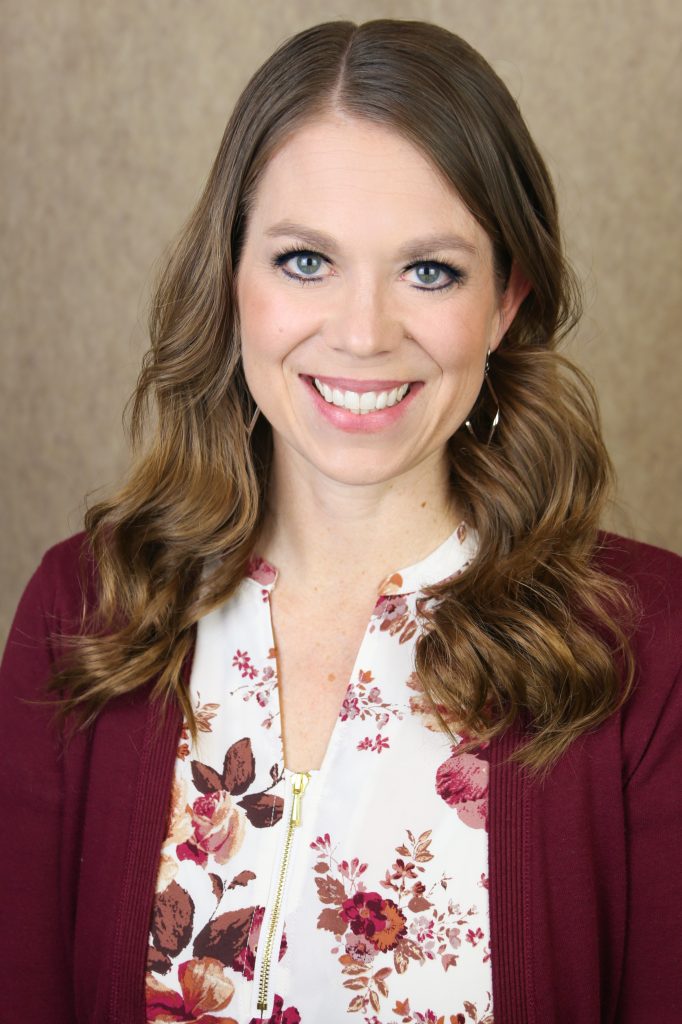
Lindsay Kemeny, MS, is an elementary school teacher, speaker, author, and podcast co-host with a passion for literacy and applying research to practice. After her son was diagnosed with dyslexia and depression, she began her deep dive into effective literacy instruction for all children. She is the author of the book 7 Mighty Moves: Research-Backed, Classroom-Tested Strategies to Ensure K-3 Reading Success. She loves being in the classroom every day, teaching kids to read.
Brian Anderson

Brian Anderson is the creator of Sophie, a graphic novel series based on his syndicated comic strip Dog Eat Doug. He is also the author of several children’s books, including The Conjurers trilogy as well as the picture books Nighty Night, Sleepy Sleeps; The Prince’s New Pet; and Monster Chefs. Brian lives in North Carolina with his family, which includes a herd of rescued dogs and cats. You can find at his website here and Instagram account @dogeatdougcomics.
A. M. Dassu
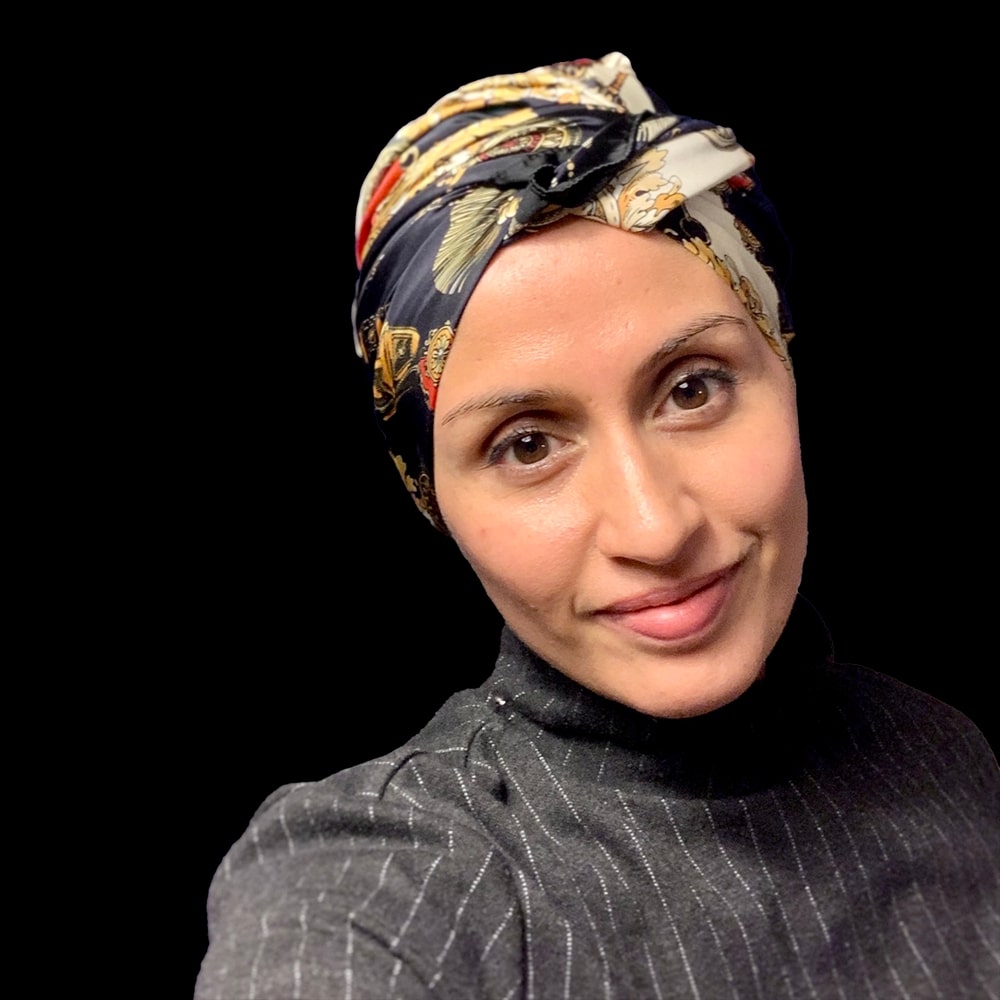
A. M. Dassu is the internationally acclaimed author of Boy, Everywhere, Fight Back, and Kicked Out, which have collectively been listed for over fifty awards, including the Waterstones Children’s Book Prize, The Week Junior Book Award, the Carnegie Medal, the Indie Book Awards, the Little Rebels Award for Radical Fiction, the American Library Association Notable Book List and Jane Addams Peace Book Award. She is a director at Inclusive Minds, which is an organization for people who are passionate about inclusion, diversity, equality, and accessibility in children’s literature; a patron of The Other Side of Hope, a literary magazine edited by immigrants and refugees, which celebrates the refugee and immigrant communities worldwide, and one of The National Literacy Trust’s Connecting Stories campaign authors, aiming to help inspire a love of reading and writing in children and young people.
A. M. Dassu grew up in England with a dream of becoming a writer, but she studied economics instead, and worked in marketing and project management before realizing her dream. She writes books that challenge stereotypes, humanize the ‘other,’ and are full of empathy, hope, and heart. You can also find her on Instagram: @a.m.dassu and Bluesky: @amdassu.bsky.social
Ashley Wall
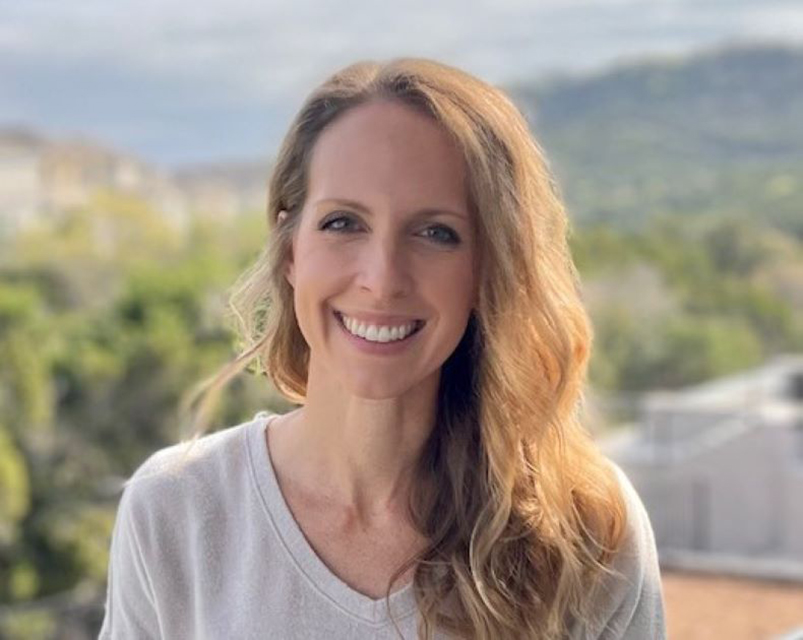
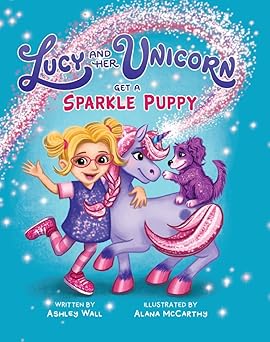
Ashley Wall, M.Ed., is a former educator and a passionate architect of imagination! With a master’s degree in education and a wealth of teaching experience, Ashley has a unique vision: to empower young minds and develop a lifelong love for reading. When she’s not busy crafting fun stories and engaging adventures, you’ll find her diving into creative projects with her two children. Inspired by their vivid imaginations, Ashley launched a diverse group of friends who embark on larger-than-life experiences, captivating the hearts of little readers everywhere.
Fueled by the belief that imagination is a powerful catalyst for change, Ashley knows that the journey begins in infancy. Through captivating tales and boundless creativity, she is dedicated to building a brighter future — one story at a time. Join Ashley on this exciting adventure, where every turn of the page unlocks new worlds waiting to be explored!
The Questions
1. What does literacy mean to you, and how do you actively promote literacy in your everyday life?
Louise Doughty: The ability to read and write is fundamental, and it’s a basic human right. It opens the doors to everything — education of all sorts, job opportunities, housing, healthcare… I’m proud to be a Trustee of the National Literacy Trust, one of the most important charities working in the UK today, promoting literacy in the most deprived areas of the country and currently on a mission to make sure that every single primary school in the country has a library.
Lindsay Kemeny: My first two children learned to read rather easily, so I was surprised when my third child struggled with his early literacy skills. I was doing the same things with him as I did with my other children. I was doing all the things I had been taught in college and in my early years of teaching, but nothing seemed to be working. I felt so embarrassed that I, a teacher, couldn’t help my own son learn to read! When he was in second grade he was diagnosed with dyslexia and depression. His depression centered around his struggles learning to read. I will never forget the day he told me, “I wish I was one of those babies that got left in a hot car.” It took my breath away. I could barely imagine the depths of his pain. I soon learned that my son was not alone. There are so many others who feel the same. Self-esteem is so tightly connected to the ability to read. This started me on my journey toward effective reading instruction. I had to do something! So I began to study, research, and learn all I could. I was shocked and angry when I learned that the most popular ways to teach reading were not aligned with research or how the brain learns to read.
I began to apply my new knowledge not only with my son, but in my classroom as well. My son’s reading abilities steadily improved. As they did, so did his self-esteem. I felt like the broken pieces of his heart were healing. Of course, we did so many things to help his depression, but I found that what helped him the most was the ability to read. A year and a half after his diagnosis, I remember him proudly introducing himself by saying, “I have dyslexia, but I can read 4th-grade books.” He continued to heal, his confidence and joy deepening.
My students’ reading abilities improved tremendously as well! Now I have so much clarity into how to improve the reading abilities of my students. It’s become my mission to share what I’ve learned with other teachers across the country. My book, 7 Mighty Moves, lays out the seven changes I made in my classroom after learning about effective reading instruction. I think every teacher deserves to know this information, and every child deserves a teacher who knows it. My hope is for all children to become proficient readers and writers. Literacy brings opportunity.
Brian Anderson: Literacy, to me, is a passport to countless adventures. It’s the thrill of diving into a new world, learning something new, or simply losing yourself in a good story. I’m not a fan of the stuffy, academic definition of literacy. It’s more than textbooks and term papers. It’s the joy of curling up with a good book, the excitement of a page-turning thriller, or the wonder of a mind-bending sci-fi novel.
I love sharing my passion for reading with others. Whether it’s recommending a book to a friend, volunteering at the library, or giving a presentation to students, I’m always looking for ways to inspire others to pick up a book.
A.M. Dassu: The ability to read, write, speak, and listen to make sense of our world is central to our well-being and success in life. It’s literally one of the reasons I am an author. I wanted, through my books, to bring real, authentic stories that weren’t so often heard to a wider audience, where some might feel seen and other readers might develop a connection to characters that were from entirely different backgrounds to them, but who were so similar in their reactions to their challenges, their worlds felt less distant.
A book can literally be life-changing. I write books in the hope they’ll encourage a more empathetic, kinder society. The connection between empathy and fiction has actually been studied in psychology and shown that reading itself encourages a change in individuals. It’s not that people who are naturally more empathetic lean toward fiction; it’s literally reading that does it, and so now when we see conflict play out on our TV screens and social media, we need people to read books that humanize minorities, show how it feels to feel othered, abused, or displaced. My hope is that by writing books like Boy, Everywhere, Fight Back, and Kicked Out, readers will see another side to a story told in the news: the real price people pay due to conflict or bullying.
I promote literacy by writing accessible, engaging books for all ages between two and eighteen (adults read them too). I do school visits where I meet young readers to inspire and encourage a love of reading and writing, and I show them how life-changing these skills are.
Writing is such a powerful form of communication. It’s a useful tool in all areas of life, not just in stories. You can entertain, inform, and even influence people through writing, so it’s a skill really worth having! I encourage young people to work on it so that one day, they can get the job they want by writing a powerful application, or a post on social media that reaches a huge audience, helping them to build communities of like-minded people, or even writing to politicians to help shape the world! And of course, I tell them the more they read, the better they will become at it, and their writing will improve too!
Ashley Wall: Literacy to me is a person’s ability and confidence level to read and write. I say confidence because we want to encourage and boost children as they are learning to read so that they want to continue to learn to read and write, even when struggles arise. No matter what a child’s skill level is, if they have confidence in their learning, they will continue to improve.
I promote literacy by creating fun picture books children will love to read. When children love to read, they will turn to books more often, which will set them up for academic success when learning to read in school. I also do a lot of school readings where I share the importance of reading, reading strategies, and share about writing stories.
2. From your experience, how have you seen literacy affect individuals and communities?
Louise Doughty: I’ve done some volunteer work in prisons, visiting book groups and talking to both male and female inmates, and what strikes me is how important the ability to communicate is, and how being able to read gives people confidence off the page as well as on. One group was reading my novel Black Water, which is a complex book about political violence in Indonesia and personal morality, the way in which our older selves can carry the deeds of our younger selves inside — we had a fantastic discussion, and the raw intelligence of these men was so open — it was a privilege to be there. In wider society, the connection between low literacy and poor life outcomes is indisputable.
Lindsay Kemeny: I had lunch with a man who didn’t learn to read until he was an adult. He told me that he always had pain in the pit of his stomach. Once he learned how to read, it went away. He said, “Reading takes the pain away.” What a powerful statement! You often don’t realize how wonderful something is until you experience the opposite. Seeing the pain and shame my son felt as he struggled to read completely changed me. There are so many others out there like him! They walk the halls of our schools filled with feelings of inadequacy. Yet, there they are every day… in an environment where they feel like they’re failing, hoping someone can help them. I have such a strong desire to help these kids! Once my son became a proficient reader, he had so much confidence and joy. I want that for all kids! Teaching our kids to read is one of the greatest gifts we can give them. It opens up windows of opportunity for them.
Brian Anderson: I learned early on what literacy can do for a community. My mom taught in Jamaica for eighteen years, and the effect she had on her students always stuck with me.
Today, I’m fortunate to live in a community that values literacy. Our local library and indie bookstore are more than just places to get books; they’re hubs of creativity and connecting with neighbors. Seeing people gather to discuss books, attend author events, or simply lose themselves in a good read fills me with joy. It’s a testament to the power of literacy to bring people together.
A lot of us thought the internet and social media would dissolve those connections. But just walking down my town’s main street tells a dramatically different story.
A.M. Dassu: When I worked in Adult Basic Education, I saw first-hand what low levels of literacy can do to an individual’s self-esteem and to society as a whole. I saw parents getting their children to read letters aloud to them pretending they were too busy cooking, or losing confidence because they couldn’t help their children with homework, or even staying in low-skilled, underpaid jobs because they couldn’t read or write.
We know from the National Literacy Trust’s Read On, Get On campaign that a quarter of all 11-year-olds in England were unable to read when they left primary school, and we now know because of World Book Day that reading for pleasure is the single biggest indicator of a child’s future success, even more so than family circumstances, parents’ educational background or income.
I hope that by writing relatable stories, we can engage readers who may not be keen, or find it too daunting, to take the step and build their confidence to read more, ultimately leading them to reach their potential and live happier, more fulfilled lives.
Ashley Wall: As a former educator, I have seen how students who struggle with literacy have struggles in all subjects. I was a math teacher, and while math deals with numbers, there is still a certain amount of literacy needed to solve math problems. I could have a student who knew the concept itself, but if he/she didn’t understand the question due to a lack of reading ability, he/she would get it wrong.
Literacy starts from infancy. Children should be able to read from a very early age. The earlier children are read to, and when reading is a daily activity, the better prepared they will be to learn to read when the time comes. This sets children up for success in school.
3. We’d love to hear about your involvement in your community! Are you involved in any literacy programs or sponsorships? If so, can you tell us a little about them?
Louise Doughty: When I was growing up in a small town in the East Midlands, the local library was such an important community hub. There was no cinema, no restaurants or cafés — as a young person, there was literally nowhere else to go. I live in central London now, and my local library is every bit as important. Every day you see all age ranges and all sorts of backgrounds using its resources. Reading is the way you access worlds different from your own, the way you can learn to aspire to a better life for yourself and your family. I am sent a lot of books by publishers, and afterward, they all go to the local library — it’s very well-stocked for novels!
In addition, I helped to set up a scholarship program for the University of East Anglia’s MA in Creative Writing. I took that course in the 1980s, and my tutors were Malcolm Bradbury and Angela Carter. It was fundamental to my development as a young writer. I’m also a Trustee for the Malcolm Bradbury Trust, a very small endowment fund that gives grants to students in deprived areas studying writing in their local community colleges — all donations welcome! We’re a tiny organization — we don’t even have any staff — so every penny goes straight to somebody who is trying to improve their life with writing skills.
Lindsay Kemeny: I am currently teaching 1st grade! I absolutely love being in the classroom every day, teaching kids to read and write. I also love providing training for teachers and am grateful I have the opportunity to do both. It’s easy to get pulled in other directions, but I feel the need to stay in the classroom. It’s my happy place! I feel like being a teacher makes me a better presenter and speaker for other educators.
Brian Anderson: I’ve had the opportunity to speak to middle school students about the writing process, to demystify it, and to encourage them to pursue their own creative endeavors. I’ve also participated in library events and book drives.
One of my most recent projects involves creating a free online course for teachers, parents, and librarians. I wanted to make learning fun and accessible, so I’ve used a graphic novel format to teach storytelling techniques. It’s a way to get kids excited about reading and writing, and hopefully inspire a new generation of storytellers.
I also make my ebook comic collections available to literacy programs as free downloads to help encourage reading as a family.
A.M. Dassu: I am a National Literacy Trust Connecting Stories campaign author, aiming to help inspire a love of reading and writing in children and young people. The National Literacy Trust’s research has shown that 383,755 schoolchildren in the UK do not own a book. Not one book to call their own. Yet we know that children and young people who engage with literacy have better mental well-being and are happier. I do events that encourage children from the most deprived areas to read and write for pleasure and see those benefits translate into their classwork, and later throughout their adult lives.
While trying to get published, I also set about working within the industry to bring change to others. I was, for many years, deputy editor of a magazine for children’s writers, ensuring that writers and illustrators from diverse backgrounds were also given the opportunity to contribute. I have mentored writers, helping them to secure agents. I am a director at Inclusive Minds, a unique organization of people who are passionate about inclusion, diversity, equality, and accessibility in children’s literature. I am a patron of The Other Side of Hope, a literary magazine edited by immigrants and refugees, which celebrates the refugee and immigrant communities worldwide. I am also on the World Book Day Strategic Advisory Board where we discuss the direction it will take each year and which books will be selected to be distributed nationally for free to encourage reading.
Ashley Wall: We have a partnership with the Barbara Bush Literacy Foundation to bring books to the hands of children who would not be able to buy books at the store. So many children do not have books in their home. We are excited to help children build their home library and have books of their very own with the foundation.
I also present at schools and read to children to spread the importance of literacy and inspire readers and writers. One of my future goals is to educate parents on the importance of reading so that they read to their children starting in infancy.
4. As an author, how do you feel your book(s) contribute to improving literacy skills in individuals?
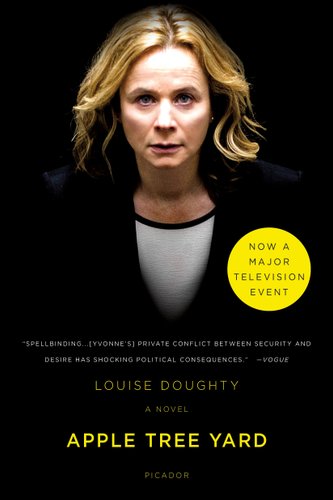
Louise Doughty: I write fiction for adults, and my books aren’t aimed at new learners as such, but I’m a big believer in the power of storytelling and its ability to pull a reader in. My bestselling novel so far is Apple Tree Yard, my seventh book, which was made into a television series starring Emily Watson. That’s a female narrative — it’s about a top woman scientist whose life spins out of control after she has an affair — but it’s been startling the number of men who have told me how much they enjoyed reading from a female point of view. Great storytelling transcends gender, race, class — a really well-written book is for everyone. And having two of my books adapted for television has been another way of engaging a whole audience who might, with any luck, then go to the words on the page.
Lindsay Kemeny: I’ve had so many teachers across the country reach out to me to let me know about the positive impact my book is having in their classrooms. It’s hard to put how amazing that feels into words! I was so nervous to see my book out in the world. It is scary to pour your heart and soul into writing a book and then open yourself up to criticism! The positive feedback has been so reassuring and helps me to keep going. To have so many beautiful words of affirmation means the world to me. I’m incredibly grateful I’ve been able to help so many teachers, and I hope to continue to do so.
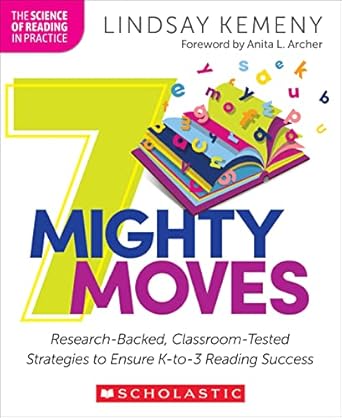
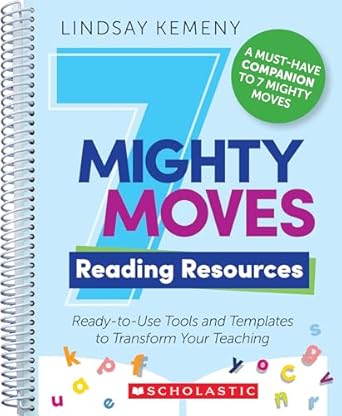
In my book, 7 Mighty Moves, I share the seven moves I made in my classroom to ensure reading success for all my students. These are seven ways teachers can modify what they are currently doing to transform their reading instruction. Each “mighty move” focuses on a critical area of foundational reading, from the most efficient ways to teach phonemic awareness and phonics to how to boost comprehension.
My second book, 7 Mighty Moves Reading Resources, is a companion resource to the first book and is packed with tools and templates to help teachers as they implement the seven moves. This book will be released in early 2025, and I can’t wait for teachers to see what I’ve been working on! I hope they find it as valuable as the first book.
Brian Anderson: Comics can be a fantastic gateway to reading, especially for reluctant readers. My latest books started as newspaper comics, so they’re accessible to both kids and adults. Sharing a story with family members can foster a love of reading and strengthen family bonds. Plus, comics can help improve visual literacy and comprehension skills.
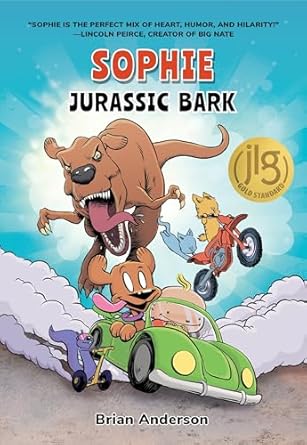
The Sophie graphic novels are based on my real-life rescue and foster animals, which means I have a deep, personal connection with their fictional characters. That connection comes through in the pages, which keeps the readers wanting more stories and, hopefully, seeking that kind of connection with characters in other books. I hope it also inspires readers to learn more about shelter and rescue animals.
A.M. Dassu: It’s incredible to see how children and adults engage with my books. I’ve had children, who reluctantly read, pick them up. Teachers and adults have told me they were shocked to see stereotypes challenged in such an accessible, familiar way. Children who are very fussy readers have gone to bed late and are unable to put my books down — some have read them while brushing their teeth! And that is the best thing to hear, honestly!
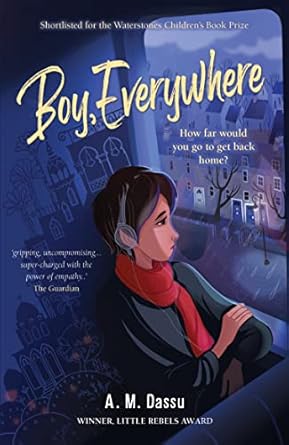
Authors, librarians, and teachers have donated copies to school libraries. My books have become a curriculum text in some schools across the country. The intention was always for these books to encourage discussions, enlighten, empower, and change perceptions, and I can’t express how amazing it is to see them doing that.
My favorite stories are when my books make young people feel seen; from teenagers telling me they hated reading until they read Fight Back and felt empowered by Aaliyah to be proud of who they are, or when a teenage boy told me how much Boy, Everywhere had helped him when he had to move to the Netherlands and how he resonated with how Sami, who was a refugee, felt when he was forced to leave his home and friends. Or when a young boy felt compelled to come together with his friends to help others because of Kicked Out. Or when the signing queue in schools is full of young boys who don’t usually like reading because they see themselves on the cover of Boot It. The best thing is being told my books get reluctant readers reading and wanting to read other books!
Ashley Wall: Developing a love for reading to build literacy is one of my foundations as an author. When I set out to create children’s books, I wanted to make the books fun and full of imagination, so that children would be excited while reading. I want children to love reading and turn to books as a favorite activity. The more children read, the more their literacy develops, which will set the stage for language development, reading abilities, comprehension, creativity, imagination, and so much more.
5. What’s one effective way for someone to improve their literacy skills, regardless of their age?
Louise Doughty: Read for pleasure. It doesn’t matter what it is — if you read the back of the cereal packet, you’re still improving your language skills. And invent stories, just for fun, even if it’s only in your own head. Conjuring a whole world into existence is great fun, even if it is never published and no one else ever reads it. The television world has been good to me — they also adapted my ninth novel, Platform Seven, which is about coercive control, and my most recent book, A Bird in Winter, is in development — but quite apart from that, I’m very happy that television series keep people’s interest in long-form narrative going; it’s all storytelling after all.
Lindsay Kemeny: Let me first answer this question for parents concerned about developing their children’s literacy skills and then for adults who may struggle themselves.
First, engage your child in lots of conversation from the time they are a baby… oral language is the foundation of literacy. Second, read aloud to your child. The language, vocabulary, and themes found in children’s literature are more advanced than those we use in everyday conversations. It’s important for children to be exposed to this rich language. Third, have your child read aloud to you. It’s so important for them to practice those reading skills with someone who can give them feedback — either affirmative or corrective — right away.
If you are an adult who struggles to read, consider reaching out to a tutor who can help break down the code for you. It’s possible you were never taught to read in an effective way. This is not your fault, and it does not mean you aren’t intelligent! It’s never too late to learn how to read. In addition, listening to audiobooks is a wonderful way to access all the magnificent books out there.
Brian Anderson: One of the best ways to improve your literacy skills is to step outside your comfort zone. Don’t just stick to your favorite genres. Challenge yourself by picking up a book you wouldn’t normally read. Maybe it’s a historical fiction novel, a mind-bending sci-fi thriller, or a thought-provoking work of nonfiction or biography.
By expanding your reading horizons, you’ll not only improve your vocabulary and comprehension skills, but you’ll also discover new perspectives. It’s a journey of self-discovery, and it all starts with a single book.
A.M. Dassu: Read, read, and read. Even if it’s subtitles on the TV screen before you can manage a whole book, it’s still reading! Find what is relevant to you that you can connect with. Magazines, newspapers, social media posts, it’s all reading! Your vocabulary will grow, you’ll realize what you like, what writing style you prefer, and this, in turn, will develop and influence how you write, and perhaps what you write about.
In my workshops, I tell my audience to look at reading like they do food — you won’t like everything, but you have to try a few things to find the food you like. Books are just like that!
Ashley Wall: By reading. The more you read, the more words you are exposed to, which will develop reading comprehension, vocabulary, sentence structure, and more. Start out with books you are able to read and gradually increase the difficulty to challenge yourself enough to improve while also enjoying the learning process. If graphic novels or books with pictures help you or your child read better, then go for those books. Don’t compare yourself to what others are reading. Read what you enjoy at the level in which you can succeed.
Bonus Questions
6. Inspiration is everywhere! What author(s) inspires you the most to write?
Louise Doughty: I’ve just been a judge for the Debut Novel category of the Nero Book Awards, and I can’t name names yet, but there are so many fresh, new talents emerging on the UK literary scene. I’m a huge fan of the work of Hilary Mantel, Toni Morrison, Margaret Atwood, and Elif Shafak — an inspiration not just for her fiction but for her intellect. I’ve been reading a lot of memoirs recently and have really enjoyed Consumed by Arifa Akbar, Without Warning & Only Sometimes by Kit de Waal, and A Flat Place by Noreen Masud.
Lindsay Kemeny: My son was the inspiration for my first book. He ignited my journey into effective reading instruction for all students. I’ll be forever grateful for him. In addition to him, teachers around the country, as well as my own students, inspire me to keep writing and sharing the things I learn.
Brian Anderson: Oh boy, this could take a while. I could talk about this for hours. But if I had to narrow it down, I’d say Clive Barker and Shirley Jackson are huge inspirations. Their short stories are pure magic. Every time I revisit their work, I’m amazed by their creativity and skill. Whether it’s their character development or their unique storytelling techniques, they always leave me inspired to push my own writing to new heights.
Every time I revisit their work, I learn something new. It can be the way they develop a character or as small as how they structure sentences. Marveling at their talent fires me up to keep improving at the craft and push myself harder on the next book.
A.M. Dassu: I adore Malorie Blackman. When I grow up, I’d like to be her! ☺ She has so much range and has written across so many genres. Let’s not even talk about the fact that she’s featured in a Stormzy video too!
Ashley Wall: While writing children’s books, so many wonderful authors have inspired me. James Dean and Kimberly Dean as well as Anna Dewdney really motivated and inspired me when reading their stories to my children. While reading their books, I kept thinking I wanted to also write children’s stories. I hope one day my books can do the same for others.
7. Growing up, we all had a favorite book! What was your favorite book to read as a child? Does this book still resonate with you today?
Louise Doughty: I was obsessed with science fiction and fantasy when I was growing up, such as the Tales from Narnia by CS Lewis and the Wizard of Earthsea books by Ursula Le Guin. Mind you, I was growing up in a small town in the East Midlands, so it’s easy to understand why I was in love with the idea of being whisked off to a magical world…
Lindsay Kemeny: I absolutely loved when my dad would read me The Little House and also Mike Mulligan and His Steam Shovel. I loved listening to him while looking at the pictures as the story unfolded. I can still hear his voice when I see these books today.
Brian Anderson: As a kid, I adored books like The Hobbit and I Robot. However, only one became a lifelong obsession: Alice in Wonderland. So much so that in my last book, Sophie goes on an adventure in her own canine and cat version of Wonderland.
Alice is a whimsical, mind-bending adventure that tosses logic, reason, and story structure out of the rabbit hole. It liberates the imagination and, at the same time, captures the anxiety and absurdity of growing up.
A.M. Dassu: Whenever I’m asked what my favorite book was as a child, I can only ever remember the picture book Where’s Spot?. I really loved it and read it till I was way too old for it! I even had a Spot the dog soft toy!
Then as I got older, I loved Funny Bones. Then there’s a huge gap where I can’t recall any books I read until I got to secondary school. My favorites include Brave New World and Roll of Thunder Hear My Cry, which showed me how voice can be so powerful and how stories that highlight injustice can be life-changing. They opened my eyes as a teen and stayed with me for a long time afterward. They made me look at things differently and made me question society and the choices we make. And in some ways, my books do that, too.
Ashley Wall: I read a lot of Babysitter Club books as a child. I actually just saw the new series at the book fair with my daughter. It was exciting to see a series I enjoyed as a kid still engaging readers today.
Huge thanks to Louise, Lindsay, Brian, A. M., and Ashley for sharing their superb insights and answers. Literacy is vital to society, and we hope that they, and many others, will continue to work toward advocating for better literacy around the world.
Find Louise Doughty here.
Find Lindsay Kemeny here.
Find Brian Anderson here.
Find A. M. Dassu here.
Find Ashley Wall here.
For another engaging 5×5 roundtable discussion, click here.
Click here to browse our Mini Bookworms bookshelf.
