




In this edition of the 5×5 series, we’re talking to children’s authors who are professional doctors and therapists. While working in healthcare, these five authors have found ways to use their medical backgrounds and experiences to create unique children’s books that help young readers and their caregivers. Be it emotional regulation, self-affirmation, language and brain development, sensory play, or even reproductive health rights, these medical professionals are working to channel their expertise into helping the next generation grow.
The Authors
Jackie Anderson
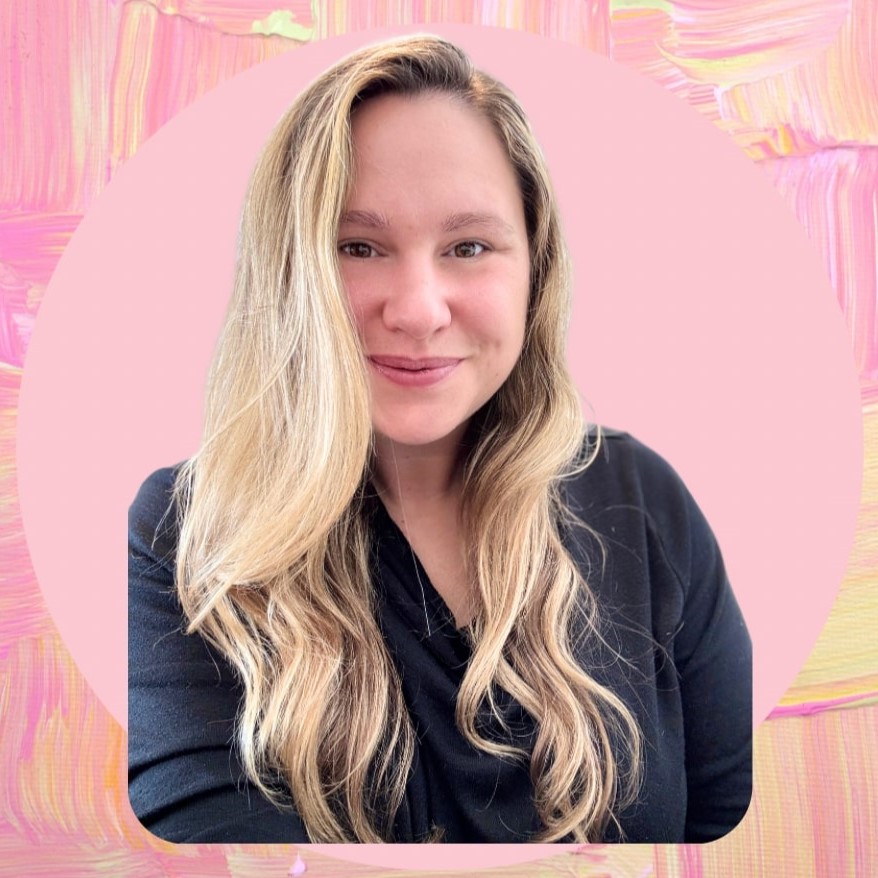
Jackie Anderson is a pediatric speech-language pathologist, mom of three, and author who combines her extensive clinical and teaching experience to create children’s books that support language and early development. Passionate about empowering families, her books offer fun, bonding moments that also serve as valuable learning tools for young readers and their grownups.
Lauren Brukner
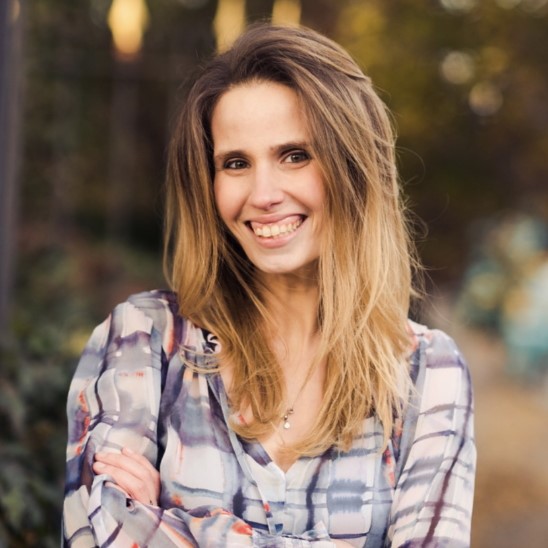
Lauren Brukner is a Senior Occupational Therapist and published author of seven books with Jessica Kingsley Publishers. She currently works as a Senior Occupational Therapist and evaluator for the NYC Department of Education. She has contributed to Scary Mommy, The Huffington Post, and Edutopia. Her books have been endorsed by experts in the field, such as Dr. Temple Grandin, Dr. Lucy Jane Miller, and Dr. Winnie Dunn, and listed as resources on websites such as Real Simple Magazine, Inc. Magazine, Psych Central, Romper, Everyday Health, AOL’s Health and Wellness, MSN Health, Singapore’s Child, and Friendship Circle.
Dr. John Hutton
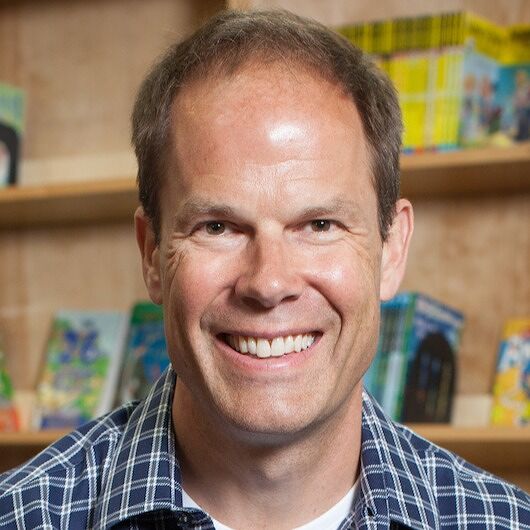
Dr. John S. Hutton is an author whose work is inspired by experiences as a parent (three daughters and one grandson), pediatrician, researcher, and children’s bookstore owner (Blue Manatee, 2001-2019). He is among the world’s leading experts in quantifying relationships between home reading and digital media (“screen time”) environments on brain structure and function in preschool-age children using MRI, featured extensively in academic and news outlets. He is also an innovator in developing and testing children’s books for parenting and child health promotion, including safe sleep, breastfeeding, infant crying/calming, reading with babies (SHARE/STEP method), dialogic reading (DR Books), alternatives to digital media (Baby Unplugged) and how the heart and brain work. Altogether, he has published over 50 academic articles and over 50 children’s books. “Dr. John” lives with his wife Shelley near a lake in Dallas with intermittent welcome visits from children, pets, and critters.
Prasha Sooful
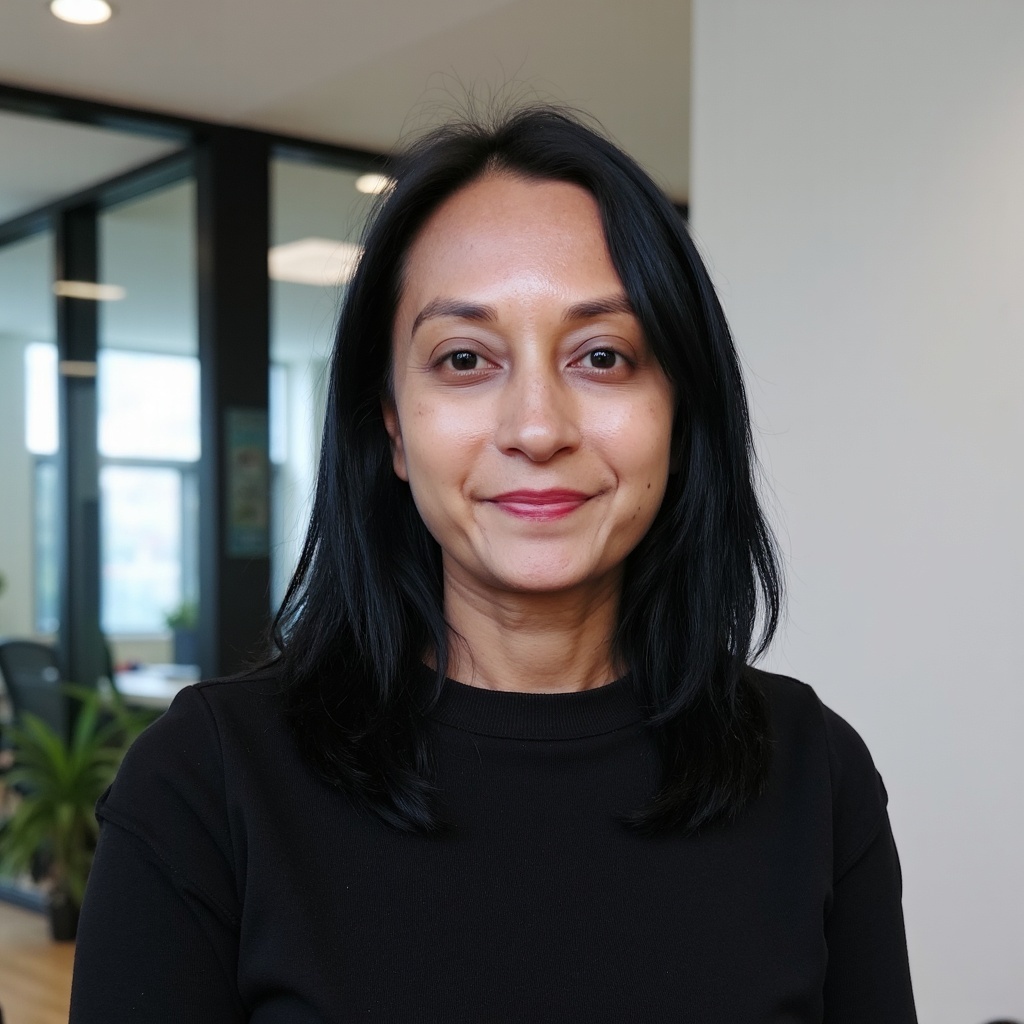
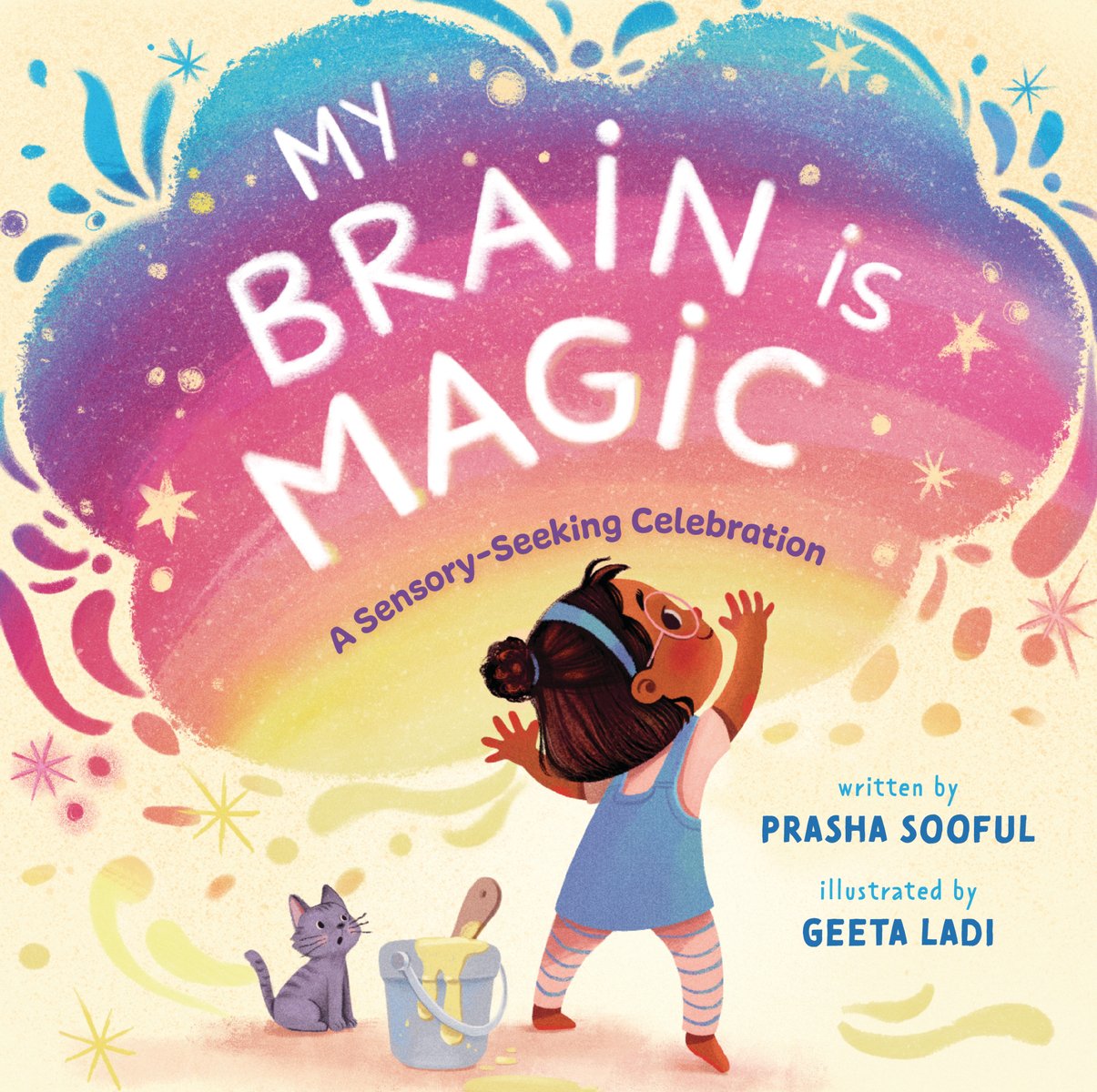
Prasha is a mom, author, audiologist, and educator with a unique blend of expertise in communication pathology and global learning. She holds a master’s degree in Communication Pathology (Audiology) and a master’s in Education (Global Learning), which shape both her professional work and her writing. Her debut picture book, My Brain is Magic: A Sensory-Seeking Celebration (Soaring Kite Books, April 2023), won acclaim for its authentic and positive portrayal of sensory processing disorder. Her follow-up board book, Counting to Calm (Soaring Kite Books), introduces young readers to the essential concepts of self-regulation. A recipient of the Varuna ArtsNT Writing Fellowship in 2022, Prasha is an active member of the NT Writers’ Centre and continues to explore the intersection of science, education, and storytelling in her work. She lives in the Northern Territory of Australia with her husband, daughter, and their laid-back German Shepherd, Rocky, where she draws inspiration from the natural world and her experiences as a mother and professional.
Seema Yasmin

Seema Yasmin is a medical doctor, stand-up comedian, Stanford University professor, a former CDC disease detective, and the author of eight books, including her debut novel, Unbecoming. Unbecoming is the story of two teenage best friends, Laylah and Noor, who have to navigate their friendship, families, and faith as they fight to get Laylah an abortion in a near-distant America that has criminalized all abortions. Seema trained in medicine at the University of Cambridge and in journalism at the University of Toronto. She lives in Las Vegas, where she is working on a novel and a play about climate change and djinn.
The Interview
1. What ignited your desire to create stories for young minds?
Jackie: My first book, All The Things You Are (And What They Mean), was born from a moment I’ll never forget. One day, as I watched my toddler proudly making adorable art, I told her, “You are so talented!” She stopped, looked at me with wide eyes, and, to my surprise, shouted, “I am NOT TALENTED!” I quickly realized she didn’t understand the affirmation words I used with her every day. I wanted to create a way for kids to grasp these empowering words on their own terms in a developmentally appropriate way. With over a decade of experience as a pediatric speech-language pathologist, I know how impactful the right words and stories can be in nurturing language and cognitive skills. I’ve always used books in my therapy sessions, and I felt inspired to blend my clinical knowledge with my love for storytelling to create engaging books that not only entertain but also support early development. My goal is to create beautiful, meaningful books that become part of the special moments shared between children and their families, helping young readers celebrate all that makes them unique.

Lauren: I have always loved reading! Some of my happiest memories as a child were the excitement of going over to my bookshelf and choosing a pile of books to dive into (a habit I keep to this day and that all three of my kids have inherited!).
As I got older, I discovered a passion for writing as well and became the editor-in-chief of the school newspaper and the literary magazine. My grandfather would often tell me that I could be an author when I grew up. His words stayed with me as I got my degree in occupational therapy and began to practice in the school system in New York City as a pediatric therapist, focusing on ways to help children feel calm in their bodies and minds. As I practiced over the years, I found myself developing an unofficial self-regulation program that I found was really helping the students I worked with stay focused and calm. I found myself thinking: “If this program is helping the students at this school, this could help so many other children as well if only it had a larger reach.”
Fueled by my grandfather’s words of encouragement and my desire to help more children feel in control of challenging physical and emotional feelings, I pitched what was to be the first of seven books in the Awesome and In Control book series, The Kids’ Guide to Staying Awesome and in Control which was accepted by Jessica Kingsley Publishers. This book was created as a blueprint and guide for children to be able to understand and label challenging feelings from a physical and emotional state and choose linked research-backed tools and exercises to be able to take control over those related feelings and self-regulate effectively. This book, as well as the other six books in the Awesome and In Control book series, are now translated into Korean, Chinese, Turkish, and soon to be Polish. My therapist heart is so happy to be helping children around the world.
Dr. John: My mom was a writer and my dad was a doctor. I suppose that I am channeling them both. I have always loved to write and initially wanted to be a novelist, inspired by edgy authors such as Tom Robbins and Kurt Vonnegut. After my pediatric internship in 2000, I took what I thought was going to be a year off to help raise our daughter and write, which serendipitously, led to a “Going Out of Business” sale at a beloved, local independent children’s bookstore. A heartfelt conversation with Miss Katie the Storytime Lady led to a contract signed in green crayon, and what evolved into almost 20 years at the helm of Blue Manatee (a play on “humanity”). I returned to pediatrics seven years later than planned (had to start residency over, alas), with profound insights into disparities between reading “haves,” who shop in children’s bookstores, and “have nots” (a majority of my clinic patient population), who often have no books at all.
I was also increasingly alarmed by the dizzying rise of “screen time” at ever-younger ages and its potential to displace nurturing activities such as reading and creative play. Together, these topics inspired my clinical, advocacy, and later, research foci. A pediatric residency advocacy/research project in 2011 resulted in the publication of the first three books in my Baby Unplugged series (Blanket, Yard, Pets), which celebrate alternatives to screen time. Soon thereafter, a pediatric colleague who had lost his son to SIDS approached me about creating a book for his foundation, resulting in Sleep Baby, Safe and Snug (recently updated to Bedtime Baby, Safe and Sound), which has been distributed to over 7 million families to-date, including statewide public health campaigns. At this point, I gradually became known for creating these kinds of books, and a network of collaborators grew, inspiring a line of books providing parenting and health information in stealthy, fun, and empowering ways.
This has cross-pollinated with my research, where several of these book-based approaches have been found to be superior to usual printed materials in published studies. Other examples are breastfeeding, infant calming/crying, reading to infants (SHARE/STEP method, which we developed), and how the heart and brain work. Peppered in are non-health “fun” books, such as Sleepy Solar System, Peekaboo Planet, and Zzzookeeper, though these have STEM themes. For all of these books, I brought and continue to apply my “bookstore sensibilities,” where the text, illustrations, and production must meet a standard where even if given the book for free at a clinic or via a program, parents would purchase the book themselves and want to read it to their child many times.
Prasha: I’ve always been an avid reader — books were my escape and my guide growing up. Writing felt like the next natural step, and it’s been a dream of mine alongside my health career. Combining my passion for storytelling with my clinical expertise allowed me to create something that’s both meaningful and impactful. I wanted to write books that resonate with young readers, especially those who might not always see themselves represented in the mainstream. I have a neurodiverse daughter, and one of my motivations was to create stories where children like her could see themselves reflected on the pages in a positive and affirming way.
Seema: I have vivid memories of the books I read as a kid! Some of them haunt me because they were spooky. Others showed me different ways to be or what life was like for a queer girl in San Francisco. Books opened up the world, sparked my imagination, and made me dream of things I could be and the places I could live. I wish I remembered the names of some of the books I read as a kid, as I’d love to reread them. As a writer, it’s a joy and a privilege to write characters and conjure stories that my readers can relate to and be challenged by. I hope my books linger on the brain as so many of the books I read as a young person still linger in mine.
2. Can you share how your personal experiences as a medical professional have inspired the characters and themes in your books?
Jackie: My background as a pediatric speech-language pathologist has offered me the opportunity to meet families from all walks of life, each with their unique ways of communicating and moving through the world. I wanted my books to reflect the beautiful variety of abilities, cultures, and experiences I see daily in my practice. It’s crucial for children to feel that they belong and to see others like them in the books they enjoy. Inclusive representation fosters empathy, understanding, and a sense of pride for each child’s unique qualities. My goal is to create stories that celebrate diversity in all its forms — stories that feel relatable and empowering. By including characters who use Alternative Augmentative Communication devices (AAC), live with Down syndrome, use a wheelchair, and represent a variety of races and cultures, I hope to inspire kids to embrace themselves and others with kindness and openness.
Lauren: The children I evaluate and work with — combined with my personal experience as a mom — inspire me to learn the best ways to hone in on best practices and to really understand real challenges in the school and home settings from a sensory and self-regulation perspective, to be honest. When I created my three interactive read-aloud books (The Mindful Magician and the Trip to Feelings Town, How the Be a Superhero Called Self-Control, and Self-Control to the Rescue), these characters delve into situations where children are really experiencing challenges within the home and school settings.
When evaluating and working with children clinically within the natural context of the academic setting for over 15 years, I see and hear times of the day when they experience the most dysregulation from an emotional and physical perspective. As a mom, I see and hear from other moms similar times relative to the home setting. Those situations are the inspiration behind the characters and themes within my books, allowing for them to be relatable from a regulation perspective. Taking those times of life allows for children everywhere — no matter what part of the world — to relate to these situations and to each other, and have the tools to be able to cope with overwhelming feelings across a range of contexts.

Dr. John: As noted, witnessing major, persistent disparities between families shopping at Blue Manatee and many served at primary care clinics where I work has been a major catalyst to do my best to make a positive impact. Thus, Blue Manatee Press has always strived to be “A Press with Purpose.” Major themes are empowerment, nurturing, and making reading fun, rather than akin to chores and test preparation. A unique aspect of my research involves using Magnetic Resonance Imaging (MRI) to show how reading and screen time affect brain structure and function during early childhood. Two vital takeaways are that interactive reading, where the child actively participates, is especially beneficial, and screen time may interfere with nurturing activities and subsequent brain development. These facts are the basis for my DR Books (Dialogic Reading, e.g., Dogs!, Cows!) and Baby Unplugged book series.
Another research-based example involves reading with babies. The American Academy of Pediatrics recommends reading beginning as soon as possible after birth. This comes naturally to many parents, and I embraced this practice and role with my daughters. However, for many families, especially those from disadvantaged backgrounds and/or cultures where reading at this age is not typically done, this may seem daunting. Babies famously chew books, throw them on the floor, fall asleep, cry — it’s messy at this age!
Thus, there is a real concern that encouraging reading with babies can fuel unintended consequences where parent(s) interpret this as the child not being interested, that they are not good readers, and/or that screen-based media is a better teacher than they are. It’s vital to manage expectations — reading can be messy, just show up and do your best to create your own routines — which was the inspiration for the SHARE/STEP approach, which I developed around 2018. SHARE stands for Snuggle, let the baby Hold the book, show Affection, Respond, Enjoy, and STEP represents ways to Respond: Stretch words, Talk about pictures, Explore word sounds, be Patient. To model this, I wrote SHARE This Book (Spanish, COMPARTIR Este Libro), a stealthy “user’s manual.”
Another medical inspiration has involved collaboration with pediatric specialists. A good friend and cardiologist, Dr. Ryan Moore, created a lovable character, Hank the Heart, to help explain to families how the heart works, what happens with various heart conditions, how doctors treat them, and how kids can keep their hearts healthy. This has been very popular, especially with families whose children have congenital heart differences (there are millions worldwide). We followed this with Billie the Brain last year and plan others in an expanding, character-based organ system universe.
Prasha: As an allied health professional, and particularly as someone who has worked extensively with children in pediatrics, I’ve seen firsthand how important it is to have stories that reflect diverse experiences. My background has influenced the creation of characters and themes that are increasingly being recognized in society, like neurodiversity and varying sensory needs. I want to break down barriers and help normalize conversations around these topics. When children and parents see themselves in the characters, it opens spaces for dialogue and understanding, making it easier to talk about complex subjects in a way that feels inclusive and empowering. I wanted to take my clinical knowledge and concepts in these areas and present them in a way that’s simple and accessible for those without a healthcare background to understand.
Seema: Being a doctor means you meet people at the most vulnerable times in their lives. You learn so many secrets and stories and you watch people unravel in front of their friends and families. Working as a doctor helped me realize that my family wasn’t the only weird family out there! And it revealed that many people have a carefully crafted exterior that shatters when illness hits. That unraveling and exposing of secrets has inspired my characters who are layered and imperfect in their own ways. More directly, I incorporate medical themes such as abortion and mental illness into my stories.
3. What do you hope young readers and their caregivers take away from the characters and stories you create?
Jackie: I hope that young readers and their grown-ups take away a sense of empowerment and connection from the stories I create. In my first book, we break down affirmation words into child-friendly language; I want children to feel celebrated and to start building a positive self-image, knowing that qualities like kindness, strength, and curiosity are part of what makes them special. I also want them to understand these words, so they can celebrate themselves to the fullest! Each character and story is crafted not only to be engaging but also to support language development using research-based strategies in a way that feels fun and natural.
The parent training pages in my books are there to empower caregivers with practical tools for supporting their child’s language, cognitive, and play skills. I want parents to feel confident in modeling language, asking open-ended questions, and creating a language-rich environment at home. I’ve seen firsthand in my practice how impactful these strategies can be. My hope is that, through these stories, families will not only have enjoyable reading experiences but also deepen their understanding of how to nurture language and social-emotional skills in everyday moments. It’s about helping caregivers feel they have the tools to make these small yet powerful connections with their children.
Lauren: Firstly, I hope that my readers realize that they are not alone! So many kids (and adults!) experience strong physical and emotional feelings during similar situations, and I hope to give them helpful strategies and tools to make these physical and emotional feelings more manageable. I also hope my readers understand that strong feelings are always ok to feel; it’s normal to experience strong feelings, and my wish is that the tools and support provided in my books allow for them to be able to feel “just right,” so that they can move on with their day and do what they need to do.
I also want to give my readers a sense of control. I always tell the children that I work with that we cannot always change our situation, and we cannot change other people, but we can change our reactions and our feelings, and that is a powerful thought! We can change our reactions through the utilization of the strategies provided through the stories. The strategies in the Awesome and In Control program utilize child-directed choice and imagination, which are powerful tools within the self-regulation process. When children are provided with choice and control over challenging feelings, this allows for the self-regulation process to be further optimized.
Dr. John: First and foremost, I hope that my books are fun to read, over and over, and serve as empowering catalysts for parents and other caregivers to spend nurturing time with their children. In my opinion, this is the supreme power of books — real books with no digital “enhancements” — which screens will never match. As your readers know, reading together fuels bonding, imagination, skills, and enthusiastic, joyful attitudes toward reading. The Love Baby Healthy series (e.g., Read Baby, Every Day, Bedtime Baby, Safe and Sound) is aspirational in that way, intended for parents of infants, providing evidence-based information on a range of important topics. Each is written from a baby’s perspective with a sweet, grateful tone, asking and thanking parents and other caregivers for keeping them safe, loved, and healthy.
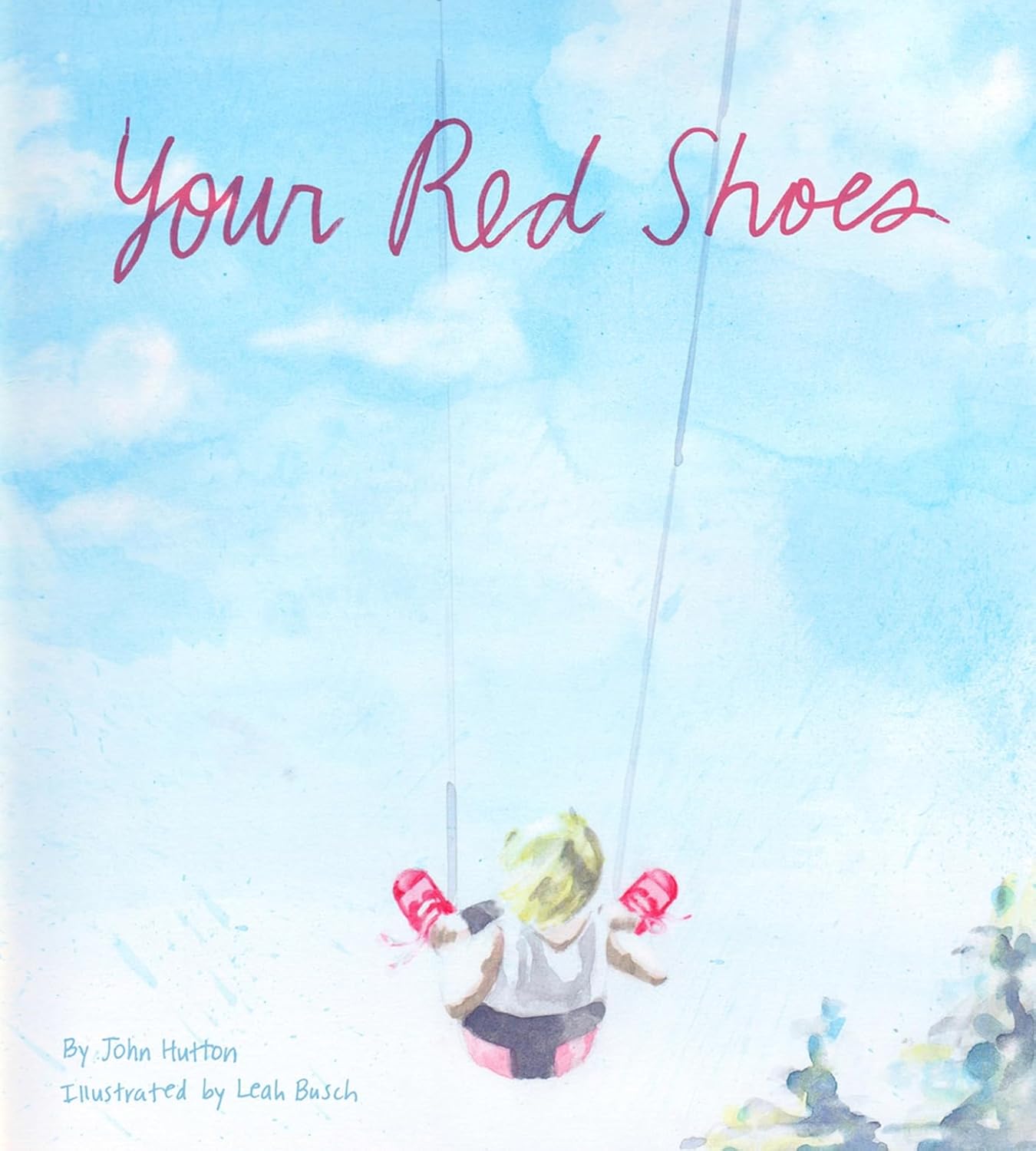
The DR Books series (5 so far) encourages “fun” reading also, written to encourage joyful interaction, with lively illustrations ranging from bugs to cats to vehicles and lots of questions. My first picture book, Your Red Shoes, is a heartfelt tribute to my daughters and the incomparable, fleeting time spent together in their early childhoods — walking, park, play, dancing — measured by them outgrowing their first pair of sneakers (so soon?). For Hank the Heart, Billie the Brain, and others to come, I hope to make scientific concepts fun and accessible at young ages and for various literacy levels, while providing enough scientifically accurate detail to satisfy even budding cardiologists and neurologists.
Prasha: I hope that readers, young and old, understand that all brains are wonderful and unique. We all process the world differently, and that’s something to be celebrated. Through my stories, I want to show that neurodiversity is not just okay, it’s beautiful. I want readers to see that everyone has different sensory needs and experiences, and that’s part of what makes each of us special. Ultimately, I hope my books encourage empathy, acceptance, and a deeper appreciation for how diverse the human experience truly is.
Seema: I hope my queer, brown, and Muslim readers see parts of themselves reflected in the characters and their stories, and that others are offered some insights into the lives of people not like them. And I hope when I’m writing about topics such as abortion in Unbecoming, it’s apparent that these are issues that affect us all, even if we think we’re not directly affected. The interesting thing about Unbecoming is that while it might be described by some as an “abortion novel,” it’s really a story about friendship and perfectionism. Laylah has to face her imperfections and learn to ask for help when she realizes that there are some things in life that we can’t do alone. We really do need our friends.
4. Can you share insights into your collaboration with illustrators and the considerations that go into ensuring a cohesive vision between the text and visual elements of your projects?
Jackie: Collaboration with illustrators is such a vital part of bringing my books to life, and working with Hanna Stoliar on All The Things You Are was an incredible experience. She was not only talented but also flexible and collaborative, taking all of my notes and ideas to heart. From the start, she understood the vision and worked closely with me to ensure every illustration supported the text while creating an inviting and inclusive visual world. Some aspects required more input due to my clinical background, particularly in areas like accurately depicting an AAC device. This was an important detail to get right for authenticity and representation, and Hanna was wonderfully receptive, taking my guidance and creating an illustration that felt true to the real experience of AAC users.
One of the most meaningful parts of our collaboration was the inclusion of my late nephew, Paul, who passed away in January 2023 from Hypoplastic Left Heart Syndrome. Hanna worked with me to feature him as the character on our “Brave” page, adding thoughtful details like his initials, a family picture on the wall, and his favorite husky toy. These small, heartfelt touches were incredibly special to our family, and I’m deeply grateful to Hanna for making that vision a reality so beautifully. Working with someone who values these meaningful elements as much as I do made this project truly special and helped create a book that feels authentic, inclusive, and filled with love.
Lauren: When I create the draft manuscript for my books, I go into a lot of detail for each image with details of what I would like each image to look like. The illustrator and I go back and forth with any questions for tweaks to the images for characters, details for movements, tools, etc.
Dr. John: During my writerly career, I have had the privilege to work with many incredible, kind, and talented artists/illustrators, working in a range of media, ranging from watercolor to boldly graphic. Each has brought a distinct feel to the respective work, some requiring a dreamier tone and others more rollicking. For some projects, including the first Baby Unplugged (Andrea Kang) and Love Baby Healthy (Leah Busch), I contacted the artist directly. Leah is a dear, old friend from Cincinnati whose work I had long admired. Several artists worked as booksellers at Blue Manatee bookstore, notably Leah and Sarah Jones (Baby Unplugged), who took over for Miss Katie as our “Storytime Lady.”
Others were selected after a “call to artists,” such as Candice Hartsough (Peekaboo Planet), Gabriella Vagnoli (Billie the Brain) and Christina Brown (SHARE This Book, others). Notable among them is Doug Cenko (DR Books, Sleepy Solar System, others), who has since gone on to write and illustrate books with major publishing houses. I am honored to have worked with him on his first children’s books! For the “Fiona” books (Fiona’s Feelings & Fiona’s Friends), I collaborated with friends at the Cincinnati Zoo (I had gotten to know them via bookstore events), who kindly shared a trove of photographs that they had taken of the world’s most lovable, emotive hippopotamus during her rise to stardom.
For each project, we first discussed the illustrator’s “feel” for the text, followed by sample images to ensure a good fit. Once agreed, we then worked (and continue to work) very closely, with ample dialogue as the project took shape. We would also often seek input from trusted content experts, booksellers, librarians, etc. This intimate, streamlined, resonant relationship is an advantage of publishing via a small press, in my opinion. I can’t say enough good things about each of these talented people!
Prasha: Working with both of my illustrators has been one of the most fulfilling parts of the creative process. My illustrators for both books were incredibly talented, and we shared a common vision from the very beginning. They were able to infuse the text with energy and emotion through their artwork, which is so vital in children’s literature. One of the key things we focused on was ensuring that the illustrations not only complemented the text but also enhanced the subtext and emotional tone of the story. For example, when discussing sensory processing or the experience of neurodiverse characters, the visual elements help to convey these moments in ways that words alone cannot. It’s a true partnership, and I love how the artwork brings the stories to life in ways that feel both authentic and engaging for young readers.
Seema: I love working with illustrators! It’s a back-and-forth process of sharing notes and sketches, and I’ve learned a lot from the artists I’ve worked with.
5. Childhood reads have such a tremendous impact on us as adults. What is one memorable book from your childhood that you still think about today?
Jackie: One book that left a lasting impact on me is Madeline by Ludwig Bemelmans. As a child, I was captivated by Madeline’s courage and adventurous spirit, especially in the face of challenges. She was fearless, outspoken, and embraced life fully, even if it meant standing out from the crowd. The charm of the illustrations and the rhyming text made her world feel alive, and I loved how the story celebrated her individuality.
As an adult, I strive to embody these qualities in my own life and to pass them on to my three daughters. I want them to feel confident in their uniqueness, embrace challenges with resilience, and know that bravery and authenticity are traits to be celebrated. These themes influence my work as an author and inspire me to create books that empower young readers to feel proud of who they are. Madeline will always have a special place in my heart for showing me the importance of these values, both in my personal life and in the stories I create.
Lauren: Even though my children are teenagers, I cannot part with a section of picture books from their childhood, and they sit in the living room still. I have three books there from my childhood that I remember reading to them as young children, and they hold a special place in my heart: The Poky Little Puppy, Eloise, and Blueberries for Sal.
Dr. John: That’s a tough one. Despite the roars of Where the Wild Things Are and the eccentric entreaty of Christina Katerina and the Box, I’ll shine a spotlight on Harold and the Purple Crayon. I vividly recall reading this diminutive book over and over in the library at Cassidy Elementary in Lexington, KY, likely around 2nd grade. This was back when elementary schools had libraries and “Library” was an hour of the school day. Being somewhat of a troublemaker, I think part of the appeal was rooted in admiration: Harold could somehow draw on walls, furniture, etc., and not get in trouble!
Perhaps larger, though, was the scope of Harold’s imagination, creating creatures, modes of escape, landscapes, galaxies, and more with a simple crayon. This resonates with me today as I work to hopefully inspire parents and their children to resist the allure of technology (a dull gray crayon masquerading as a box of 64), dream, explore, and channel their own, limitless imaginations, reinforcing attitudes and brain pathways that will serve them for a lifetime.
Prasha: One book that has always stayed with me is The Oak by Geoffrey Patterson, a British author-illustrator. It tells the story of an oak tree over 500 years old, capturing the changes it witnesses in nature and the world around it. The simplicity of the text, paired with the detailed illustrations, creates a sense of timelessness that takes you on a journey through centuries of life and change. I think what struck me most as a child was the idea of continuity and how even something as rooted and steady as an oak tree is part of an ever-evolving story. It’s a book that, even as an adult, reminds me of the importance of time, growth, and the connections we share with the world around us.
Seema: My mum had me read a lot of books that would be considered inappropriate for kids and would cause shock among my teachers when I turned in the book reports at school. One such book was a mother’s memoir about her teenage daughter’s heroin addiction. Again, I can’t remember the title, but the mother’s descriptions of the lengths she would visit to try and save her child still haunt me. Maybe it inspired me to become a doctor? I’m not sure. Mum also had me read The Day of the Triffids by John Wyndham, a 1950s science fiction novel about plants that ate humans, which made me scared of Venus flytraps; and The Rats and The Lair by James Herbert which ignited a lifelong fear of rodents. Thanks, mum!

Bonus Questions!
Favorite color and why?
Jackie: My favorite color is sage green. I love how calming and grounding it feels, like a little breath of fresh air. It brings a sense of tranquility, which I find especially helpful in this busy, often chaotic season of life with three young children!
Lauren: Green because I absolutely love being in nature, and it reminds me of trees!
Dr. John: Blue — the hue of the sky, much of the ocean, evocative music, and our small yet aspirational press. It’s calming and inspiring to me and always has been.
Prasha: Yellow. To me, it represents sunshine, warmth, and joy. It’s the color that always lifts my spirits and brightens even the darkest of days. Whenever I see yellow, whether it’s a flower, a sunrise, or even a bee buzzing by, it reminds me that life has so many moments of light and happiness.
Seema: Gold because it’s shiny.
What is a “human” moment that makes you light up when you see it?
Jackie: When I witness a child having a “light bulb” moment. There’s this magical look of wonder in their eyes like they’ve just unlocked a new understanding of the world. It might be grasping a new word in a speech therapy session, figuring out how to express a feeling for the first time, or suddenly making a connection they’ve been working on. Seeing that spark, that pure excitement – it’s indescribable. It’s a reminder of why I do this work — those little moments of discovery are everything, and they always bring me so much joy.
Lauren: I was recently on the subway in NYC. I witnessed an elderly couple in the middle of the train, just hugging each other so tenderly. My heart just melted.
Dr. John: Parents walking holding hands and/or laughing with their young children. And, of course, a young child holding up a book for a grownup to read to them! These fleeting, unplugged, joyful moments remind us to slow down and appreciate simple things in life and are gifts from the universe.
Prasha: I absolutely love witnessing moments of connection between different generations, like when children and grandparents interact. There’s something deeply moving about the exchange of wisdom, love, and laughter between these age groups. It makes me feel hopeful about the continuity of life and humanity’s capacity for kindness and understanding. It’s a reminder that, no matter how much the world changes, these timeless bonds of connection remain.
Seema: When people gush, fall apart, talk in baby talk, and lose all sense of appropriateness when meeting a very cute dog.

An enormous thank you to Jackie, Lauren, Dr. John, Prasha, and Seema for taking the time to share their thoughts and experiences with us. As children’s books are, more often than not, a child’s first introduction to the world of reading, the literature that caregivers place in their hands can be vital to shaping not only their long-term reading habits but their sense of self. Thankfully, these authors are using their medical knowledge to create books that help kids grow, as well as help them be healthier inside and out.
Find Jackie Anderson here.
Find Lauren Brukner here.
Find Dr. John Hutton here.
Find Prasha Sooful here.
Find Seema Yasmin here.
Want to learn more about creating books for young readers? Check out our 5×5 with children’s book illustrators here.
To see our recommendations for mini bookworms, check out our Bookshop shelf here.