








Whether you’re scrolling through TikTok, Instagram, or another social media platform, you’ve likely seen something made using generative AI. Maybe it’s a filter that shows you what you would’ve looked like in the ‘50s or an ad using AI to promote their product. No matter what you’ve seen, it’s clear generative AI is the newest technological craze, and one that seems impossible to avoid. However, this technology is incredibly harmful, especially to creatives of all kinds. To understand why, let’s break down how it works and consider the ethical implications of using it.
Generative AI: What Is It and How Does It Work?

Generative AI are machine-learning computer models that produce text, images, sounds, videos, and more based on information that the user inputs. Other AI models, like the spam filters in your email, “make a prediction based on data” related to its specific function. However, generative AI is fed data and uses it as a model to create new content. Much of the data that has been used to teach these systems has been taken without consent since the technology is so new. For example, an artist may post their painting on social media, only for it to be stolen and used to “teach” generative AI. Now, that system is able to replicate their work without proper credit or compensation. The same applies to written works, videos, music, voices, and more, which is a major cause for concern and has prompted discussions on the ethics of using this form of AI.
The Impact on Working Artists
While it’s clear there is nothing good about artists’ work being taken and used without their explicit consent, this isn’t the only way this technology is affecting them. Generative AI is proving to be a threat to their livelihoods, especially by wannabe creatives and companies hoping to cut corners financially. Some creatives are pushing back against this, such as Miles Astray, a photographer who won two awards in an AI competition for his photo of a flamingo. He was later disqualified when it was discovered he did not use generative AI to capture the image, but it’s clear this was an act of resistance.
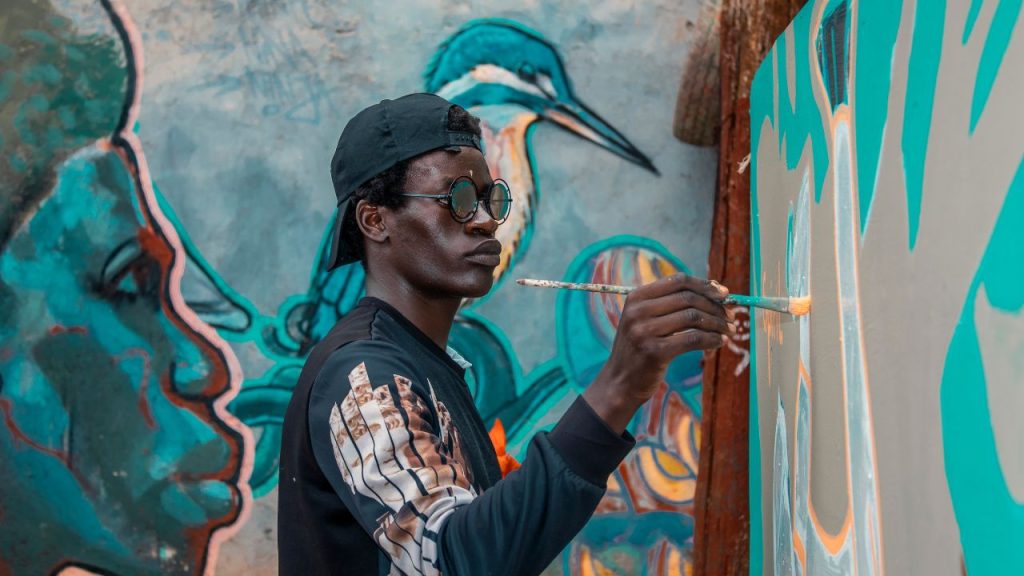
On a larger scale, SAG-AFTRA video game voice actors are currently on strike, with the use of generative AI being a major reason for it. These actors want to ensure their jobs won’t be replaced by generative AI and that their voices will not be given to and replicated by these models without their consent. Similarly, 200 musicians, including Billie Eilish, alongside the Artists Rights Alliance non-profit, signed a letter condemning the use of generative AI in the music industry. They explain that AI music “dilute[s] the royalty pools that are paid out to artists,” which would have serious repercussions for smaller musicians who survive off of those royalties.
Killing the Creative Process
If you’re also a creative, you know it’s normal to lack inspiration or to deal with writer’s block. These struggles may be frustrating, but they make you push yourself to find new ways of approaching our art and often lead to impactful breakthroughs. Putting the time and effort into your craft helps you find your unique style. Even mistakes are important parts of the creative process as they lead to growth. Using generative AI bypasses these key steps, and it keeps you from expanding your creative mind and learning new techniques.
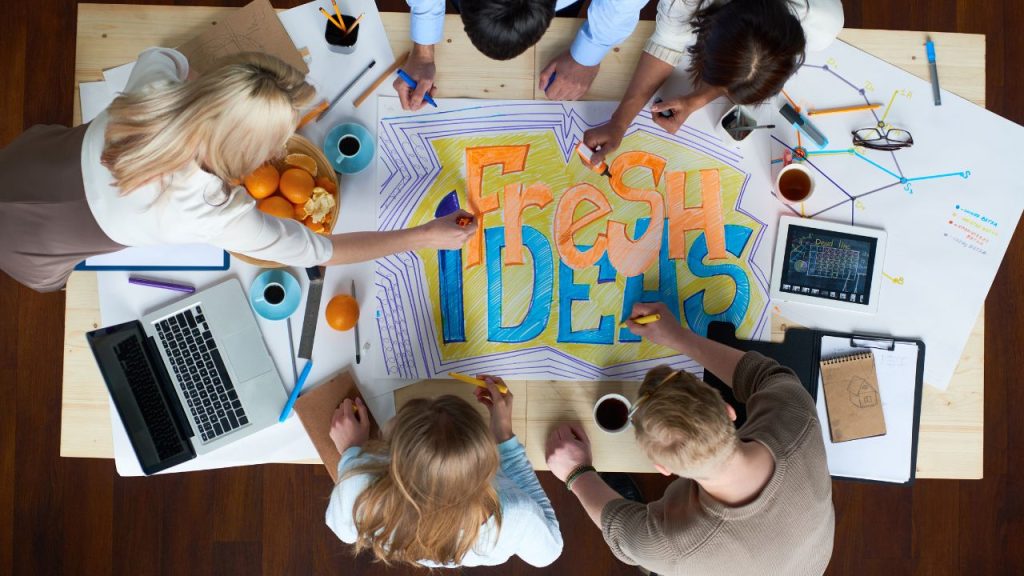
Additionally, systems have no human component behind them, something that is central to any good piece of art. Generative AI may be able to replicate grammar or a general story structure, but it can never replace the ingenious, creative, and emotional weight that any good writer imbues their narratives with. Additionally, research is often a critical part of the creative process, and it’s no secret that generative AI often presents misinformation as facts. Even in a fictional piece, glaring inaccuracies can make a work feel rushed and confusing or will simply cause you to lose interest.
Generative AI’s Environmental Impact
The toll generative AI has on the environment not only affects creatives but the rest of the world too. Generative AI uses unbelievable amounts of energy to run, making it near impossible to reach the goal of net-zero greenhouse gas emissions. This energy usage is also linked to air and water pollution. According to the Harvard Business Review, generative AI’s yearly carbon emissions are equal to the emissions of hundreds of US homes. Carbon emissions have been linked to early deaths and may cause elevated levels in the ozone.

Additionally, the systems used for AI require constant cooling, and it’s estimated that it will use 4.2 to 6.6 billion cubic meters of freshwater by 2027. The depletion of freshwater resources is concerning as it’s already in short supply, and this will especially impact areas that often experience droughts. While there are ways of making generative AI more environmentally friendly, such as using energy-saving computer processes, these changes will take time to implement. In the meantime, our planet and those most vulnerable to climate change will suffer.
Ultimately, the use of generative AI is not worth the incredibly harmful impact it has on creatives and our planet, especially without stricter laws and regulations to protect them. If you or your friends are thinking about or already using generative AI, it may be time to reconsider. Instead, find ways to support your favorite artists and this Earth we all share. Knowledge is power, so educate yourself and those around you for a healthier, more creative space.
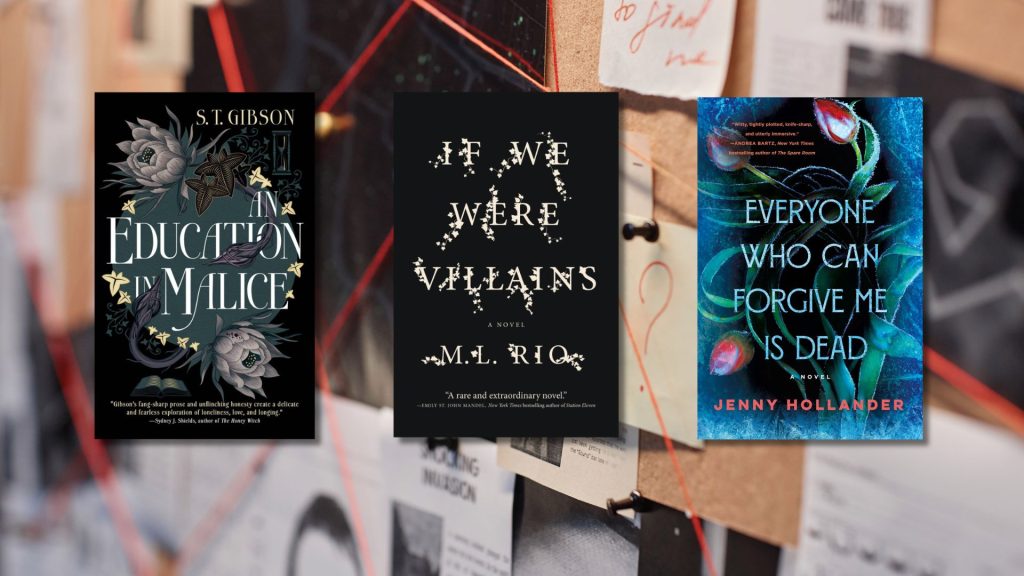
Learn more about how generative AI is impacting the literary world here.
Educate yourself about even more important issues by checking out our Banned Books bookshelf on Bookshop.org.