










When we think of historical fiction with Indigenous characters, our first thought (regrettably) might be outdated tropes steeped in racist ideologies. But, in truth, these cultures have far more nuance for us to explore. Thankfully, more and more Native authors are lending their experiences to the page and producing thoughtful books focusing on characters from many periods of history. For this week’s Three to Read, we’re highlighting three historical fiction novels that bring multiple Indigenous cultures front and center.
Trigger Warning: The books in this article contain references to gang violence, Indigenous Residential Schools, colonization, and the genocide of American Indians. Please read all trigger and content warnings before purchasing.
HOT PICK
The Buffalo Hunter Hunter by Stephen Graham Jones
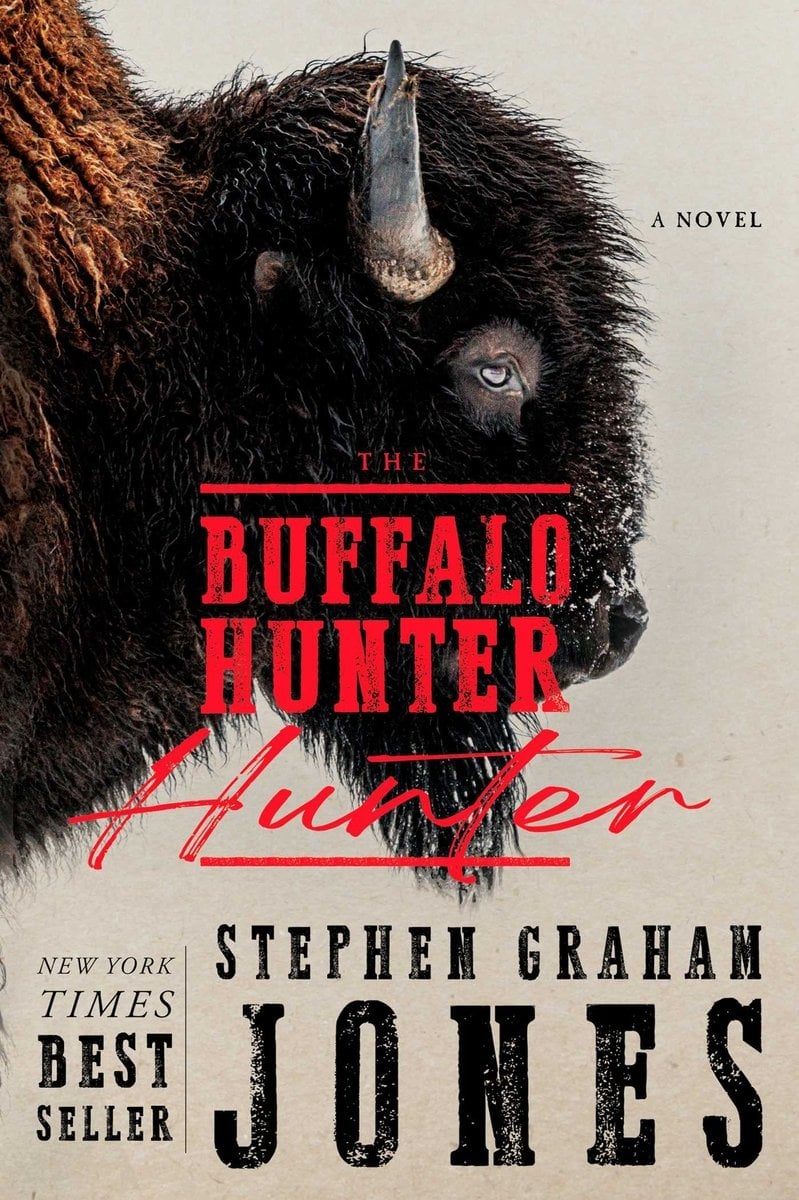
SYNOPSIS:
In 2012, a 100-year-old diary is found hidden in the wall of a house in Montana. Written by a Lutheran pastor, it details the account of a mysterious Blackfeet named Good Stab, who has lived an unnaturally long life in the Montana wilderness. Through a series of confessional interviews, the pastor begins to suspect that Good Stab may, in fact, be a vampire. Having witnessed massacres and over 200 of his own people dead, Good Stab still haunts the Blackfeet reservation, hellbent on settling the score.
WHY:
Based on the events of the Marias Massacre and the near-extinction of North American buffalo, Stephen Graham Jones’ The Buffalo Hunter Hunter puts a horror twist on real-life history. A member of the Blackfeet Nation, Jones is known for using speculative fiction to explore the complexities of the Indigenous experience. In his latest offering, as in other vampire stories, Jones uses the character of Good Stab to question our preconceived notions of monstrosity. Is the vampire a villain, or is the real evil located in the colonizers who ravaged his land and killed his people?
COFFEE SHOP READ
The El by Theodore C. Van Alst Jr.
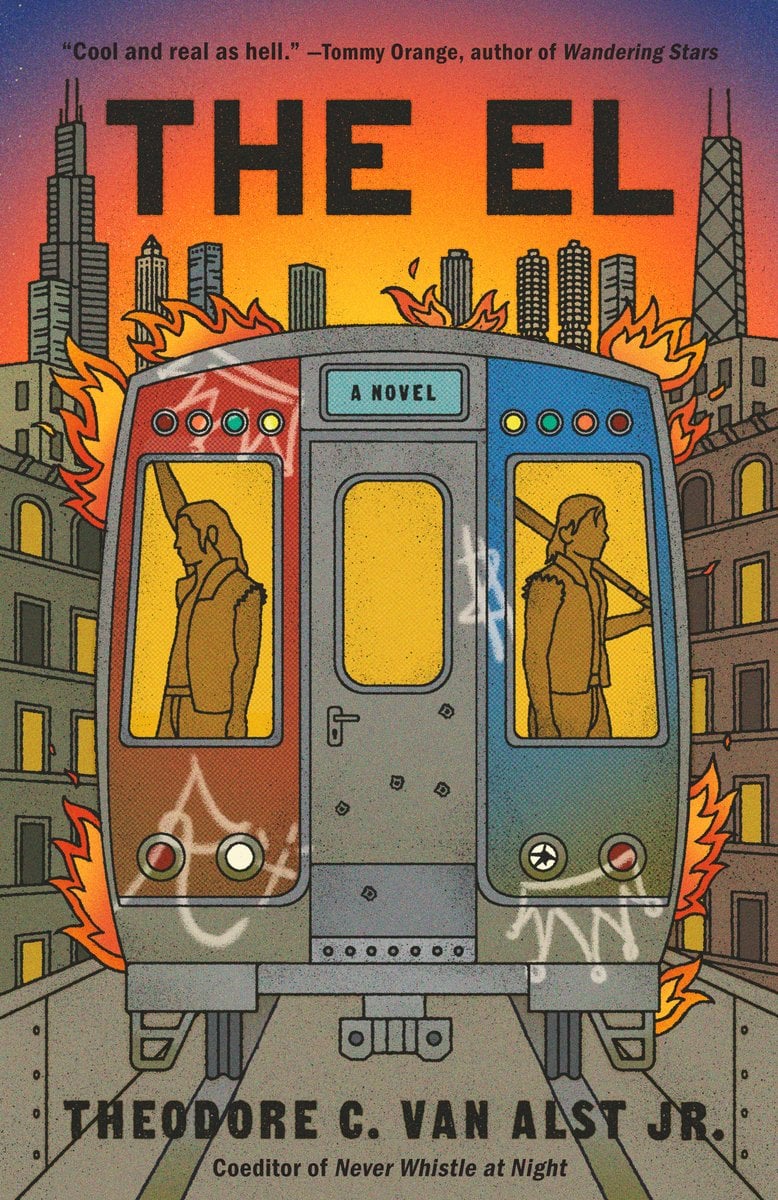
SYNOPSIS:
The time? August 1979. The place? Chicago. In the humidity of the Windy City, troubled teen Teddy was recently kicked out of his mother’s house for his involvement in the Simon City Royals, a local gang. But Teddy isn’t ready to let the gang go — after all, today, he’s been tasked with guiding the youngest members to Roosevelt High School. Here, the rival gangs of the area have agreed for the first time to form a conglomerate called “the Nation,” and due to his Indigenous background, this means more to Teddy than anyone else could understand. But when the meeting is broken up with gunshots, it’s up to Teddy to get all the young kids in his charge safely home. Guided by the prophetic spirit of Coyote, Teddy must navigate his way through rival territory, cutting through back alleys and hopping the El in an attempt to live until the next sunrise.
WHY:
Born and raised in Chicago, Theodore C. Van Alst Jr. is enrolled in the Mackinac Bands of Chippewa and Ottawa Indians. His short, semi-autobiographical novel, The El, may only take place over a single day, but it still manages to leave a lasting impression.
DARK HORSE
Punished by Ann-Helén Laestadius, Translated by Rachel Willson-Broyles
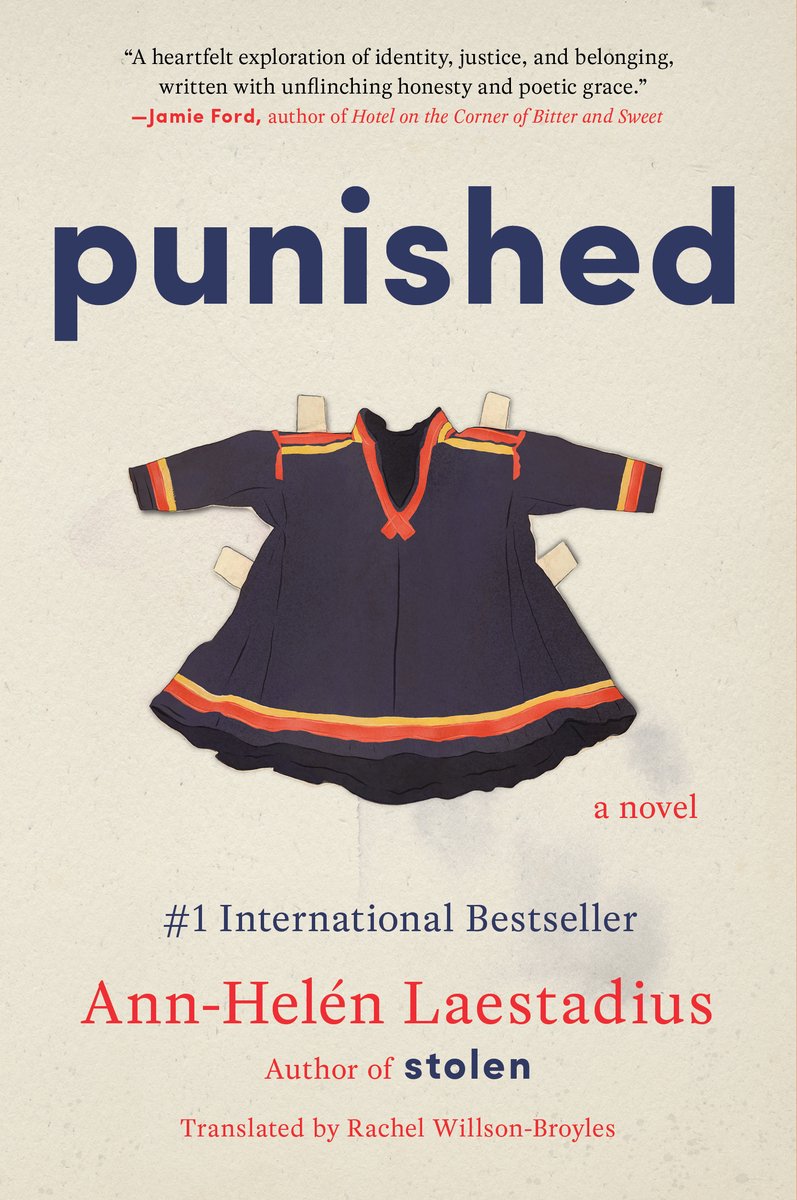
SYNOPSIS:
In 1950s Sweden, five Sámi children — Jon-Ante, Else-Maj, Nilsa, Marge, and Anne-Risten — are taken from their Native families and forced to attend a state-mandated “nomad school.” There, the children are abused at the hands of their housemother, Rita, in an attempt to erase their Indigenous culture and forcibly assimilate them into White Swedish society. After 30 years, the group has coped with their trauma in various ways, with some clinging harder to their Sámi heritage and others distancing themselves from it. When Rita, now an old woman, reappears in their lives with zero regret or acknowledgment of her past behavior, the group’s trauma is reignited. Still bitter, the five must decide how to move forward and if they want to punish the woman who hurt them all those years ago.
WHY:
Ann-Helén Laestadius is of Sámi and Tornedalian descent, and her family’s real-life history is the inspiration behind Punished. As one of the bestselling authors in Sweden, Laestadius’s work is expertly translated by Rachel Willson-Broyles, allowing more readers to experience her intimate writing.
Thanks for tuning in to this week’s edition of Three to Read! Keep coming back for more curated reading lists for adults, children, and teens.
Click here for more stories from an Indigenous perspective.
Visit our Three to Read bookshelf on Bookshop to catch up on any recommendations you may have missed.