







They lurk in the shadows, fangs sharp, thirsting for blood and aching for… love? The vampire is a classic folklore monster that has haunted the literary canon for over two centuries. From spine-tingling horror to heart-throbbing romance, the vampire appears again and again on the page, transforming beneath each author’s pen. Yet through it all, one thing remains consistent: Vampirism is a literary motif for exploring and critiquing social mores. The vampire embodies provocative values, pushing us to our limits of what we secretly fear and desire. Mapping the evolution of the vampire throughout literary history reveals how this figure has maintained its chilling relevance in the face of an ever-changing society.
Trigger Warning: This article contains references to gore/violence, blood, homophobia, xenophobia, racism, slavery, White supremacy, eugenics, body image/disordered eating, and sexual assault. Please exercise personal care while reading.
The Macabre Origins of the Vampire Legend
Blood and gore go hand in hand with vampirism, and it all traces back to the creation of this mythical creature. While it’s difficult to pinpoint an exact date for the start of this legend, vampire paranoia reached a peak in medieval Europe. At a time when plague and other infectious diseases ran rampant throughout communities, fearful people anxiously sought out a reason behind their suffering. Medical knowledge was incredibly limited back then, and many researchers have come to believe that vampirism may have been born from misunderstandings over blood-related disorders and symptoms.
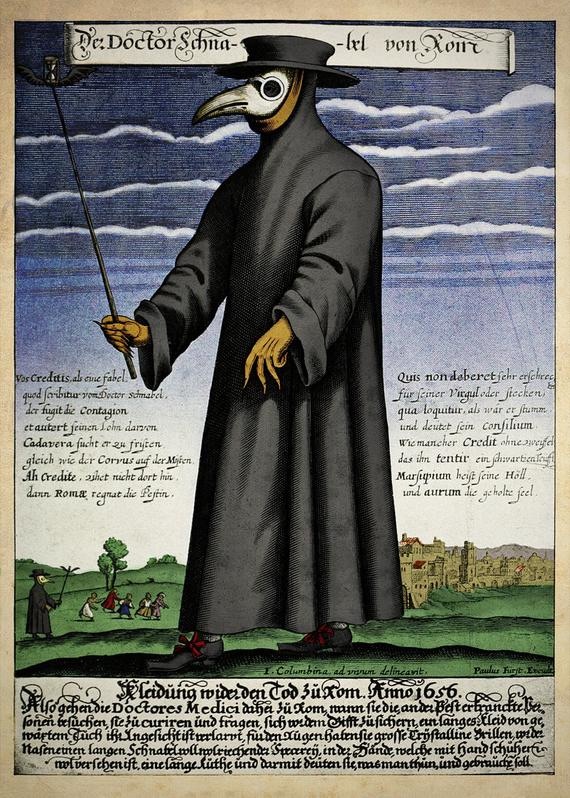
Plague was the most common disease occurring during this period of vampire panic in the Middle Ages, and its symptoms can present in a variety of ways, including bleeding from the mouth. Another possible culprit for the vampire myth is porphyria, a blood disorder that can cause increased sensitivity to the sun and blistering or burning skin upon exposure. Along with this, a vampire’s tendency to bite its victims may be owed to diseases like rabies. In the absence of proper medical understanding, these frightening, seemingly ghoulish symptoms may have caused imaginations to run wild with speculation, giving birth to the vampire legend.
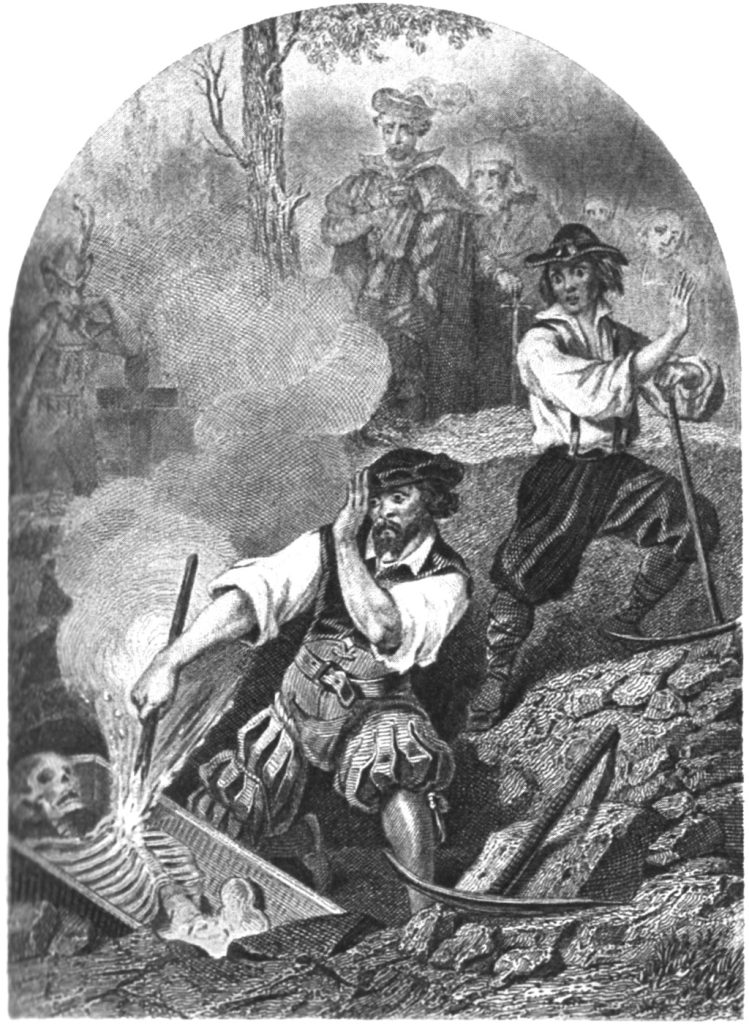
Eventually, the vampire figure became so ubiquitous that dead bodies were often disinterred in order to search for signs of vampirism. Back then, conclusive proof of this otherworldly curse included such evidence as hair and nails continuing to grow after death. In truth, skin dehydrates during decomposition, shrinking and creating an optical illusion of longer nails and voluminous hair. If a corpse was suspected of turning, a wooden stake was driven through its heart, and some bodies were even decapitated or burned to ensure true death. This practice continued well into the Victorian era, speaking to the power that fear-based myths can hold. Once these horrors made their way to the page, the true legacy of the vampire began.
Classic Vampirism: The Vampire as a Metaphor for Sin
Der Vampir by Heinrich August Ossenfelder (1748)
German poet Heinrich August Ossenfelder was one of the first writers to capture the vampire. In his poem Der Vampir, Ossenfelder presents a twisted story of a man sneaking into a young woman’s room and taking “vampiric revenge” on her by draining her blood in the night.
And as softly thou art sleeping
To thee shall I come creeping
And thy life’s blood drain away.”
– Heinrich August Ossenfelder, Der Vampir
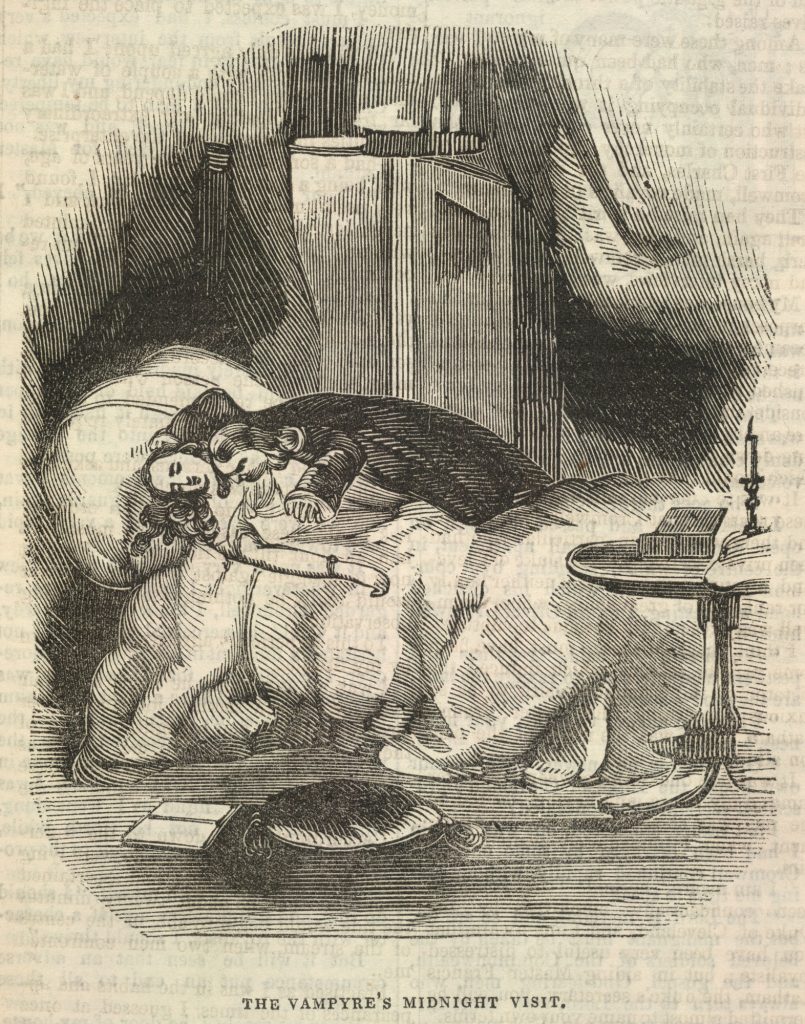
In the opening stanza, the woman is referred to as a “young maiden,” presenting an early example of the idea of pure blood and virginal victims in vampire lore. As a figure in Western culture, the vampire has inextricable ties to Christianity and biblical ideas of sin. The damsel in distress, in this context, is, if not explicitly a virgin, a virtuous woman whose purity is desecrated by the sinful appetite of the vampire. In the case of Der Vampir, the vampire figure toes the line between literal and metaphorical. The narrator’s romantic advances to the maiden have been rejected at the advice of her pious mother, and his obsession consumes him to the point of wanting to drain her life force itself. In layman’s terms, if he can’t have her, then no one can.
At only 22 lines, Ossenfelder’s poem is simple in terms of its impact on the genre, yet it still succeeds in planting the seeds for later iterations of the vampire — namely, the vampire’s ties to lust and sexual deviance. Ossenfelder’s Der Vampir presents a cautious form of eroticism, wherein one man’s dark desires transform him into a bloodthirsty monster hellbent on revenge.
The Vampyre by John Polidori (1819)
The first vampire novel was The Vampyre by John Polidori, the private physician to the revered Lord Byron. The Vampyre was a contribution to Byron’s famed ghost story competition — the one that produced Mary Shelley’s Frankenstein — and was originally misattributed to Byron himself. The story follows Aubrey, a gentleman who meets the mysterious Lord Ruthven and soon becomes his friend and companion. The longer Aubrey is acquainted with Ruthven, however, the more wary he becomes of the nobleman’s menacing nature. Eventually, Aubrey learns of the vampire legend and fearfully attempts to thwart Ruthven when he lays his eyes on his next victim: Aubrey’s sister.
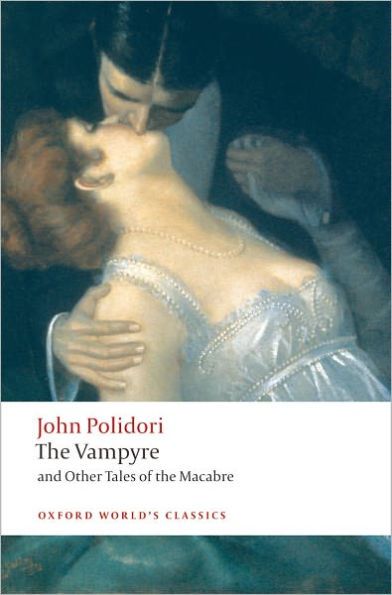
Aside from the mystery and horror elements, The Vampyre was also full of Polidori’s personal commentary. Aubrey is a clear stand-in character for the author, and the vicious and selfish Ruthven is a scathing caricature of Lord Byron. In Polidori’s quest to disparage his employer, he inadvertently added a new element to the genre: the wealthy vampire. Before this point, vampire stories were often reduced to grotesque peasant figures. In The Vampyre, Lord Ruthven is quite the opposite: a perfectly coiffed gentleman who has succeeded in infiltrating London high society. The idea of the shifty, wealthy Other, as well as the theme of manipulating society, would become more prominent aspects of vampire literature in the ensuing decades.
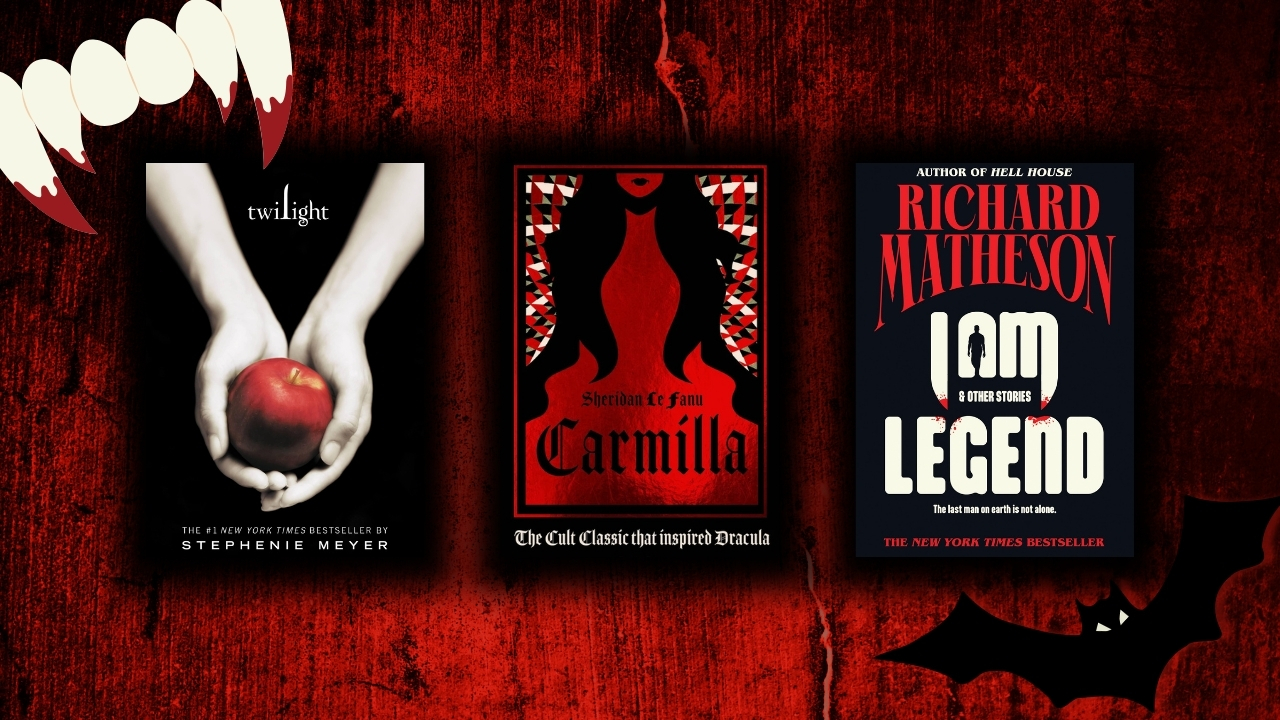
Carmilla by Sheridan Le Fanu (1871)
Sheridan Le Fanu returned to the sultry, erotic overtures of vampirism in his acclaimed novel Carmilla. Instead of an overbearing male figure, though, Le Fanu’s vampire was a moody teenage girl. The novel takes place in an isolated Austrian castle, where a young woman named Laura lives with her father. When the mysterious Carmilla’s carriage crashes in front of their estate, the beautiful teen asks to stay with them until she recovers. Laura befriends Carmilla, but her erratic, unpredictable behavior, as well as her tendency to sleep during the day and roam the halls at night, casts a suspicious cloud over their relationship. The longer Carmilla stays with Laura and her father, the more young women in the surrounding area begin dying from unexplained circumstances, and soon, Laura’s health is also in jeopardy.
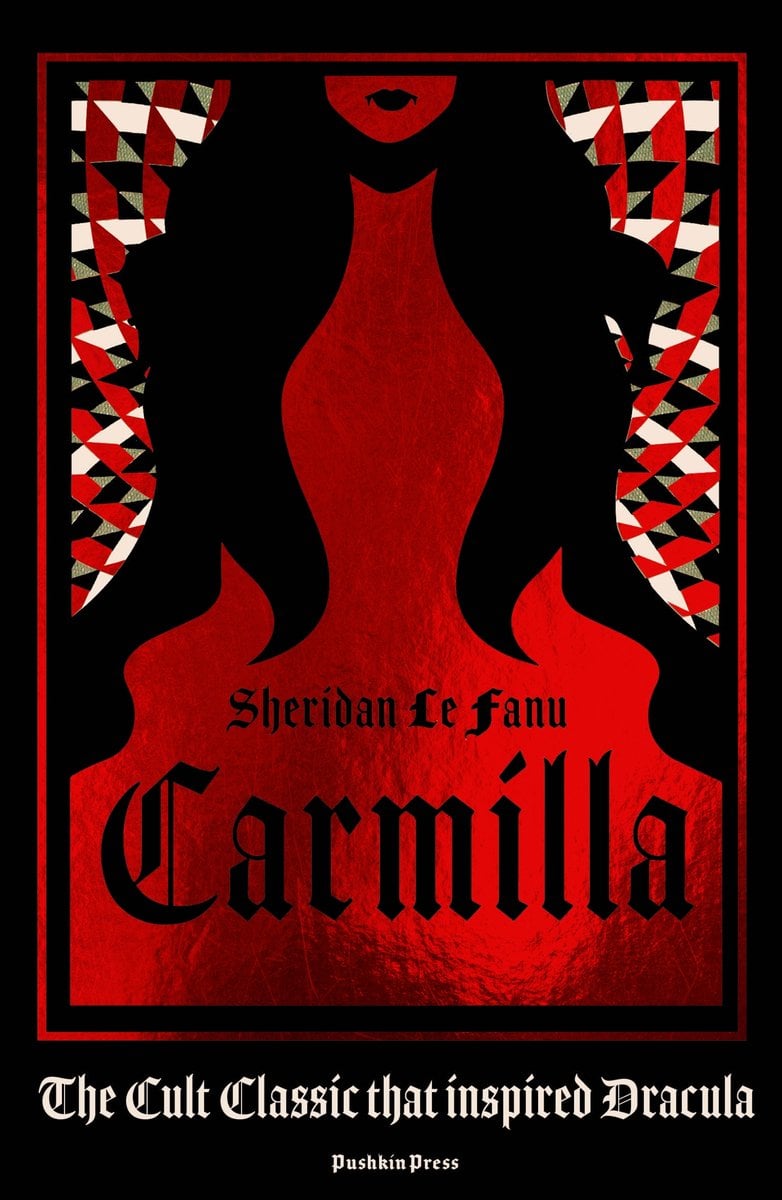
The titular Carmilla was the first female vampire in literature, and as such, the sexual motifs of the vampire take on a uniquely sapphic tone in her novel. Carmilla, like the ruthless Lord Ruthven before her, preys upon wealthy young women. Though it is initially presented through the guise of friendship, Carmilla eventually makes romantic advances toward Laura.
Sometimes after an hour of apathy, my strange and beautiful companion would take my hand and hold it with a fond pressure, […] blushing softly, gazing in my face with languid and burning eyes […] It was like the ardor of a lover; it embarrassed me; it was hateful and yet over-powering; and with gloating eyes she drew me to her, and her hot lips traveled along my cheek in kisses; and she would whisper, almost in sobs, ‘You are mine, you shall be mine, you and I are one for ever.’”
– Sheridan Le Fanu, Carmilla
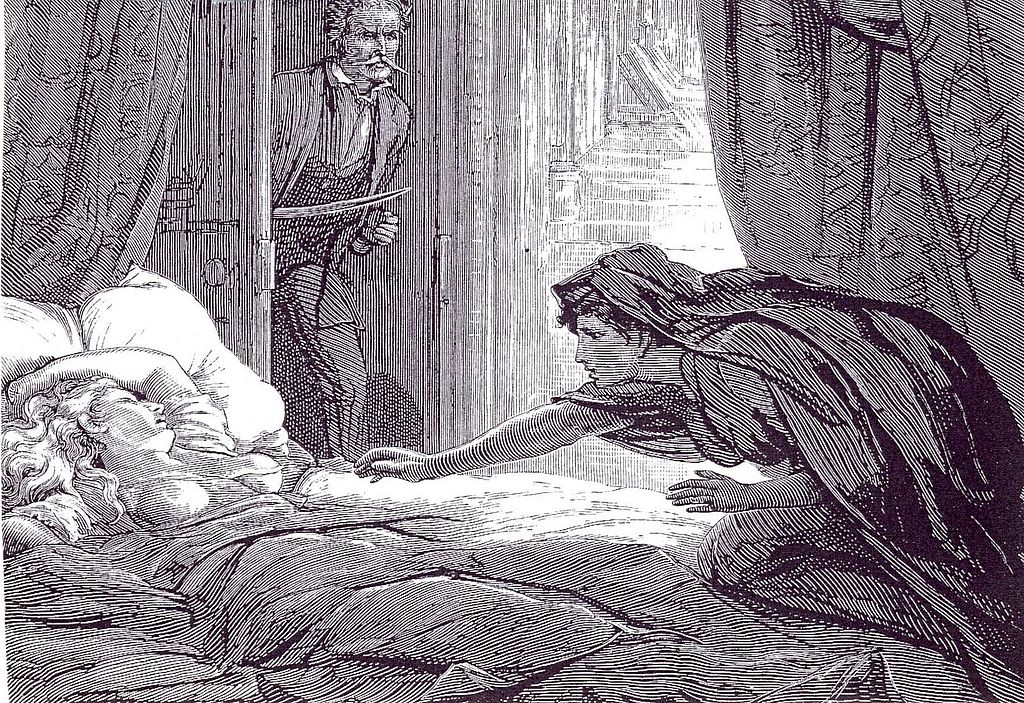
Carmilla’s seductive mannerisms initially confuse Laura, yet she remains under the vampire’s pull. By placing a woman in the role of the sexually charged villain, Le Fanu draws on both homophobic beliefs of sexual deviance and misogynistic anxieties around unattached women. Carmilla is frightening to both the characters and the novel’s original audience because of her rejection of Christian ideals (she refuses to pray with the family and screams when Laura sings a hymn), as well as the power she holds over others, despite being a single woman in a patriarchal society.
Other aspects of vampirism are explored in Carmilla, including shapeshifting and dubious consciousness. At times, Carmilla appears as a large, sinister beast, and more than once, she visits Laura in her dreams. Yet Carmilla’s powers transcend the dreamscape, as she is able to bite and drain her victims’ blood during these visits. Carmilla is also revealed to belong to a centuries-old aristocratic family, once again placing the vampire in the position of an all-powerful, wealthy noble who is able to draw the impressionable youth into their clutches.
Dracula by Bram Stoker (1897)
Building on the writers that came before him, Bram Stoker penned the definitive vampire fiction, Dracula, in 1897. Through a compendium of diary entries, letters, and newspaper clippings, the story tells the twisted tale of Count Dracula, a mysterious Transylvanian nobleman attempting to expand his business dealings into London. A young solicitor named Jonathan Harker travels to his castle to arrange his holdings, wherein strange and sinister happenings reveal Dracula’s monstrous identity. Harker barely escapes with his life, but Dracula continues his conquest of London and begins to target Harker’s fiancée and their circle of friends. As the vampire threat increases at an alarming rate, the group — assisted by Professor Van Helsing’s knowledge of the occult — scrambles to take down Dracula before all of London succumbs to his evil.

Count Dracula is perhaps the most famous fictional vampire of all time, to the point that his name is almost synonymous with the paranormal creature itself. The foundation of Stoker’s masterpiece is owed to the stories that came before it. Like John Polidori’s The Vampyre, Dracula is a wealthy nobleman who seeks to manipulate and control the machinations of the London aristocracy. Sheridan Le Fanu’s Carmilla carries the most sway over Dracula, namely in relation to the vampire’s lustful thirst that overtly tips into sexual territory, as well as the shapeshifting and influence over dreams. Stoker takes these themes and fleshes out their potential further. For example, Dracula is not just any aristocrat; he is also an Eastern European outsider, drawing on anti-immigrant and anti-foreigner anxieties of the era.
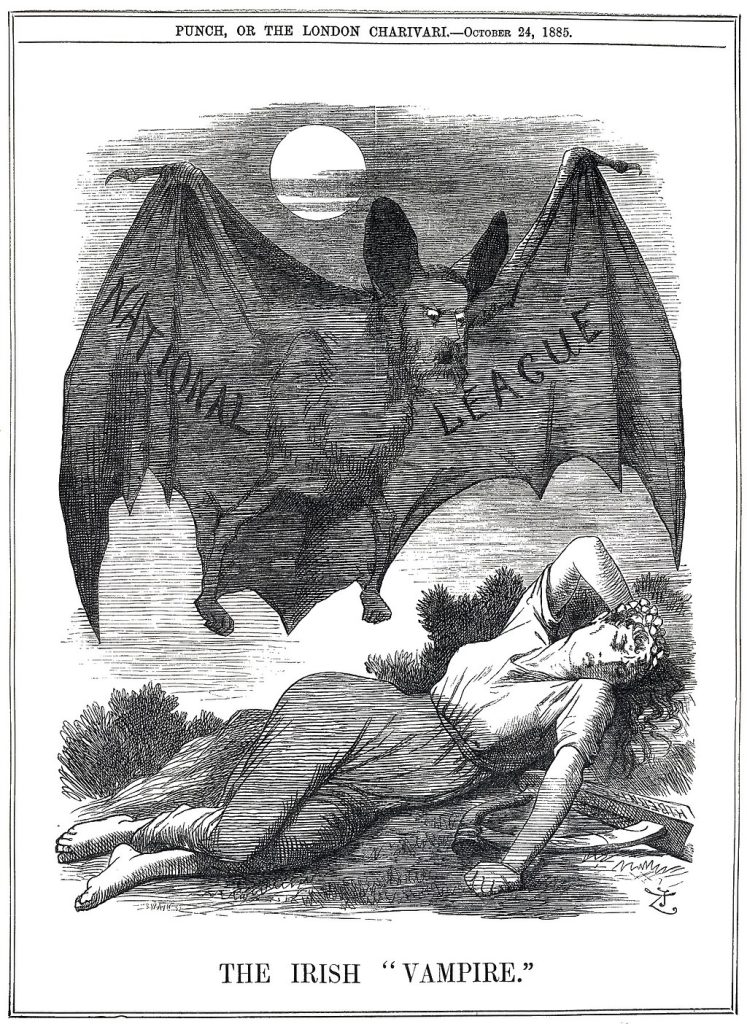
Beyond the traditional plot points, Bram Stoker’s novel ultimately established new lore in the vampire canon. For instance, Dracula was the first vampire to transform into a bat and lack a reflection. The sustenance he gains from drinking blood also directly contributes to his immortality. When Harker first meets the Count, he is horrifically ancient, but once he goes to London and has access to more blood, Dracula is revived by his feedings, and his youthful strength and vigor return. Stoker also contributed the idea that vampires can only rest in coffins containing soil from their homeland, which must then be cleansed by Christian talismans (i.e., holy water and crucifixes) before staking and beheading the vampire within.
Among all of Stoker’s brilliant additions, the most intriguing expansion of vampire lore is the ability for Dracula to turn others into vampires. In earlier books, most vampires only kill their prey, but in Dracula, the Count also transforms his female victims into his “brides.” The vampire brides are soulless fiends who viciously continue Count Dracula’s legacy of destruction and use their sexual wiles to lure male victims into their traps. This establishes a central theme of vampirism in relation to control, a theme that other authors would explore further in the following century.
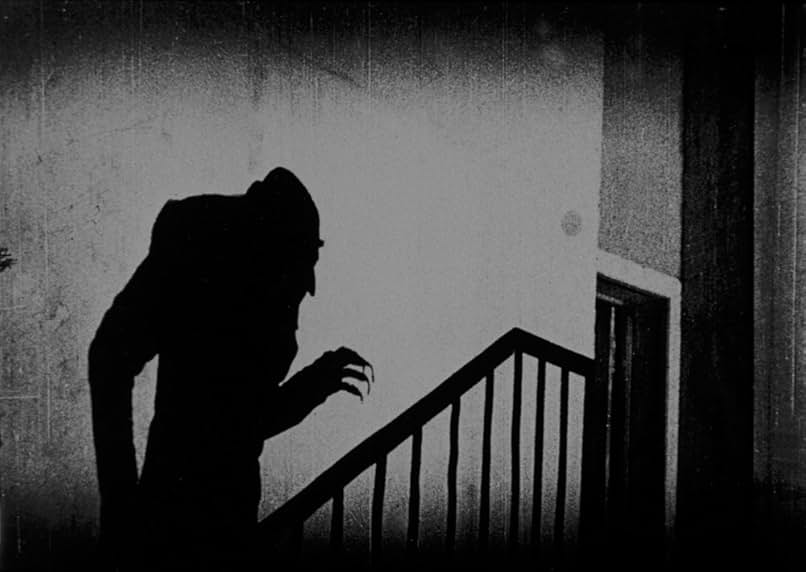
Twenty-five years after Bram Stoker’s novel was published, the silent film Nosferatu: A Symphony of Horror was released in 1922. This unauthorized rehash of the Dracula story follows the vampire Count Orlok, who terrorizes a small German town, particularly a young married couple named the Hutters. Though not entirely the same as Dracula, the one-to-one character correlations were so blatant that Bram Stoker’s widow actually sued the filmmakers for copyright infringement. The court ruled in favor of Stoker’s estate and ordered every copy of the film to be destroyed. Thankfully, a few prints managed to survive, and Nosferatu would go on to shape not only the portrayal of vampirism in film but the entire horror movie genre itself.
Political Vampirism: The Vampire as a Metaphor for Oppression
The Black Vampyre: A Legend of St. Domingo by Uriah Derick D’Arcy (1819)
While Sheridan Le Fanu and Bram Stoker were cementing the legacy of classic vampire lore, a parallel timeline revealed the potential political commentary lying within this literary monster. The Black Vampyre, released the same year as Carmilla, was published under the pseudonym Uriah Derick D’Arcy. This short story is narrated by Anthony Gibbons, who describes his ancestors’ harrowing voyage on a slave ship to the Caribbean. Most of them die quickly after being sold into slavery, save one boy who is taken by a cruel White man named Mr. Personne. Personne kills the boy, but the moonlight resurrects him as a vampire, and over the course of many years, the young Black man uses his newfound powers to take revenge — killing Personne and his son and marrying his widow, Euphemia. Gibbons confesses himself to be the descendant of the Black vampire and Euphemia, making him both mixed race and potentially part vampire.

The Black Vampyre, as the name suggests, is the first iteration of the Black vampire, and the text takes a firm anti-slavery stance. Despite the young Black man turning into a traditionally monstrous figure, the story clearly paints Mr. Personne and the transatlantic slave trade at large as the true villainy within the tale. Introducing vampirism to a story about slavery ultimately highlights the inherent dehumanization present within this historic atrocity. The theme of “blood mixing” also occurs within The Black Vampyre, both through Gibbons’ heritage and the Black vampire’s feedings and turning others through blood drinking. This shocked readers who bought into racist ideas of blood purity and the one drop rule. While the true identity of The Black Vampyre’s author remains a mystery, the book stretched the limits of the vampire genre and opened other writers’ eyes to the sociopolitical possibilities the motif could provide.
The Blood of the Vampire by Florence Marryat (1897)
Published the same year as Dracula, Florence Marryat’s The Blood of the Vampire continued to explore the underrated figure of the Black vampire. The novel’s protagonist, Harriet Brandt, was born in Jamaica as the child of a White plantation owner and an enslaved Creole woman. Harriet’s vampirism is the result of her father performing sadistic experiments on the enslaved people on his plantation. Unlike the traditional blood-sucking vampire, Harriet drains the life force of her unintentional victims by way of psychic powers. After moving to England, Harriet is met with disdain for both her racial identity and her suspected vampirism. Despite every attempt to thwart her vampiric nature, Harriet’s uncontrollable condition continues to wreak havoc on those she loves and bring her closer to despair.
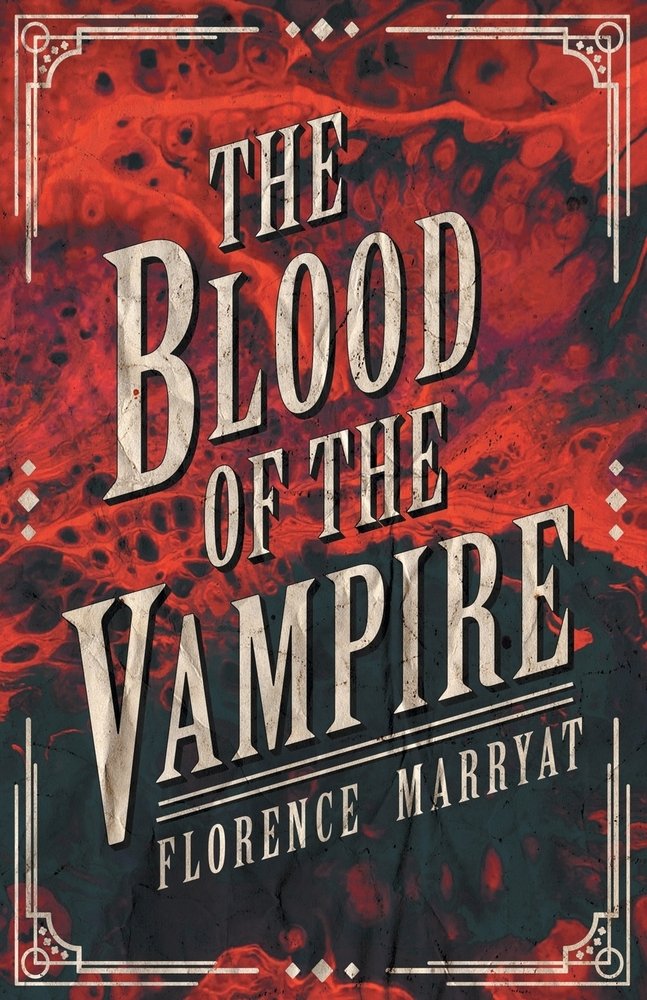
Marryat’s novel is an intriguing piece of the vampire canon because it is the first time that the vampire is both the main character and afforded sympathy. Harriet is unaware of her powers until learning of her twisted heritage in adulthood, and the anguish that this knowledge brings her ultimately tears her apart. Similar to The Black Vampyre, Marryat’s writing is a scathing critique of eugenics. A victim’s mother accuses Harriet’s genetics as the source of her trouble, claiming that she is cursed by both her “Black blood” and her “vampire blood.” The Blood of the Vampire takes vampirism off the villain mantle and instead grants a sympathetic view to the outcast.
I Am Legend by Richard Matheson (1954)
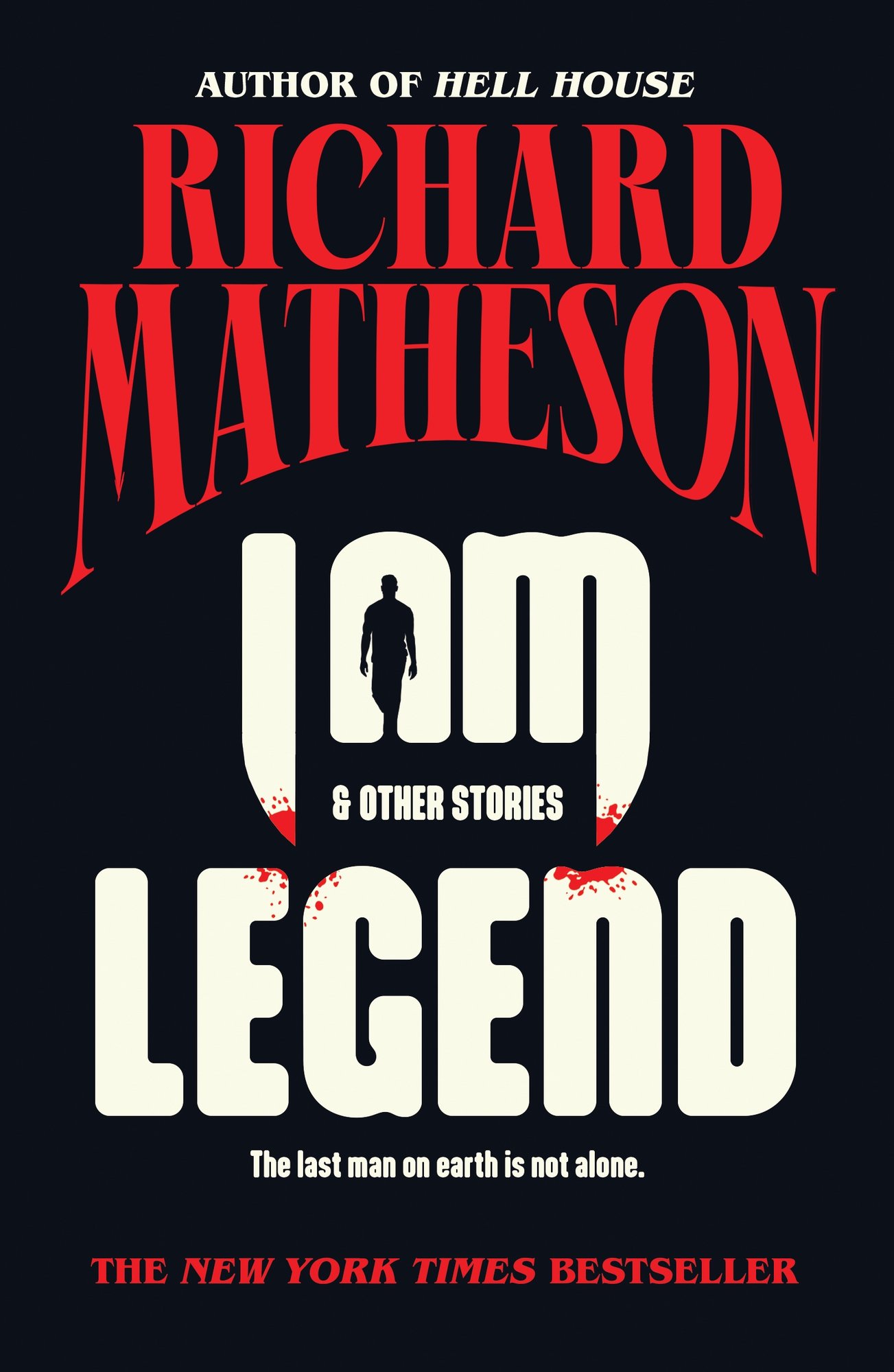
Vampirism enters the realm of science fiction in Richard Matheson’s classic, I Am Legend. This book invites readers into a dystopian future where vampirism has swept through the Earth like a plague, leaving only one human survivor: Robert Neville. Spending his days evading the vampires and searching for a cure, Robert fears that all memories of humanity will die with him. Matheson’s novel became a foundational work for the later zombie apocalypse craze. The idea of vampirism as a disease recalls the folklore’s real origins, while also challenging perceptions of fault within the vampire myth. Are vampires always soulless monsters like Count Dracula and his army of brides? Or, like Harriet Brandt and the populace within I Am Legend, are they merely victims of circumstance?
‘Salem’s Lot by Stephen King (1975)
Horror icon Stephen King could not resist the pull of the vampire, and his entry to the canon, ‘Salem’s Lot, also manages to work in some poignant political commentary. The novel centers on writer Ben Mears, who returns to his hometown of Jerusalem’s Lot to find that an ancient Austrian vampire named Barlow has infected the small community. As more and more citizens are either murdered or turned by the growing collection of vampires, Ben, along with a small circle of other resistors, struggles to destroy the vampires and save the town.
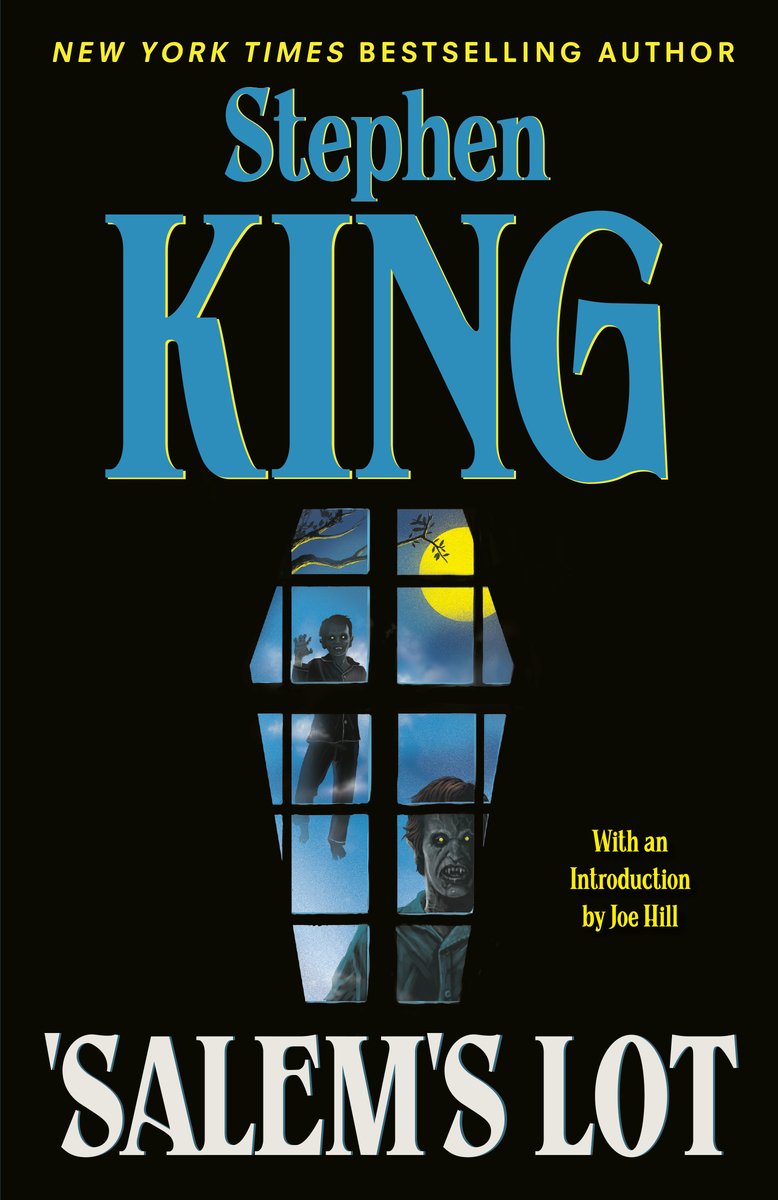
King’s novel takes plot beats from Dracula and transposes them to rural America. The story is decidedly a product of the post-Watergate world it was released in, with Ben’s distrust of his once-cherished neighbors mirroring Americans’ anxieties following President Richard Nixon’s scandal and resignation. In this context, vampirism becomes a metaphor for hiding the dishonest devil within, and succumbing to the evil is almost a loss of innocence. Like the landscape of American politics, Ben’s hometown will never be the same again.
The Anno Dracula Series by Kim Newman (1992–2019)
Kim Newman reimagines Bram Stoker’s Dracula further in his Anno Dracula series. The novels create an alternate timeline, wherein Count Dracula successfully vanquishes Van Helsing, Jonathan Harker, and their other allies, leaving the vampire free to conquer England. Set in 1888, the first novel, Anno Dracula, has the vicious Count marrying and turning Queen Victoria, becoming Prince Consort of the British Empire, and placing the country under a police state. The population is divided into humans who choose to stay “warm” and others who submit to being turned into vampires. Human-vampire relations are made especially tense when a mysterious killer dubbed Jack the Ripper begins to murder vampire prostitutes in a furious rampage.
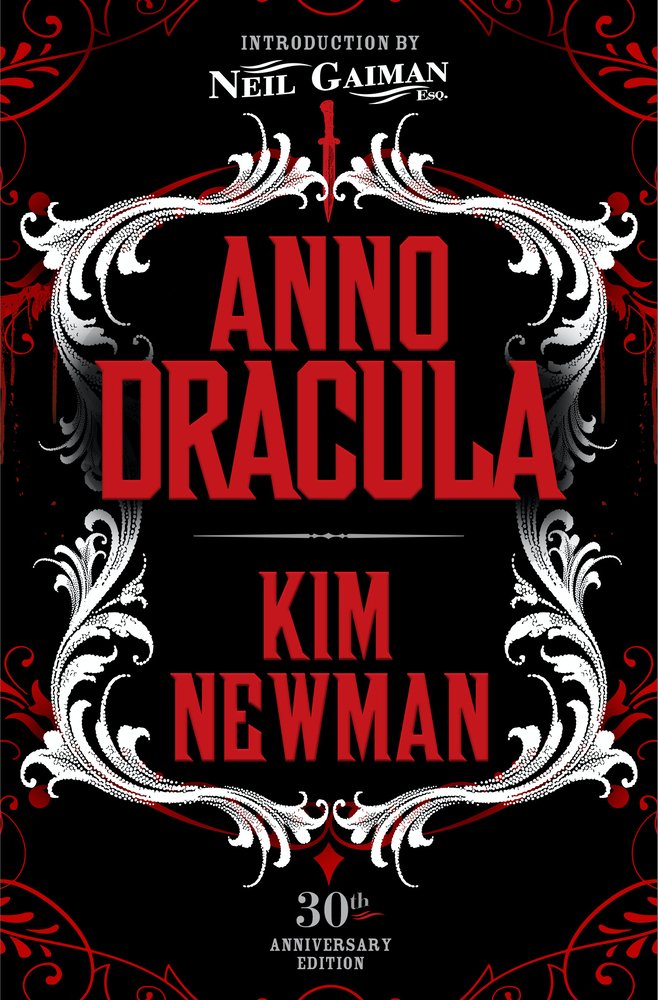
Newman’s series includes cameos from other famous literary figures, including Sherlock Holmes and Dr. Jekyll, as well as previously discussed vampires like Lord Ruthven and Count Orlok. Anno Dracula’s themes of totalitarian control harken back to Newman’s time at the University of Sussex, where he wrote a thesis on invasion narratives, many of which reimagined a world where the Nazis had successfully occupied Britain. Similar to ‘Salem’s Lot, vampirism is used here as a metaphor for control, with many characters choosing to turn into vampires out of fear of being targeted by the government. To them, being complicit in monstrous actions is easier than resisting a corrupt and tyrannical political machine. Newman’s series is full of both entertaining fan service and insightful discourse.
Fledgling by Octavia E. Butler (2005)
The Black vampire returns once again with renewed expertise in Octavia E. Butler’s Fledgling. The main character, Shori, appears to be a young Black girl, but is in fact a 53-year-old Ina, a species of vampires with a symbiotic relationship to humans. The Ina are unique in that they do not kill their victims for sustenance, with their necessary feeds in fact extending the life of each victim. Shori suffers from amnesia and cannot remember her past life, but she soon discovers that she is the only Ina with dark skin. This is the result of experimentation aimed at genetically altering Ina DNA to protect them from sunlight, and this biological advantage makes Shori a target of hostility and hatred from those around her. Shori must work to recover her memory in order to protect herself from the onslaught of violence headed her way.
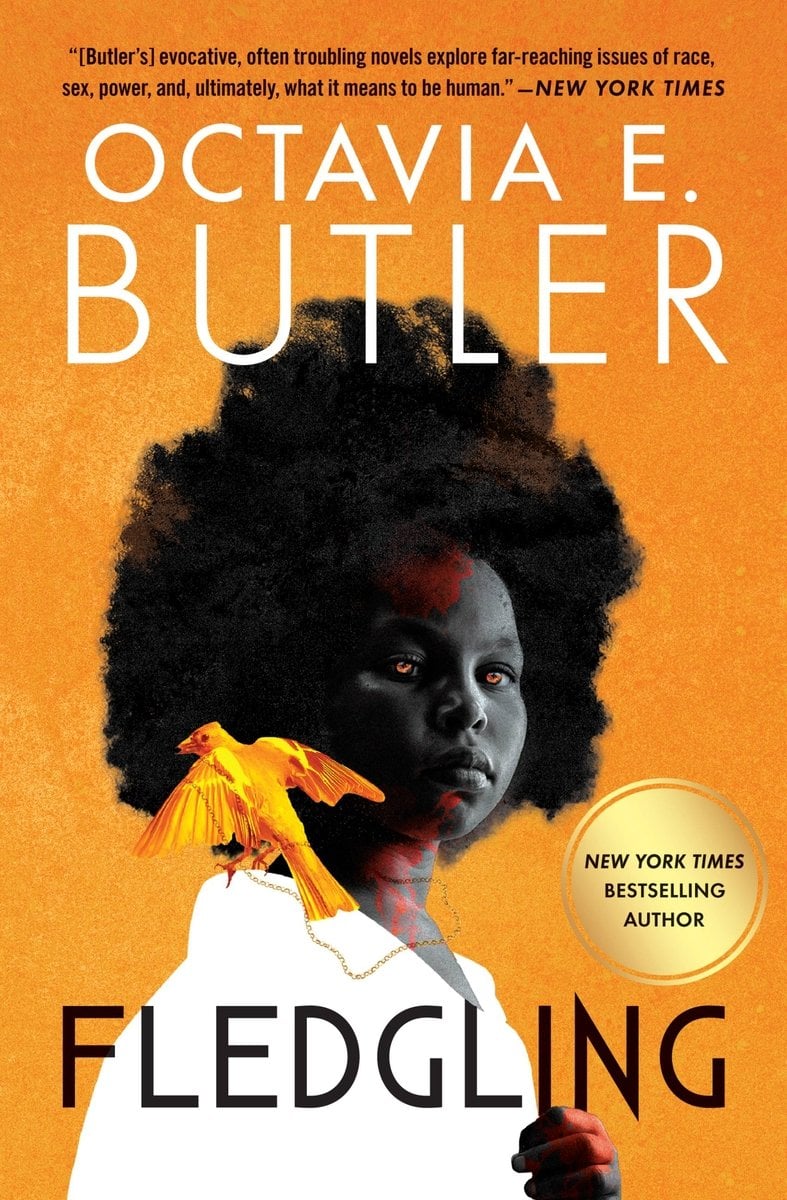
Fledgling was Butler’s final novel, and it continues her pattern of using the science fiction genre to dissect racist ideologies and center the Black experience. Akin to Florence Marryat’s The Blood of the Vampire, Butler’s book criticizes eugenics and leans into the disgusting history of using Black bodies for gruesome experiments. Setting up the Ina as their own class of species also creates a clear allegory for racism, and the contention regarding Shori’s skin is a form of colorism. Though Shori is discriminated against due to her differing appearance, Butler’s choice to make her darker skin a desirable trait inverts traditionally racist ideas of White supremacy and challenges preconceived notions of vampirism itself.
Romantic Vampirism: The Vampire as a Metaphor for Sexuality
The Dark Shadows Series by Marilyn Ross (1966–1972)
While pioneering writers like Butler, Newman, and Marryat successfully strengthened the vampire genre within the realm of sociopolitical discourse, there was one aspect of traditional vampirism that had yet to be unleashed: sexual desire. The sexual revolution of the 1960s empowered women’s views of sexuality, emboldening them to take control of their sex lives and embrace their sensual desires. Romance and erotica exploded in the ensuing decades, speaking to a market of women who were no longer ashamed of their sexuality. Coincidentally (or perhaps not?), this was also when vampire romance entered the literary conversation.
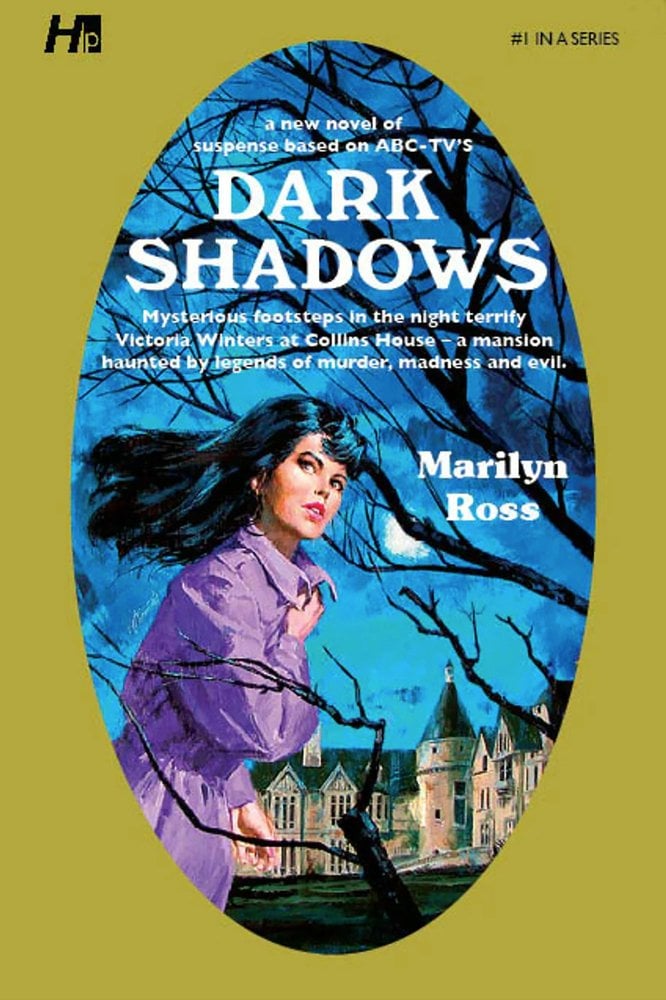
From 1966 to 1972, W.E.D. Ross wrote the Dark Shadows series under the pen name Marilyn Ross. The over 30 novels in the collection were based upon the events and characters in the Dark Shadows soap opera, which aired on television during the same time. The books followed the exploits of Barnabas Collins, a wealthy vampire still mourning the loss of his true love, Josette. Each book introduces a new heroine to fall in love with Barnabas, not knowing his true form, yet remaining infatuated after his identity is revealed. Each potential paramour is threatened by violence tied to Barnabas’ vampirism, so he always leaves these lovers for the sake of protecting them from further harm.
The Dark Shadows series — both the books and the soap opera — were massively popular at the time, laying the foundation for subsequent romances. The danger surrounding Barnabas’ condition leaves him perpetually alone and ties in the idea of forbidden love, which would later become a common trope of vampire romance.
The Vampire Chronicles by Anne Rice (1976–2018)
Anne Rice’s inaugural novel, Interview with the Vampire, while lacking in explicit romantic themes, still leaned heavily into ideas of companionship, which in turn contained homoerotic subtext. This first book in what would become The Vampire Chronicles series has the main character, a vampire named Louis de Pointe du Lac, telling his history to an unnamed reporter.
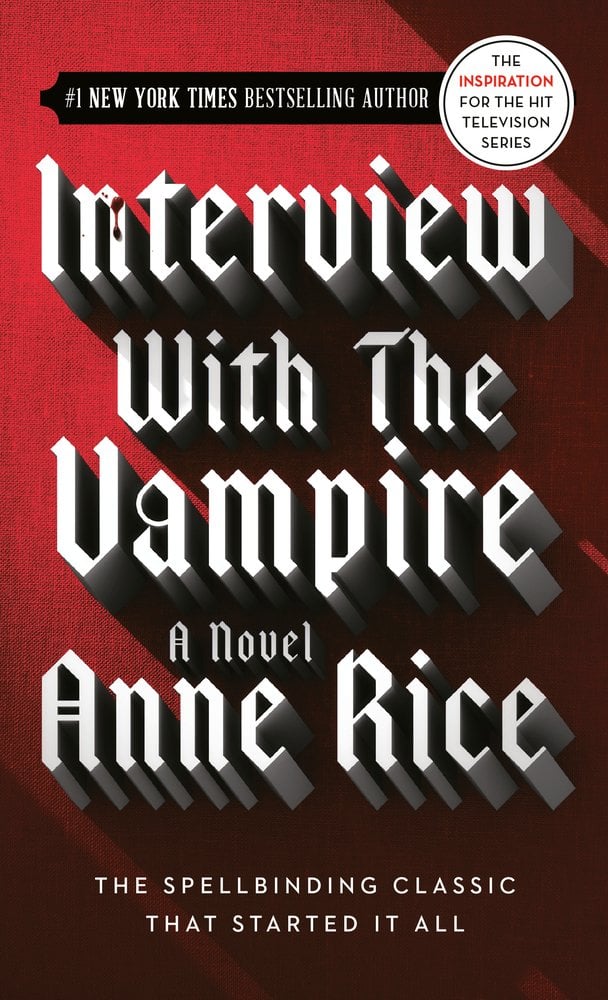
In 1791, Louis was turned into a vampire in Louisiana by a French vampire named Lestat de Lioncourt, who believed that if Louis “lost his humanity,” it would help him overcome the grief of his brother’s death. While Louis is at first keen to become Lestat’s companion, he soon grows cynical of Lestat’s carelessness and attempts to distance himself from the vampire. Lestat, fearing loneliness, turns a young girl named Claudia into a vampire to be a quasi-daughter for them to care for. Louis is disturbed by Lestat’s condemning Claudia to mature mentally while trapped in a child’s body, causing Lestat’s ploy to only divide them further.
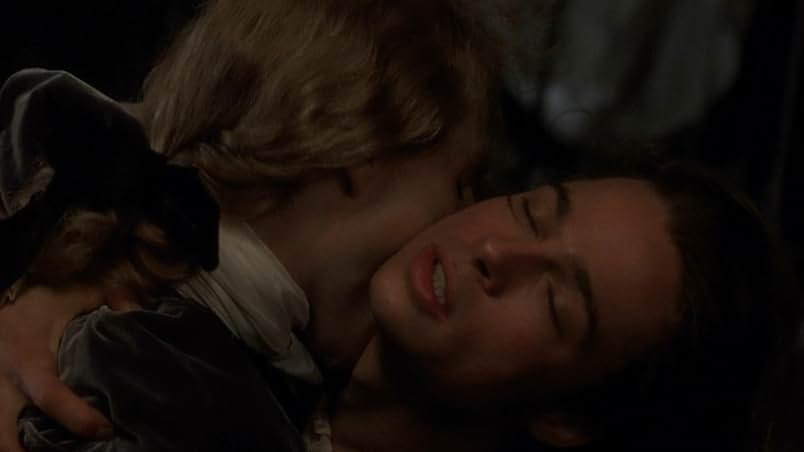
Loneliness and grief are running themes in Rice’s novel, which may be owed to her personal life. Rice’s five-year-old daughter died of leukemia in 1970, a tragedy that sent the author into a deep depression. The young Claudia bears a resemblance to Rice’s daughter, but her immortal existence is also unquestionably perverse. Claudia was meant to die, but Lestat interfered with her death for his own selfish reasons. Louis also initially welcomes vampirism as a way to evade the grief of his mortal life, only to discover the suffocating isolation that the lifestyle bestows. At first, he also refuses to kill humans for sustenance, instead feeding on less fulfilling animal blood, making Louis one of the first literary vampires to seek alternate blood sources.
Interview with the Vampire is not a traditional romance, unlike the other works that came before and after it; however, the homoerotic subtext of Louis and Lestat’s relationship is undeniable. Lestat’s loneliness is a huge motivator for turning Louis, and the two maintain a mutual partnership, even acting as co-parents of sorts to Claudia. After Louis separates from Lestat and travels to Paris, he takes on another male companion named Armand. Lestat continues to chase after Louis with an obsession that echoes that of Carmilla in Sheridan Le Fanu’s novel. Again, the idea of queerness in relation to vampirism defies the homophobic belief of sexual deviance.
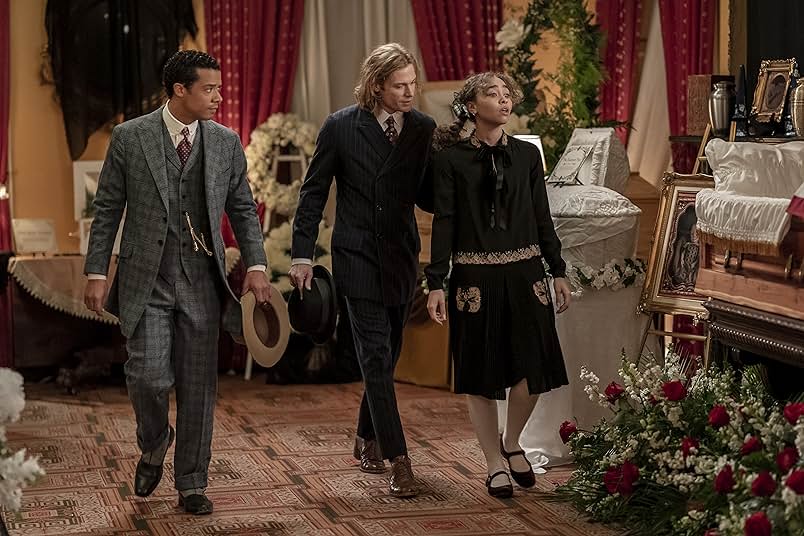
Rice’s iconic book has been adapted to the screen twice, reimagined with each interpretation. The 1994 movie leans into the homosexual undertones by using vampirism as a metaphor for the AIDS epidemic, granting new meaning to the idea of diseased or infected blood. Conversely, the television series that first started airing in 2022 changed Louis to be a wealthy Black man in 1910s New Orleans, offering another exploration of the Black vampire. Across iterations, one distinctly queer aspect remains intact: the idea of vampires creating found families.
The Vampire Diaries Series by L. J. Smith (1991–2011)
L. J. Smith’s Vampire Diaries series, adapted into a hit TV drama from 2009 to 2017, places the vampire romance into a high school setting. Elena Gilbert is a beautiful and popular high school senior who falls for the mysterious new boy, Stefan, and is confused as to why he avoids her flirtations. Eventually, Elena learns that Stefan and his brooding brother Damon are vampires, and her love for Stefan could prove deadly.

As in Dark Shadows, the idea of forbidden love is pervasive throughout The Vampire Diaries, with the added element of the love triangle between Elena and the brothers creating more drama. Bringing vampirism into the realm of teen romance highlights the volatility of all the characters’ desires. It also marks a shift where the female love interests wish to be turned into vampires themselves, so their love can remain eternal. This is a stark departure from the classic era of vampirism, where the condition was viewed as undeniably sinful and horrible, meant to be avoided at all costs.
The Southern Vampire Mysteries by Charlaine Harris (2001–2013)
The cozy vampire romance continues in Charlaine Harris’ Southern Vampire Mysteries, the books that the HBO series True Blood (airing from 2008 to 2014) is based on. The first book, Dead Until Dark, introduces readers to narrator Sookie Stackhouse, a telepathic waitress living in a small town in Louisiana. In Sookie’s world, vampires, werewolves, and fairies are all species that coexist with humans; in the case of vampires, this is due to Tru Blood, a synthetic blood invented to replace a vampire’s need to feed on humans. Sookie falls in love with Bill Compton, a vampire she meets at her diner, and for the first time, is swept up into the beautiful and terrible chaos of intimacy.
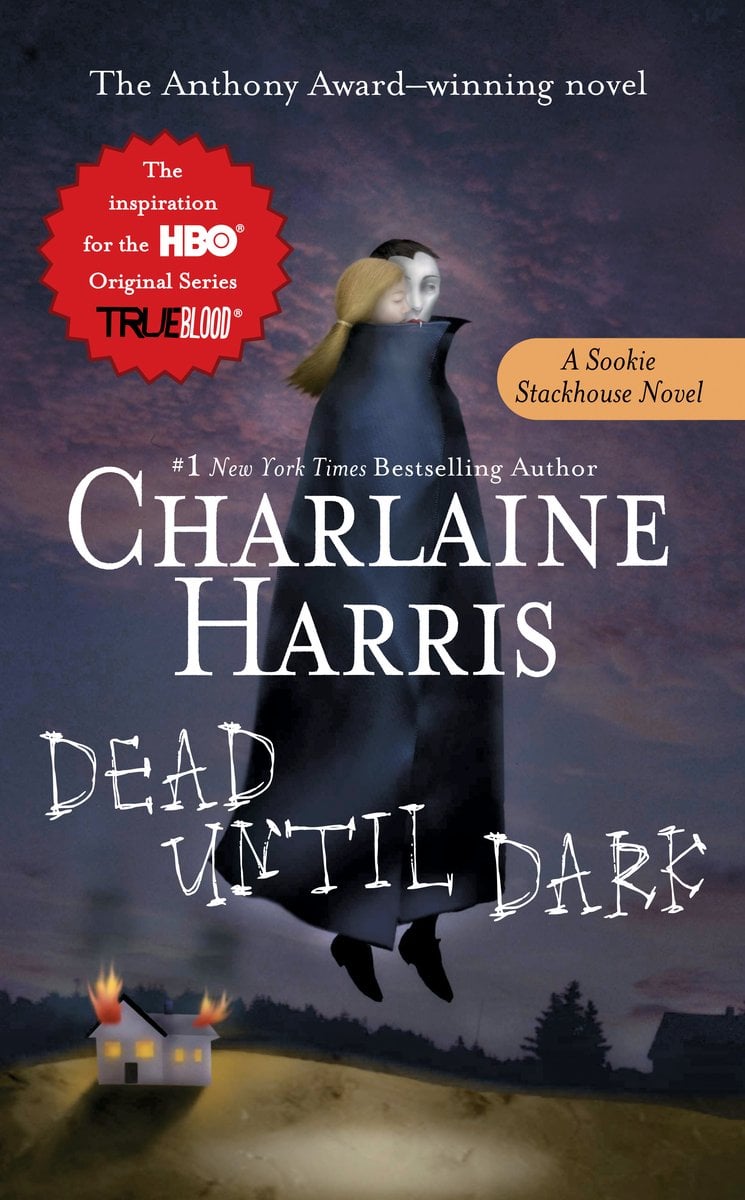
Aside from romance, Harris’s series also dabbles in political discourse and speciesism. Bill, along with many other vampires, lobbies for equal rights among humankind. Despite Tru Blood removing the threat vampires used to impose on humans, they continue to face prejudice as they attempt to assimilate and be accepted into society. The Southern Vampire Mysteries juggle both romantic and political themes in relation to vampirism.
The Twilight Saga by Stephenie Meyer (2005–2020)
Perhaps the most contentious series in the vampire genre, The Twilight Saga by Stephenie Meyer is a departure from the stories that came before it. The first book, Twilight, follows teenager Bella Swan, who goes to live with her father in the cold and cloudy town of Forks, WA. There, she becomes enamored with a mysterious boy named Edward Cullen, who she eventually learns is a vampire living with a found family of other vampires who move constantly to prevent suspicion from drawing near. While Edward and the rest of the Cullens subsist on animal blood, other vampires in the area still prefer human victims. Despite warnings from the other Cullens, Bella and Edward cannot resist their attraction, but the closer she gets to her vampire boyfriend, the more danger she invites on them.

The Twilight Saga is decidedly lacking in the traditional markers of vampire lore (i.e., burning in sunlight, sleeping in coffins, and shapeshifting). This is because, as Meyer admitted in a 2008 interview, she did little to no research on vampires before writing her books. Love or hate her decision, this choice allowed Meyer to leave her own mark on vampirism. Among the elements added to the canon are extra magical powers and an alternate explanation for avoiding the sun. In Meyer’s universe, every vampire is granted a unique special ability upon turning into a vampire; for example, Edward can read minds, and his sister, Alice, has the gift of prophetic visions. The vampires avoid sunlight not because it can kill them, but because it causes their skin to sparkle, revealing that their flesh is, in fact, made of a diamond-like substance that explains their super strength.
Meyer’s books were eventually adapted into film and became box office hits that have now garnered devoted cult followings. The Twilight Saga, similar to The Vampire Diaries, is a teen romance with a love triangle, yet what really sets it apart is Meyer’s original additions, proving that an over 200-year-old myth still has room to expand.
Discourse, Remakes, and Feminism: The Future of Vampirism in Media
Woman, Eating by Claire Kohda (2022)
Claire Kohda’s brilliant novel Woman, Eating fixates on the never-ending hunger of vampires. In the novel, half-Japanese vampire Lydia longs more than anything to be able to eat the delicious human food she sees online and in person, but her condition only allows her to digest blood. Lydia, however, refuses to prey upon humans, opting instead to drink pig’s blood, which proves surprisingly difficult to find near her new studio apartment in London. Lydia spends her days painting in isolation and longing to join the human world, where she could eat all the food she wants and give in to her attraction to a cute artist she met named Ben.
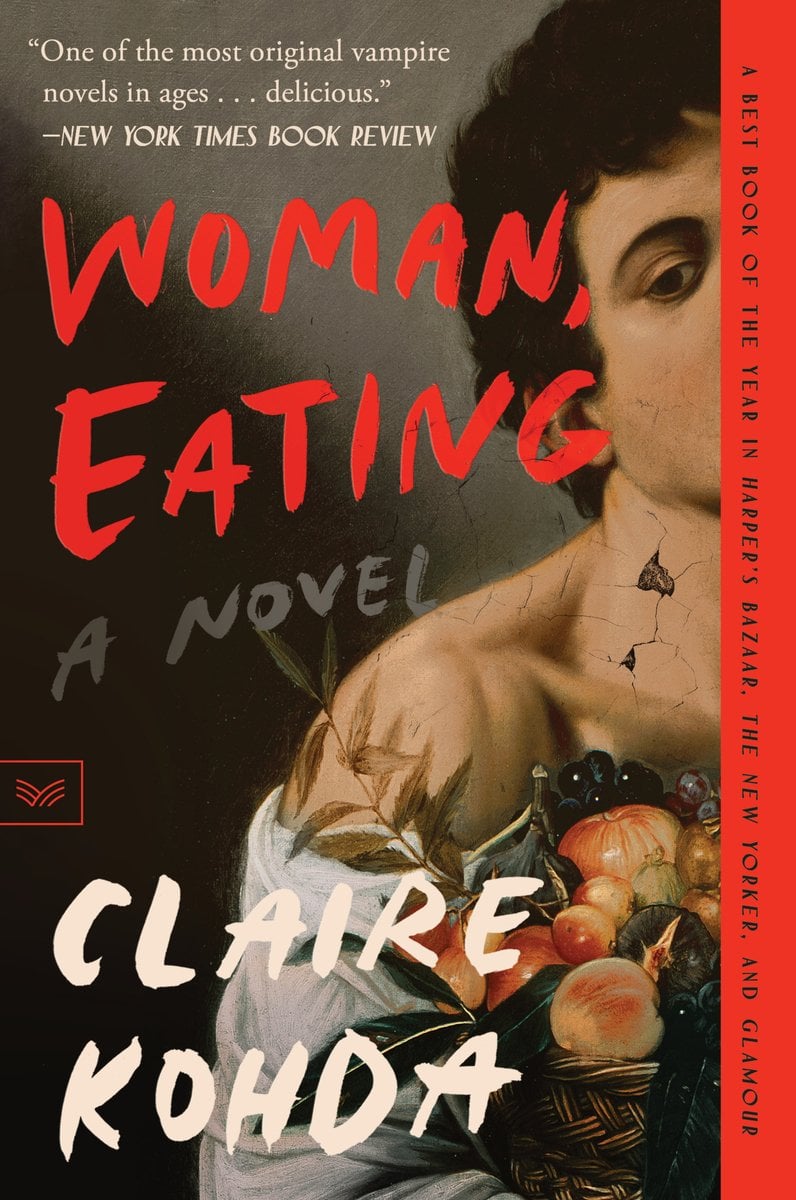
A blend of romantic and political vampirism, Kohda’s book draws on the legacy of the writers who came before, particularly in its exploration of racial identity, female empowerment, and self-actualization. Lydia feels detached from her Japanese heritage due to the limitations of her vampirism — a commentary on the struggles of mixing cultural identities. Her relationship with food recalls the historically feminine crisis of disordered eating and poor body image. Lydia is obsessed with human food, yet is unable to eat it. Her journey in Woman, Eating is to come to terms with her vampirism and learn to accept her condition as a facet of her personhood.
Hungerstone by Kat Dunn (2024)
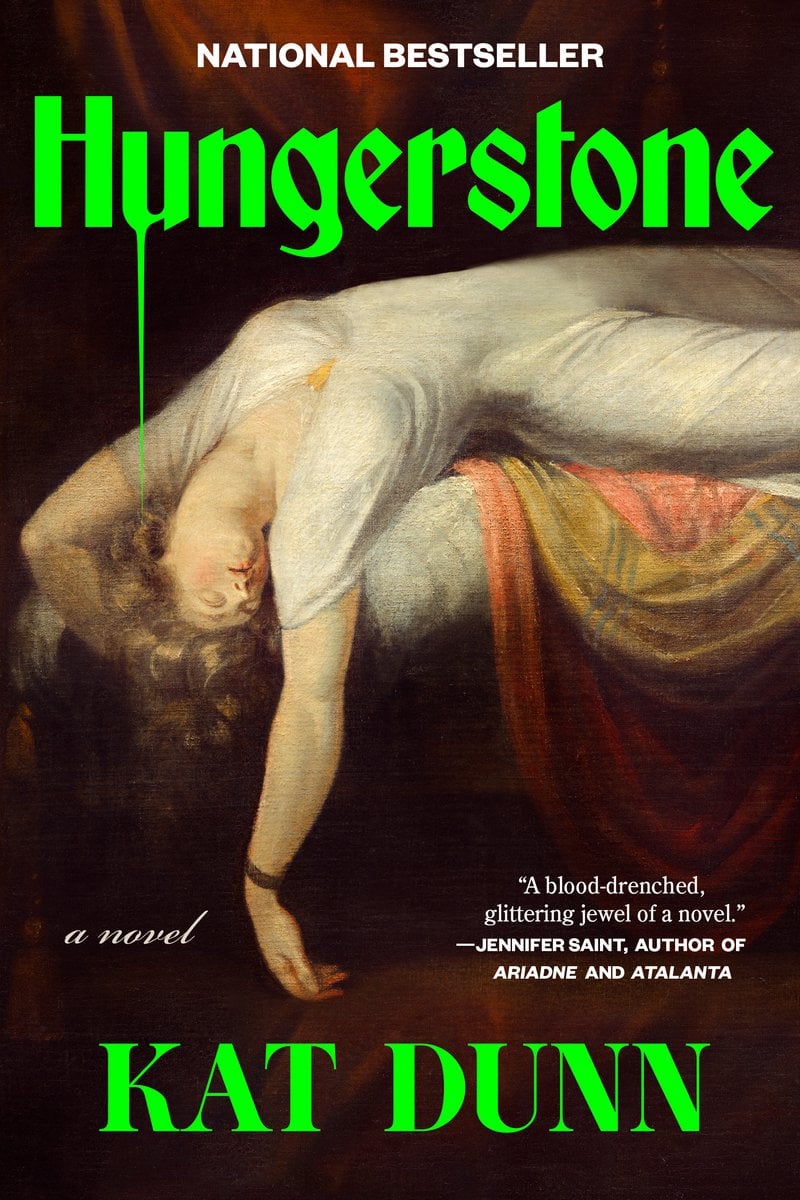
A retelling of Carmilla, Kat Dunn’s Hungerstone takes the lesbian themes of Sheridan Le Fanu’s book and explores them with fervor. In this novel, the vampire Carmilla plays the same con of the original story on a woman named Lenore, who has grown distant from her husband of ten years. Carmilla enchants Lenore with her seductive energy, and Lenore is soon consumed by a dark craving for the woman that mimics the vampire’s own obsession for blood. Dunn expertly unravels the sexual shame lying within the vampire motif, while also exploring the complexities of womanhood.
Nosferatu (2024) and Sinners (2025)
Aside from literature, recent vampire movies continue to illuminate the potential of these stories for a modern audience. The 2024 remake of Nosferatu goes beyond the classic thrills of the original silent film. Director Robert Eggers further incorporates the metaphor of sexual shame into the movie’s vampirism. When the villainous Count Orlok goes after Ellen Hutter, his predatory nature tips into full sexual assault, and Ellen’s Victorian sensibilities cause her to internalize the shame of her sexual abuse. Despite taking place in the 1800s, this theming of victim-blaming is incredibly relevant today, with many survivors of assault fearing societal repercussions for coming forward.
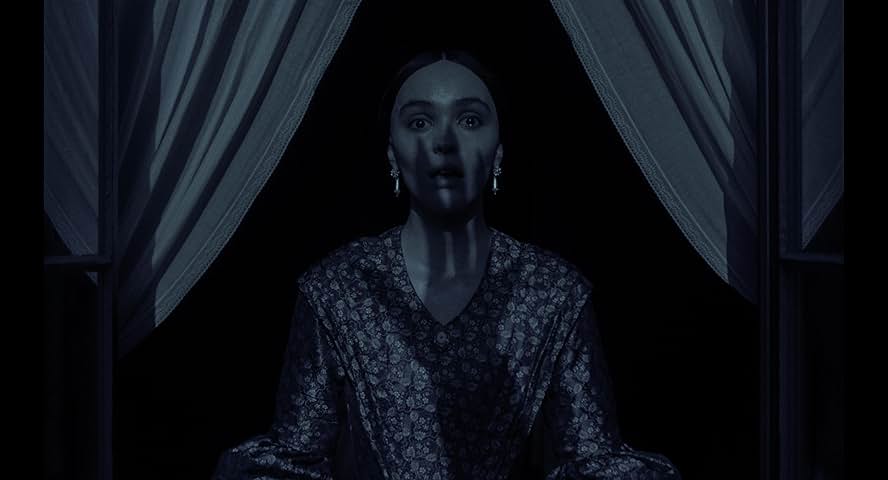
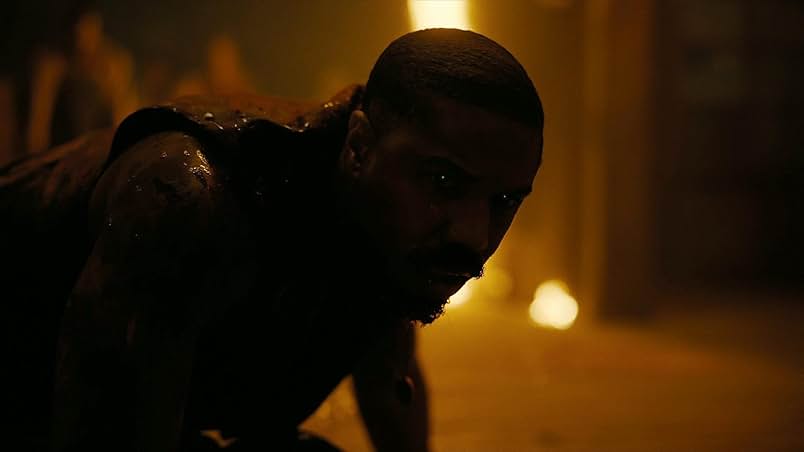
Sinners, released in 2025, builds on the legacy of the Black vampire, specifically in its relation to White supremacy and freedom from oppression. Taking place in the Jim Crow South, Black twin brothers Smoke and Stack turn an old sawmill into a juke joint for the local Black community. Their gathering is discovered by an Irish-immigrant vampire named Remmick, who seeks to recruit them into his hive mind. Remmick, who has also been a victim of persecution by White supremacists, offers vampirism under the false promise that it will grant them true freedom. Director Ryan Coogler’s screenplay echoes the sentiments in The Black Vampyre and The Blood of the Vampire, albeit with a much more sinister angle.
The vampire embodies sin itself, challenging audiences’ perceptions of deviance, purity, and control. As society evolves over time, vampirism also adapts in response to each shift, consistently capturing the underlying scandals of every era. From the anti-immigration anxieties of Dracula to the racial commentary of The Blood of the Vampire to the romantic entanglements of Hungerstone, vampire stories succeed in unlocking our fears and igniting our passions. The vampire may have begun as an irredeemable monster, but the creature’s tantalizing potential eventually granted it the position of romantic hero, all the while inspiring our sympathy and curiosity. In a world still rife with sexual shame and racist ideologies, the vampire remains a relevant tool for investigating and deconstructing the monstrosity hidden within us all.
Click here to dive into the history of another classic monster: the zombie.
Expand your literary horizons on our Bookstr Trivia bookshelf.