








While stories from all cultures should be celebrated year-round, with Asian American and Pacific Islander Heritage Month upon us, we wanted to take a moment to spotlight a few of the coolest, funniest, most exciting, and most powerful books released in 2025 that also happen to provide some awesome AAPI representation. We’ve even got some sneak peeks at upcoming titles that you’ll definitely want to keep an eye out for! So pull up your TBR list, scroll down, and check out these amazing children’s titles from AAPI creators.
Picture Books
Filo’s Butterflies by Litea Fuata, Illustrated by Myo Yim

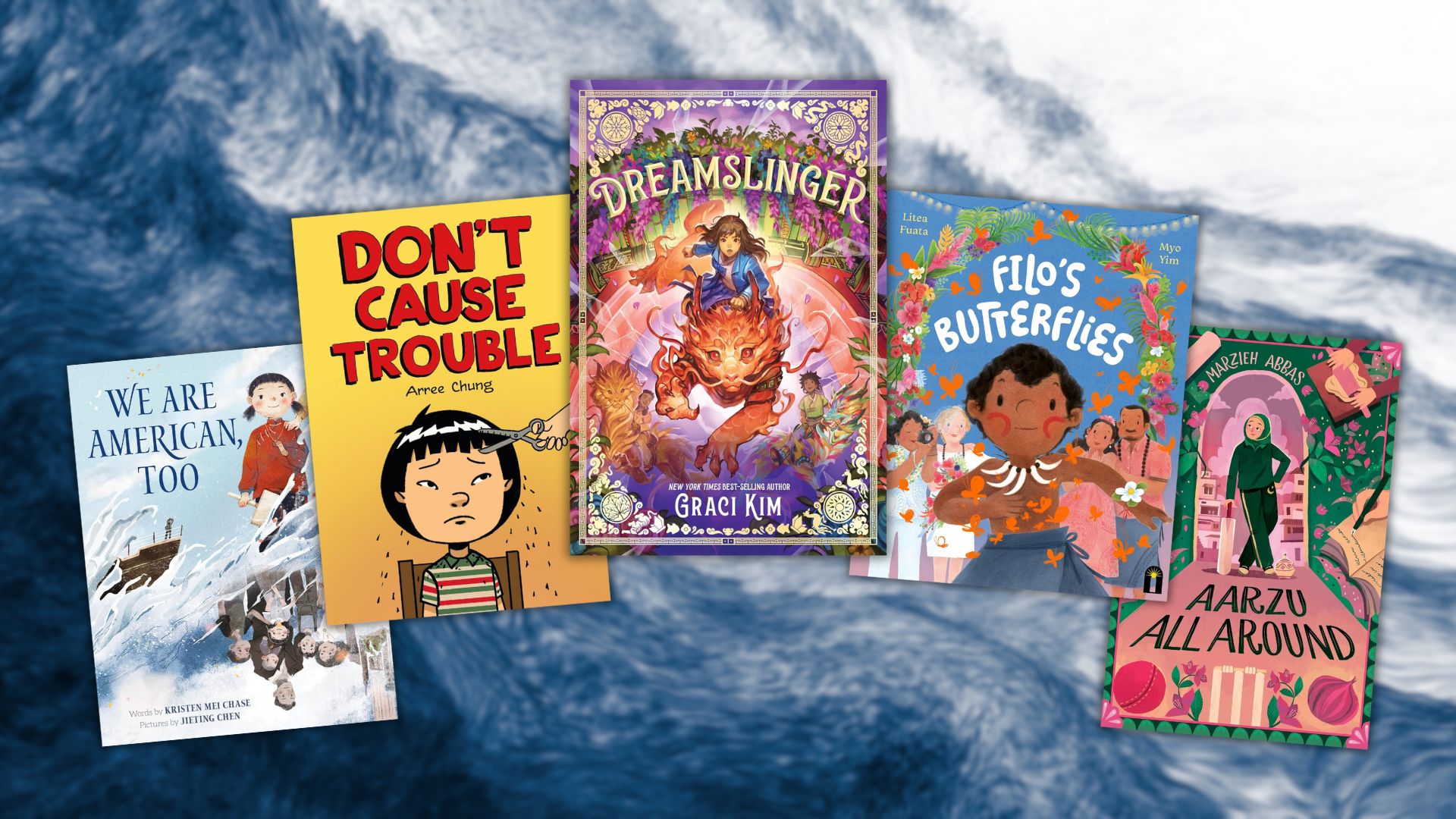
Filo’s aunties are getting married, and they’ve asked Filo to perform a traditional Samoan dance, the siva fa’ataupati, at the reception. Filo’s worked hard to practice his steps, but when the big day arrives, he can’t help but be distracted by a fluttering in his stomach — his butterflies! Will Filo find the courage to perform the siva when the time comes? A great story of overcoming nerves combined with a loving look at Samoan wedding celebrations (plus some always-welcome LGBTQ+ representation to boot)!
Remember by Dac Trung Tran
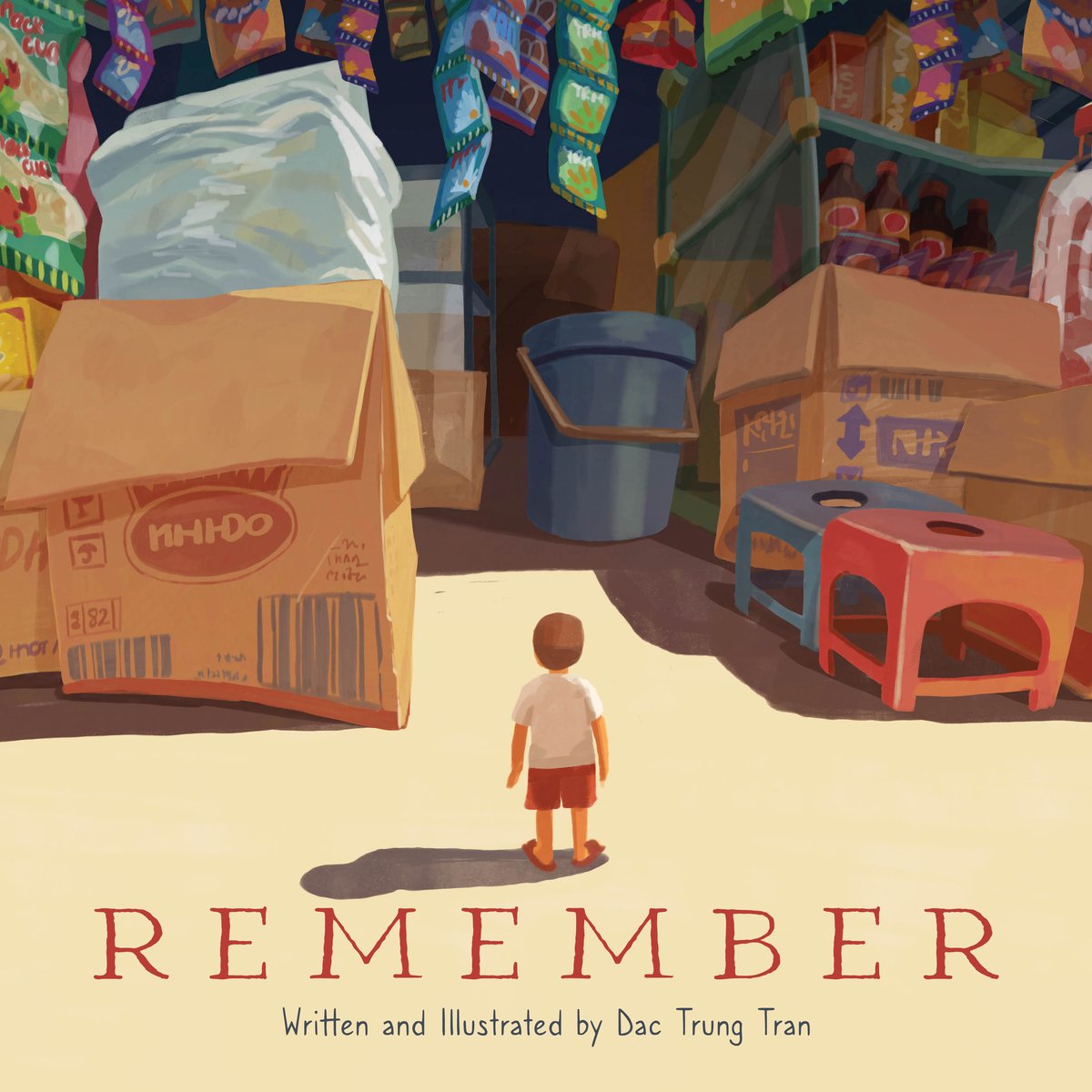
A young boy awakes to a note from his mother, who has had to leave early for work. The note instructs him to do his chores — watering the plants, getting melons from the market — while also reminding him to have courage, be considerate, and value both his learning and his playtime. The boy takes each of his mother’s written instructions to heart, navigating a world that seems impossibly tall and vast for such a small boy. Still, he perseveres and is met with a warm hug at the end of the long day. A beautiful ode to the love between mother and child and to what it feels like for a child to grow into their world.
The Greatest River by Namita Moolani Mehra, Illustrated by Khoa Le

With her mother ill, Ananda and her aunt are journeying to the river Ganga to gather some of its healing waters and pray for her. Ananda reminisces of the stories her mother has told her about the river: that it is born of a glacier high in the Himalayas and that it is revered by many as a goddess. When the girl and her aunt slip into the cool waters, Ananda feels a sense of peace and hope. After praying, listening to hymns, and collecting both a stone and some of the water (after asking the river’s permission, of course), she begins the journey home, eager to share the calming experience with her mom.
Smiling Eyes by Linda Sue Park, Illustrated by Lenny Wen
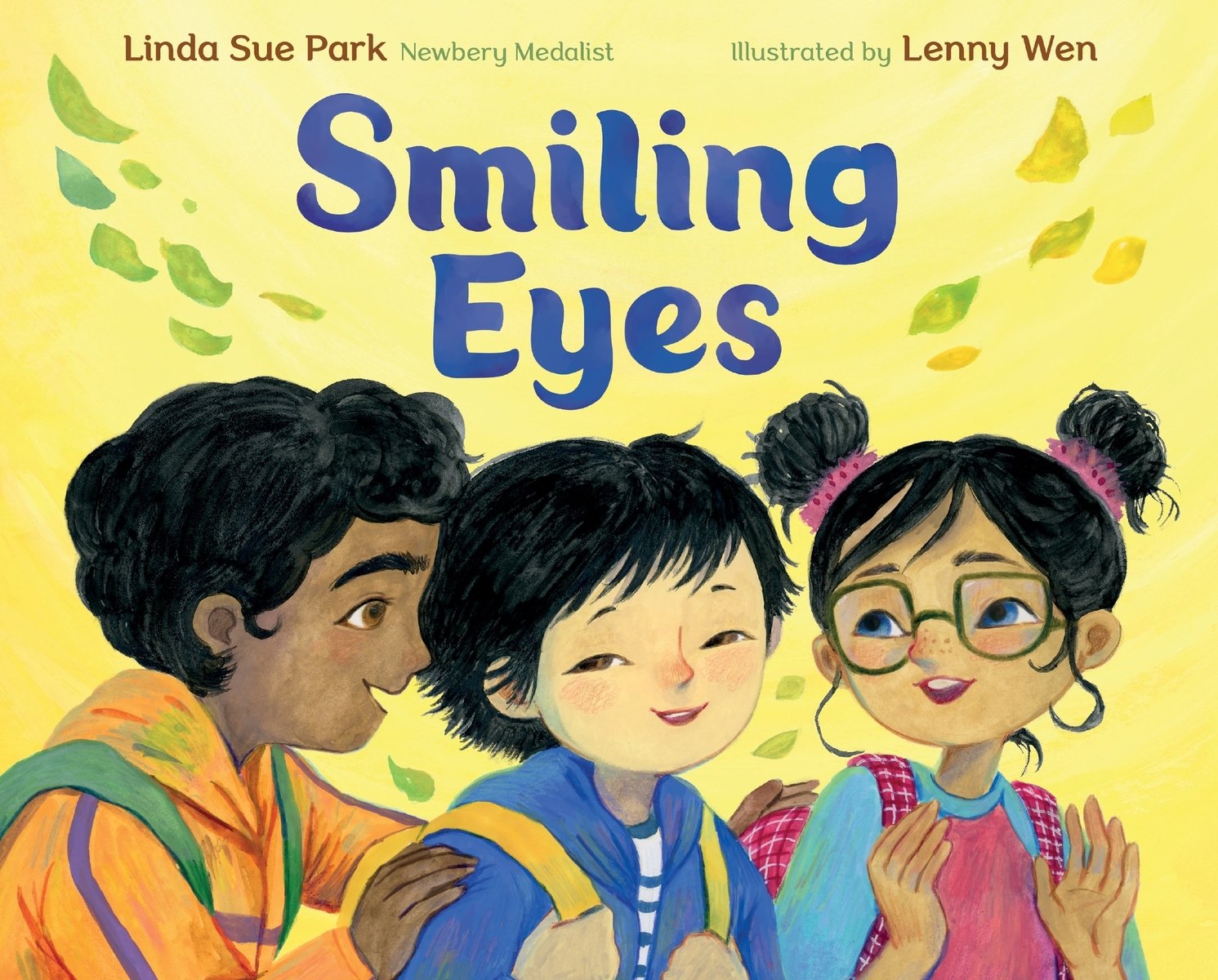
A young child opens their eyes one morning, eager to see the world. In his kitchen, the eyes of his family are smiling, bright, and twinkling; at school, his friends’ eyes are shining, wide, and surprised! The boy muses on all the lovely eyes he sees — their beautiful array of shapes, colors, and, most importantly, the wonderful people behind them. This is a wonderful exploration of eyes in general, but a particularly powerful one in its showcase of the diversity in Asian eye shapes and hues, and one that lets children who share these features recognize the beauty of their eyes.
Every Peach Is a Story by David Mas Masumoto & Nikiko Masumoto, Illustrated by Lauren Tamaki
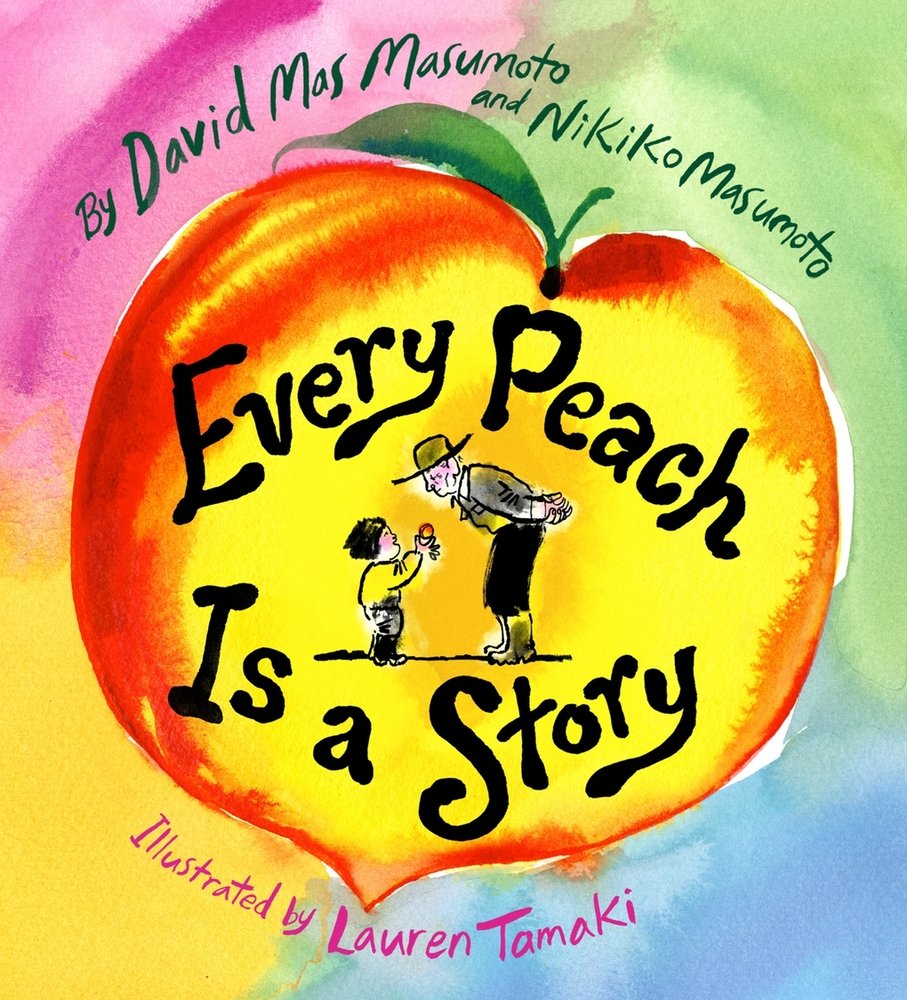
Midori is on a mission to find a ripe peach in the rows of her family’s orchard today, but is discouraged when the first one she bites into is too hard and crunchy. Her Jiichan, or grandfather, advises her to be patient and wait until the peach tastes like a story. He reckons that the peaches are like their Japanese-American immigrant ancestors when they’d first arrived; they need time to settle and grow. As time passes and the peaches ripen, Midori’s family imparts wisdom on planting roots and finding belonging. At last, Midori bites into a fresh peach and finds seeds — the start of the next generation.
Powerful Like a Dragon by Christopher Cheng, Illustrated by Jacqueline Tam
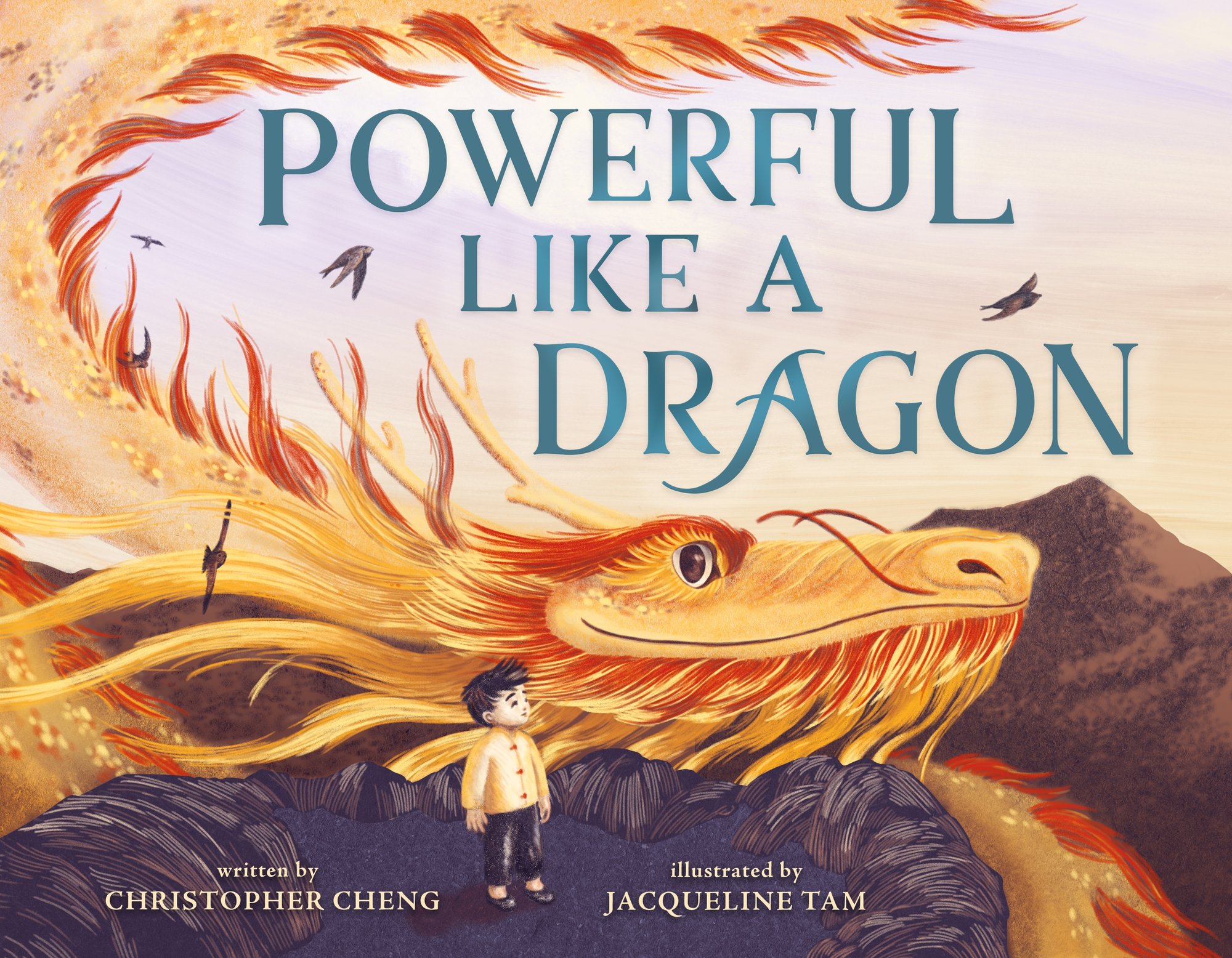
Shu Lok had no notion that there was a war until the occupying forces arrived in his village. While his parents make the difficult decision to stay, Shu Lok and several other children must leave alongside the boy’s grandfather and several of their village’s laborers. His father advises him to be “powerful like a dragon,” but this is difficult during cold nights with nothing to eat. Drawing from the true story of his uncle’s flight from Hong Kong as a child during the Japanese Imperial Invasion, Cheng tells an inspiring story of the indomitable, unimaginable courage it takes to survive war as a child.
Nainai’s Mountain by Livia Blackburne, Illustrated by Joey Chou
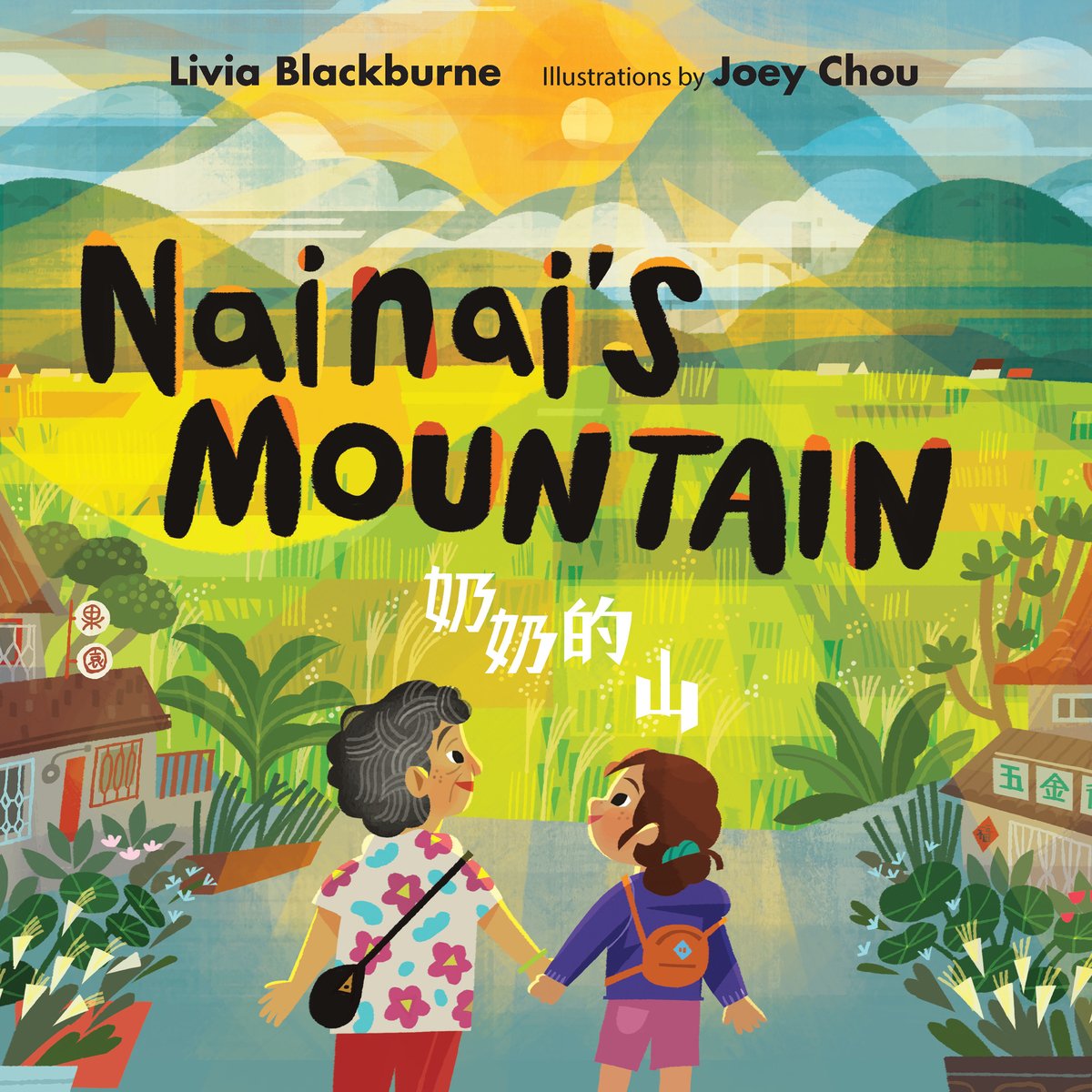
It took a long plane ride for the little girl’s family to get to Taiwan, so when the child woke up in the dark, she felt a bit disoriented. Her Nainai, or grandmother, is up and offers to take the girl to view the sunrise from the nearby mountain. Along their way, Nainai reminisces about growing up in Taiwan, and they stop to greet the woman’s old friends. When the little girl wonders if Nainai misses Taiwan, her grandmother assures her that while she loves her country of origin, she is happy to be in California because “California has you.” A beautiful love letter to Taiwan and a lovely meditation on having more than one home.
Music of the Mountains by Sabrina Shah, Illustrated by Manal Mirza (Coming May 20th)
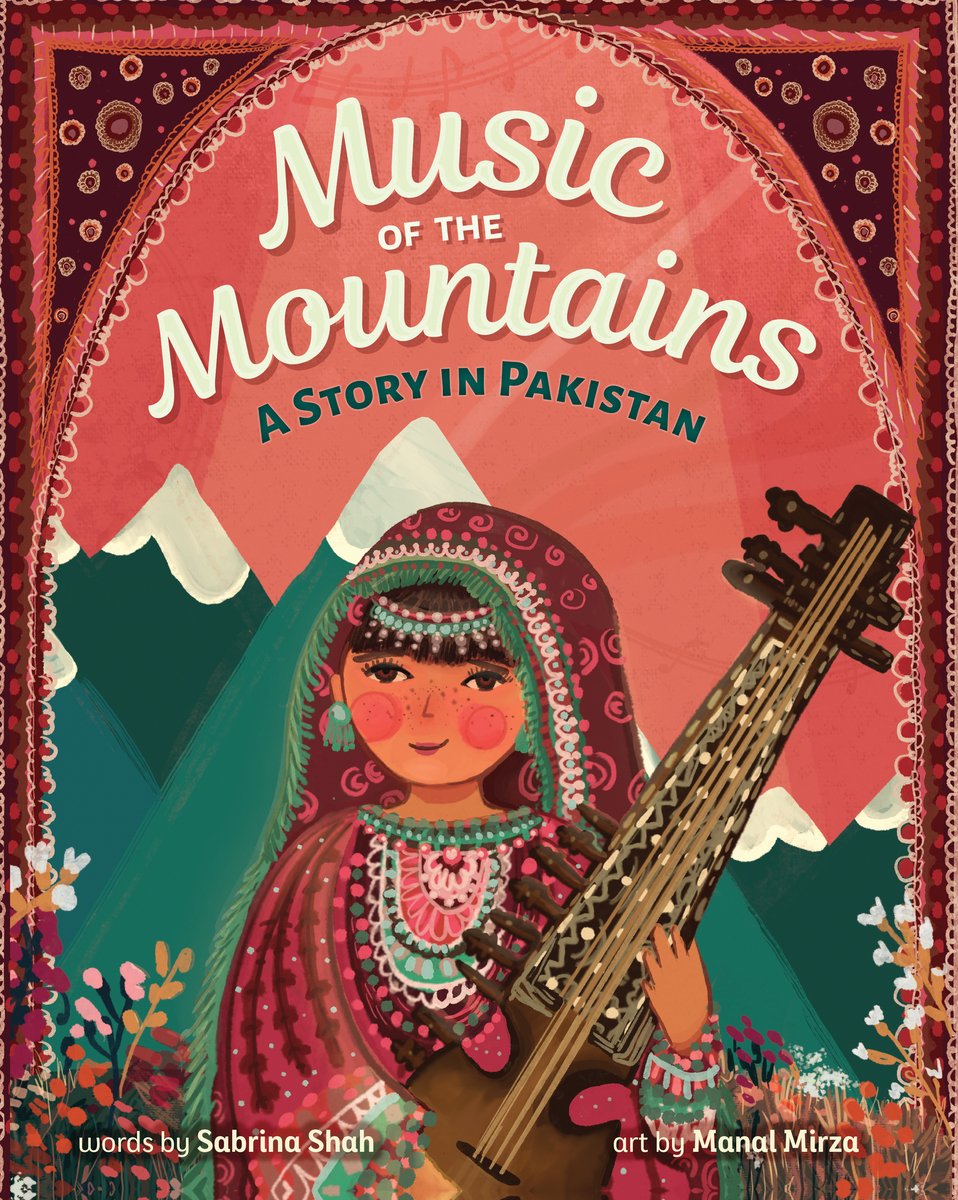
When Roohi’s grandfather Neka Baba plays the rabab — a traditional stringed instrument of the Pashtun people of Pakistan — there is simply no sound more beautiful. Roohi is working hard to learn to play like her grandfather and even has an upcoming performance at school for Eid. Yet, when Neka Baba becomes ill, Roohi loses her confidence without his guidance and expertise. Will Roohi miss her opportunity to play, or will she find the rhythm inside her like Neka Baba promised she would, along with her own unique voice?
We Are American, Too by Kristen Mei Chase, Illustrated by Jieting Chen (Coming June 10th)
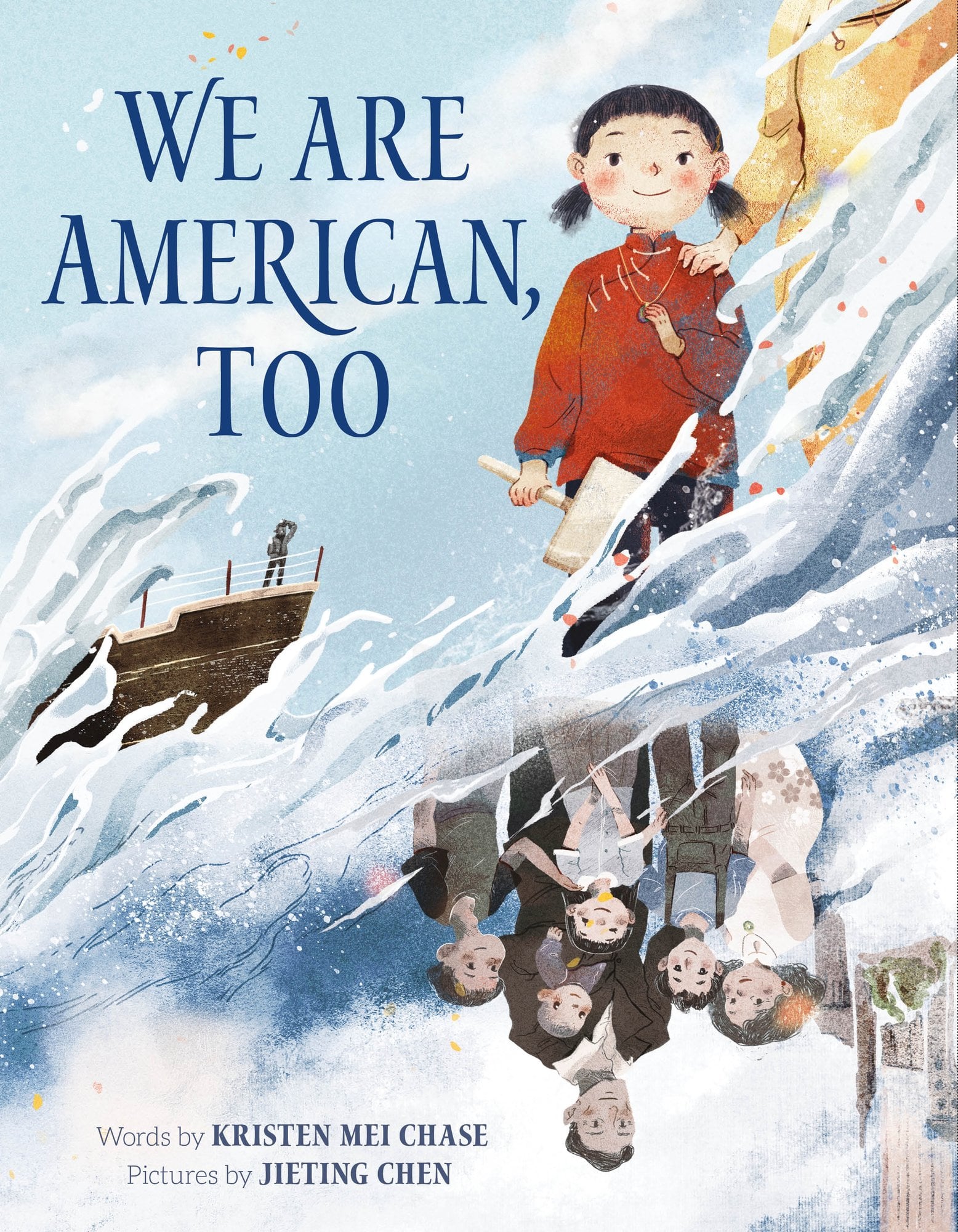
Mei’s family has deep ties to the Asian American history of Washington, D.C.; her great-great-grandfather was the second American-born person in the district. As the family does a walking tour of their ancestors’ history and learn more about Mei’s lineage, they come upon a protest against Asian hate. Mom invites Mei to share their family’s story with the crowd, where her confidence grows, and she concludes with the titular words. An important and empowering look for young readers at not only the legacy of Chinese-American immigration but also at the modern issues facing the AAPI community and how to rally against them.
Sarang Saves the School by Korena Di Roma Howley, Illustrated by Joowon Oh (Coming July 8th)
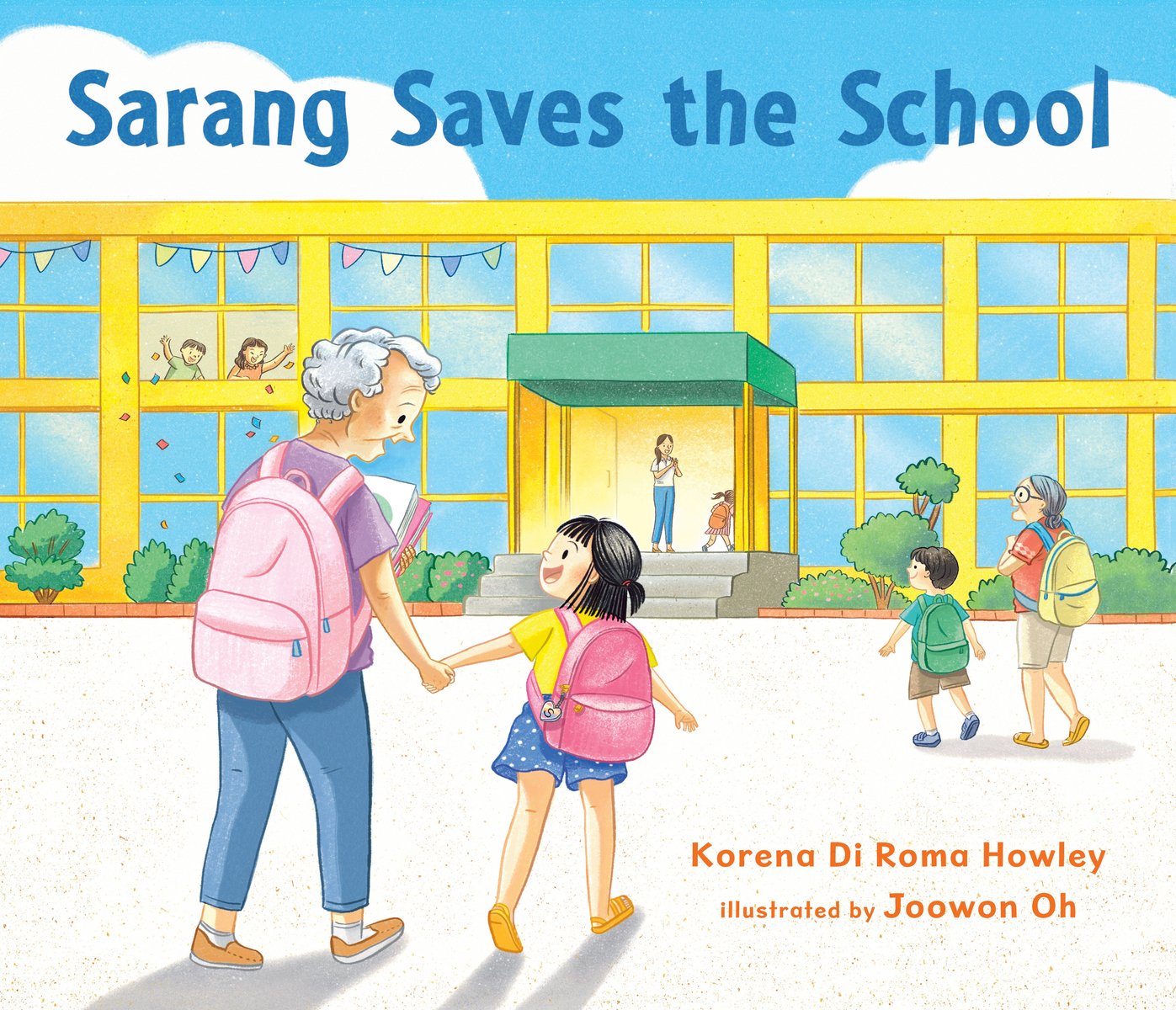
Based on a true story, this title begins in a small seaside fishing village, where young Sarang worries that, like many local families, hers may have to move to the city if she wants to continue school. With fewer and fewer students, the school struggles to remain open. However, while talking with her beloved Halmeoni, or grandmother, on the importance of education — something that was denied to Halmeoni and the other elder women when they were girls — Sarang comes up with a brilliant idea. What if the students that her school needs have been living there in the village all along?
Middle Grade
Girls to the Front: 40 Asian American Women Who Blazed a Trail by Niña Mata
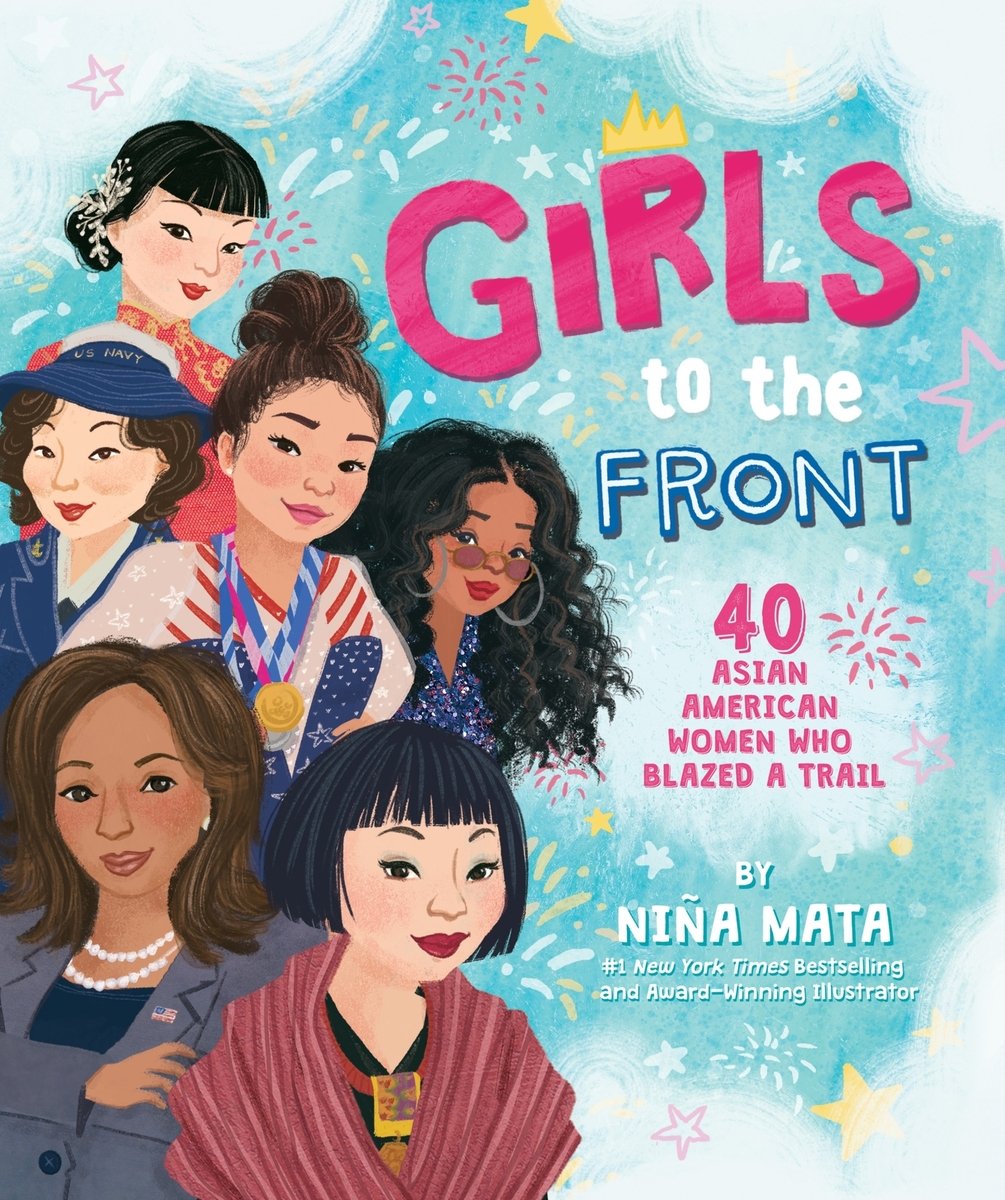
Mata nails it in her foreword: “What if I had opened a book and it told me an extraordinary story about a girl who looked like me?” A stunning compendium of 40 AAPI women and their contributions to the arts, science, sports, business, the military, and beyond, this title celebrates big names like Kamala Harris, Anna May Wong, and H.E.R., as well as potentially lesser-known heroes such as Dr. Chien-Shiung Wu and Gyo Fujikawa. Along with a peek into the larger history of the Asian American community in the U.S. — including the many challenges faced — this empowering collection of girl power will have readers cheering.
How to Draw a Secret by Cindy Chang

Young artist Cindy loves nothing more than creating a “perfect” drawing; things are often a lot simpler on paper than in real life. After all, she’s been holding on to a family secret that no one at school can know: her Bàba left their family and moved back to Taiwan four years ago, ostensibly to work. So when Cindy is encouraged to enter an art contest with the prompt “What family means to me,” she’s not sure what to do. Should she draw the truth, or should she draw the perfect family? A moving debut graphic novel based on Chang’s childhood, this coming-of-age story is a powerful reflection of what makes a family.
Rick Kotani’s 400 Million Dollar Summer by Waka T. Brown
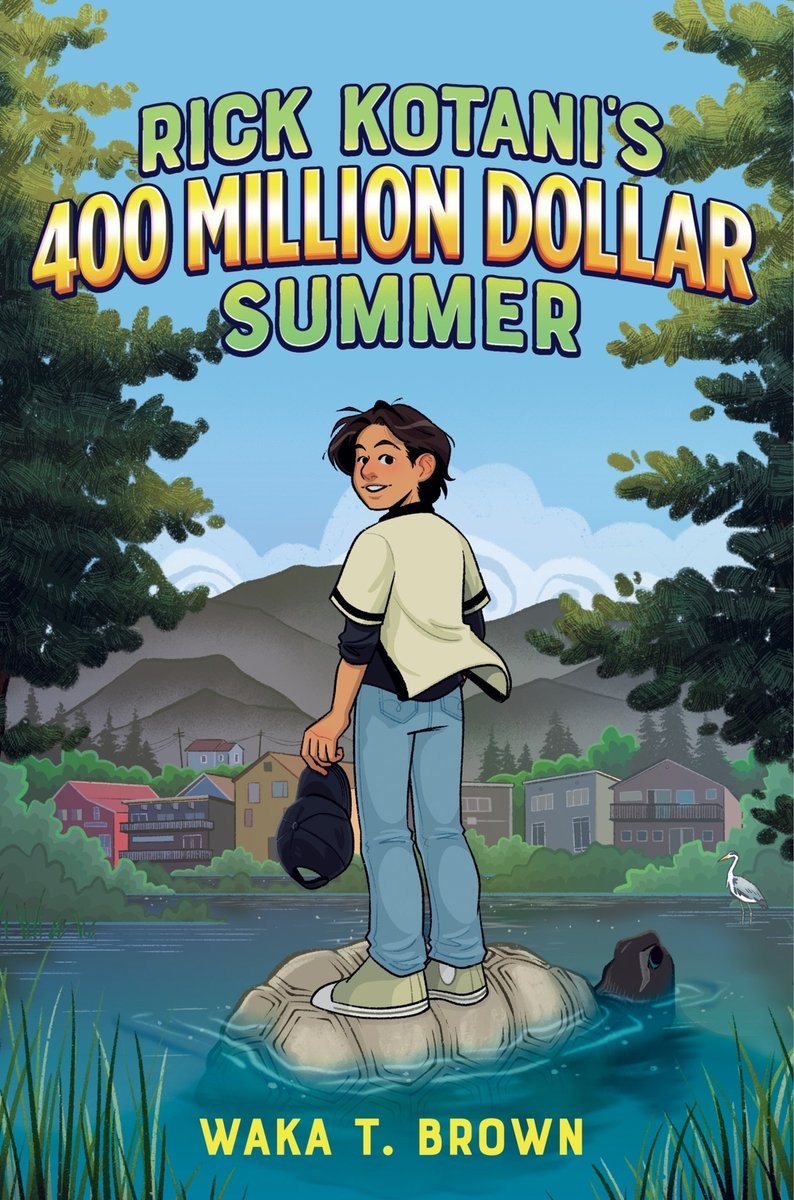
When twelve-year-old Rick Kotani learns that his favorite baseball player, David Martinez, has turned down a huge contract, he can’t imagine why. He’s still pondering it when his mom drags him away from his plan of playing baseball all summer with his friends to check on his grandfather in Oregon, a man he hasn’t seen in eight years. Weaving together family secrets, toxic competition culture, and the Japanese folktale of Urashima Taro, Rick will find out that the summer was destined to be far more exciting — and enlightening — than he had expected.
Vanya and the Wild Hunt by Sangu Mandanna
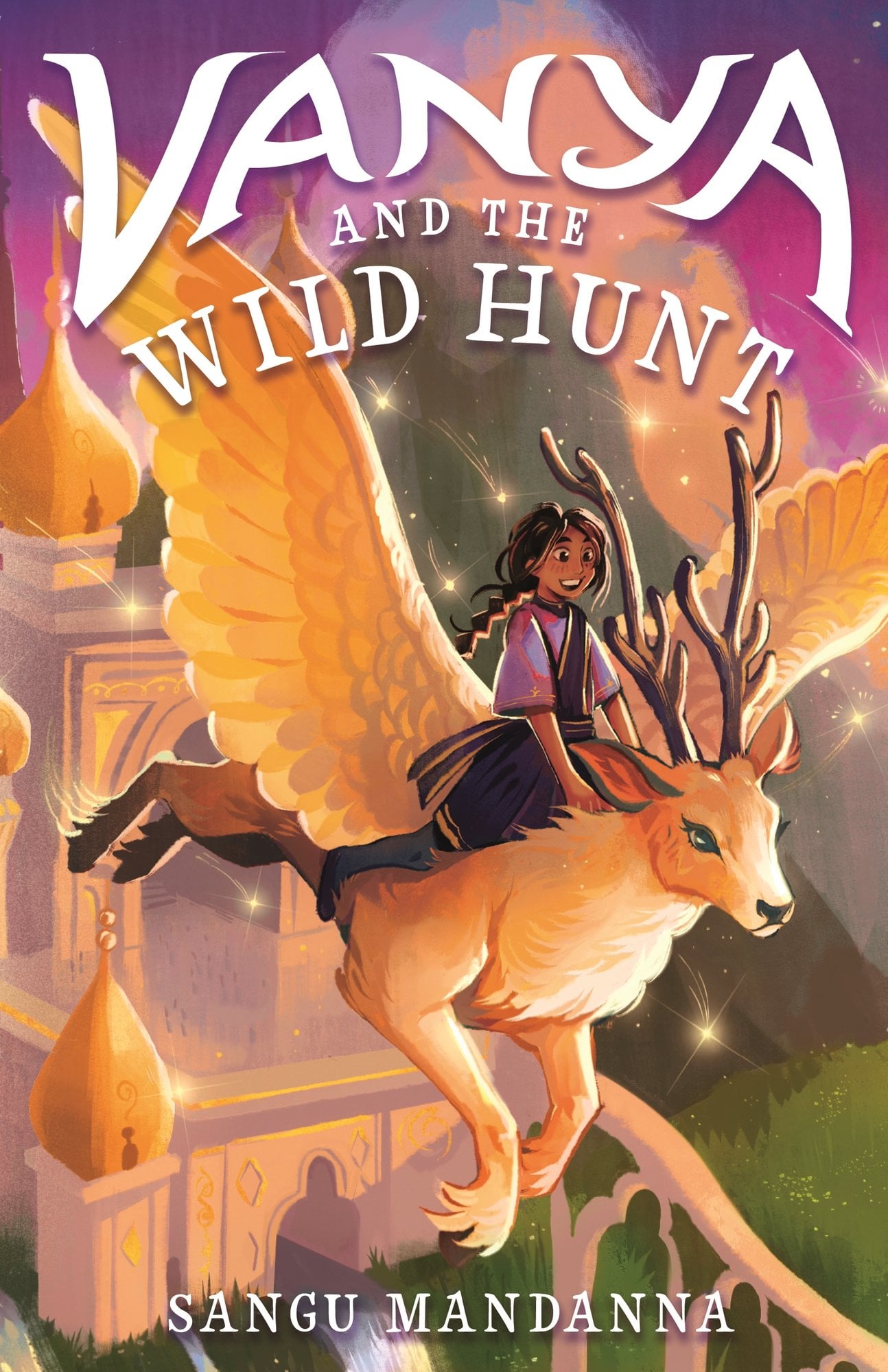
Vanya is having a tough time fitting in: she’s British-Indian in a mostly White town, her ADHD gets her in trouble at school, and she has a strange habit of talking to the books in her parents’ bookstore (all the stranger, the books often talk back). However, after a run-in with a creature Vanya thought only to be a fantasy, she is whisked off to a magical school called Auramere, where she will discover new gifts, make new friends, and maybe even save the school from an evil force called the Wild Hunt. Perfect for fans of coming-of-age fantasy, this fantastic read also offers some awesome neurodivergent representation in its main character.
Dreams to Ashes: The 1871 Los Angeles Chinatown Massacre by Livia Blackburne, Illustrated by Nicole Xu
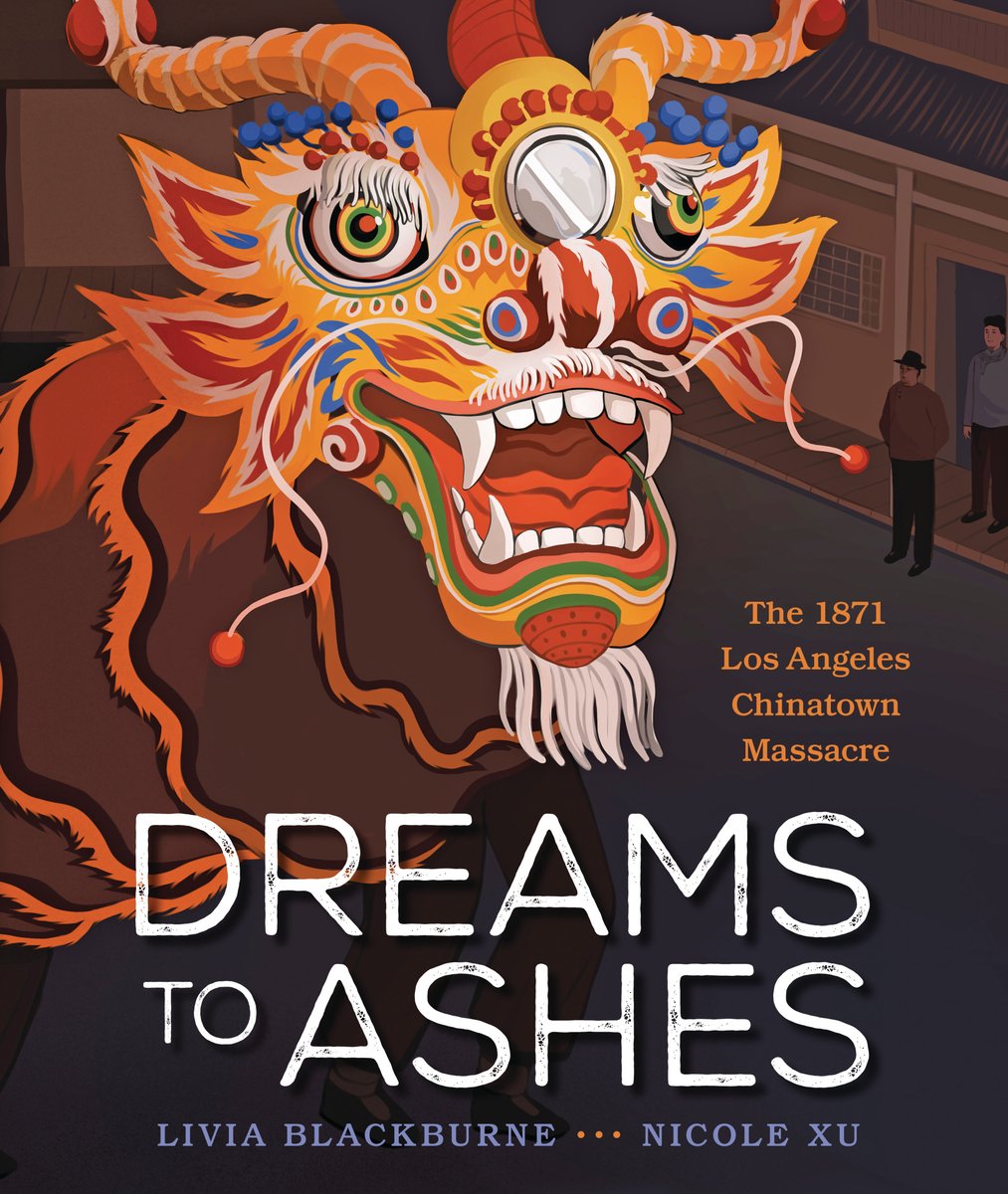
Sadly, discrimination and violence against the Asian American community are nothing new in the United States. When an influx of Chinese-American immigrants arrived on the West Coast during the 1800s, they built homes and developed communities to support themselves and their families. One of the larger settlements was in Los Angeles, containing stores, homes, and businesses established by the residents. Fueled by racist newspaper articles and xenophobia, a mob destroyed the town on October 24, 1871, looting stores and killing eighteen people. A somber yet immensely important account of a little-known event that needs to be better known.
Don’t Cause Trouble by Arree Chung
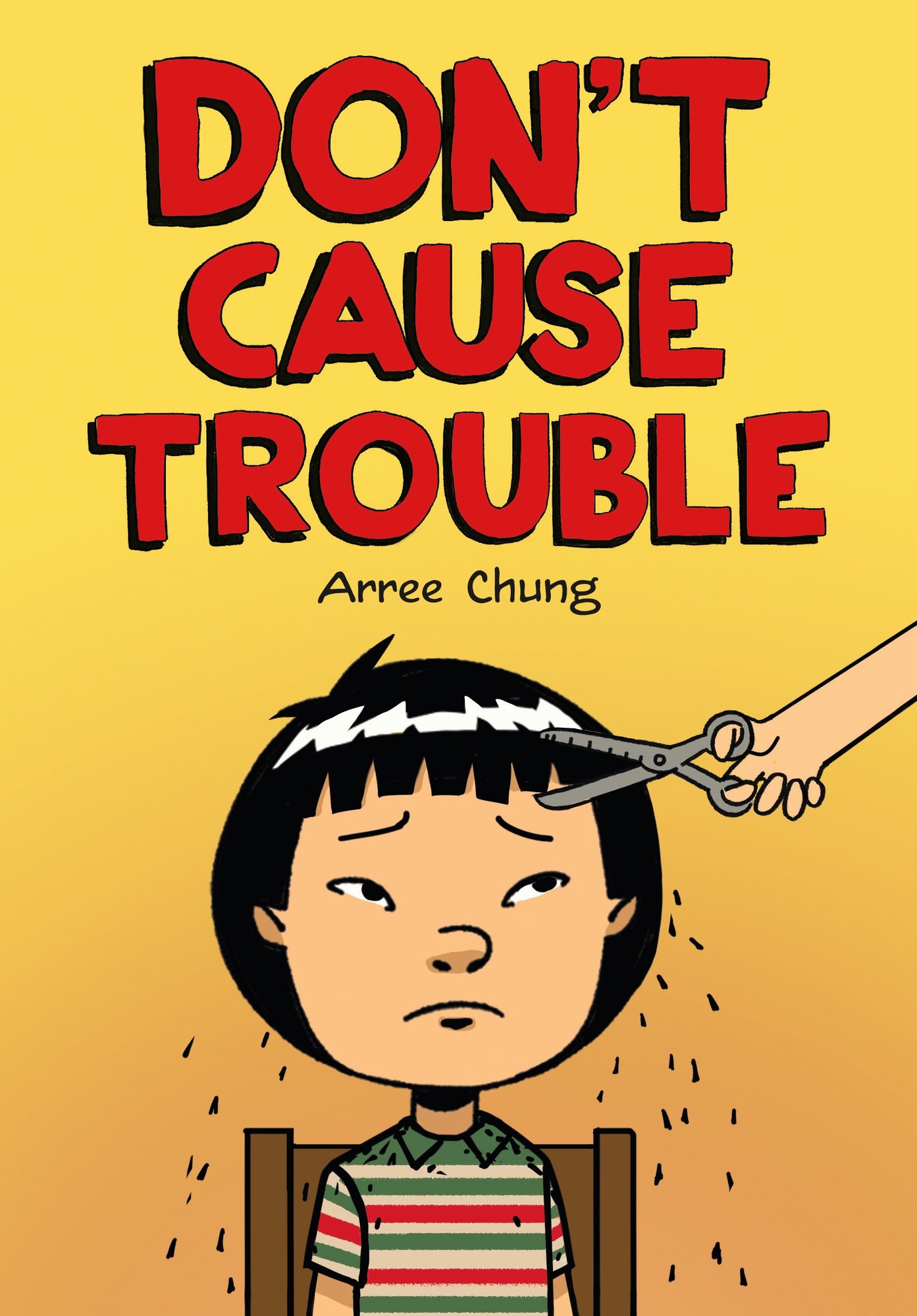
Being a first-generation Chinese-American can be tough, especially when you’re Ming Lee. His mom insists on giving him the same bowl-cut he’s always had, his dad repeatedly tells him, “Get good grades! Don’t cause trouble!”, and on his first day of middle school, they put him in the ESL class — despite English being his first and only language. While making some awesome friends in Vikuam and Marcus helps, Ming just wishes something could go his way, like getting a brand-new (and too-expensive) pair of Air Elevates kicks. A funny, cutting, and heartwarming glimpse at the experience of growing up first-gen, this one is a crowd-pleaser.
Dreamslinger by Graci Kim
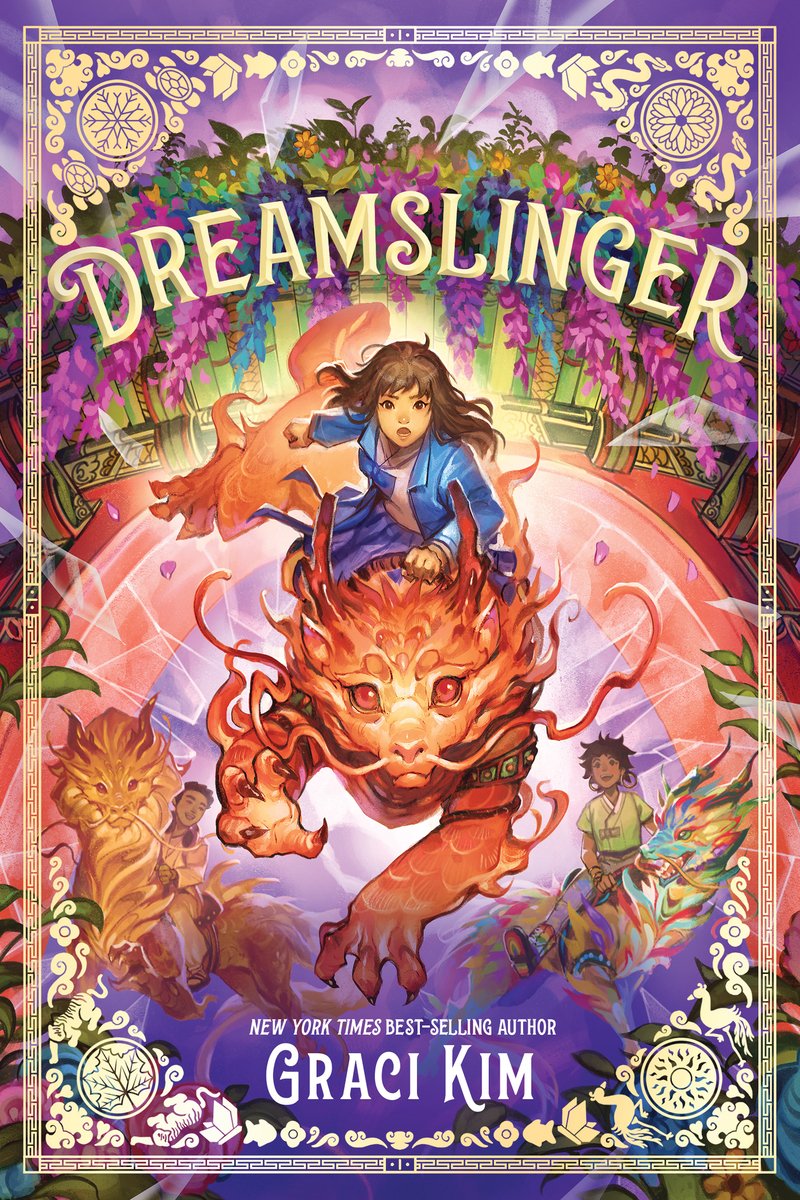
Since the Great Outburst 10 years ago, the world has perceived dreamslingers — children born with a genetic mutation that allows them to transport to a realm of powerful magic when they sleep — as threats to the safety of humanity. Aria knows this better than most: her mother was killed in the Great Outburst, her father is a leading expert on Dreamslinger Welfare, and she is a dreamslinger who rigidly controls her powers. However, when the Kingdom of Royal Hanguk opens its Royal Slinger Trials to teenagers for the first time, Aria agrees to go as part of a covert operation for the governor of Texas. This thrilling series opener explores identity, emotion, and community in magical style.
Yellow Singing Sail: A Memoir of an Only Child in China by Yinfan Huang (Coming June 3rd)
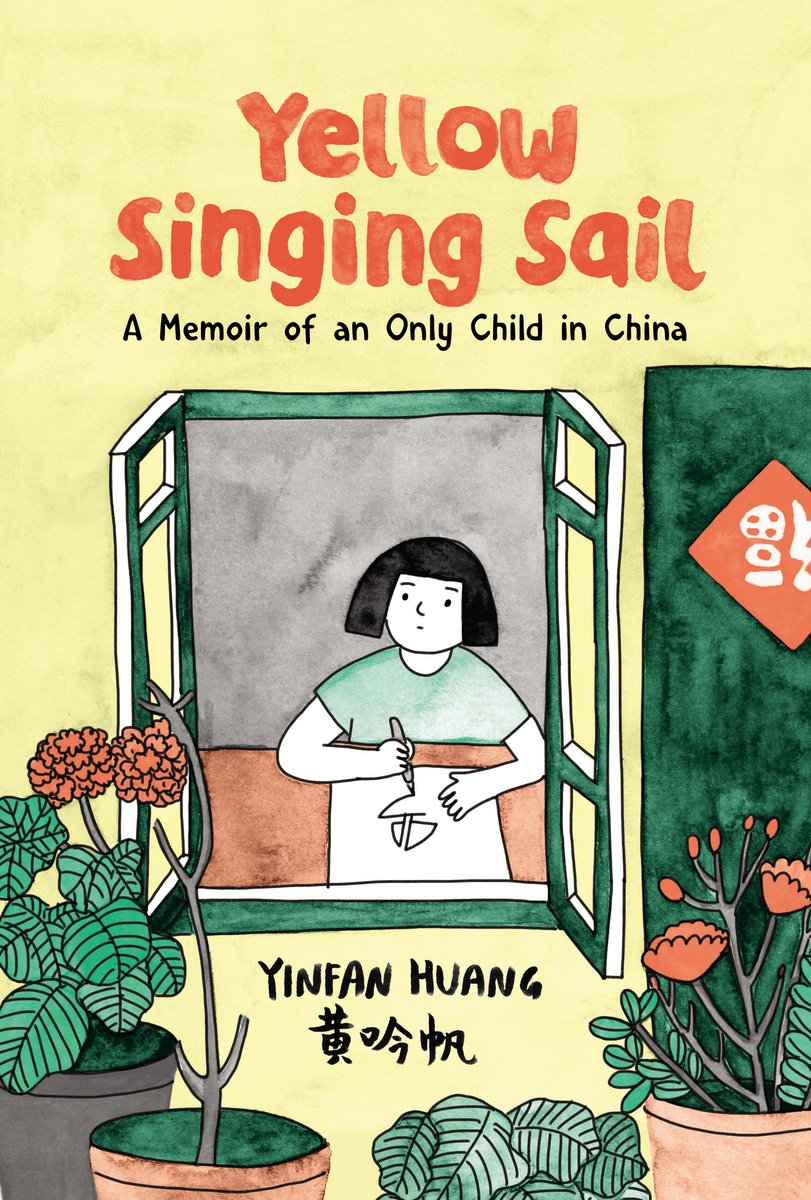
Coming-of-age is, more often than not, a relatable experience, and Huang’s graphic novel memoir is proof of that. Growing up in the small county of Xintian, Yinfan’s early childhood was filled with encouragement to be bold, curious, and creative. Upon entering school, however, her free spirit is inhibited by strict rules. Then, just as she’s starting to get the hang of things, her parents move them to the big city of Guangzhou, where Yinfan must confront adolescence in a brand new environment. With universal tweenhood woes such as pushy relatives, making and losing friends, testing boundaries, and finding oneself, this moving memoir offers a glimpse into growing up in 1990s China.
The Boy, the Mountain, and the Serpent Who Ate the Moon by Caris Avendaño Cruz (Coming July 1st)
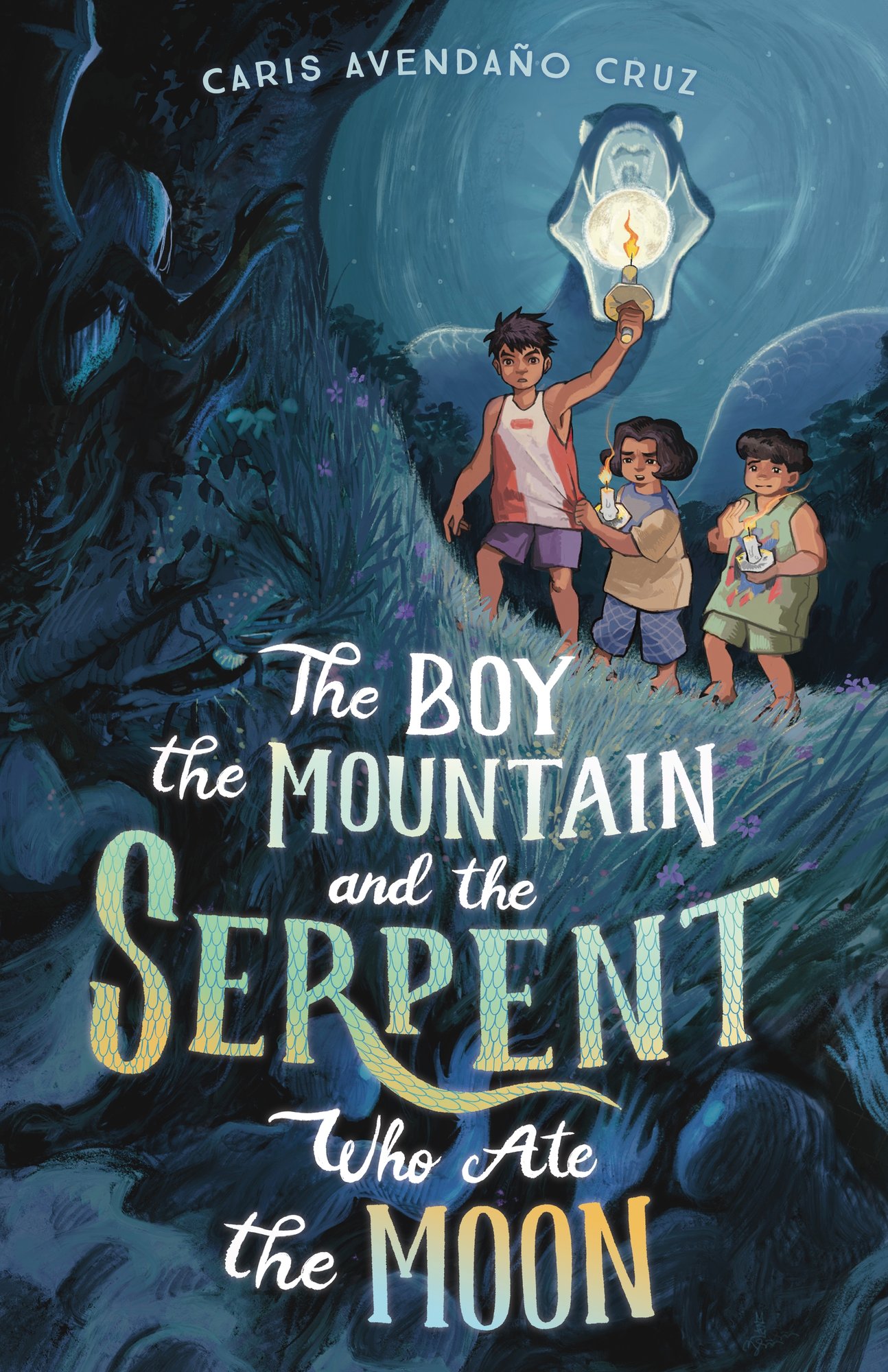
In the town of Santo Cristo in the Philippines, people have been disappearing for many years; the residents call them the Losts. No one knows their fates, certainly not twelve-year-old Bayani, until the night of the town fiesta. Wandering off with his sister Isay and their cousin Aaron, they find themselves stranded in the Land Beyond after the bridge they cross grows legs and runs away. Now, the three must contend with endless darkness, creatures of Filipino folklore, and the other Losts. This title offers a gripping journey of dark fantasy that beautifully weaves culture with narrative and is perfect for fans of myths, monsters, and main characters with moxie.
Aarzu All Around by Marzieh Abbas (Coming July 29th)
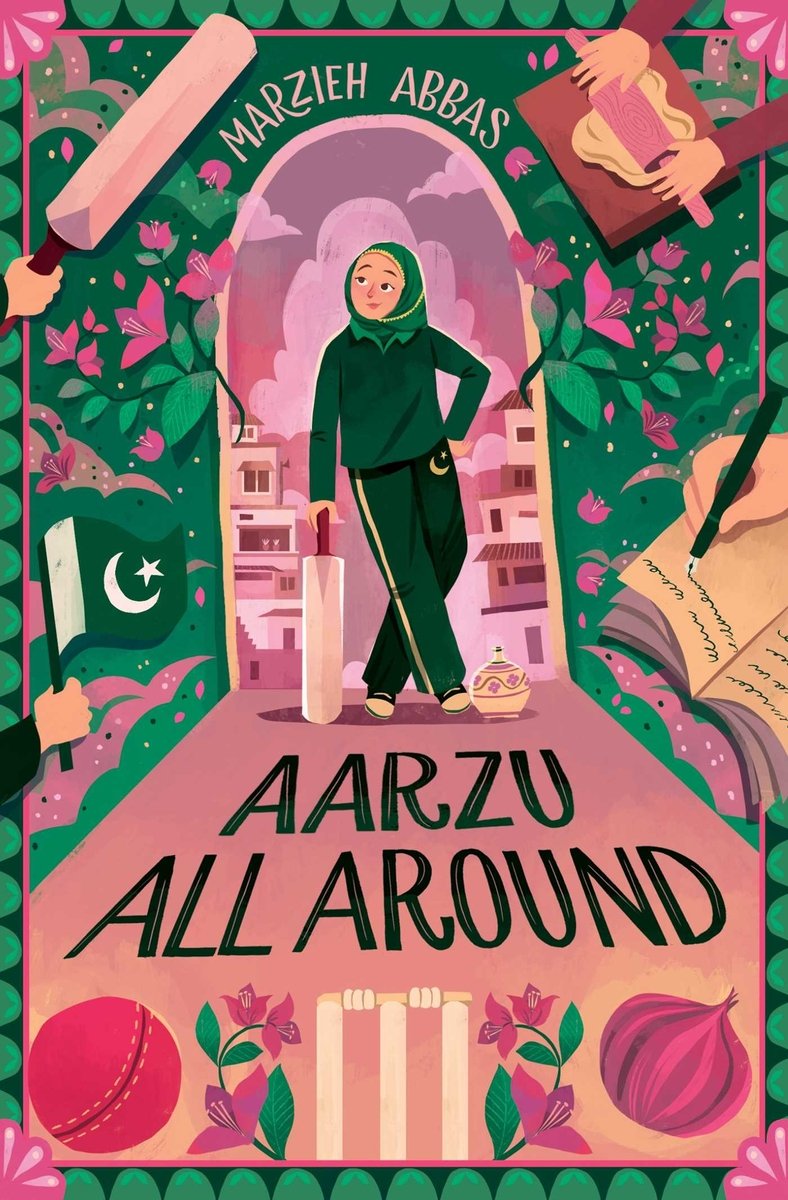
Twelve-year-old Aarzu is trying to keep it together, but her life is just… a lot right now. She has recently been orphaned, they’re living with their aunt and uncle (the latter of whom has substantial ideas of what girls are and are not allowed to do), and her sister badly needs medical treatment that the family cannot afford. When Aarzu hears of a local part-time job only available to boys, she resolves to disguise herself as one, something that also allows her to partake in her love of playing cricket. Now life is even more of a balancing act, where secrets, expectations, family loyalty, and sense-of-self are on the line. Aarzu is a fighter, but can she manage everything all around?
We hope that you and the young readers in your life enjoy these books and that they inspire you to check out more books on AAPI and Asian culture all year round. Happy reading!
To learn more about the importance of the AAPI representation in children’s books, check out our 5×5 Interview with Korean American Children’s Authors.
For all of our recommendations for mini bookworms, check out our Bookshop bookshelf.