








March 31st is the International Transgender Day of Visibility and with recent world events, this annual occasion — which celebrates trans individuals and the trans community while raising awareness for trans rights issues — is needed more than ever. According to research, children begin developing their gender identity from the age of three and can recognize if their gender identity differs from the one that they were assigned at birth shortly thereafter. As such, trans youth need to have access to media that affirms and celebrates trans identities from an early age, and the twelve picture books in this list are doing just that.
I Am Jazz by Jessica Herthel & Jazz Jennings, Illustrated by Shelagh McNicholas

Jazz is a little girl who loves pink, mermaids, and playing with her friends. For much of her childhood, her family and friends would call her a boy, but she didn’t like it, because pretending to be a boy felt like lying. When her parents took her to a doctor and found out that Jazz was transgender, they told her that they didn’t care if she was a girl or boy; they loved her no matter what. Jazz began to live as the girl she was inside, and while some people were confused or teased her, she’s much happier being who she truly is. Written from the viewpoint of a real-life transgender youth — Jennings was 15 at the time of the book’s publication — this is a fantastic resource that can help trans children answer questions about themselves while recognizing that they are not alone.
When Aidan Became a Brother by Kyle Lukoff, Illustrated by Kaylani Juanita

When Aidan grew from a baby and realized he felt like a boy, his parents supported him and helped him socially transition. Now he’s happy being a boy and excited to be a big brother soon. He wants to make sure that the new baby will feel welcome and loved no matter who they are. But how can he do that, especially when the world can still be such a confusing place? Aidan is willing to try and is determined to be the best big brother he can be. While the plot centers around a trans child, the main theme is about how society views gender from the point of view of someone who has already spent his childhood examining gender roles by necessity, allowing readers both young and old to question along with Aidan as he ponders why it should matter if the new baby is a boy or girl, or how it should affect how they are dressed or treated.
My Sister, Daisy by Adria Karlsson, Illustrated by Linus Curci
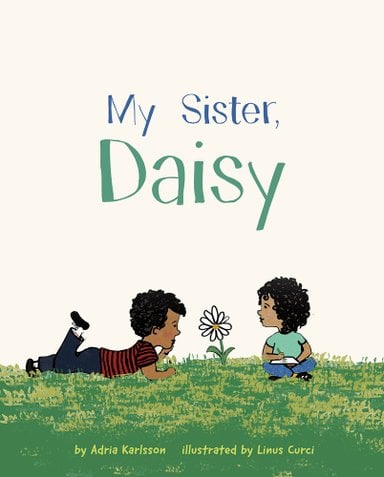
Based on the experiences with the author’s children, this title tells the story of two young siblings who have been inseparable since the day the youngest was born. Daisy and her older brother are best buddies who do everything together, but when Daisy reaches Kindergarten, something big changes. She tells her family that she is a girl, and she wants them to start using her new name — Daisy — and treat her like the girl she is. While trans stories can be problematic when told from the perspective of cis characters, the older brother’s narration here works very well as he and Daisy navigate questions of gender, social attitudes, and even everyday childhood issues like feeling left out during an important time in a sibling’s life.
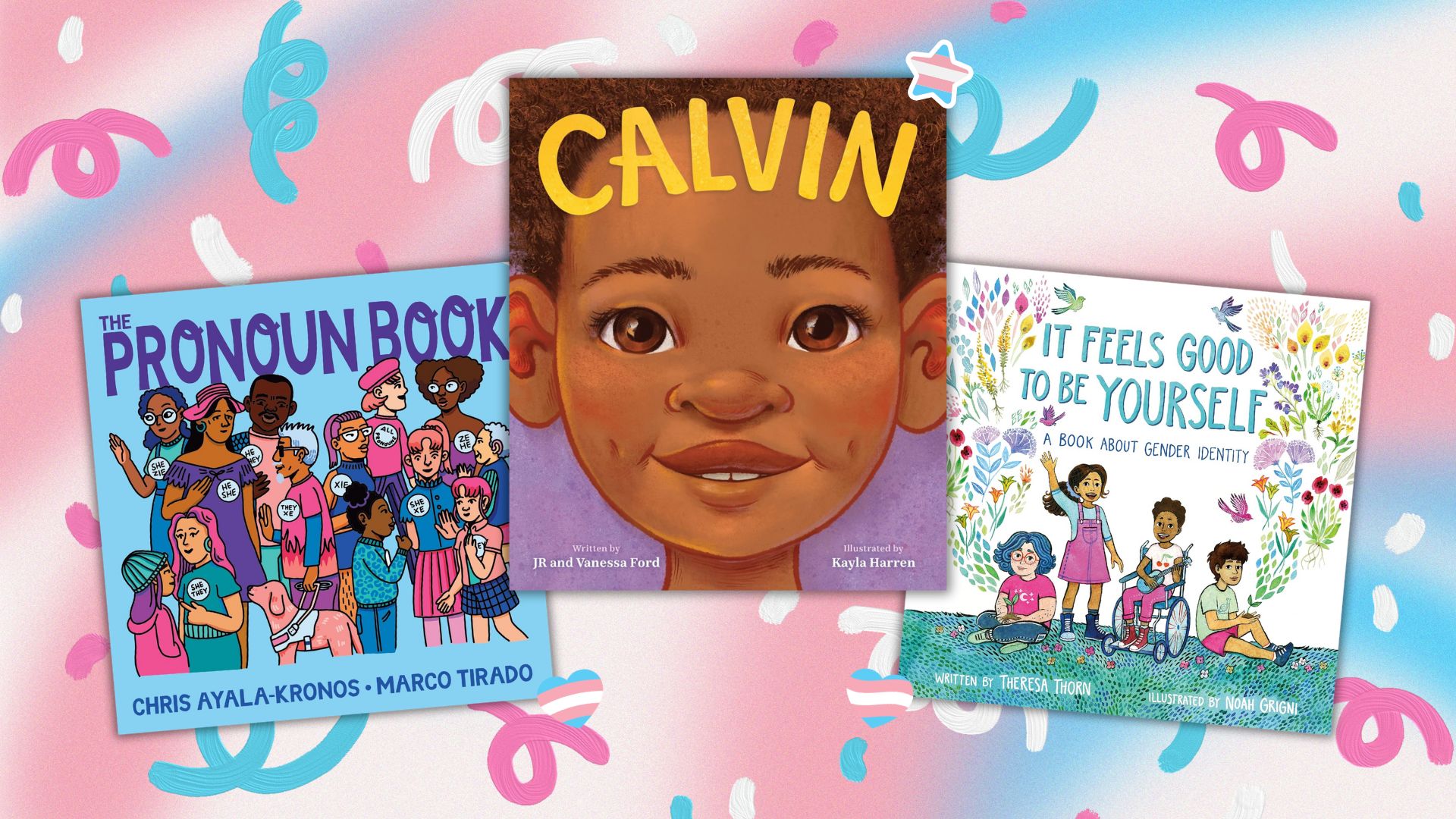
It Feels Good to Be Yourself: A Book About Gender Identity by Theresa Thorn, Illustrated by Noah Grigni

Meet Ruthie. She is a transgender girl; when she was little, everyone thought she was a boy, but when she was old enough to speak for herself, she let everyone know the truth. Her brother Xavier is a cisgender boy; when he was little, everyone thought he was a boy, and they were right! They also have friends like Alex, who is both a boy and a girl, and JJ, who doesn’t feel like either. Alex and JJ are non-binary, and just like there are lots of ways to be a boy or a girl, there are lots of ways to be non-binary as well! No matter what gender someone identifies as, the most important thing is that they are loved, supported, and free to be themselves — doesn’t it feel good to be yourself? Simplifying gender identity and expression down to its core elements, this child-friendly look at the spectrum of gender covers a lot of ground without ever feeling overwhelming or confusing.
Born Ready: The True Story of a Boy Named Penelope by Jodie Patterson, Illustrated by Charnelle Pinkney Barlow

Penelope is completely sure of two things about himself: he is a boy (and not a girl like everyone seems to think), and he is a ninja. The problem is that everyone around him doesn’t seem to believe either thing to be true, which causes Penelope a lot of frustration and stress. When he can convince his family that he doesn’t just feel like a boy, he is a boy, they stand behind him and encourage him as he comes out at school and trains in karate. Finally, Penelope is on the path to realizing the person he is inside, and he’s never felt happier or freer. This title gives a wonderful look at the trans youth experience from a person of color and offers an important lesson on giving young people who are transitioning agency over how they present their gender identity.
The Pronoun Book by Chris Ayala-Kronos, Illustrated by Marco Tirado

We’ve all heard the tired excuse: “All these pronouns are so confusing!” But are they, really? For instance, how do you know what someone wants to be called? Just ask! Feel free to offer your pronouns, too. Try not to assume someone’s pronouns based on how they look — after all, everyone has their unique look — and if you make a mistake, apologize and try again. And most importantly, remember that the best pronoun of all is the one that brings everyone together: us. Filled with joyful, vibrant illustrations, this board book for prereaders proves that preferred pronouns and how to use them respectfully is something that even babies can understand.
Calvin by JR and Vanessa Ford, Illustrated by Kayla Harren
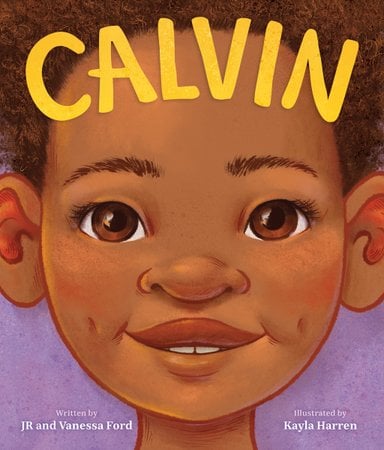
One summer, Calvin decides to do the scary thing he’s been holding inside: he tells his family that he is a boy and wants to be called by his preferred name. To his relief, his family is quick to support him, and he ends up having the best summer ever: wearing swim trunks for the first time, sharing his new name with a new friend, cutting his hair short, and shopping for all-new back-to-school clothing. As the first day of school dawns, however, Calvin grows nervous again: what if his friends and classmates can’t accept the boy he’s always been? A tender and radiant tale of how gender affirmation from family, peers, and community can help transgender kids thrive, this heartwarming story assures young readers that worries and fears over transitioning are natural, but with the right support, they can find true happiness on the other side.
My Rainbow by Trinity and DeShanna Neal, Illustrated by Art Twink

For Trinity, being autistic and transgender can be tricky to navigate at times. For instance, she wants to grow her hair out to be long to affirm her gender presentation, but she can’t stand the sensation of hair touching the back of her neck. Her mom tries to assure her that girls can also wear their hair short, but Trinity doesn’t feel right with short hair. So, with some help from the beauty supply store and Trinity’s sibling, Mom sets out to craft a wig that will help Trinity feel comfortable in her appearance while meeting her sensory needs. A fantastic and nuanced look at how intersectionality affects trans identities and gender expression, this colorful and exuberant tale is a beautiful affirmation that every identity deserves to be celebrated.
My Own Way: Celebrating Gender Freedom for Kids by Joana Estrela, Translated by Jay Hulme
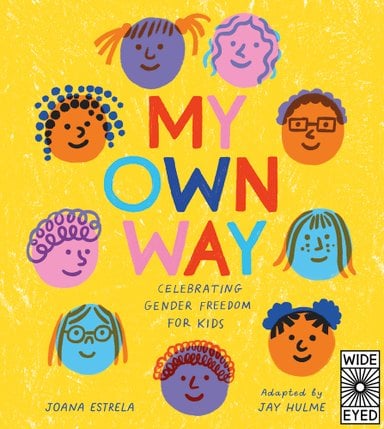
What is gender freedom? Well, it’s the concept that gender identity is not tied to what a person was assigned at birth, and that gender expression is not tied to someone’s gender identity. Or, as this lovely picture book simplifies: “Girl or boy? What brings you joy?” Concise text — translated from the original Portuguese by poet Jay Hulme — addresses gender freedom with kids by stripping away all the complications and preconceptions, communicating that there are no real “rules” when it comes to gender, and that children should be free to pursue the hobbies, interests, and fashions that make them feel happy and whole.
My Maddy by Gayle E. Pitman, Illustrated by Violet Tobacco

The young narrator of this title welcomes the reader by explaining that while most mommies are girls and most daddies are boys, some parents — like her Maddy — are both or neither. Maddy and her child enjoy recognizing all the everyday things that are “in-between,” such as Maddy’s hazel eyes, sporks, and a beautiful sunrise transitioning the world from night to day. When Maddy — who has long hair and painted fingernails — drops her child off at school, the little one enjoys that her parent’s good-bye kisses tickle like sandpaper because of Maddy’s facial hair. Mostly, the kiddo just loves her Maddy because her parent is like no one else … and that’s exactly who Maddy was meant to be.
Hooray for She, He, Ze, and They!: What Are Your Pronouns Today? by Lindz Amer, Illustrated by Kip Alizadeh
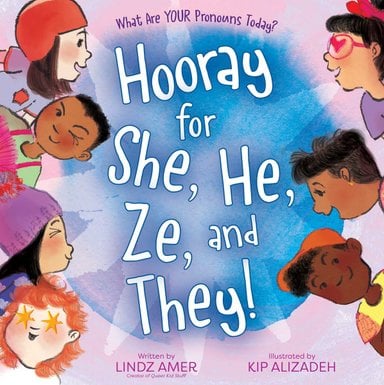
“When someone uses your right pronouns, it feels like pulling on your favorite sweater that fits just right,” activist Amer explains, acting as the author-insert narrator of this charming look at pronouns. Explaining that pronouns are one way of expressing one’s gender identity on the outside, Lindz explains that like hairstyles or fashion, pronouns are meant to affirm that person’s gender — and just like hairstyles and fashion, these choices are allowed to change over time! With beautifully expressive illustrations and lyrical text that captures the sensation of gender euphoria, this title is perfect for explaining to readers young and old why using someone’s preferred pronouns — and why advocating for others to use yours — is so important.
Introducing Teddy: A Gentle Story About Gender and Friendship by Jessica Walton, Illustrated by Dougal MacPherson

Errol and Thomas the Teddy are the best of pals. They play together, eat together, and go on adventures together. One day, Thomas is sad, and nothing seems to cheer her up. When Errol asks his friend to tell him what’s wrong, Thomas nervously confides that she is afraid to tell Errol for fear of losing their friendship. Thomas has grown up as a boy teddy bear, but she feels in her heart that she is a girl teddy. She no longer wants to be “Thomas,” but “Tilly” instead. Errol hugs his friend tight, and assures Tilly that no matter what name, appearance, or gender makes Tilly feel most comfortable, Errol will always be her best friend.
We hope that you and your young reader take the time to check out these books and that they help you better support and love your gender identities and those of everyone in your lives. Remember: Trans rights are human rights, and supporting the trans community starts with embracing and protecting the most vulnerable members of the trans community: its young people.
For more reads for kids celebrating gender freedom, check out our article on Children’s Books That Empower Boys Who Wear Dresses.
For all of our reading recommendations for mini bookworms, check out our Bookshop bookshelf.