









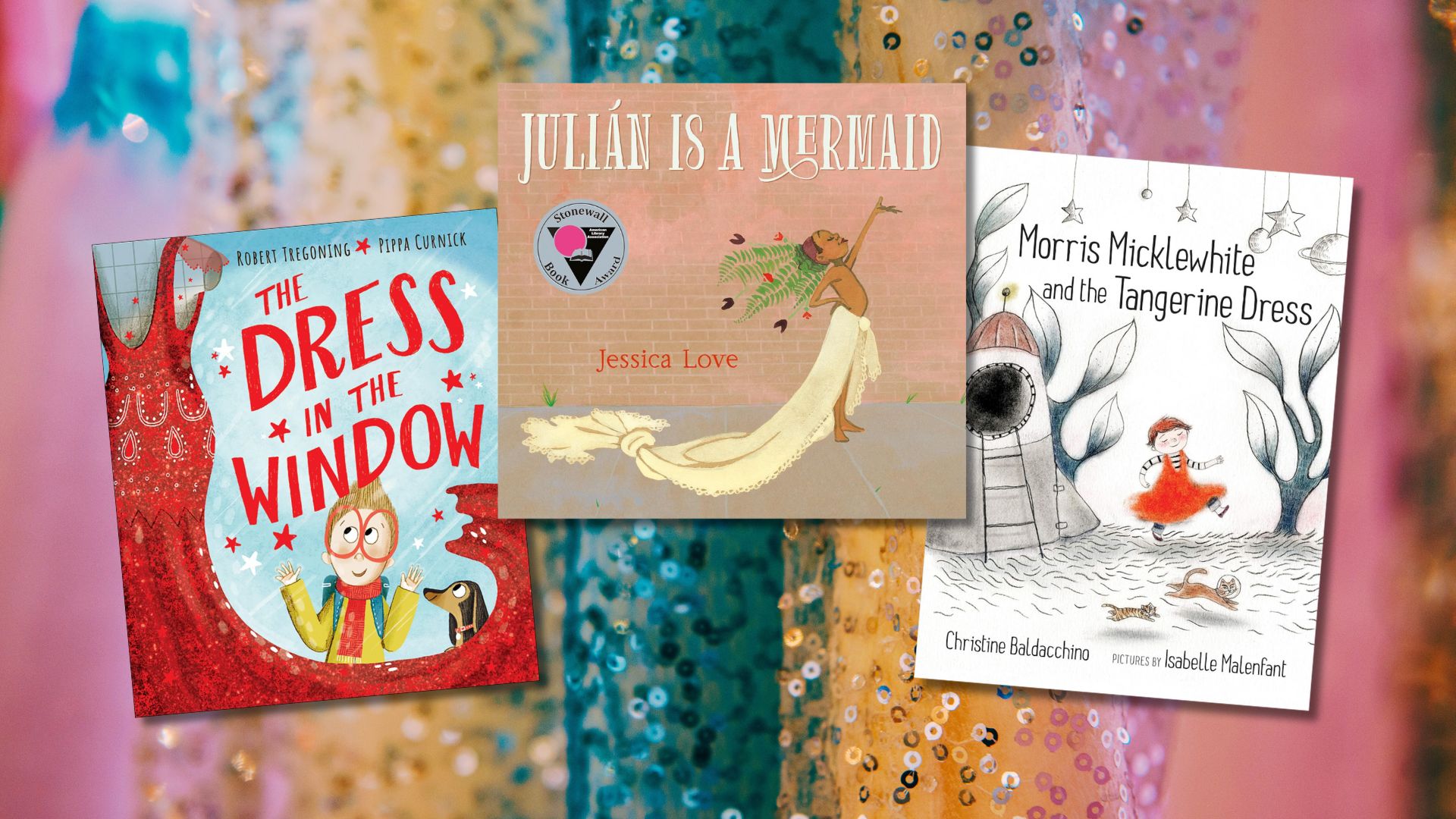
Did you know that March 6th is National Dress Day? According to its founder — fashion designer and businesswoman Ashley Lauren Kerr — the holiday is all about “empowering women to celebrate [their] femininity and cherish memories of wearing dresses.” While this is a lovely sentiment, it excludes a large portion of the population that enjoys wearing dresses: those who do not identify as female. Therefore, in celebration of National Dress Day and in solidarity with non-female gendered individuals who also enjoy making memories in special outfits, we’ve gathered seven children’s books about boys who feel their most authentic selves while wearing dresses.
Fred Gets Dressed by Peter Brown
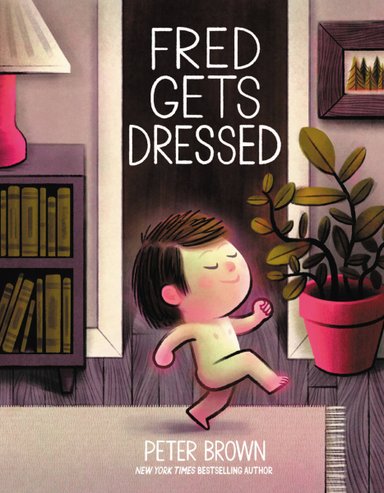
Every caregiver of a young child remembers the “nakie” phase: the period when toddlers find nothing more joyful than romping around the house sans clothing. Young Fred begins this title in that phase until he stumbles upon Mom and Dad’s closet and is hit with the inspiration to try dressing like his parents. He goes first for Dad’s button-up shirt, loafers, and tie, but finds them too complicated and less than appealing. When he spies Mom’s scarves and dresses, however, the soft fabrics and bright colors call to him. A very sweet tale of a child exploring expression through fashion that is refreshingly free of judgment (Mom, Dad, and even the family dog are fully supportive), this adorable tale assures kids that they’re nothing wrong with trying a new look, especially if it feels right.
Sparkle Boy by Lesléa Newman, Illustrated by Maria Mola

The day Jessie puts on her shimmery skirt, her little brother Casey asks for one too. Later, Casey also wants to emulate his big sister’s glittery nail polish, which his father gladly applies. Their abuelita loans Jessie one of her sparkly bracelets — and one to Casey too! Jessie is upset, insisting that these things aren’t for boys, and is outraged when her mom allows Casey to wear his outfit to the library. But when Jessie sees older children bullying Casey, she begins to understand how hurtful her attitude has been and stands up for him. While Jessie’s antagonism towards her little brother is slightly ill-defined, it’s a spot-on metaphor for even well-meaning friends and family asking LGBTQ+ and gender-nonconforming loved ones to dim their sparkle.
Julián Is a Mermaid by Jessica Love

Riding the train with his abuela, Julián is delighted when he sees three beautiful women dressed as mermaids. Julián imagines himself as a mermaid, growing a tail and long, beautiful hair, then making friends with sea creatures who love and accept him. When he and Abuela arrive home, she instructs Julián to be good as she takes a bath. The boy is struck with inspiration: he sheds his normal clothes and crafts a mermaid outfit: a headdress of flowers and palm fronds, a long flowing tail made from a curtain, and a pop of lipstick. Enjoying his new ensemble, he doesn’t hear Abuela exit her bath. At first, the reader and Julián think he must be in trouble until he finds that acceptance is not only found in the sea. Stunningly illustrated, this is a subtle yet powerful story of how fashion helps us express our inner selves.
Jacob’s New Dress by Sarah and Ian Hoffman, Illustrated by Chris Case

When it’s dress-up time, Jacob and his friend Emily always go straight for the dresses. Yet when Jacob asks his parents to wear a dress to school, they hesitate; dresses have been an at-home activity so far. Jacob is determined and uses a towel to create a “dress-thing” to wear. His parents reluctantly allow it, and Jacob is delighted — until a classmate steals the outfit and mocks it. Jacob asks his mother once more for a real dress; this time, she agrees. They make a dress together, and while Jacob’s dad is concerned, he supports his son’s garment. And when the bully teases Jacob again, he decides to ignore it; he’s happy to finally be comfortable in his clothes. A tale sensitive to both gender-nonconforming boys and the possible concerns of their caregivers, this story strikes a balanced yet hopeful tone.
Morris Micklewhite and the Tangerine Dress by Christine Baldacchino, Illustrated by Isabelle Malenfant
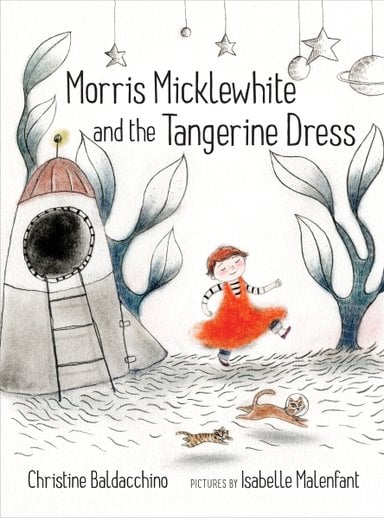
Morris Micklewhite loves his mother, his cat, and going to school, especially when he can play with the dress-up costumes. His favorite outfit is a tangerine dress — the color of tigers and his mommy’s hair — that makes nice sounds when he moves. Unfortunately, the other children tease and exclude him when he wears it, something that makes Morris’s tummy hurt. Staying home from school the next day, he and his mom dream up adventures of elephants and spaceships, finding the comfort and confidence to return to school the next day, tangerine dress and all. After all, Morris is more than what he wears; so why shouldn’t he wear what makes him feel happy? This warm, cozy hug of a story is a beautiful ode to imagination, self-acceptance, and wearing what makes one feel good.
The Dress in the Window by Robert Tregoning, Illustrated by Pippa Curnick
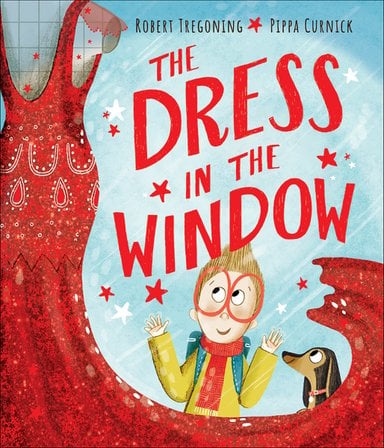
When the unnamed protagonist of this tale sees a red sequined dress in a window of a secondhand shop, he is immediately entranced. Who was the dress’s (obviously glamorous) former owner? What would his life be like with such a stunning, dazzling, showstopping fashion statement? Determined to make the dress his own, he works hard doing odd jobs around the neighborhood, saving his money to purchase his dream gown. Yet when he finally arrives to buy it, it’s gone! The boy is crushed but tries to keep his spirits up; after all, his birthday is coming up, and his mom may just have a welcome surprise in store. While books that deal with prejudice around wearing gender-nonconforming clothing have value in approaching the topic, this title is refreshing and heartening for the unquestioning acceptance of the boy’s love of his dress, both narratively and by the other characters.
The Boy in the Dress by David Walliams, Illustrated by Quentin Blake

Twelve-year-old Dennis is the star of his school’s soccer team, the son and younger brother of two working-class fellows … and a secret fan of ladies’ fashion. He even braves the teasing of his friends to purchase himself a copy of Vogue so that he can admire gorgeous gowns and the stunning lines of the models’ outfits. And when school it-girl Lisa offers to make him up as exchange student “Denise,” he’s surprised by how right it feels. While the humor of this middle grade title is predicated largely on the British comedy trope of “boy in drag,” Walliams wisely subverts it by the final page, allowing Dennis to find happiness and fulfillment as the same soccer-loving boy he always was; he just happens to enjoy wearing dresses, too.
Dresses are a wonderful way to express oneself through fashion, but such freedom of expression should never be limited to the female population. We hope that you and your young readers enjoy these books and that they inspire everyone to be their most authentic selves — inside and out. Happy reading!
For more of our favorite books for fashion-forward youngsters, check out our article on Terrific Picture Books for Little Hat Lovers.
For all of our recommendations for mini bookworms, check out our Bookshop bookshelf.