

















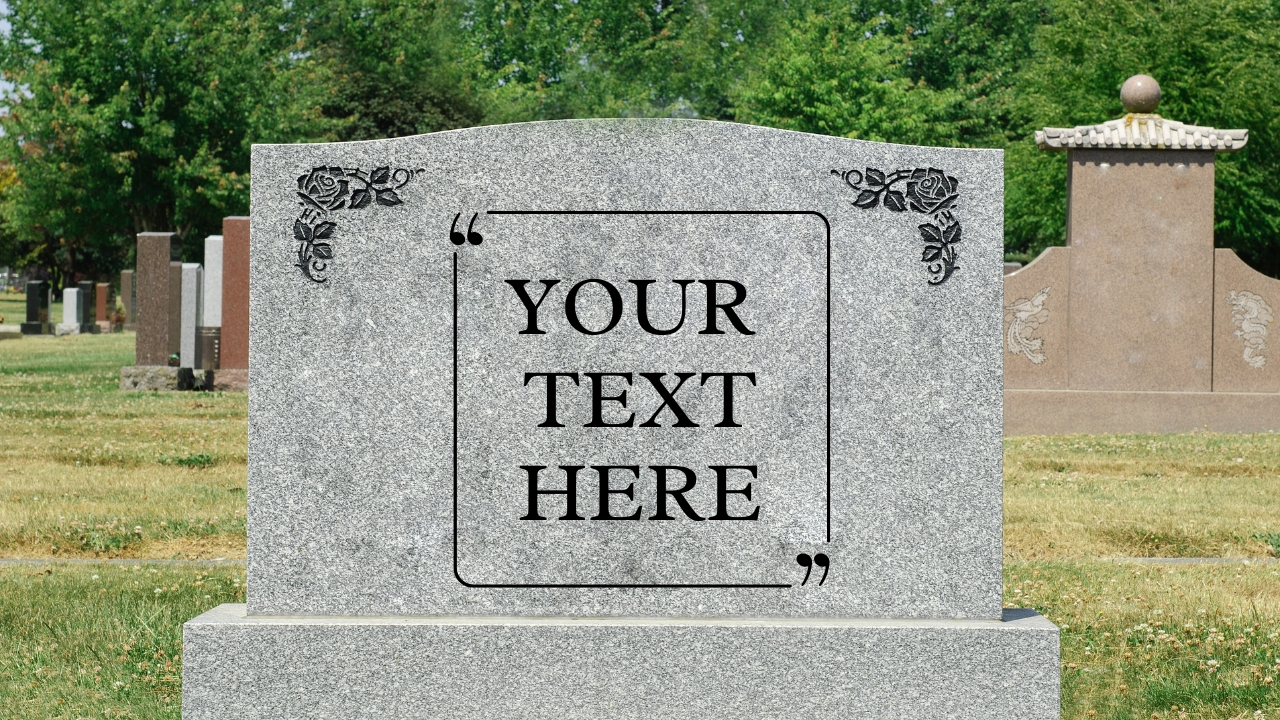
Last words hold a lot of weight. Whether they’re hopeful or heartbreaking, we’re obsessed with final farewells, especially from writers. Epitaphs — the inscriptions carved on tombstones — are the ultimate parting words for anyone. Throughout history, most writers have selected or written their own epitaphs. Others are chosen by friends and family, often from the deceased’s portfolio. We spend a lot of time discussing the work produced during a writer’s lifetime, but their epitaphs might hold more insight into their lives than previously thought.
Read on for a closer look at 12 literary burial sites.
William Shakespeare (1564-1616)
Good friend for Jesus sake forbeare,
To dig the dust enclosed here.
Blessed be the man that spares these stones,
And cursed be he that moves my bones.
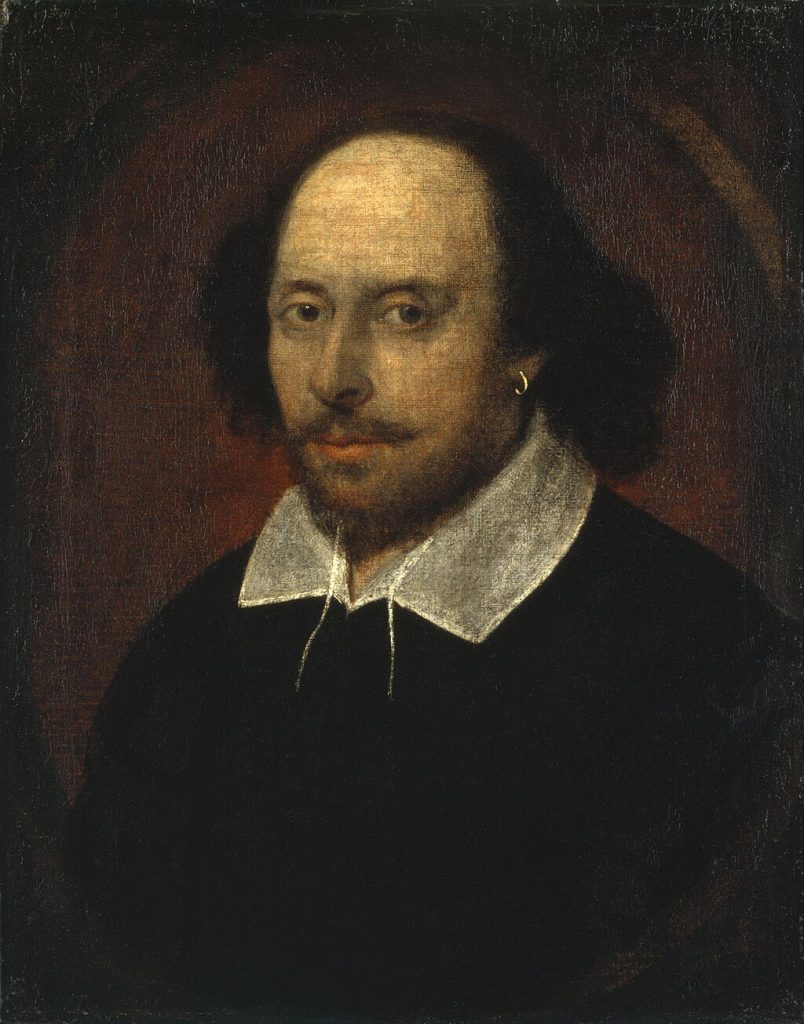
Leave it to the Bard to craft a poetic and ominous epitaph. We’ll never know exactly what motivated Shakespeare’s choice of last words, but many believe it may have been an attempt to deter grave robbers.
Shakespeare’s famous plays include Hamlet, Much Ado About Nothing, and Richard III.
F. Scott Fitzgerald (1896-1940)
So we beat on, boats against the current, borne back ceaselessly into the past.
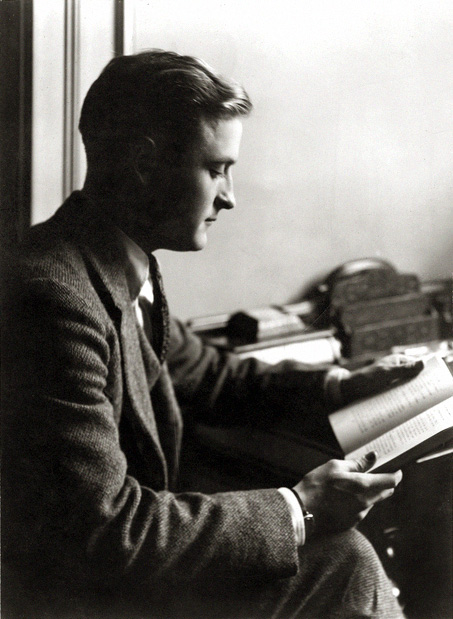
F. Scott Fitzgerald is buried alongside his wife, Zelda Fitzgerald. This lovely epitaph is the last line of Fitzgerald’s famous novel The Great Gatsby. The bittersweet nostalgia in this line acts as a commentary for life itself. We will always be obsessed with our pasts, even, perhaps, after death.
Other Fitzgerald novels include This Side of Paradise and The Curious Case of Benjamin Button.
Aphra Behn (1640-1689)
Here lies a Proof that Wit can never be Defense enough against mortality
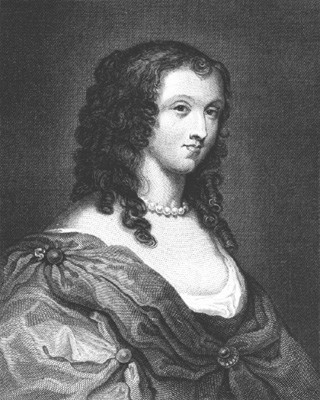
Aphra Behn was one of the first published female playwrights. Her Restoration comedies helped usher in a new era for theatre in the wake of Shakespeare’s death. Written in her signature wit, Behn’s epitaph sardonically remarks on the futility of life. No matter how impressive or funny we are, we all answer to Death.
Behn’s plays include The Lucky Chance and The Rover.
Robert Frost (1874-1963)
I had a lover’s quarrel with the world
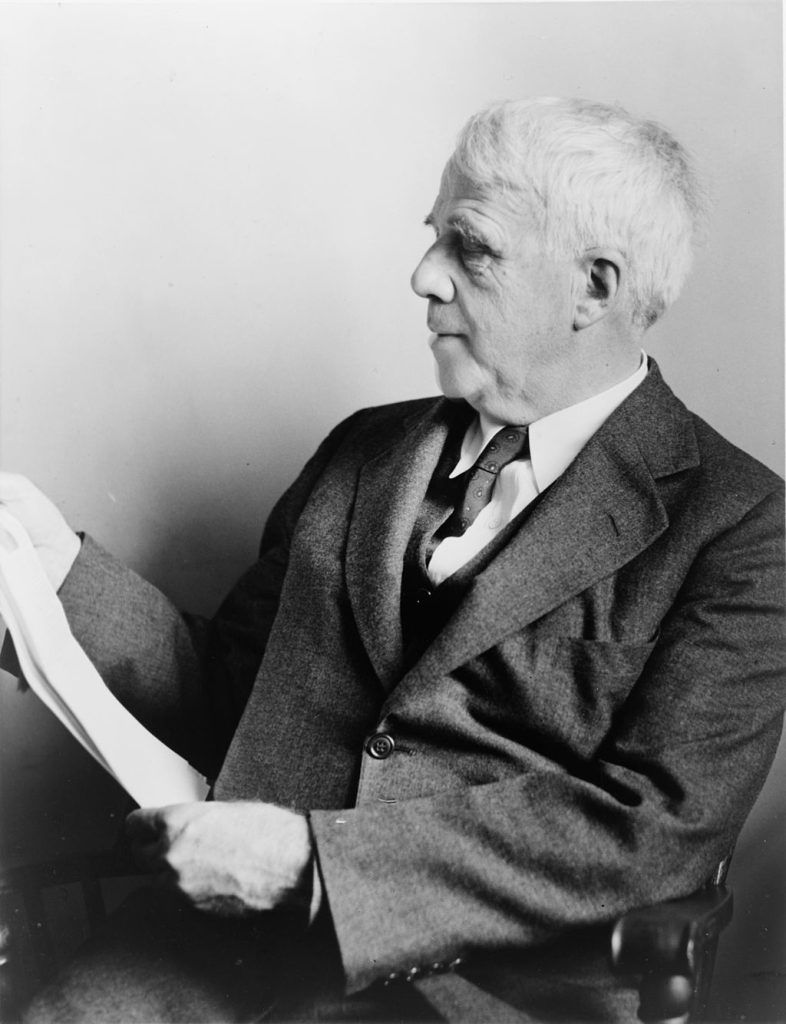
Robert Frost is buried with his wife and four of his children. His epitaph is the last line from his long poem The Lesson for Today. In the final stanza, Frost references his own death and proclaims that the above words will be carved into his tombstone as his “story.”
Frost is most famous for his poem The Road Not Taken.
Dorothy Parker (1893-1967)
Excuse my dust
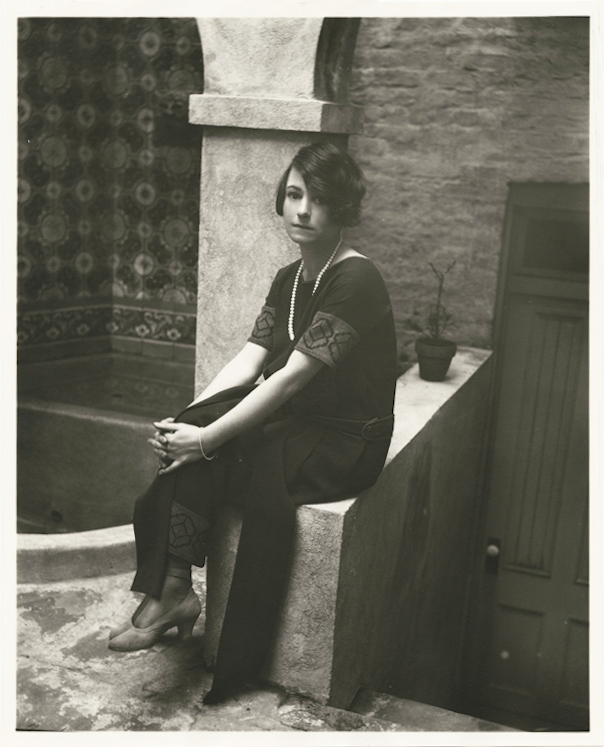
Dorothy Parker originally suggested this epitaph as part of a comical interview she did with Vanity Fair. When her ashes were finally interred in a memorial garden in Baltimore, the phrase was carved into her headstone along with a comprehensive list of her accomplishments. This quip is especially humorous, given that since she was cremated, her remains are now literally dust.
Parker’s work includes her poetry collection Enough Rope and essay collection Constant Reader.
John Keats (1795-1821)
Here lies one whose name was writ in water
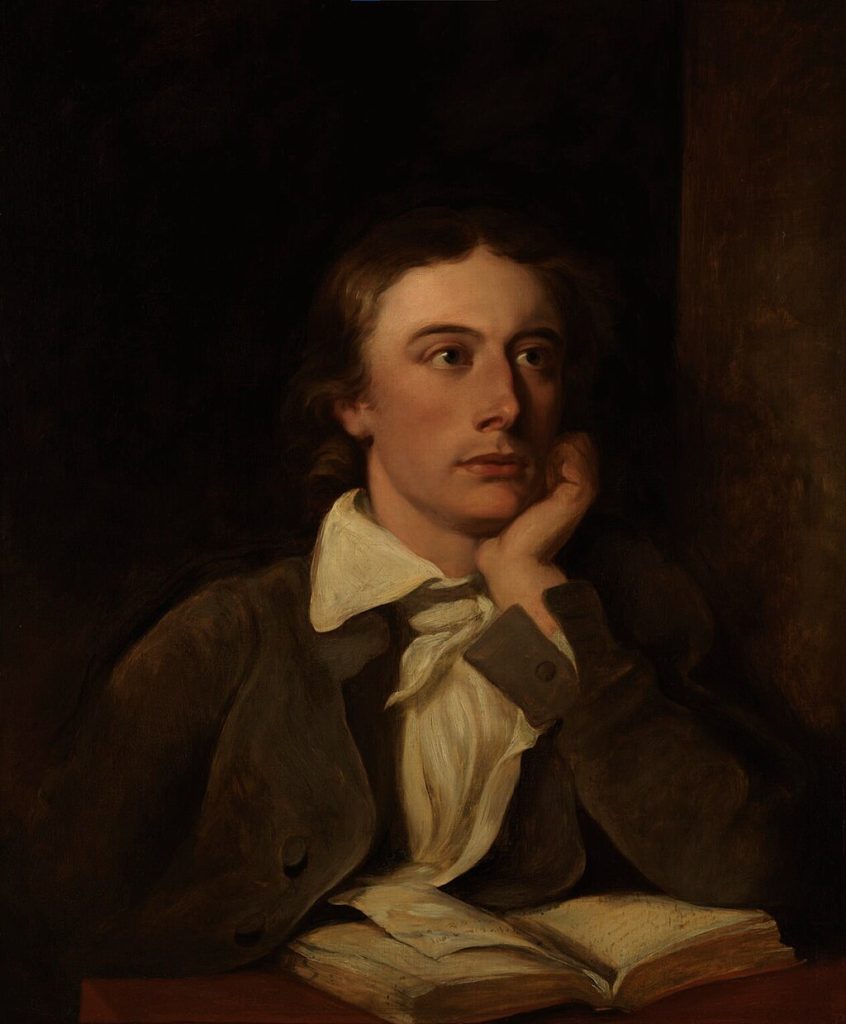
Supposedly, John Keats requested that this epitaph be the only inscription on his grave — he even wished for his name to be omitted. Speculation over whether or not this story is true abounds. Following his death, his friends eventually expressed regret over the short dedication. Keats died when he was only twenty-five, so his epitaph could be a statement of regret over the perceived fleetingness of his life.
Keats may have believed his life was “writ in water,” yet hundreds of years later, we can still read his poems and letters.
Octavia Butler (1947-2006)
All that you touch, you change. All that you change, changes you. The only lasting truth is Change. God is Change
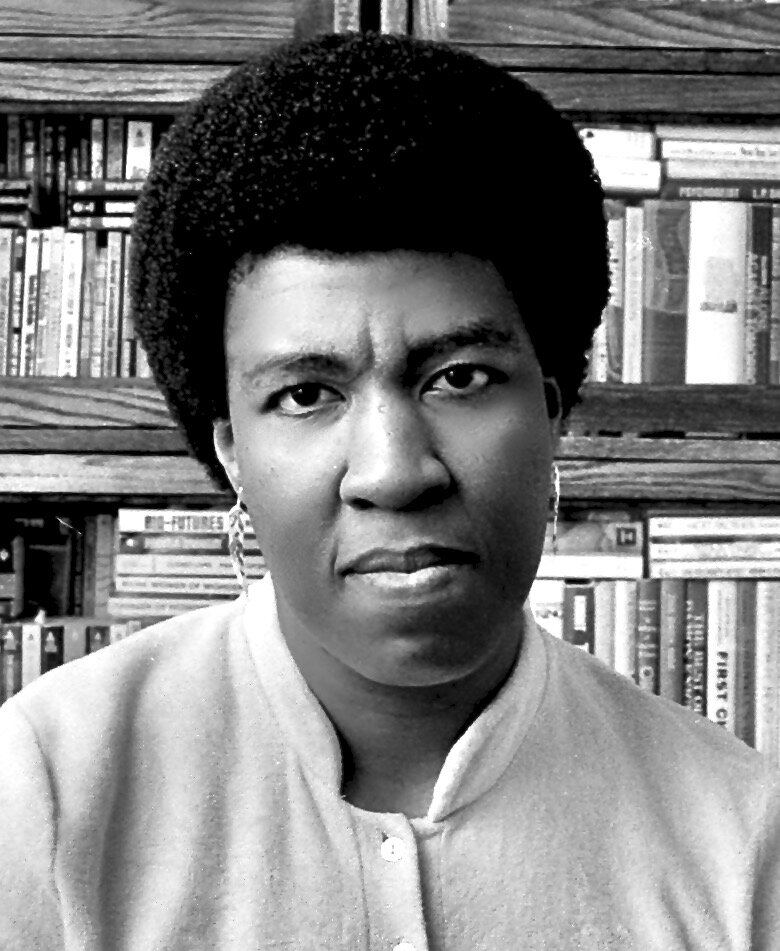
Octavia Butler was famous for her science fiction novels that explored themes of feminism and racism. This epitaph is a direct quote from her novel Parable of the Sower. In the book, Butler invents a new religion called Earthseed, and this passage perfectly encapsulates a persevering hope for a better world.
Butler’s other novels include Dawn and Wild Seed.
Jonathan Swift (1667-1745)
Here is laid the Body
of Jonathan Swift, Doctor of Sacred Theology,
Dean of this Cathedral Church,
where fierce Indignation
can no longer
injure the Heart.
Go forth, Voyager,
and copy, if you can,
this vigorous (to the best of his ability)
Champion of Liberty.
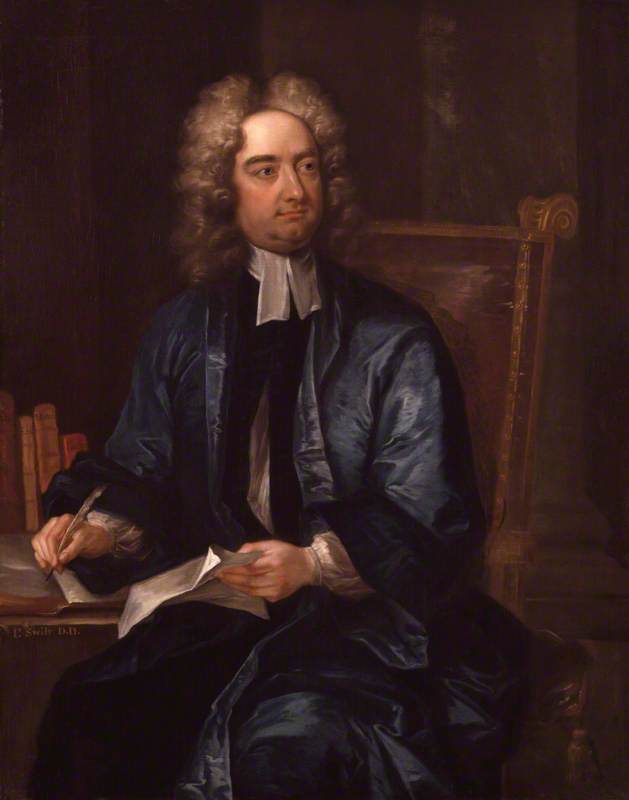
Originally carved in Latin, Jonathan Swift’s epitaph is often lauded as the greatest of all time. The line “where fierce indignation can no longer injure the heart,” is particularly striking. Swift was known for his satirical writing, so it is somewhat surprising to find that he crafted such an emotionally resonant inscription.
Swift is most famous for his novel Gulliver’s Travels.
Emily Dickinson (1830-1886)
Called back
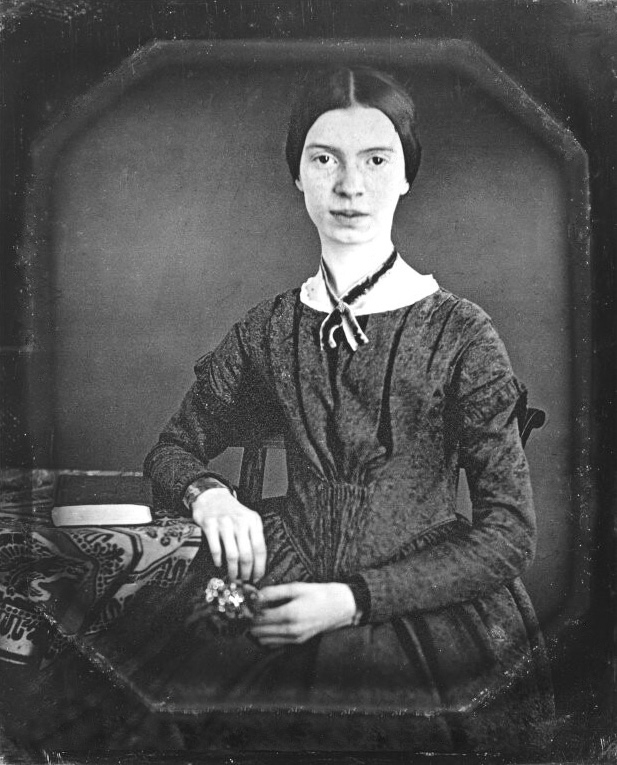
Short and succinct, Emily Dickinson’s epitaph was taken from the final letter she wrote to her cousins. Death was a common theme in Dickinson’s work, but the subject grew tender to her in her final days. In the years preceding her death, Dickinson suffered the loss of multiple friends and family members. Many believe she may have died of a broken heart.
Dickinson is remembered for her poetry.
Oscar Wilde (1854-1900)
And alien tears will fill for him
Pity’s long broken urn,
For his mourners will be outcast men,
And outcasts always mourn.
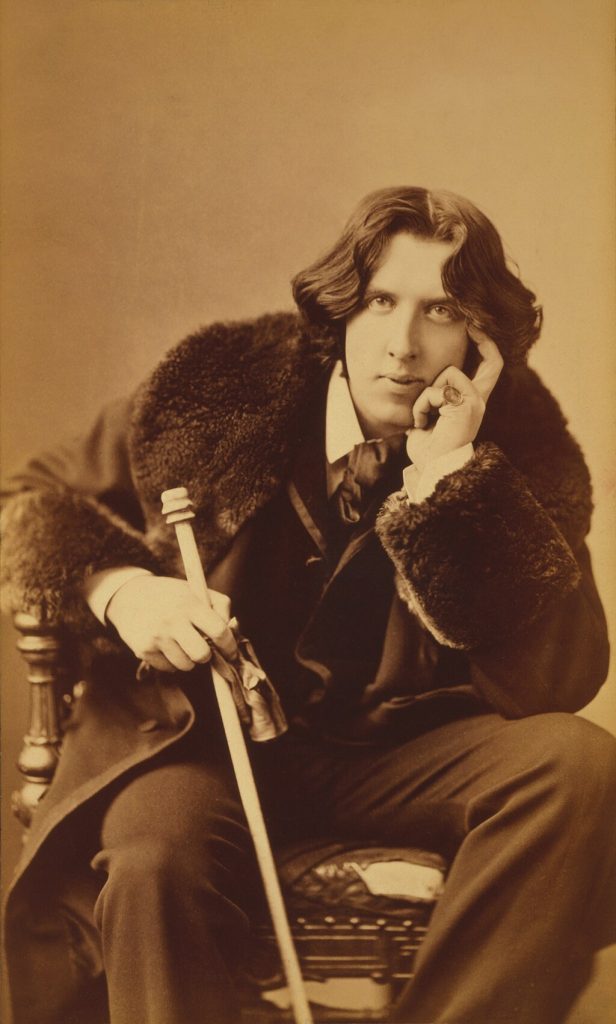
Oscar Wilde’s somber epitaph is lifted from his famous epic poem The Ballad of Reading Gaol, which reflects on the time he was incarcerated for “gross indecency with other men.” Wilde — famous for his unabashed love for art — was forever changed after this experience. His heartbreaking inscription calls out to fellow outcasts (queer or otherwise) that know the sorrow of social isolation.
Wilde’s work includes the play The Importance of Being Earnest and the novel The Picture of Dorian Gray.
Mary Ann Cross AKA George Eliot (1819-1880)
Of those immortal dead who live again
In minds made better by their presence
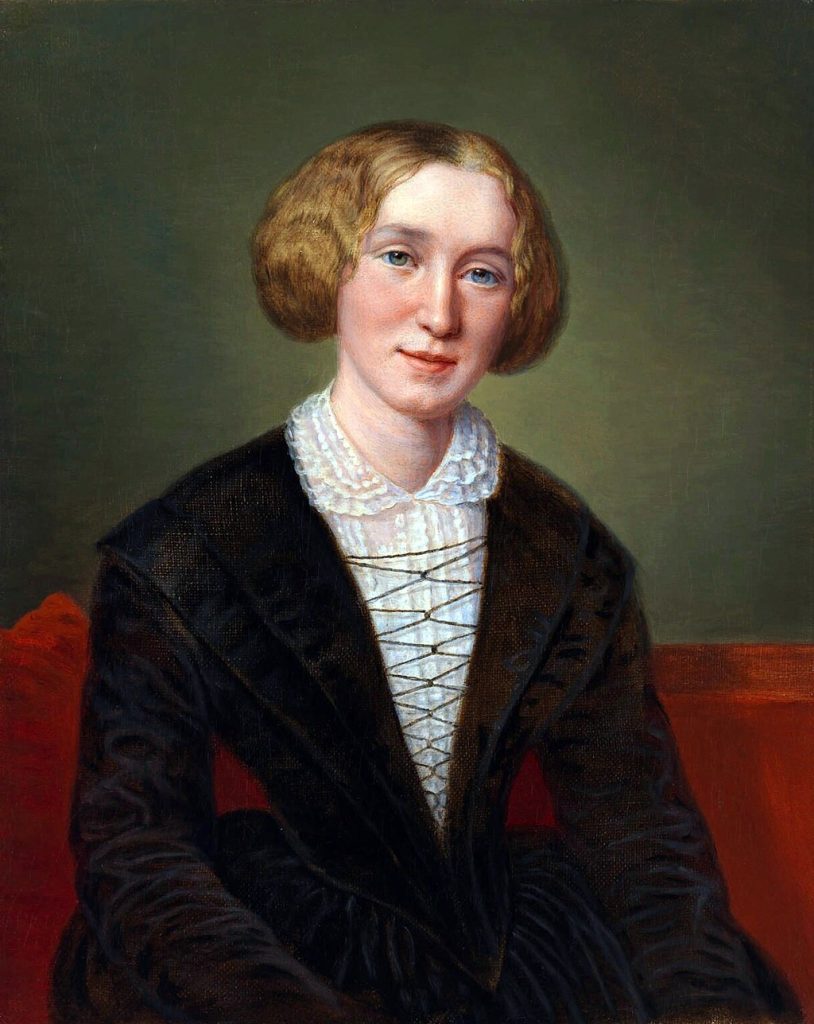
Mary Ann Cross is better known by her nom de plume George Eliot. She adapted this moniker so her writing would be taken more seriously when submitted for publication. Eliot’s epitaph comes from her poem The Choir Invisible, which reflects on the meaning of life. In the poem, Eliot proclaims her wish to live forever in memory. Given that she is still a celebrated writer, it’s safe to say that she succeeded.
Eliot is most famous for her novel Middlemarch.
H.P. Lovecraft (1890-1937)
I Am Providence
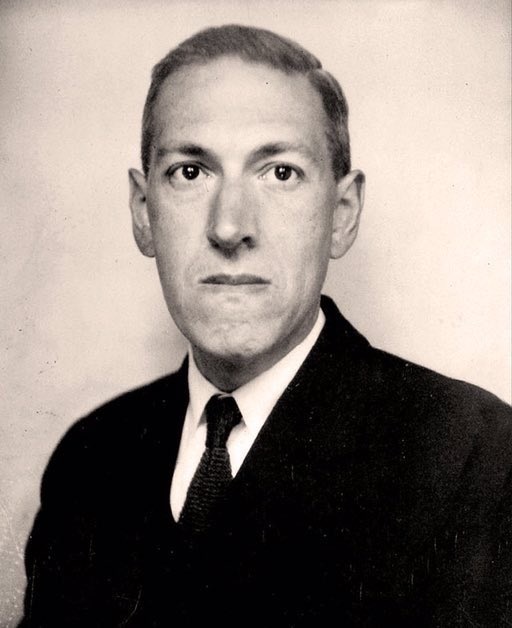
H.P. Lovecraft is famous for his horror fiction and the creation of the elder god Cthulu. His science fiction novels carried bleak views, including a perceived inevitability of humanity’s decline. The meaning behind Lovecraft’s epitaph is greatly debated. Some believe it to be a reference to the cosmic gods in his books. But the most popular theory is that it is merely a reference to Providence, RI, his hometown. Lovecraft lived in Providence for most of his life and loved it dearly.
Lovecraft is remembered for his supernatural short stories and novels.
From witty one-liners to poetic passages, these epitaphs stand as a testament to the power of the written word. If given the option, would you choose your own inscription? And if you did, would you quote one of your favorite authors or write the words yourself?
To hear more words from another dearly departed author, click here.
Check out our Classics bookshelf on Bookshop.org to celebrate older literature.
