

















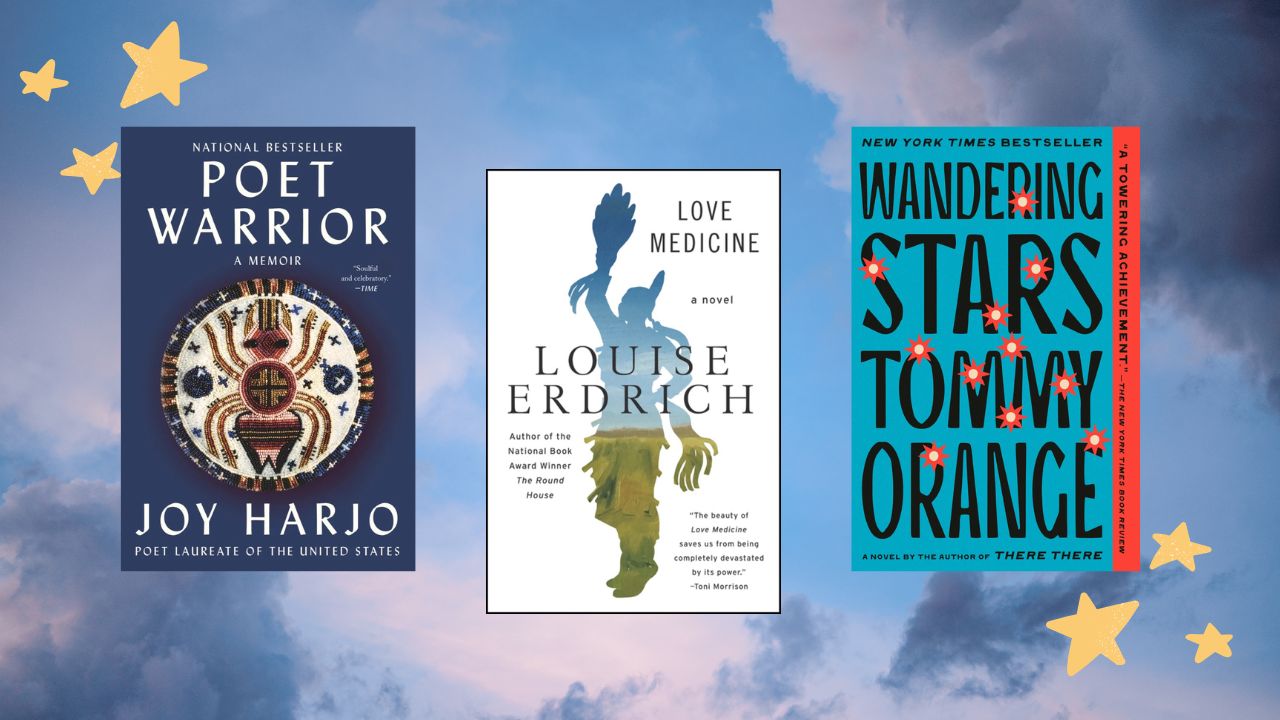
Often incorporating a myriad of genres and themes, stories by Indigenous authors are expansive and diverse. In these stories, themes involving identity, self-determination, and resilience are told using beautiful prose and poetry. No one book is the same, and no one book can be the sole representative of a whole body of literature. Below is a cohesive list of sovereign stories that explore themes of identity and resilience. Each book is special, and tells a story (or stories) that often go underrepresented in mainstream media and even in our tight-knit bookish communities.
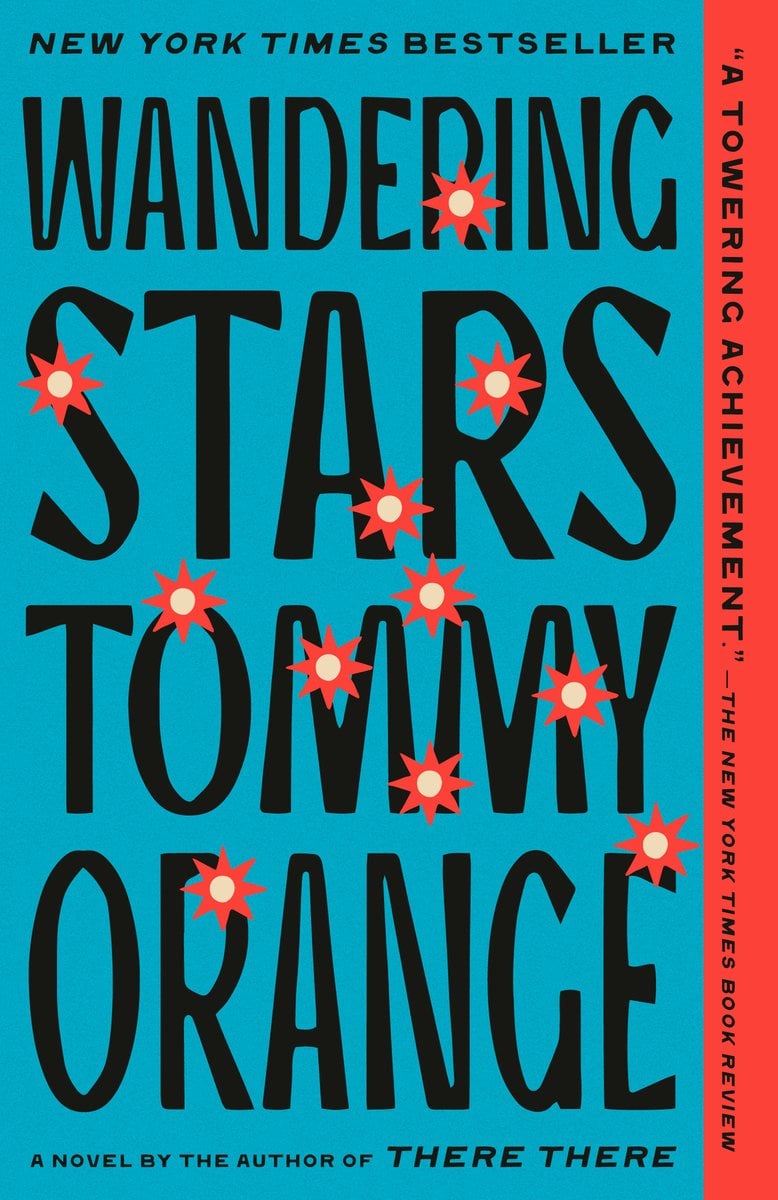
Wandering Stars by Tommy Orange
Trigger Warning: This title contains references to racism, school shootings, and industrial schooling. Please exercise personal care when reading.
Tommy Orange traces the legacy of the Sandy Creek Massacre in a story about identity, belonging, and resilience. Opening in Colorado in 1864, Star, a young survivor of the Sandy Creek Massacre, is brought to Fort Marion Prison Castle, where he is forced to learn English and practice Christianity by an evangelical prison guard. A generation later, Star’s son is sent to the Indian Industrial School, founded by the guard and hellbent on the eradication of Indigenous culture. His son clings to the moments of reprieve he finds with Opal Viola, as they envision a future together away from the school’s brutality. In 2018, Oakland, Opal Viola Victoria Bear Shield, was barely holding her family together after a shooting that nearly took the life of her nephew. Her nephew, Orvil, and younger brother, Lony, both suffer in the aftermath and seek ways to use cultural practices to heal their family. A story about cultural resilience and community, Wandering Stars is a significant novel.
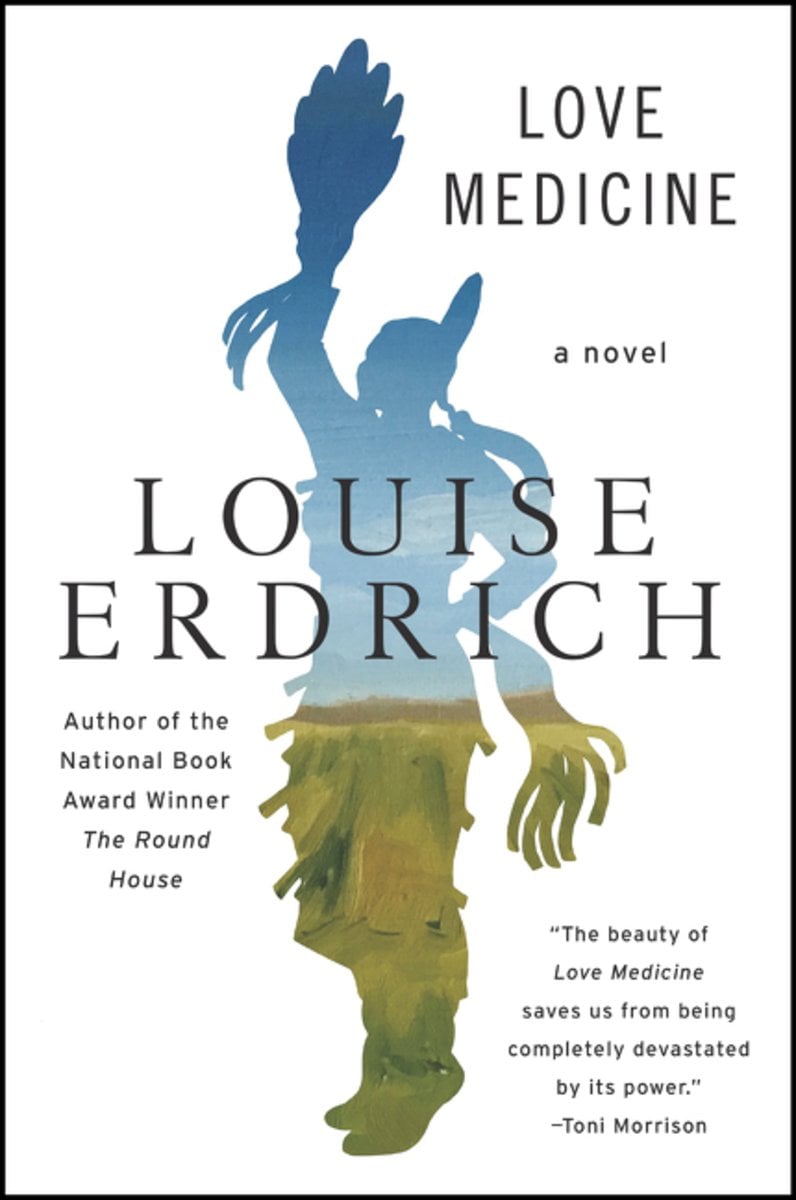
Love Medicine by Louise Erdrich
Interweaving the Kashpaws, Lamartines, and the Lazzares, Erdrich interconnects the stories of three Chippewa families. Love Medicine begins with June Morrissey freezing to death on her way home in 1981, then follows members of the family that reside in a fictional Ojibwe reservation, ending with the reunification of June’s son, Lipsha, with her former husband, Gerry Nanapush. Employing a non-linear form of storytelling, Erdrich writes of identity, family, alcoholism, and the interconnectedness of culture.
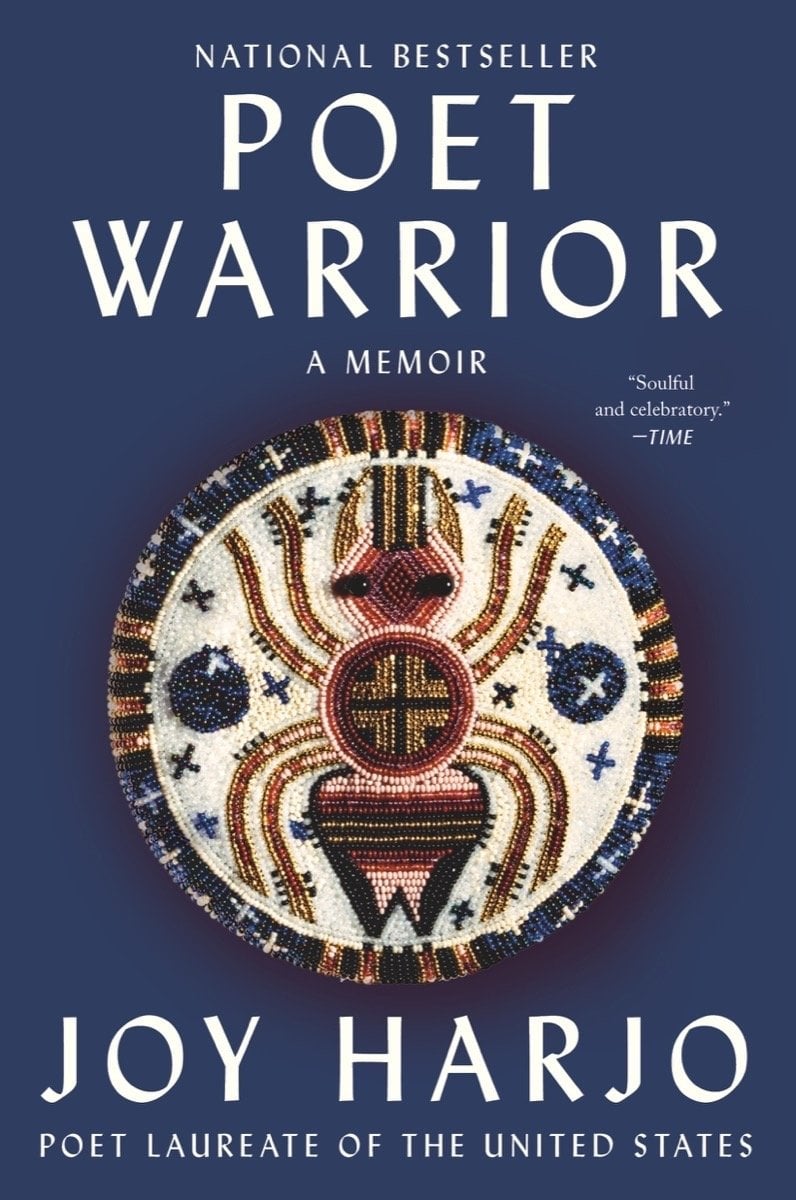
Poet Warrior by Joy Harjo
Poet Warrior is a memoir that combines prose and poetry to take the reader through the life of Joy Harjo, a member of the Muscogee Nation and the 23rd Poet Laureate of the United States. Harjo offers insights into healing, dreams, and cultural heritage. She invites us to travel alongside her poet warrior road, and the losses, heartaches, and realizations that connect us all.
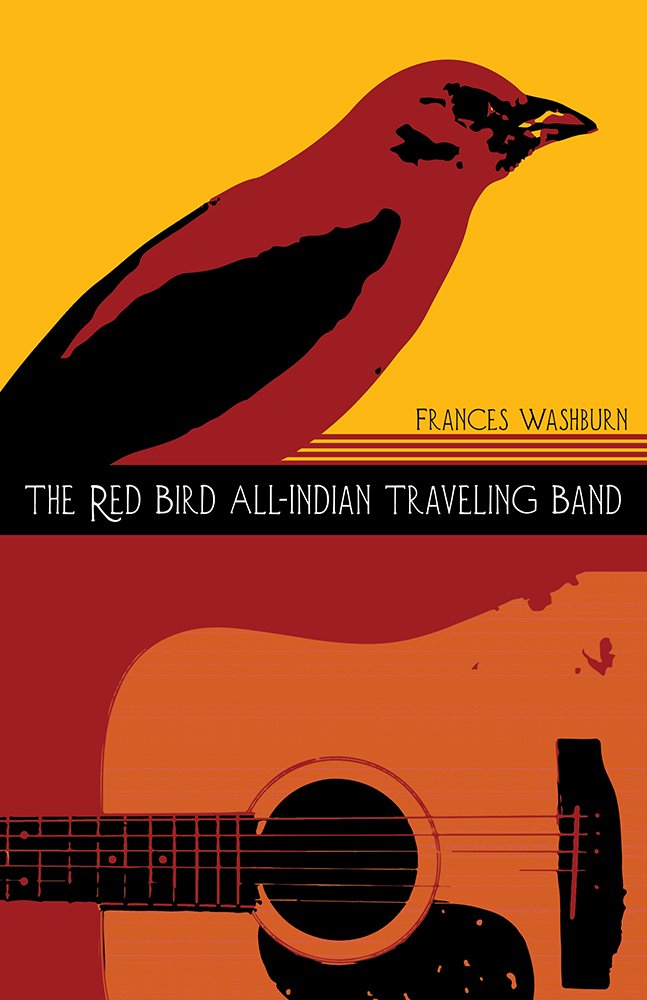
The Red Bird All-Indian Traveling Band by Frances Washburn
A young Lakota woman named Sissy Roberts becomes involved in the mystery surrounding a man’s death on the Pine Ridge reservation in 1969. After a 4th of July celebration, a man named Buffalo Ames is found murdered, and an FBI agent takes a keen interest in Sissy: Sissy, who is a waitress and the lead guitarist for the titular band. Sissy, whose keen ear makes her a prime witness, is present. Exploring the evolving cultural landscape of Indian Country, Frances Washburn tells a humorous story about self-determination, community, and identity during a time of significant cultural change.
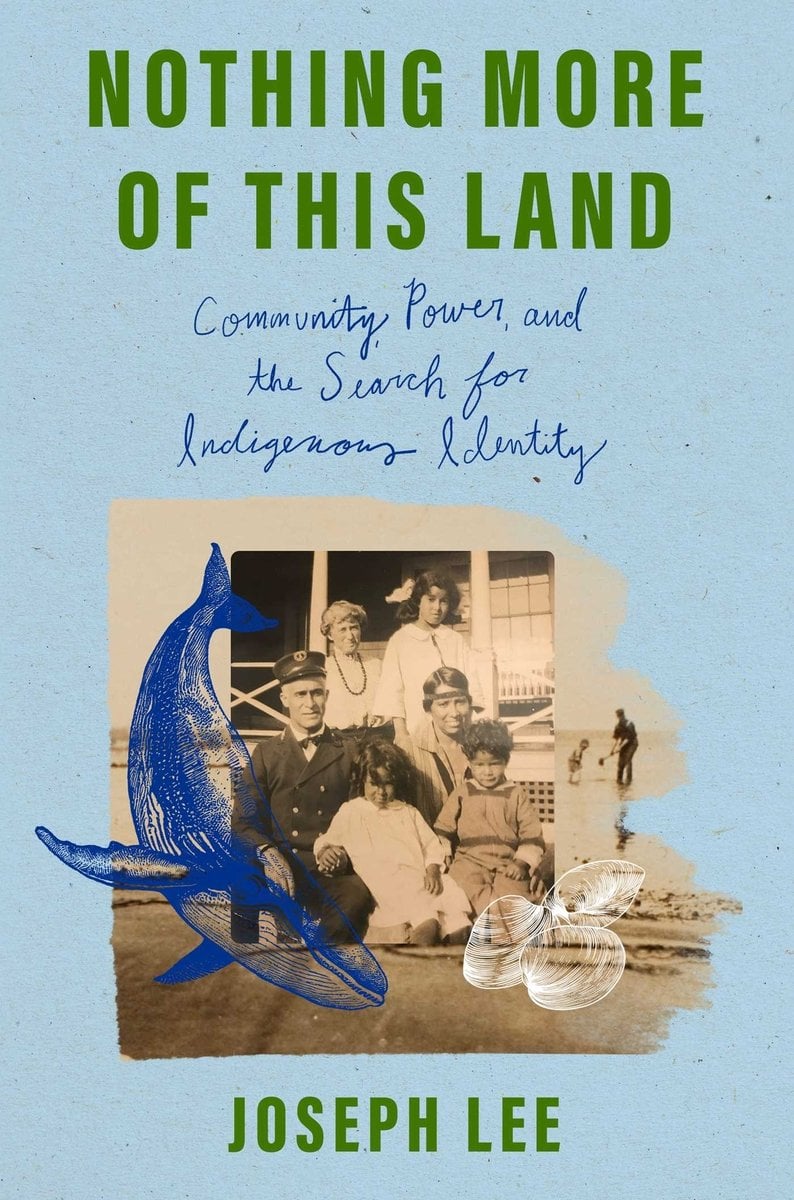
Nothing More of This Land: Community, Power, and the Search for Indigenous Identity by Joseph Lee
In this memoir, Joseph Lee writes about growing up as an Aquinnah Wampanoag Indigenous person in today’s world. Lee begins with the story of his own tribe, then gradually weaves voices from Indigenous scholars, artists, and leaders from around the world.
Postcolonial Love Poem by Natalie Diaz
In this lyrical and poetic landscape, the bodies of Indigenous, Black, and brown women are simultaneously the body politic and the body ecstatic. Diaz takes body autonomy back, writing on desire, grief, love, joy, and all the emotions and states that often defy definition. Diaz also continues to defy the conditions from which she writes, a nation whose constant erasure of culture consequently erases bodies like hers and those she loves. It is a poetry collection about identity and what it means to maintain bodily autonomy.

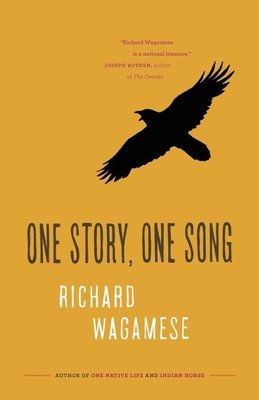
One Story, One Song by Richard Wagamese
In this collection of personal essays by Ojibwe author Richard Wagamese, he explores connection, healing, and the power of storytelling. His focus is storytelling, and he employs Ojibwe principles to structure his mini-narratives. From learning about Martin Luther King from his fifth-grade teacher to lighting a fire for the first time, Wagamese crafts stories that exhibit warmth and wisdom.
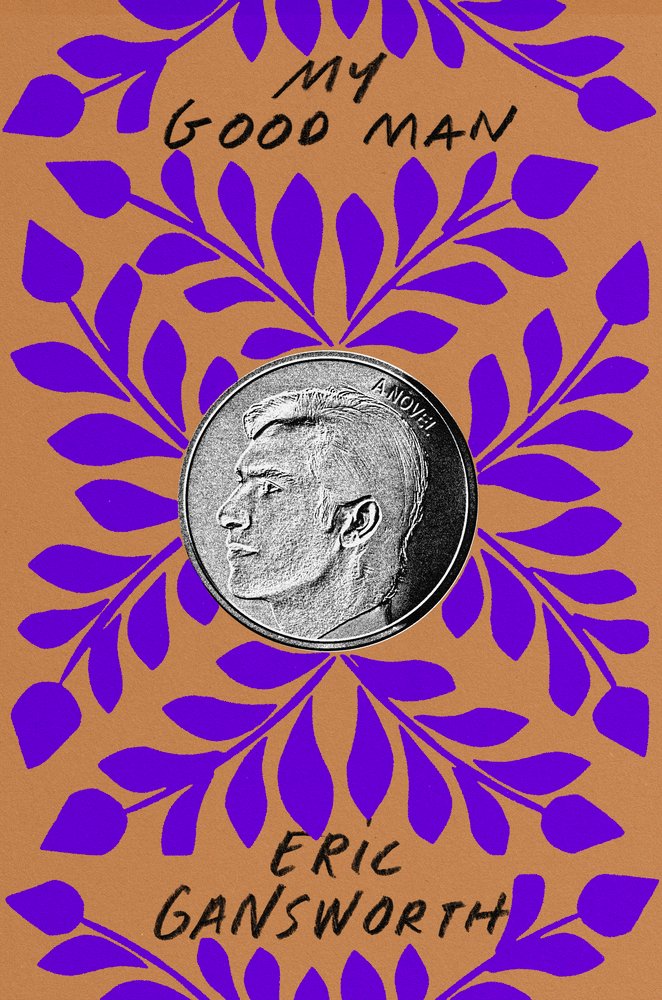
My Good Man by Eric Gansworth
Brian Waterson is a beat reporter, begrudgingly writing stories that depict the Tuscarora reservation surrounding Niagara Falls in a cynical and racist light. He is an alienated outcast at his job and ostracized and seen as weird on the reservation. Brian tries to balance both lives, but falls through the cracks, especially when a mysterious assault lands his half-brother in the hospital. Taking the reader through Brian’s childhood, Eric Gansworth writes about a man who must learn to balance American and Haudenosaunee life, and a version of a story that values the individual versus one that depends on community for survival.
The Summer of Bitter and Sweet by Jen Ferguson
Trigger Warning: This title contains references to sexual assault. Please exercise personal care when reading.
Working alongside her ex-boyfriend, whose kisses only inspire a deep discomfort, and dealing with the sudden reappearance of her best friend, Lou has enough confusion to deal with this summer. Then a letter from her biological dad turns up and throws even more of a wrench into her plans. Lou does not want to meet him, but with her family’s ice cream shop coming under threat, she might have to. Lou can’t ignore her father forever, nor can she keep repressing her complicated feelings.

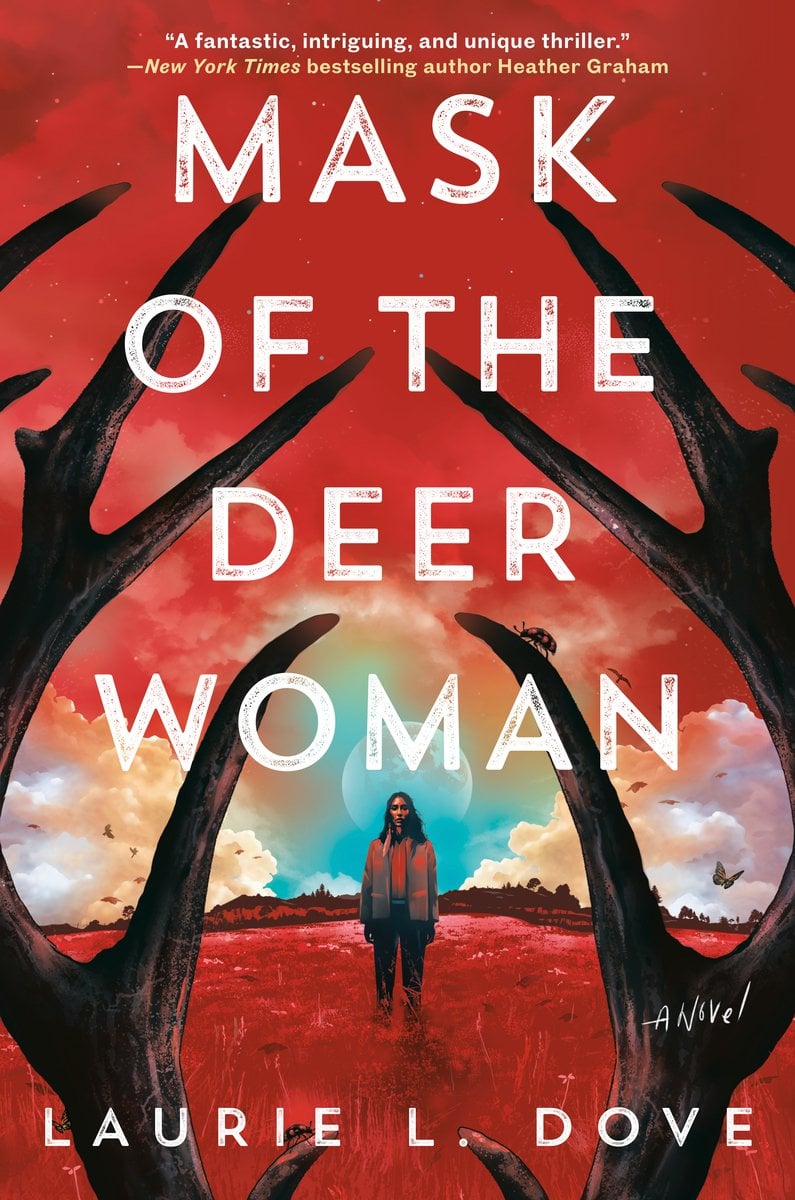
Mask of the Deer Woman by Laurie L. Dove
Following her daughter’s murder, Carrie Starr has nowhere to return to but back to her roots and the community that raised her. Grief-stricken, Carrie becomes a tribal marshal on an Oklahoma reservation and sets her eyes on seeking a missing college student and uncovering the truth behind the missing and murdered Indigenous women epidemic. Starr soon finds herself entangled in the local legend of the Deer Woman, forced to confront her trauma. Mask of the Deer Woman is a mystery novel combining elements of Indigenous mythology to tell a tale of the very real struggles still plaguing Indigenous communities.
Identity and resilience are among several powerful themes found in the writings of Indigenous authors. Stories by Indigenous authors can be found across all of literature and across various genres. Above are just a few sovereign novels detailing these incredible themes in times of struggle and self-determination. Be sure to check them out and add them to your TBR. Happy Reading!
Interested in more books to add to that ever-expanding TBR? Check out some more recommendations here.
Find these titles and more on our Insightful Native American Reads to Widen Your Horizon shelf.
