

















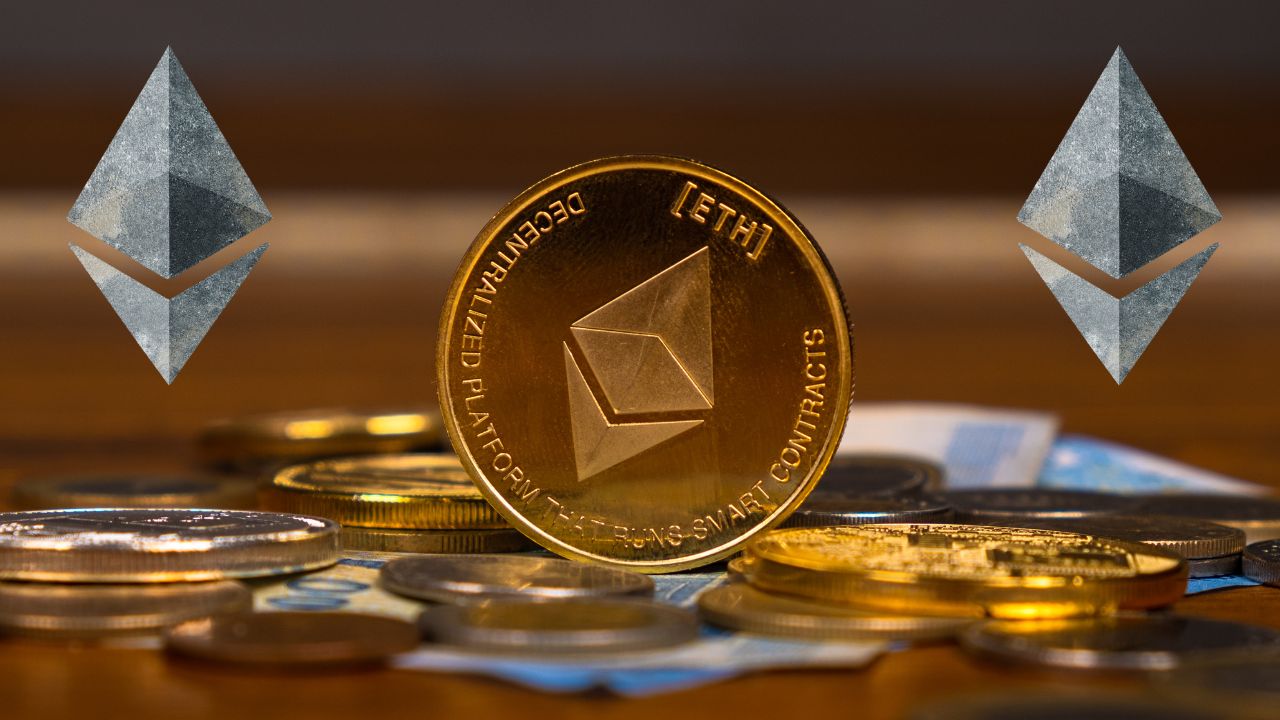
The Ethereum price increase subjugates the attention of the financial world towards its potential and digital transformation that the cryptocurrency effectuates. With increasing value, Ethereum gets more interesting to discuss in regards to how this financial revolution corrects with the world of literature.
The Genesis of Ethereum: A Novel-Inspired Journey
The story of Ethereum’s creation could be attributed to a modern epic. In 2015, Vitalik Buterin created the Enterprise with the vision not only as an electronic currency but as a decentralized platform executing smart contracts and also with support for decentralized applications. This tide of vision is characteristic of the hero’s journey, one of the most timeless topics attendant in classic literature: by which a hero sets out on a quest to change his world.
In the early chapters of the Ethereum narrative, much as a novelist might introduce some important character, Buterin’s vision was greeted with incredulity. Then, as Ethereum began to take form and attract attention, it began to fulfill its promise: gaining adherents and conquering obstacles. The narrative arc brings to light the transformative power of new ideas and the challenges they meet toward widespread reception.
Cryptocurrency as a Modern Myth: Parallels with Classic Literature
The rise of Ethereum and other cryptocurrencies is very much comparable to that of modern mythology, as one often finds in classic literature numerous themes on power, transformation and changes in society. Therefore, the story of Ethereum incorporates such aspects within the framework of technology and finance. Decentralized finance presents itself as a radical shift from old financial systems, much like the revolutionary ideas one might find in classic novels.
Myths and legends in literature give meaning to the world, explaining it. Similarly, the rise of Ethereum can be compared to a kind of new myth that sets out to redefine people’s relationship with money and technology. This blockchain technology at its core is similar to magical artifacts or mighty symbols in epic tales, showing new possibilities and reshaping the narrative of financial transactions.
Ethereum’s Impact on Digital Culture: A New Chapter in the Tech Narrative
The ever-growing price of ether indicates, more and more, the digital cultural influence of Ethereum. As the price of Ethereum grows, so does its impact on areas as diverse as finance and art. In that sense, this would be comparable to how some literary pieces have propelled and reflected cultural shifts. For example, just like a pioneering book can open a new genre or idea that captures the consciousness of readers and visionaries, Ethereum has enabled NFTs as the first step into democratizing creative work.
Specifically, NFTs minted on the Ethereum blockchain are a very new type of digital art and collectibles. Much on similar lines, this phenomenon occurs with literature where one finds evolvement shaped by contemporary issues and innovations. Just like novels could give new insights and enlightenment, so too will NFTs and blockchain tech for reframing the notions of ownership and creativity in the cyber age.
From Fiction to Reality: How Ethereum Reflects Literary Themes of Innovation
Literature abounds with themes of disruption and innovation—the telling of the great stories of characters and scenarios fighting the status quo. In a similar light, Ethereum’s meteoric rise reflects these themes within technology and finance in so much that right on the platform, smart contracts and decentralized applications can be seen mirroring the kind of innovative spirits found in the study of literature that dares to tread new frontiers, bucking conventional wisdom.
The idea at the core of Ethereum, decentralization, aligns very well with this literary trope of breaking away from inherited traditions toward something new and transformative. Much like characters in novels that go against expectation and pioneer new paths, Ethereum is pushing against boundaries around what has been possible within both finance and technology.
The Future of Ethereum: Imagining the Next Plot Twist in the Blockchain Saga
Much as in any good story, so too is the future riddled with new plot twists and development for Ethereum. Supposedly an upgrade to help along scalability and performance issues, this would be Ethereum 2.0, the next installment in the ongoing story of Ethereum, which will move away from a Proof-of-Work consensus mechanism into one that’s Proof-of-Stake—radically reducing energy consumption while at the same time enhancing transaction speeds.
This will be the next evolution in the story of Ethereum and can only compare to a plot twist in a novel reshaping it. The transition into Ethereum 2.0 is very likely to give way to new challenges and opportunities that will continue shifting the anti-Christ landscape of blockchain technology and computerized finance. Much as a plot twist in a novel does, Ethereum’s upgrades will hence open new avenues for innovation and growth.
Literary References to Blockchain: How Modern Books Address Cryptocurrency
The junction of Ethereum and literature goes beyond thematic parallels to real-life references in contemporary books. Authors are now including blockchain and cryptocurrency in their narratives, a reflection of the rising influence of these technologies on society. Such literary pieces delve into the implications that blockchain technology and cryptocurrencies are having on our world. Cryptocurrency books involve such themes as technology, power and identity, resting on the same storytelling mechanics that some great universal literature employed to mirror the social changes of their times. The authors are thereby providing a literary framework for understanding and interpreting the impacts of these technologies on life by integrating blockchain and cryptocurrency into the plot.
Conclusion
From its very innovative inception to its possible influence on the future of digital culture, Ethereum’s story parallels these transformative journeys found in both classic and contemporary novels. By examining these connections, we can build some idea of how cryptocurrency is a reflection and a shaper of our times—just as characters and plots in literature do for human experience.
