


Author Kate Doyle shares her insightful approach to writing, crafting stories that resonate deeply with readers of all ages. Whether she’s penning short stories or novels, Doyle focuses on human connection and how characters navigate life’s complexities. In this interview, she discusses the distinct challenges and rewards of writing a short story collection versus a novel. Her reflections reveal how careful editing and arranging stories can build meaningful connections between characters and themes. Doyle’s thoughts on memory, time, and personal growth show her commitment to crafting stories that feel both universal and personal. Readers will appreciate her honesty about balancing originality with connection while navigating life’s pivotal moments. Dive into this article to discover Kate Doyle’s best writing insights and the thoughtful approach behind her work.
Kate Doyle
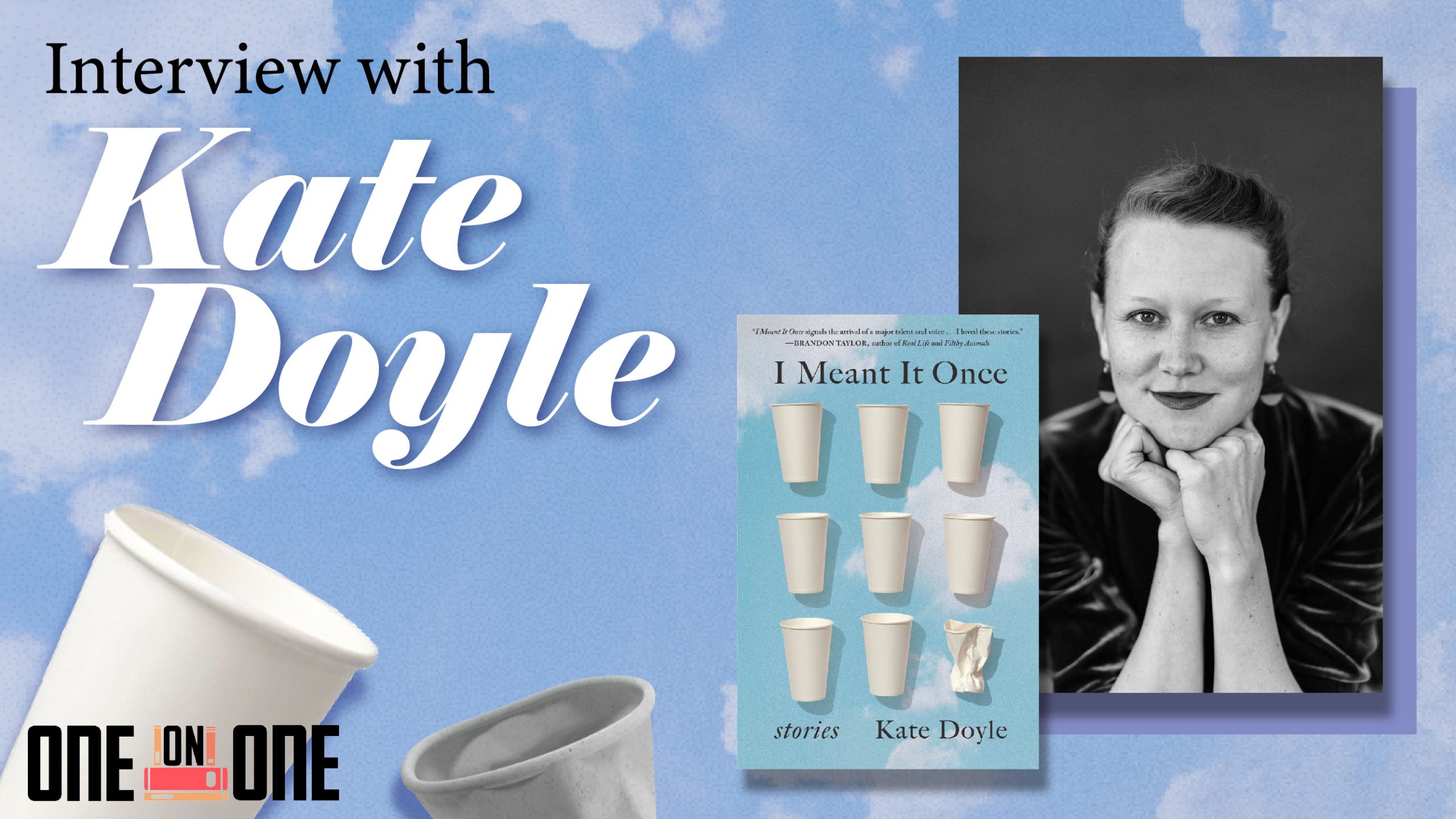
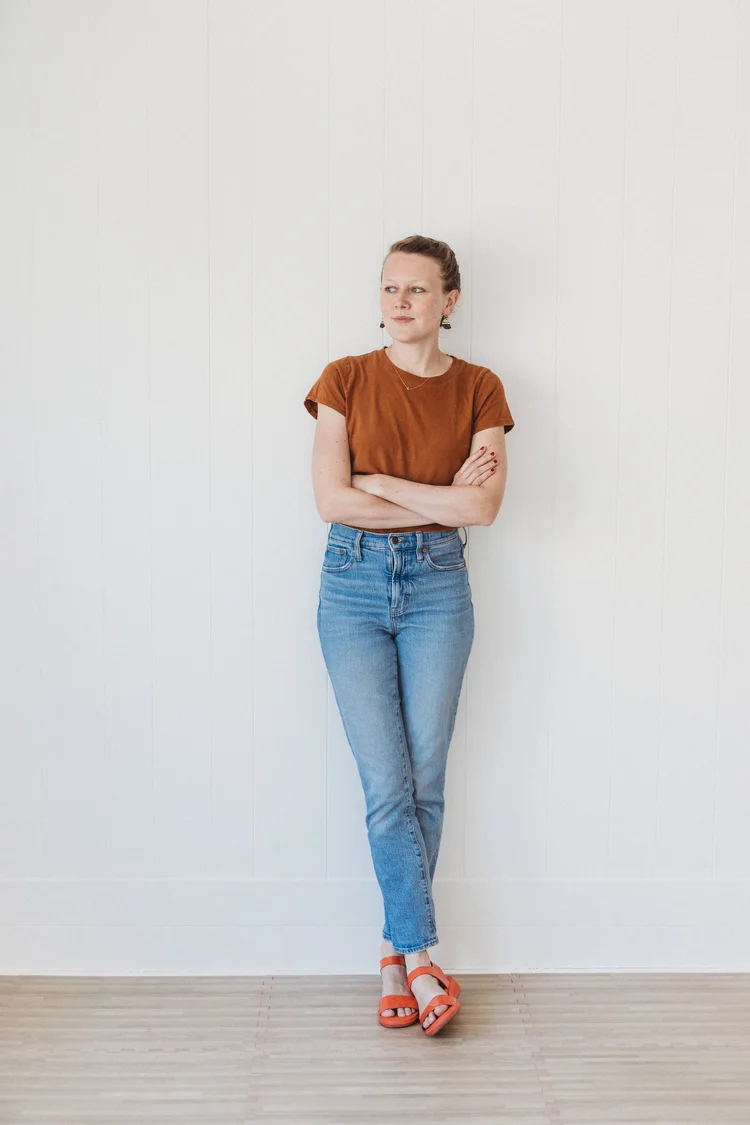
Kate Doyle is an American author currently living in Amsterdam, where she published her debut short story collection, I Meant It Once. Her writing has appeared in various literary outlets such as Joyland, Lit Hub, and Chicago Review of Books. Kate has earned fellowships from organizations like the Hawthornden Foundation and the Adirondack Center for Writing. Her collection was a 2024 Story Prize longlist selection and a finalist for the PEN/Robert W. Bingham Prize. Originally from New England, she holds an MFA from NYU and once worked in a cozy Ithaca bookshop.
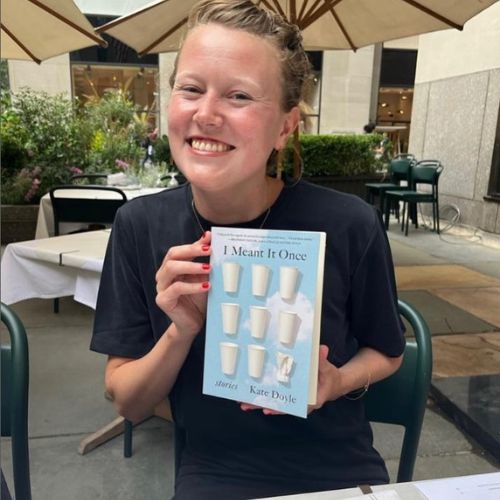
I Meant It Once is Kate Doyle’s captivating debut collection about twenty-something women maneuvering through life. The stories explore the complexities of friendships, family, and past relationships while confronting an uncertain future. In That Is Shocking, a college student recounts an embarrassing love and a betrayal of a close friend. Cinnamon Baseball Coyote delves into sibling dynamics filled with competition, humor, and deep connection. With witty prose and emotional depth, Doyle perfectly captures the messy, transformative experiences of early adulthood.

How is the thinking/writing/editing process different for a short story collection vs. a novel?
Well, something I love about a collection is how the different stories let the reader look at one theme or idea from many points of view. It’s different from a novel with one main character: in a collection, there are many protagonists, and you start to see resonances between the different characters and settings across different people’s lives and experiences. I find that very true to life, to what it’s like to be surprised or changed by people and places you encounter. So, a lot of writing and editing a collection is not only about writing individual stories but also putting them all into an arrangement that creates connections between them, allowing them to talk to each other, to echo or complicate each other. A bit like individual songs arranged on an album. Editing stories requires a lot of tweaking and shifting things, moving different stories around within the book, and experimenting with the order and arrangement. Now I’m working on a novel, and that feels more like a practice of endurance: asking yourself how you keep it moving forward, keep up the momentum, keep the ball in the air.
We’ve talked before about the non-chronology of this collection. Can you share a bit about why the collection operates this way?
This book is a lot about being in your twenties, trying to make sense of where you’ve been and where you’re going. And I was interested in how to tell those stories in ways that go beyond strict chronology, how to show not only how a story happens but in how it lives on in someone’s mind long afterward and shapes other parts of a person’s life: in other words, how we’re always kind of simultaneously moving forward and looking back. We all have this experience of the basic weirdness of memory, of how strange it is to carry around our past selves with us all the time. So I wanted these stories to communicate not just what happens to these characters but also what it’s like for them to be ruminating and remembering, sifting through different memories and making sense of different chapters of life while they’re trying to keep moving forward. So, on any given page, because of the way the stories are structured, the reader might touch on several different times in a character’s life and be able to see how those are informing each other.
What was your hope regarding the impact of this collection on readers? Were you aiming to reach and connect with a specific demographic? If so, how did you ensure that you made this connection through your writing?
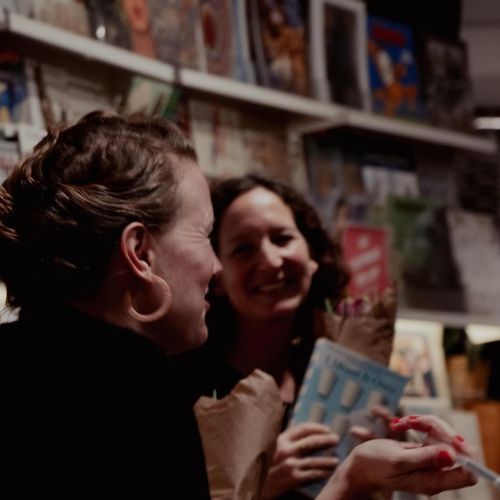
When I started writing this book almost ten years ago, I thought it was a book that would speak quite specifically — maybe narrowly — to women my own age. One of the most gratifying parts of actually publishing has been finding out I was wrong about that: so much of that experience of being in your twenties is universal, even if some of the period-specific details might vary decade to decade. It’s been such a joy to meet women much older than me who really connect to this book, or younger women who are living through college and their early twenties now. I love hearing about how these stories resonate with them.
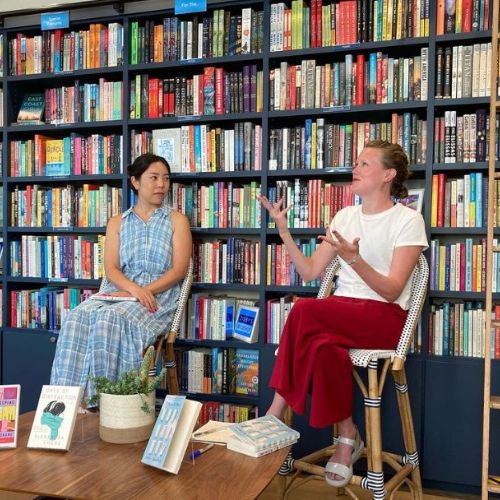
I think the project of this book at its heart is to take stories about young women of this age, whose experiences and opinions are often written off as unserious in some way by society at large, and treat those experiences with gravity and close attention. So, for that reason, it’s a book that, broadly speaking, I suppose women readers particularly connect with, but I’ve been glad to also meet male readers who feel a connection to it as well. (My father tells me that at his golf club, some of the men are now reading the book to better understand their daughters and granddaughters — an outcome I could never have imagined and am totally delighted by.)
What was the thought process that went into ordering the stories?
I ordered and re-ordered these stories so many times! It was really a process of experimentation and trial and error. I kept thinking I’d gotten it right and then finding reasons to rearrange it all over again. There are a lot of different considerations: For one thing, I was trying to create variety between the different stories while also highlighting what connects them to each other, so that’s a balancing act. And I was trying to put each story in the right place for the reader to encounter it within the context of the whole book and that larger reading experience. Often, I was looking closely at how one story ends, and another begins. Think about where the reader has been left at the end of one story — in what mood or with what questions — and how it prepares them to encounter the world of the next one.
This collection plays a lot with real vs. not real and what happens in this “gray area.” What was the intention with your focus on this in-between? Does this speak to something bigger about the life-in-your-twenties theme you encapsulate with this collection?
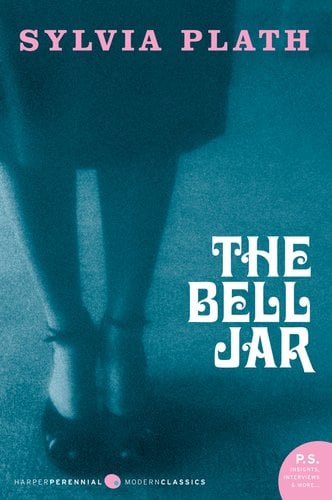
I think as a writer (and as a person!) I’ve always been curious about the question of what might have happened. A lot of these characters are really tangled up in those hypotheticals, feeling stuck on the idea of these unlived parallel lives they imagine so vividly: what if it had worked out romantically with x, what if my friendship with y hadn’t fizzled out, etc. I think these are very human ways of sorting out what’s happened in your life and how you want to move forward, no matter what age you are. But in your twenties specifically, I do think it can all feel particularly heightened and a bit desperate, like you’re trying to arrive at some definite answer or clear epiphany about what you value and how you’re going to be in the world. In those years, even when good things happen, they can still feel like closing the door on something else. Sylvia Plath wrote about it perfectly in The Bell Jar; she has this metaphor about climbing a tree and wanting to pick all the fruit, paralyzed by the knowledge that by climbing up any one branch, there will be fruit on another that will be impossible to reach. To have any fruit, you have to climb — but to pursue anything will mean the loss of something else that might have been.
How do you balance the desire for originality with the need to connect with readers?
I think — I hope — that originality and connecting with writers can very much go hand in hand, that they aren’t at cross-purposes. There is a separate consideration about how to market a book, how to get it into the hands of readers once it’s published — but during the writing part; I try to just focus on how to write a book that feels honest and alive and surprising and trust that the rest of it can follow. That being said, now that I’m writing a second book, that question of what kind of book sells is with me in a way it wasn’t for the first book. With the first, I wasn’t sure it would ever even be a published book; it was very much a personal project, and I had so much space and privacy in the formative writing years to make it into whatever I wanted it to be, to find my way on my own. With a second, you suddenly have new considerations about the arc of where you want your career to go, but you’re also trying not to let those questions get in your way in terms of writing the thing. I’m still very much in the midst of this stage — I don’t have answers, but it’s something I’m thinking about a lot.
Can you share any information or spoilers about your current project …?
I’m writing a novel that picks up again with the character Helen, who appears in three of the stories in the collection. In the collection, she’s in her twenties; in the novel, she finds her again in her thirties. Helen is a character that, in writing the collection, I often gave some of my own experiences to quite directly: like Helen, I was kind of the “emotional one” in my family of origin. I had grown apart from the best friend of my adolescence, and my response to my own sense of loss was to be quite self-critical. I had a job at a restaurant, and I felt this fear that I would never find a direction in my career that felt more purposeful. I kind of gave all those experiences to Helen, the character, and she helped me untangle them and make sense of them and let them go a bit in the course of giving them to her and getting that bit of distance.
So when I had this itch to write about her again, I felt I needed to give her some of what I’ve been muddling through more recently in life, stuff that comes to the fore in your thirties: figuring out if you want to be partnered, if you want to be a parent — and wondering if what you’ve pieced together so far professionally is going to sustain you long-term. I also really wanted to write about my experience leaving the U.S. to move to the Netherlands with my partner two years ago, so I’ve given Helen a bit of that as well. It’s been interesting to write about this kind of gray area between life and fiction. It’s interesting to write about Helen in all the ways she’s both like me and not like me. In many ways, I think it’s a book about the question of staying versus leaving: in a long-term relationship, in the orbit and traditions and beliefs of your family of origin, and in your home country. About what’s beautiful and what’s limiting about all the structures we’ve built our world on, and we are trying to figure out how to remake and reshape — trying to figure out if we can still live with them.
What do you believe is the role of a writer in society?
To complicate what might seem simple at first. To put words to feeling. And in whatever small increments, to further the conversation through time about what it is to be here and be alive together. I do think there are some things that can only be communicated in a story, and some things can’t be said any other way — and that’s a writer’s work.
If you could only save one book from a burning library, which would it be and why?
I tend to answer questions like this with the book I most recently loved — I guess because the book is fresh in my mind, and I’d be sorry not to have the chance to revisit it! A few days ago, I finished The Anthropologists Ayşegül Savaş. It’s my favorite kind of book. It’s very internal, not very plot-oriented, and one that immerses you in the routine and the mind of a character. I found out about the book from a beautiful essay that the writer, Cara Blue Adams, published. It’s a novel that feels connected to certain themes I’ve been writing about myself — it’s very much an exploration of making a life and a partnership far from the place you were born. The characters in the novel keep visiting other apartments in the city where they live to consider if they might like to buy one. That ongoing search really illuminates how they’re asking themselves: who will we become if we live here, or here, or here? And whatever we choose, then where will we put within us those selves we once were or the selves we won’t become?

Kate Doyle’s thoughtful approach to writing reminds us of the power stories hold to connect people across experiences and time. Her commitment to authenticity, originality, and human connection shines through in both her short stories and novels. As readers, we’re left reflecting on our own lives, appreciating the way stories shape and influence how we understand the world. Make sure to check out her latest collection of stories, I Meant It Once!
Want to learn about the writing process from another author? Check out this article.
Be sure to browse our Exploring the Depths of Literary Fiction bookshelf on Bookshop.org for more fiction recommendations!