


















Louisa May Alcott introduced many readers to a diverse representation of women within a single family in her timeless novel, Little Women. Through the story of four sisters, each of whom follows a unique path, Alcott breaks the constraints traditionally placed on the portrayal of women. Here’s why Little Women remains a beloved depiction of womanhood and sisterly bonds more than 150 years after its publication.
Why We Love the March Sisters
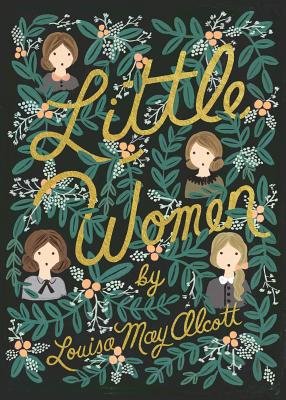
With one sister focused on music, another on art, one more on marriage, and the other on writing, the March sisters represent a spectrum of female aspirations, allowing readers to easily identify with one or more of them. Each sister’s journey is not tied to the others, perfectly capturing the experience of having siblings who, despite a strong bond, could not be more different from one another. The March sisters may not be opposites, but each has her own dreams and desires, which is part of what makes Alcott’s Little Women so great.
Meg March

Meg March, the oldest sister, seems the most troubled by her family’s poverty. She dreams of a luxurious life with a handsome, wealthy man who would take her to grand parties, where she would wear glittering jewelry and stunning ball gowns. As Meg matures, however, she realizes her materialistic fantasies are just that: fantasies. When she meets Laurie’s tutor, John Brooke, she falls in love with a humble, hardworking man who challenges her former ideas about wealth.
During this era, Meg’s choices aligned with societal expectations; she aspired to marriage and motherhood, without any other pressing ambitions. What makes Meg’s character unique during that era is that she chooses this path not because of societal pressure but because of her own will.
Jo March

Jo March, the second oldest sister, is outgoing and creative, and she dreams of rescuing her family from poverty through her writing. Often seen directing plays with her siblings, Jo is the least conventional of the sisters, with her wild imagination, messy hair, and ink-stained hands defying societal norms.
Although she and her sister Meg differ greatly, they enjoy acting in Jo’s plays together. Unlike Meg, Jo is not interested in marriage. This becomes clear when their family friend, Laurie, proposes and Jo turns him down, loving him platonically rather than romantically. However, Jo does later marry Friedrich Bhaer, realizing over time that embracing her feminine side does not mean losing the unconventional parts of herself.
Beth March

Beth March, the quiet and talented third sister, is often misunderstood but content with her solitude. As a skilled pianist, Beth loves music, cherishes her family, and has no desire to leave home. Selfless and always willing to help others, Beth unfortunately falls ill, and despite initial recovery, her health declines, ultimately leading to her death. Though her passing is tragic, Beth lived a life filled with love and unwavering support from her sisters.
Amy March

Amy March, the youngest sister, can sometimes seem spoiled. She often clashes with Jo, as they are the most dissimilar; her act of burning Jo’s manuscript highlights this conflict. Amy is somewhat superficial, cares deeply about her appearance and possessions, and understands that to achieve her desires, she may need to marry for money rather than love. Amy’s artistic talent grows evident as she matures. She eventually marries Laurie, though Jo’s platonic feelings for him leave her somewhat uneasy about the match.
Each sister in this beloved classic pursues her own path, yet they remain closely connected and supportive. Though their interests vary, they respect each other’s dreams. The March sisters in Little Women are a powerful portrayal of sisterhood, showing that, despite heated arguments, family loyalty conquers all.
Want to keep on reading about Louisa May Alcott? Click here.
Check out our Bookstr bookshelf on classics here.