












Many know Shirley Jackson’s The Lottery as a staple of high school literature curricula. Its eerie premise follows the day of “the lottery” in a small, unnamed American town, a drawing of names by which one resident is selected to be stoned to death by their fellow townspeople. While today the story is a celebrated classic and standard in the genre of speculative fiction, Jackson was not immediately lauded for her work. In fact, when it was first published in The New Yorker in 1948, letters poured in from across the country. Hundreds of readers took offense or expressed confusion about the piece.
In the shadow of the Second World War and the newly emerging tensions of events such as the Cold War and McCarthyism, violence and persecution were already at the forefront of the American public’s consciousness. The town of The Lottery and its casual inhumanity are not a pointed comment on any particular place or group, but that very anonymity made readers all the more eager to interpret and assume the story’s message. Even in the widespread evolution from suspicion to fascination and appreciation, Jackson’s work remains elusive in many ways. Whether directly influenced by The Lottery or simply involved with similar themes, other stories help us understand the storytelling in a new light and from different angles. Here are five short stories to read after Shirley Jackson’s The Lottery.
The Ones Who Walk Away From Omelas by Ursula K. Le Guin
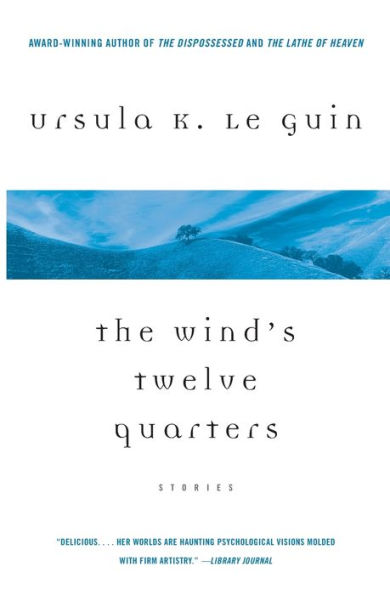
Featured in the short story collection The Wind’s Twelve Quarters, the world of The Ones Who Walk Away From Omelas begins in a small town called Omelas. With lush imagery, and the cheerful and harmonious scene of a summer festival procession guiding the narration, all seems utopian and joyful. However, a paradox to the delights of Omelas is revealed as the story shifts to describe a cellar in one of the town’s homes, in which a small child is kept at all hours. It is left alone at all hours in filth and fear, with only enough sustenance provided to stay alive, a torture that is necessary for the perfect merriment and well-being of the other citizens.
Le Guin does not explain this to be a rule enforced by any particular power, but rather inherent terms of the town of Omelas, a narrative choice that asks readers to reckon with the consequences and justifications of cruelty. Similar to The Lottery, The Ones Who Walk Away From Omelas poses questions about how communities deal with suffering, and how to reckon with the responsibility of those who do suffer. However, the titular idea of walking away in Le Guin’s story also introduces the potential for dissent against the perpetuation of violence.
The Wheel by John Wyndham
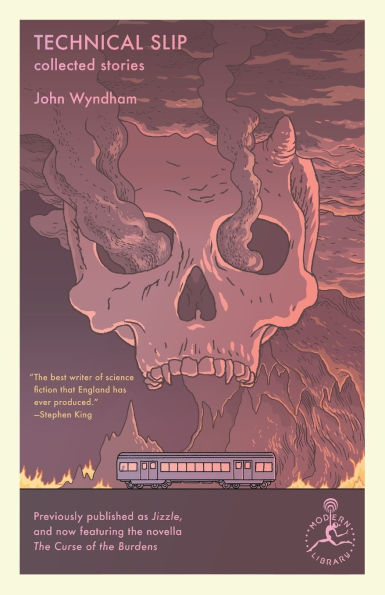
Part of Wyndham’s short story collection Technical Slip, The Wheel tells the story of Davie, a young boy who his family punishes after fashioning a structure with wheels. While his mother locks him away in the family’s barn, and a priest is summoned to destroy the boy’s creation, Davie’s grandparents steal away to explain these reactions to their grandson. As they recall how the invention of the wheel and the progress that accompanied it eventually led to death and decimation of society, they also reveal how a fear of reliving that fate led to stories of the wheel as the evil work of the devil.
The Wheel’s reflections on change, fear, and the narratives that shape societies are ideas also at work in The Lottery. For the townspeople in Jackson’s tale, it is a sense of tradition and belief that the lottery allows the town to continue to function, which keeps it in practice year after year. One of The Lottery’s characters, Old Man Warner, expresses this when saying, “Used to be a saying about ‘Lottery in June, corn be heavy soon.’ First thing you know, we’d all be eating stewed chickweed and acorns. There’s always been a lottery.”
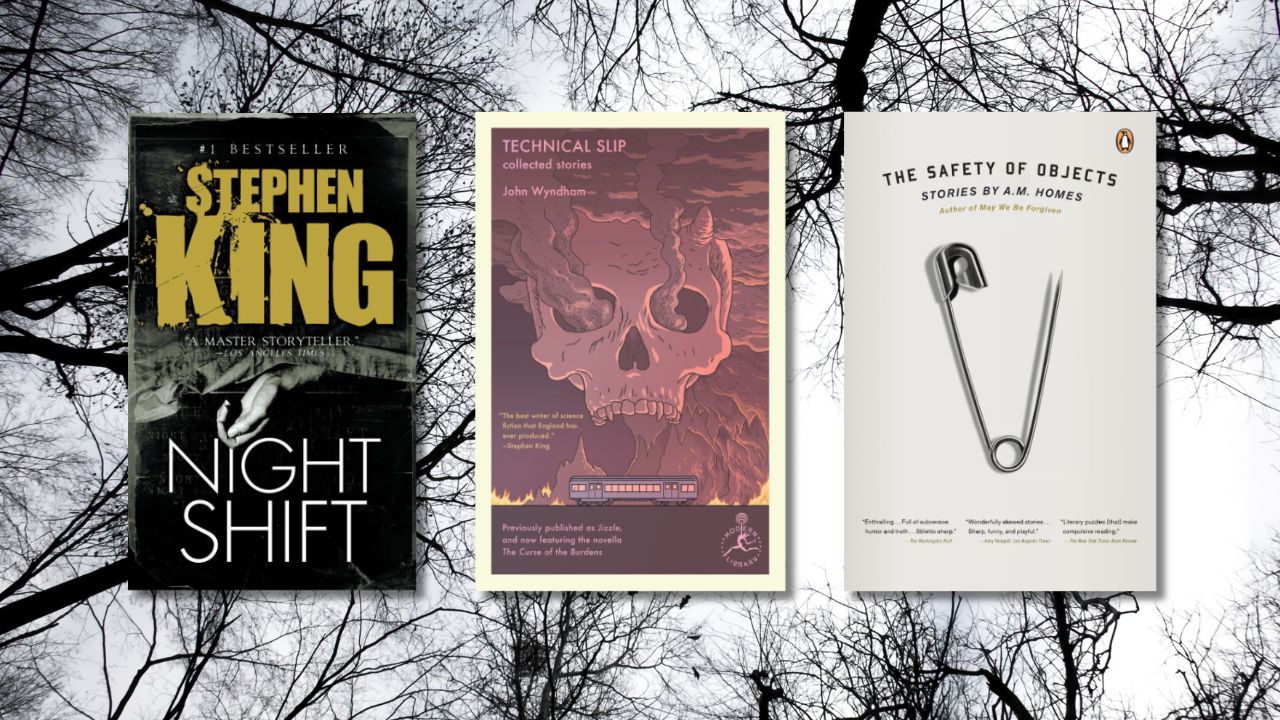
Looking for Johnny by A.M. Homes
A.M. Homes is an author who has outwardly expressed her appreciation for The Lottery in a New Yorker interview and reading of the story. Like Jackson, Homes has her own experiences with controversial stories and backlash from readers. Her piece Looking for Johnny, from the collection The Safety of Objects, follows a young boy named Erol as he recalls being abducted. While the man who takes Erol keeps the boy with him against his will, forcing him to do as he says and gaslighting him about his own health, the boy’s recollection of the events remains largely detached.

Despite a premise that seems unrelated to the events of The Lottery, Erol’s casual attitude about his situation begins to take on an eeriness not unlike the town’s routine practice of the lottery. What first appears as a childlike ignorance to the reality of his kidnapping evolves into an unsettling passivity towards his life.
One for the Road by Stephen King
One for the Road is a short story branching from the same world as King’s novel, ‘Salem’s Lot. From the perspective of a man living in a small town in Maine, the story tells of his attempt to help an out-of-towner who loses his family in a blizzard, and how this effort leads to a supernatural brush with death. King is another author known to be inspired by Jackson. A.M. Homes even notes Jackson’s influence on the esteemed horror writer in the same New Yorker interview about The Lottery.

One for the Road deals with another small town, this one overtaken by vampires. Though the supernatural presence of a monster is a different type of violence than that committed by the community of The Lottery, horror is often still a channel for real-life fears and events. The book Teaching Stephen King: Horror, the Supernatural, and New Approaches to Literature by Alissa Burger even quotes King’s thoughts on ‘Salem’s Lot and One for the Road: “Every novel is to some extent an inadvertent psychological portrait of the novelist, and I think that the unspeakable obscenity in ‘Salem’s Lot has to do with my own disillusionment and consequent fear for the future.” In this way, the monstrous elements of King’s story are ultimately related to real-life cruelty and desolation, channeling the moods and fears of an unsettled time in history in a manner similar to The Lottery.
A Rose for Emily by William Faulkner
Faulkner’s classic Southern Gothic story A Rose for Emily is written from the fourth-person perspective of a town, with non-linear observations and recollections of one citizen, Emily Grierson. Beginning with Emily’s death, the story touches on her family’s role in a dying antebellum aristocracy, her relationship with a controlling, abusive father, a suspected marriage to a Northern man, and a foul smell that emerges from her house. Much of what the town knows and judges her for is gathered by what they witness through the woman’s windows and doors, or in her rare appearances outside the house, giving her an air of mystery and remoteness.
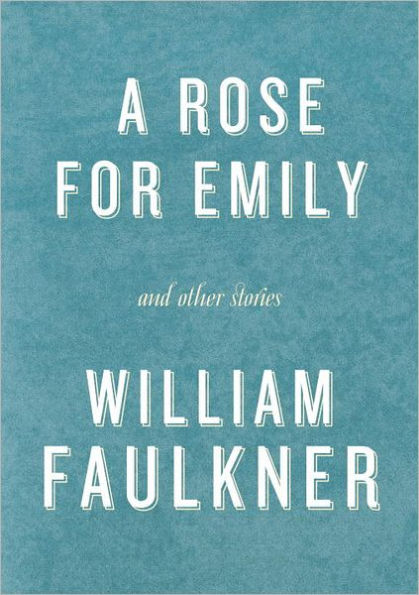
While the town’s spectatorship makes their role in A Rose for Emily less active than the town of The Lottery. Instead, it is Emily’s growing reclusivity and disturbed responses to death and loss that emulate Jackson’s piece, representing a different kind of inhumanity that comes with an inability to relinquish tradition.
Twisted cruelties or unsettling realities are a common theme across the short stories in this collection. This ominous storytelling is also at the heart of Shirley Jackson’s The Lottery, which examines the darker sides of humanity and how different characters confront or deflect them.
Want to read more about the stories we read in high school? Click here.
Find more thrilling, sinister, and suspenseful reads here on Bookshop.org.