

















Trigger warning: The documentaries and series in this list contain discussions of racism, slavery, police brutality, lynching, incarceration, and sexual violence. Please exercise caution while reading.
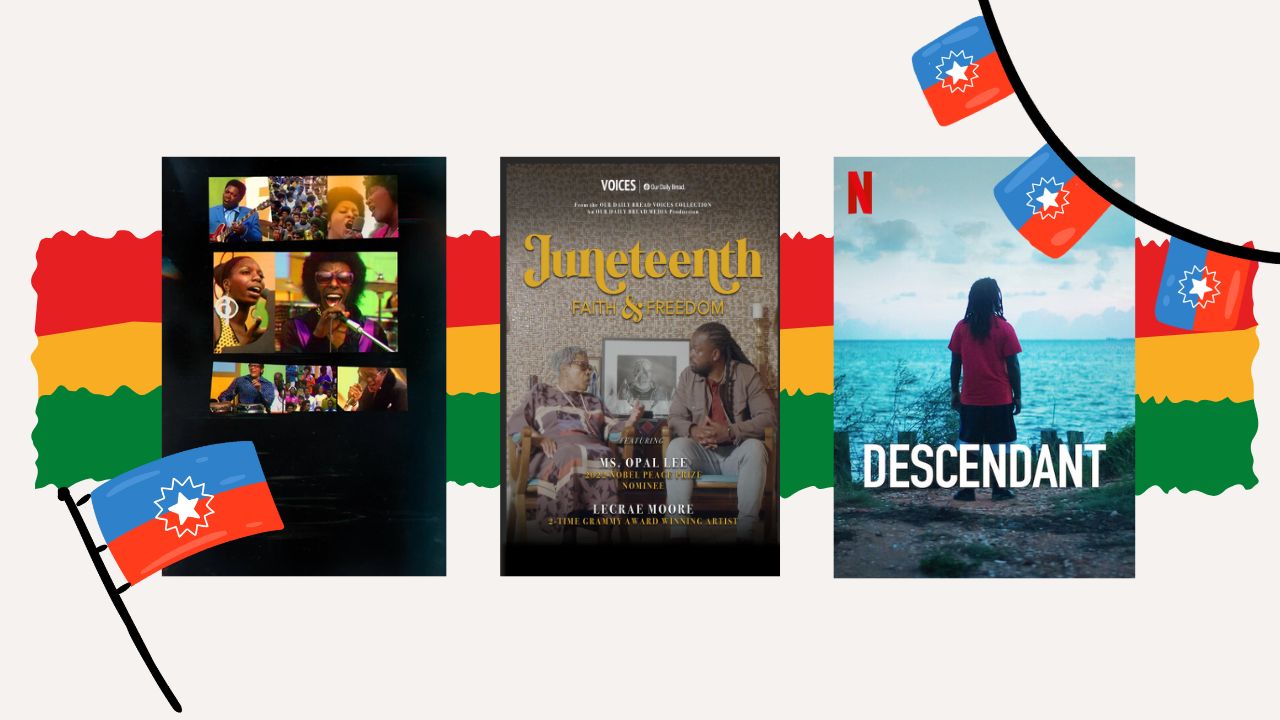
Juneteenth commemorates a momentous turning point in US history: the day the last enslaved Americans were finally liberated. Despite this, it received little mainstream attention until President Joe Biden officially made it a federal holiday in 2021. We’ve collected ten documentaries and docuseries that shed light on the ongoing struggle for freedom and the vibrant culture that blossomed from it.
Descendant
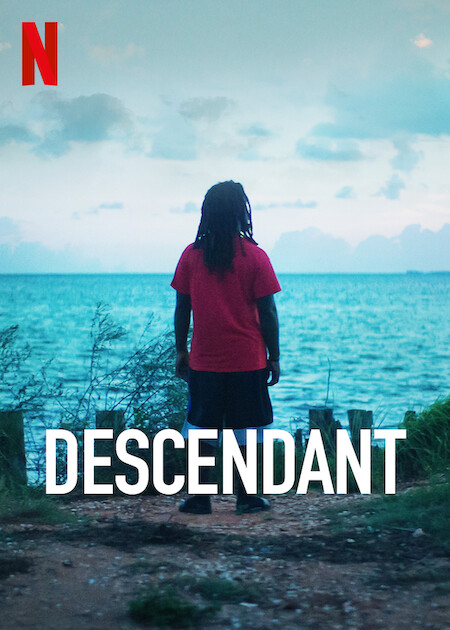
The United States government abolished the international slave trade in 1808. Despite this, slave ships continued trafficking captured Africans across the Atlantic for decades. In 2019, divers discovered the wreckage of the Clotilda, the last known slave ship, in Alabama’s Mobile River. Descendant follows the nearby community of Africatown, which comprises the direct descendants of the 110 enslaved Africans who arrived on the Clotilda in 1860. As their long-forgotten story receives mainstream attention, the people of Africatown work to preserve their history and share their ongoing fight for justice.
13th
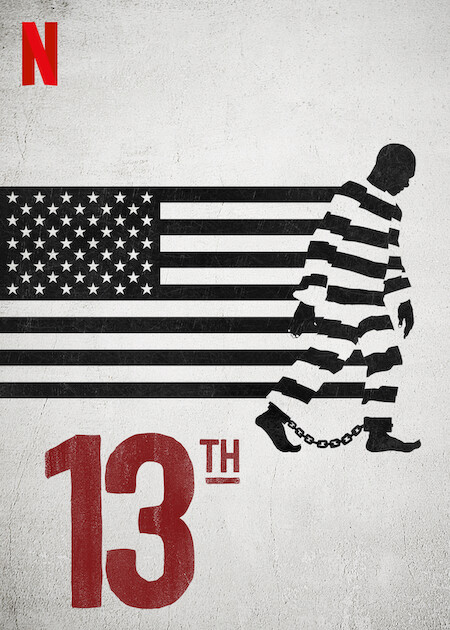
Ava Duvernay’s Emmy-winning documentary explores a loophole in the titular 13th Amendment that has allowed slavery to persist in the modern day. Passed in 1865, the amendment prohibits slavery and involuntary servitude “except as a punishment for crime whereof the party shall have been duly convicted.” Through interviews with activists and politicians, Duvernay traces the history of post-Civil War forced labor and the rise of the modern prison industrial complex. The specter of slavery, she reminds us, still haunts our country.
Stamped from the Beginning
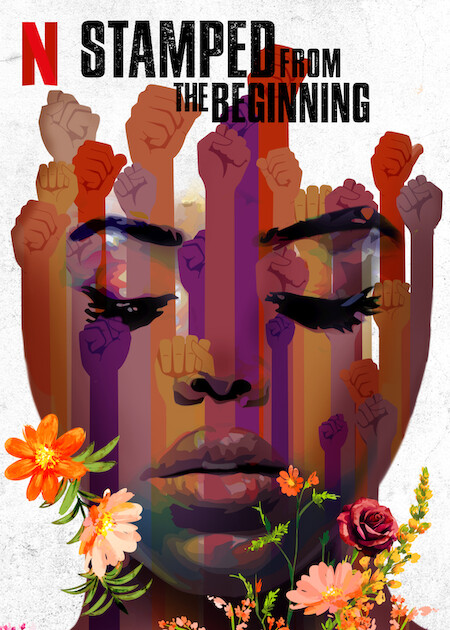
Based on Dr. Ibram X. Kendi’s acclaimed book, Stamped from the Beginning examines the history of various anti-Black tropes and stereotypes. From the hypersexualization of Black women to the criminalization of Black men, these insidious myths have been used to justify centuries of oppression. Scholars and activists talk viewers through the origins of the many narratives white supremacy employs to enforce racial hierarchy and subjugation. “If they can put the system together in the first place,” Dr. Stephanie E. Jones-Rogers says, “then we can undo the system.”
I Am Not Your Negro
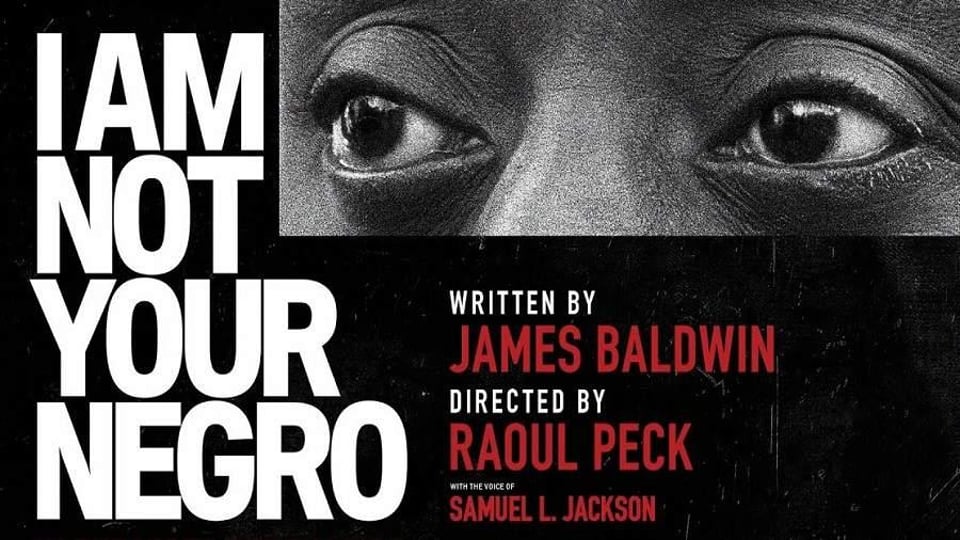
When James Baldwin died in 1987, he left behind the unfinished manuscript for a memoir, Remember This House. The book would reflect on the lives and murders of activists Medgar Evers, Malcolm X, and Martin Luther King, Jr. I Am Not Your Negro realizes Baldwin’s vision, drawing a throughline between the fight for civil rights then and now. Across five chapters exploring a history of segregation, misrepresentation, and exploitation, Baldwin and narrator Samuel L. Jackson lay bare the history of US racism.
The Black Panthers: Vanguard of the Revolution

Amid ongoing racial violence and social upheavals, the Black Panther Party emerged as a force to be reckoned with. Led by Huey Newton, what began as a self-defense organization against police brutality grew into a national movement. Through archival footage and interviews with Party members, journalists, and police, The Black Panthers charts the rise and fall of a revolution.
Summer of Soul (…or, When the Revolution Could Not Be Televised)
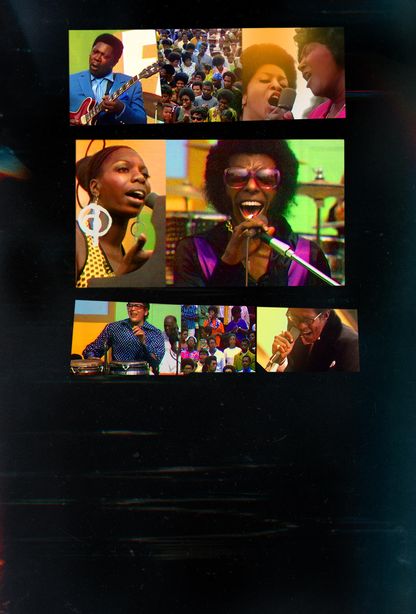
In 1969, less than two hours away from Woodstock, Black residents of Harlem gathered for a musical celebration of their own. Summer of Soul, Questlove’s Oscar-winning documentary, chronicles the third annual Harlem Cultural Festival, long overshadowed and overlooked as a cultural touchstone. Musical legends from Nina Simone to Stevie Wonder bring this summer of Black pride to life in rarely seen footage.
Soundtrack for a Revolution
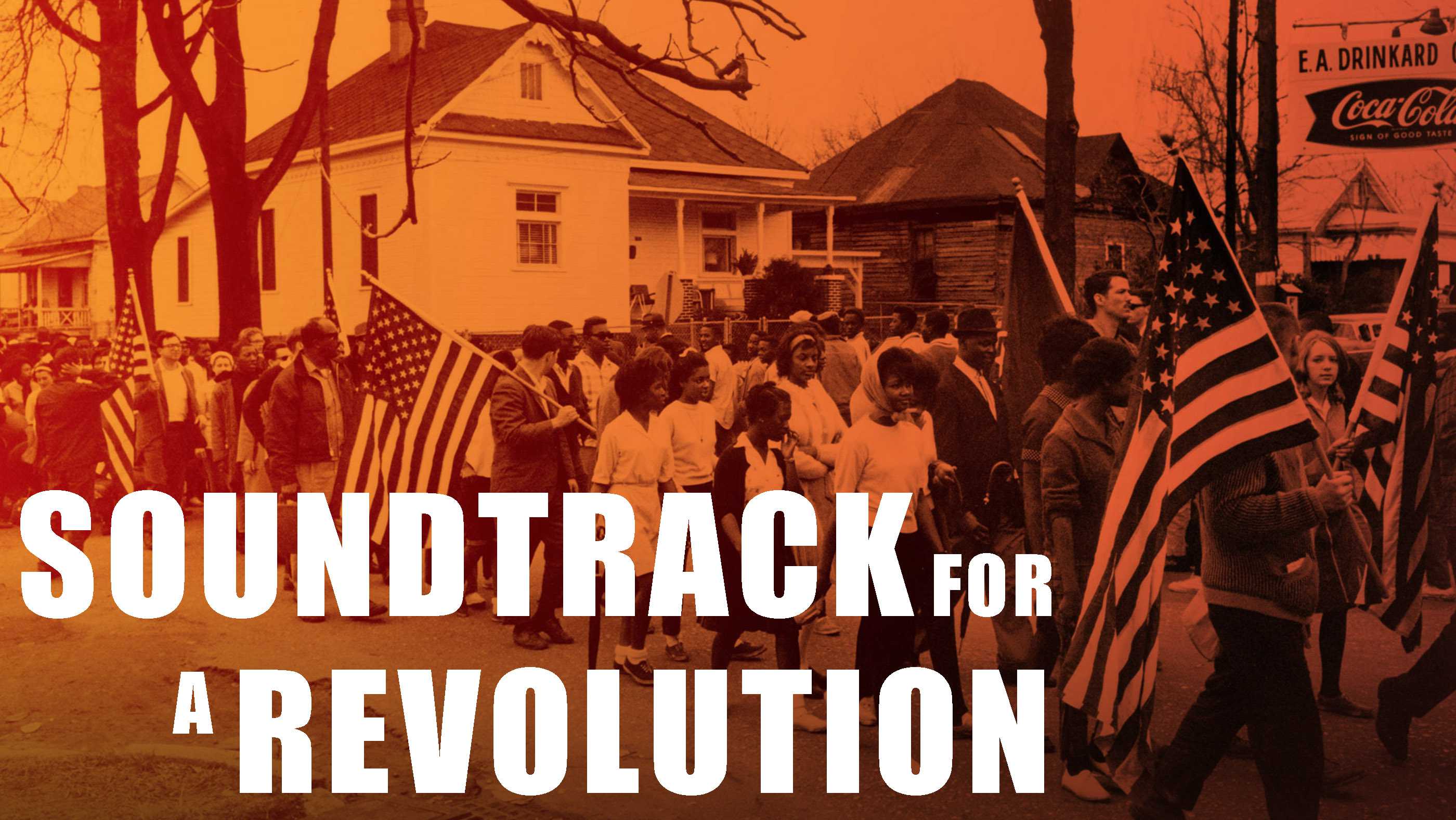
Since the era of slavery, music has provided a powerful lifeline for the Black American community. During the Civil Rights era, protest anthems gave activists an outlet to express their pain, frustration, anger, and hope. Soundtrack for a Revolution relates the story of the struggle through its songs, with performances from The Roots, John Legend, and other contemporary artists. “It was the music,” explains the late Rep. John Lewis, “that gave us the courage, the will, the drive to go on in spite of it all.”
Is That Black Enough for You?!?
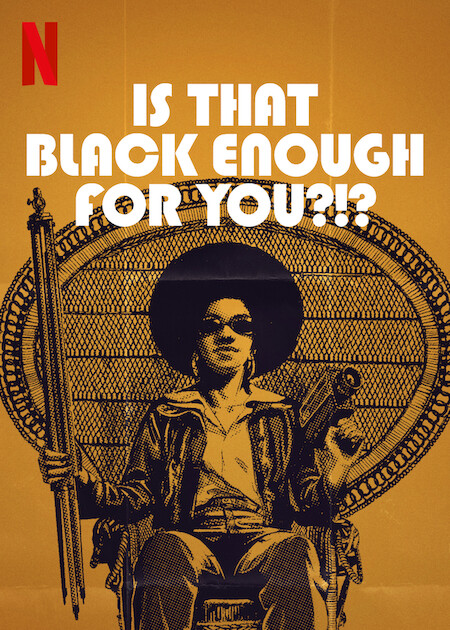
Film critic Elvis Mitchell offers a personal perspective on the rise of Black cinema through the 1960s and 1970s. Long limited by the racism of white Hollywood, Black actors and filmmakers sought to tell their stories on their terms. Mitchell’s fascinating deep dive brings together performers and creators from across generations, from Harry Belafonte to Laurence Fishburne and Whoopi Goldberg to Zendaya. It’s a testament to the importance of representation and what it means to see yourself on screen.
High on the Hog: How African American Cuisine Transformed America
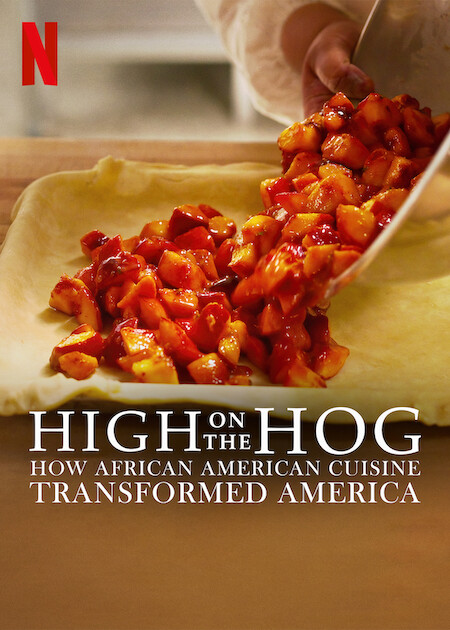
Originally a book by Jessica B. Harris, High on the Hog tracks the evolution of African American cuisine from its roots across the Atlantic. The Netflix series invites viewers on a culinary journey through the African diaspora, guided by food writer and chef Stephen Satterfield. From the coast of Benin to the kitchens of Harlem and New Orleans, Satterfield’s travels connect him with this flavorful history and the communities keeping it alive. The show’s first season culminates with a Juneteenth feast in Texas, a joyous celebration of food and freedom in the state where it all started.
Juneteenth: Faith and Freedom
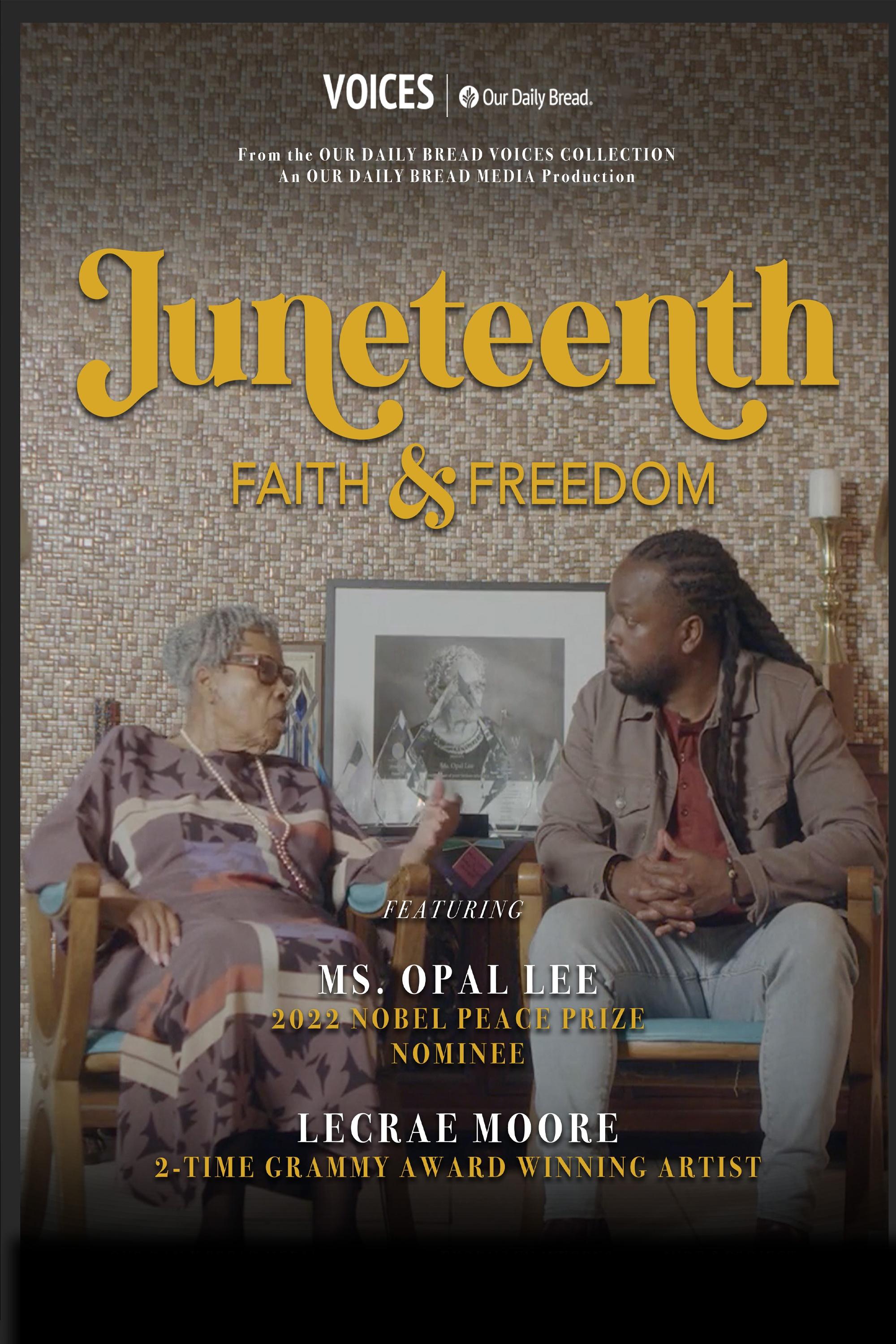
Pastor Rasool Berry unpacks the history of Juneteenth and the complex relationship between slavery, Christianity, and liberation. On a trip to Galveston, the Texas city where the last enslaved Americans were freed, Berry confronts his ancestors’ brutal reality. Through conversations with historians, community members, and fellow clergy, he and the viewer undertake an emotional journey to understand the true significance of Juneteenth.
Much like Juneteenth itself, these shows and films counter the longstanding narrative around the United States as the “land of the free.” They honor the many Americans who were denied that freedom, who risked their lives to claim it, and who continue to fight for it today. And they remind us how much of our cultural and national identity has been shaped by Black Americans, both enslaved and free.
To learn more about the history of Juneteenth, click here.
Find great reads from Black authors at our Bookshop.
